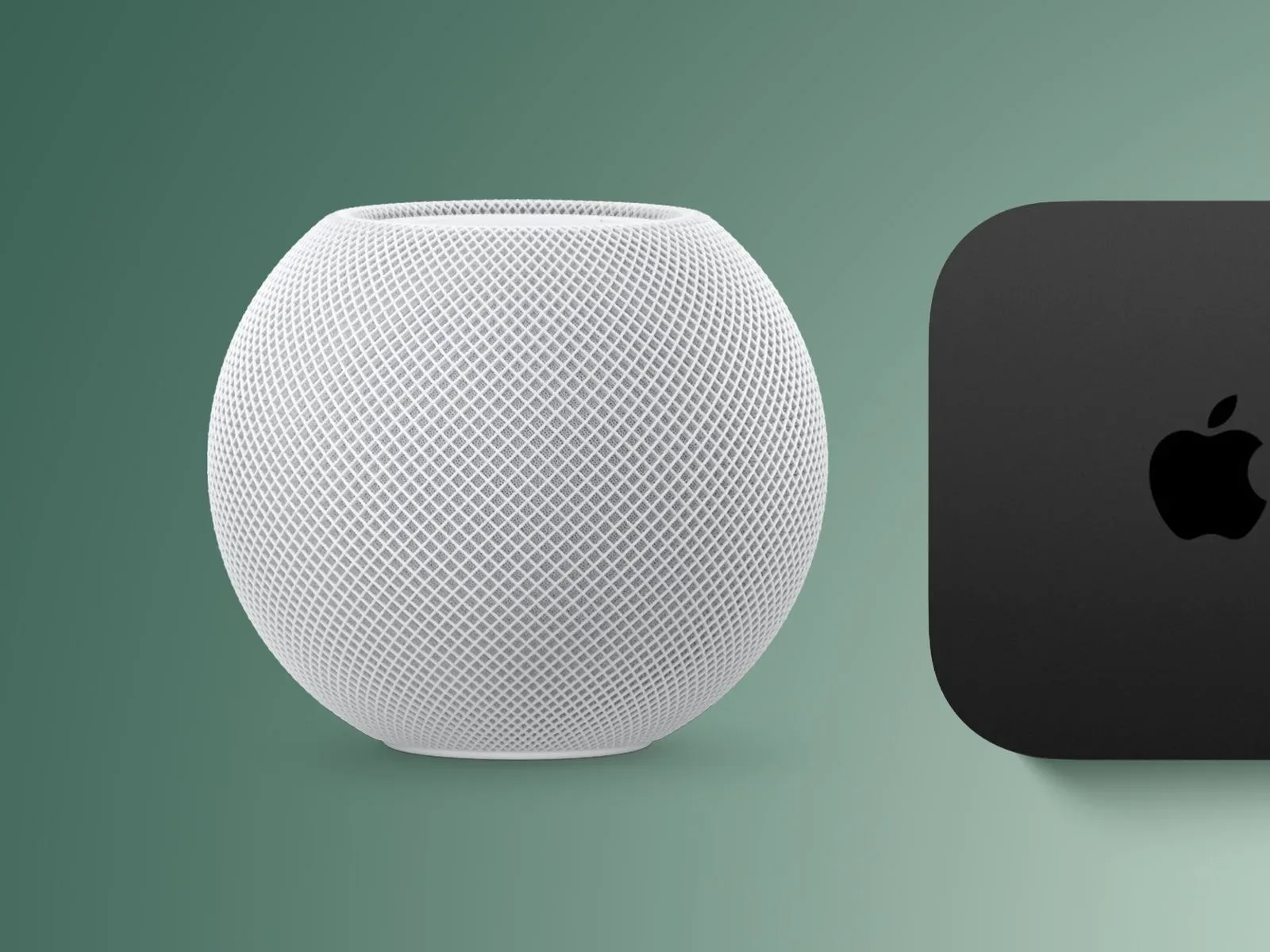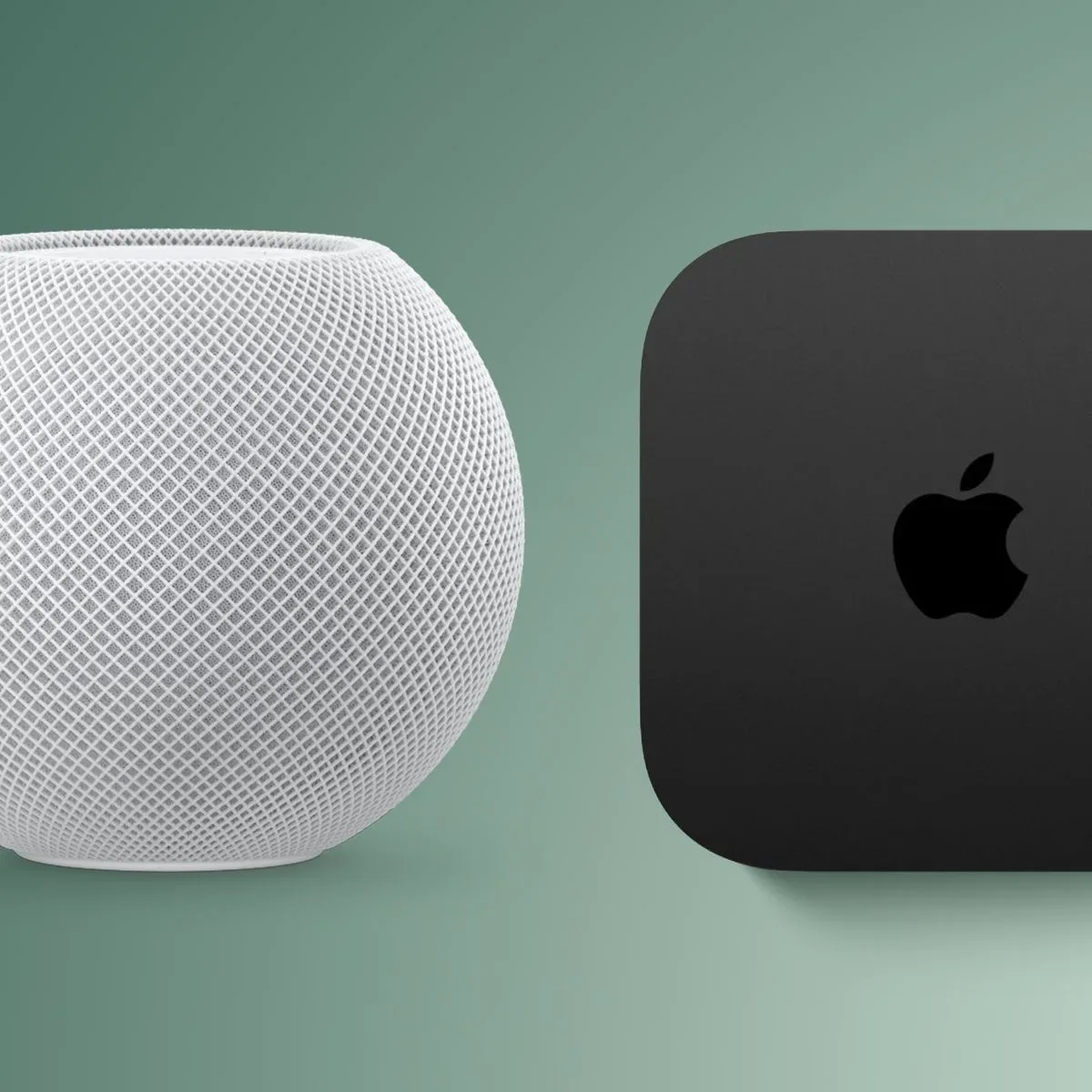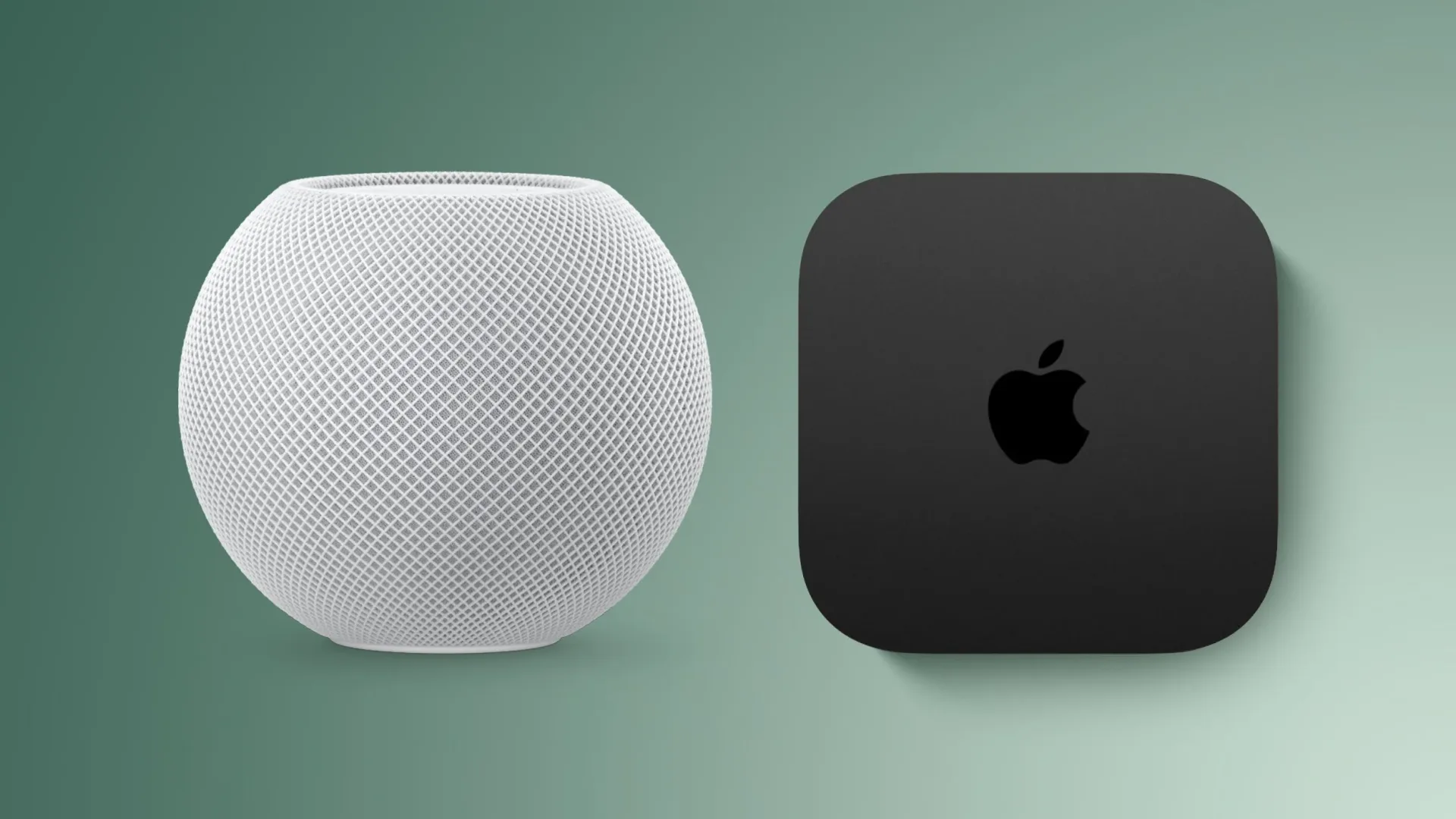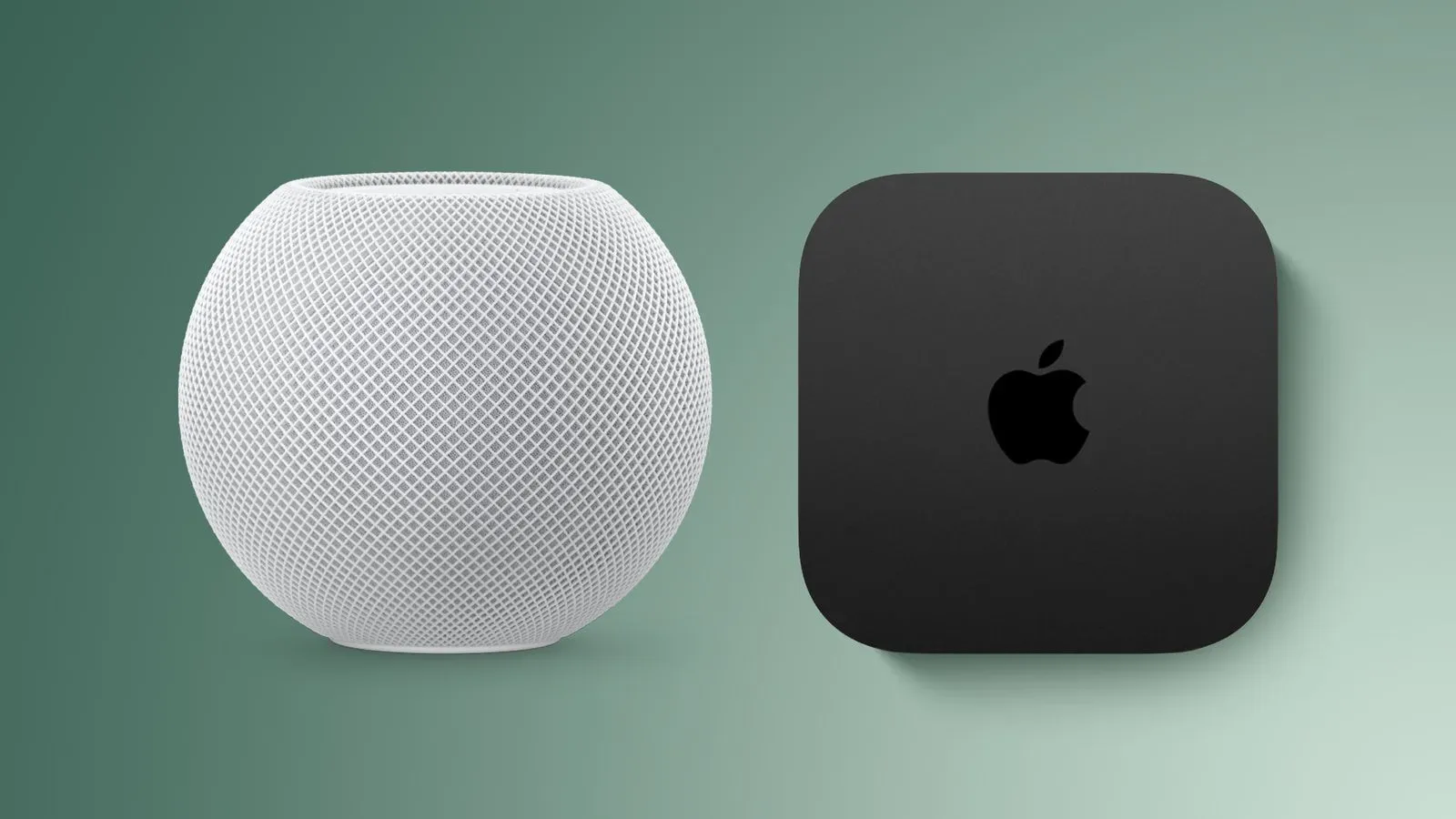
Apple is reportedly planning an online home-focused presentation for Tuesday, October 13, with three products said to be on the agenda: an all-new smart home hub, a new HomePod mini and a new Apple TV 4K. The common thread is expected to be Siri AI, although the available report does not spell out what capabilities that label will cover on each device.
That last qualification matters. This is a report of an expected event and anticipated hardware, not a confirmation from Apple. There are no stated prices, technical specifications, release dates, colors, storage options or feature breakdowns for the three products. Nor is it clear whether all three will arrive exactly as described. For players and living-room setup enthusiasts, the possible Apple TV 4K refresh is the most immediately relevant item, but the smart-home angle could make the wider story about how screens, speakers and voice control are intended to work together.
What is reportedly coming
The reported lineup is concise:
- An all-new smart home hub
- A new HomePod mini
- A new Apple TV 4K
- Siri AI positioned across the products
Only the smart home hub is explicitly described as “all-new,” which is an important distinction. The wording suggests a product category that would be new to Apple’s lineup, while the HomePod mini and Apple TV 4K would be updated versions of existing product families. Beyond that, it would be speculation to assume a display size, a remote redesign, gaming hardware changes, upgraded audio support, new ports or particular smart-home standards.
The phrase Siri AI likewise provides direction rather than a complete feature list. In plain terms, it signals that Apple may present Siri’s artificial-intelligence-related functions as a central part of the pitch. Artificial intelligence is a broad term for software systems that process inputs and generate or act on responses. In a home-device setting, that could concern how a voice assistant understands requests or coordinates tasks, but no specific behavior, command set or compatibility has been detailed here. Readers should not treat the label alone as proof of any individual function.
The “online event” wording leaves the presentation format open
The report calls the planned reveal an “online home event,” but that does not settle what viewers will actually see on October 13. It could mean a longer, feature-length video presentation distributed online. It could instead mean a sequence of product pages, newsroom posts and individual YouTube videos released around the same time. Both approaches would put the news online, but they create very different expectations for the amount of demonstration and detail available at launch.
A single presentation tends to frame several devices as one ecosystem: a hub, speaker and streaming box can be shown passing an activity from one screen or room to another. Separate announcements, by contrast, can devote more attention to each device but may offer less clarity about the connective tissue between them. Until Apple states its plans, neither format should be assumed.
The format is more than a calendar detail. A video event can establish the company’s broad message, while product pages often contain the practical specifics buyers need: compatibility, regional availability, supported accessories, setup requirements and exact configurations. Those details are especially consequential when a claimed headline is AI, because the real value can hinge on which devices, accounts, languages or regions receive a function. None of that is established by the current report.
Why an Apple TV 4K update could matter to game and media setups
Apple TV 4K is a living-room product, so any replacement naturally belongs in the same conversation as a television, sound system, controllers and streaming services. That does not mean the reported device should be read as a dedicated console announcement. No gaming-specific improvements have been claimed. Still, the television-connected position makes the product relevant to people considering how one device fits into a shared entertainment space.
For a practical setup, the useful questions would be basic ones rather than assumed headline features: What is different from the existing Apple TV 4K? Does a buyer’s current television and sound equipment already meet their needs? Which new Siri AI functions, if any, are actually available on the new model? And will an upgraded device change the experience enough to justify replacing hardware that still works?
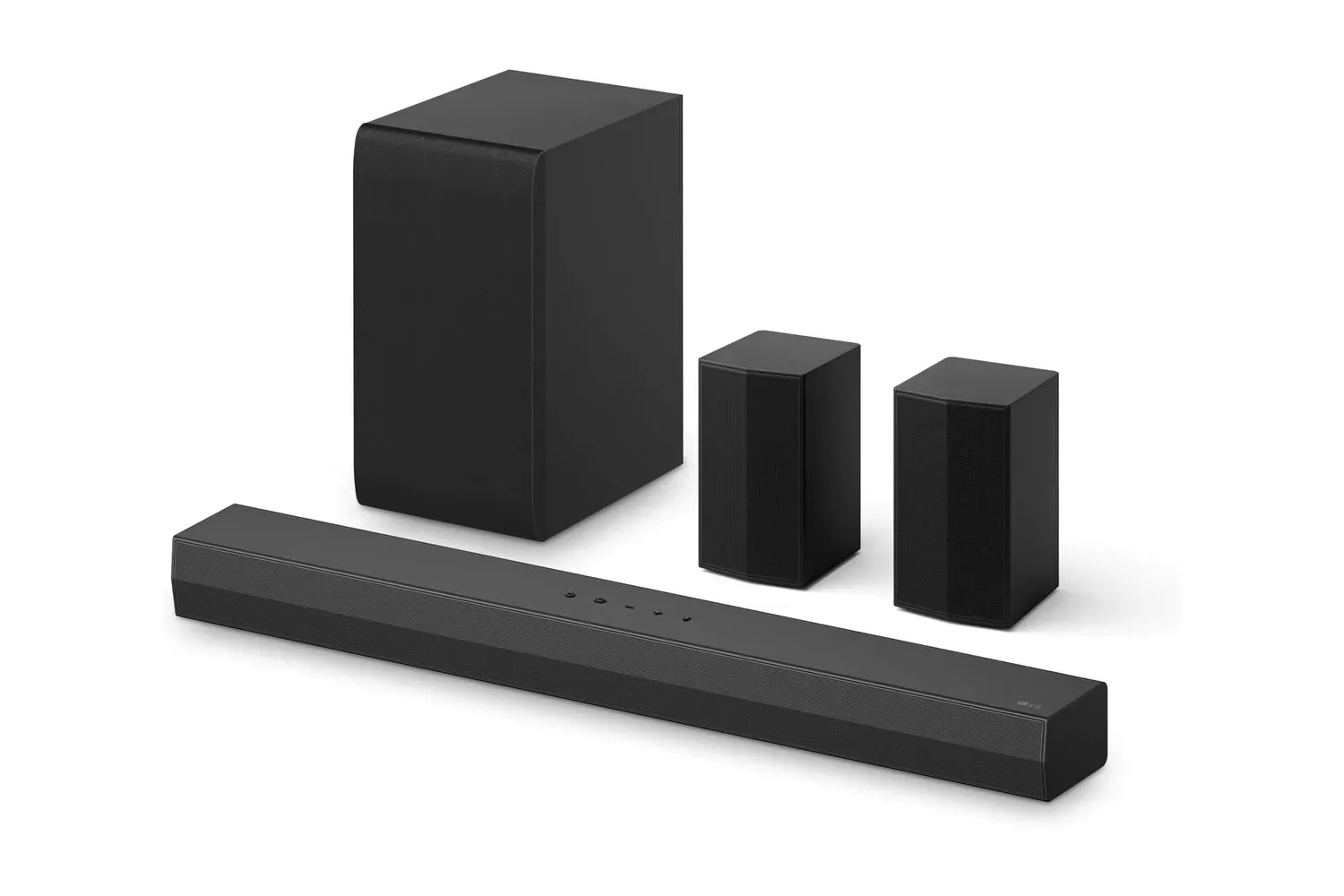
Audio is one reason the broader home-device context is worth watching. A streaming box, compact smart speaker and potential hub may all sit near the same TV, but they do not automatically replace each other’s jobs. A dedicated multi-speaker television setup is a separate purchasing decision from a small voice-enabled speaker. Anyone assembling a living-room system can also weigh products built specifically around rear speakers and TV sound, such as the considerations outlined in this budget gaming soundbar setup guide.
The available information does not state whether the new Apple TV 4K will change audio hardware, video capabilities, controllers or game support. It is therefore too early to advise existing Apple TV owners to upgrade, or to promise any particular benefit for people who play games through their television.
The smart home hub is the least defined—and potentially most significant—device
Of the three reported products, the new smart home hub has the fewest disclosed particulars. A smart home hub generally refers to a central device or interface used to manage connected household functions. The term can describe devices with very different roles: some are mainly voice interfaces, some emphasize a screen, and some primarily coordinate connected accessories behind the scenes. The report confirms none of those design choices for Apple’s expected product.
That lack of detail makes it inappropriate to extrapolate from the name alone. A new hub may be important to Apple’s home strategy, but there is no provided evidence about how it would be controlled, where it would live in a home, whether it has a display, or how it would relate to the Apple TV 4K and HomePod mini. The right takeaway is simply that the company is reportedly preparing a distinct home-focused device alongside familiar product lines.
If Apple does reveal the hub, the useful information to seek will be concrete: its primary interface, the types of products it is designed to work with, the role Siri AI plays in everyday use, and whether it needs additional hardware or subscriptions. Those answers determine whether it is a genuinely new control point or merely another endpoint in an existing household setup.
A HomePod mini refresh would complete the three-part home pitch
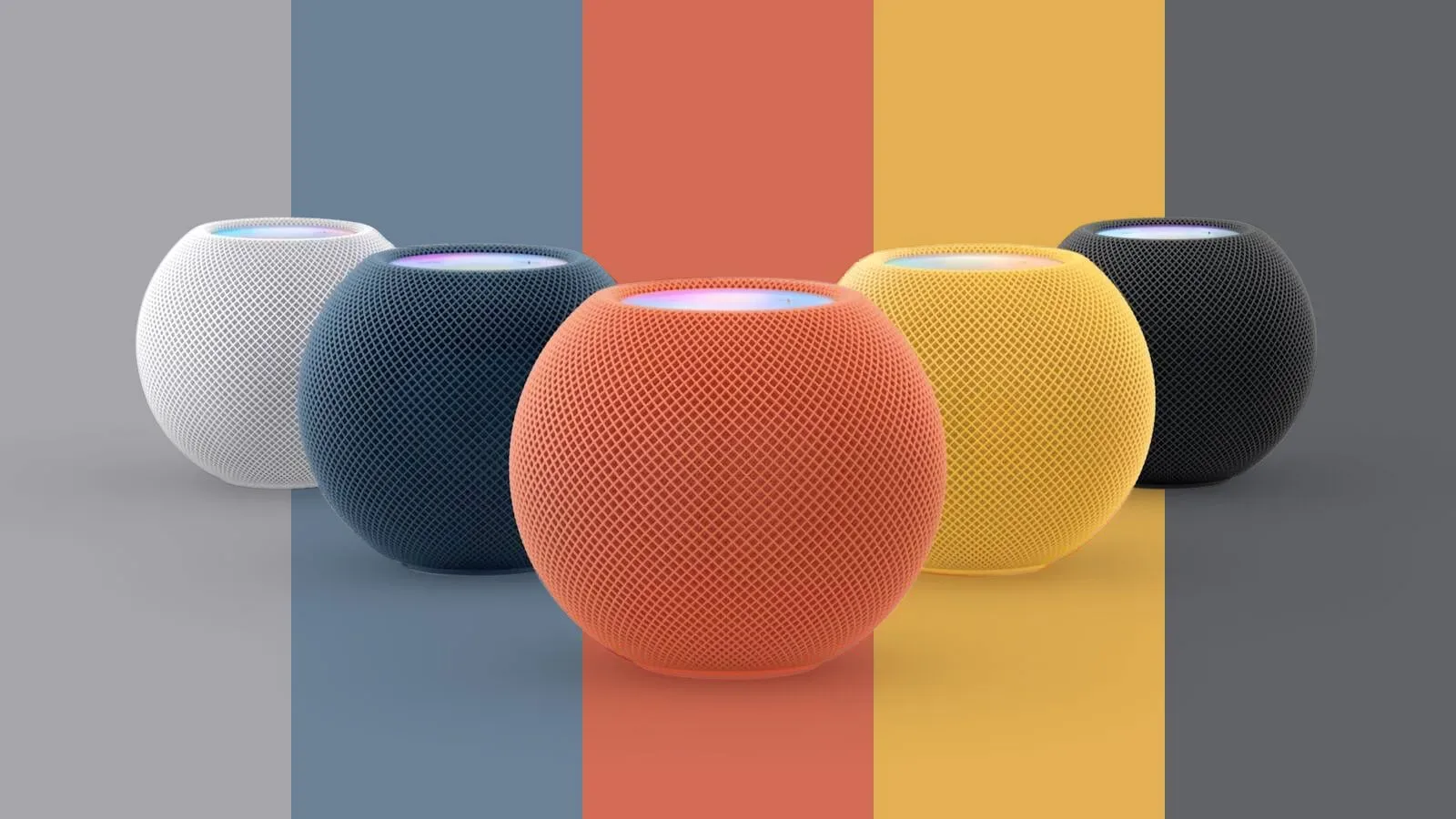
The reported HomePod mini update rounds out a lineup that spans voice, audio and television. Yet the report gives no indication of what would change in the compact speaker. It does not establish sound improvements, new controls, revised connectivity, finishes or pricing. Calling it a “new HomePod mini” only supports the expectation of a refreshed model.
Its inclusion does, however, reinforce the likelihood that the presentation’s emphasis would be the home rather than any one device viewed in isolation. A small speaker can serve a different room or use case from a TV-connected box. A hub could potentially provide another control layer. Apple may be aiming to show a coordinated set of devices, but the details required to judge that proposition have not been made public.
Hands-on coverage may follow, but it is not guaranteed detail today
Selected reporters and content creators would likely get hands-on time with the devices later on Tuesday, October 13. That expectation is useful because early demonstrations can answer questions that a polished launch video may leave open, including physical size, controls and setup flow. However, it remains a likelihood rather than a confirmed program, and prospective hands-on access says nothing by itself about retail timing or final buyer experience.
Even if hands-on reports arrive, they should be read alongside official specifications and availability information. A short first look can establish what a device is, but it may not answer every regional, accessibility, compatibility or long-term software question. With AI-branded features in particular, buyers should look for clear statements of what works at launch rather than relying on broad marketing language.
What not to assume before October 13
- Do not assume the reported presentation will be a live-streamed keynote rather than a set of online announcements.
- Do not assume the smart home hub has a particular screen, form factor or accessory support.
- Do not assume the Apple TV 4K includes gaming upgrades, even though it connects directly to a television.
- Do not assume that “Siri AI” means the same capability on every reported device.
- Do not assume pricing, preorders, shipping windows or geographic availability, none of which have been stated.
For now, October 13 is the date to watch if the report proves accurate. The strongest supported expectation is a coordinated Apple home push built around a new hub, a refreshed HomePod mini and a refreshed Apple TV 4K, with Siri AI as a shared theme. The most important unanswered questions are also the ones that should determine a purchase decision: what each product actually does, how the AI functions work in practice, and whether the changes provide a meaningful advantage over hardware people already own.