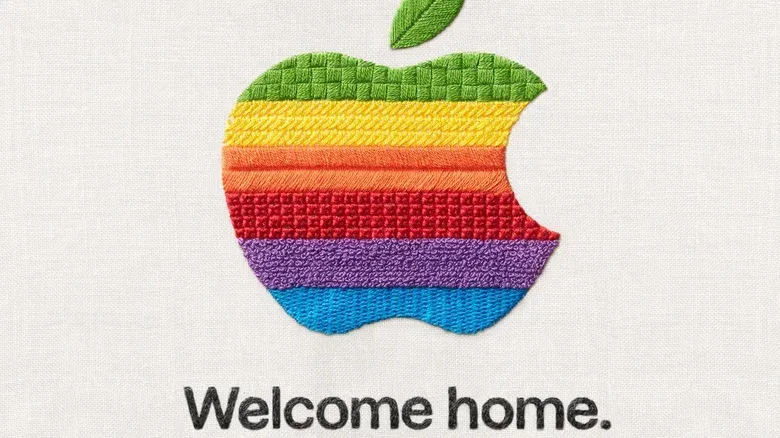
Apple has scheduled an event for October 13 at 9 AM ET, and its “Welcome home” tagline points firmly toward the connected-home side of the company’s hardware ambitions. The event is set to take place in Tribeca, New York, where Apple says attendees will be welcomed to an Apple Experience.
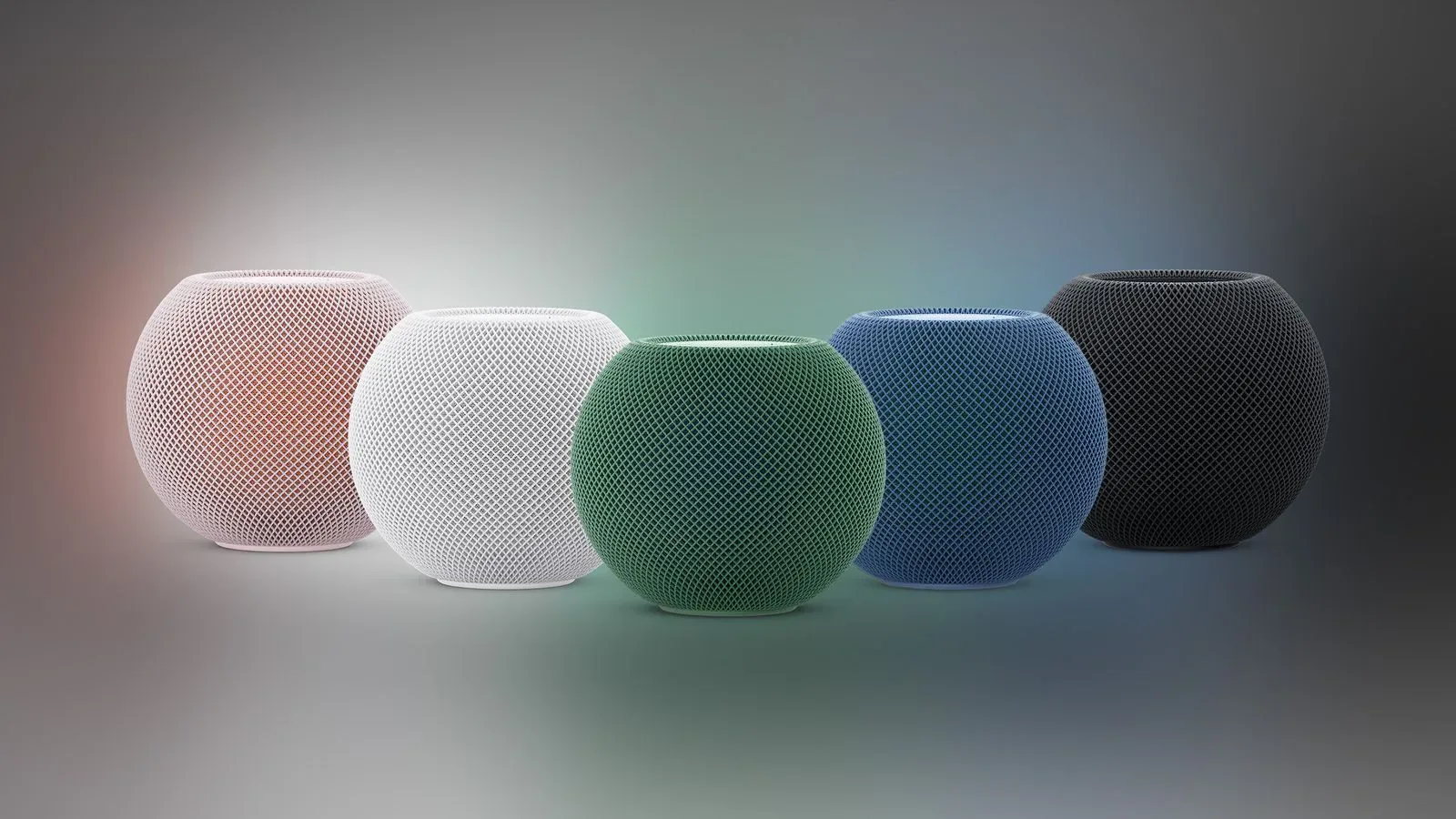
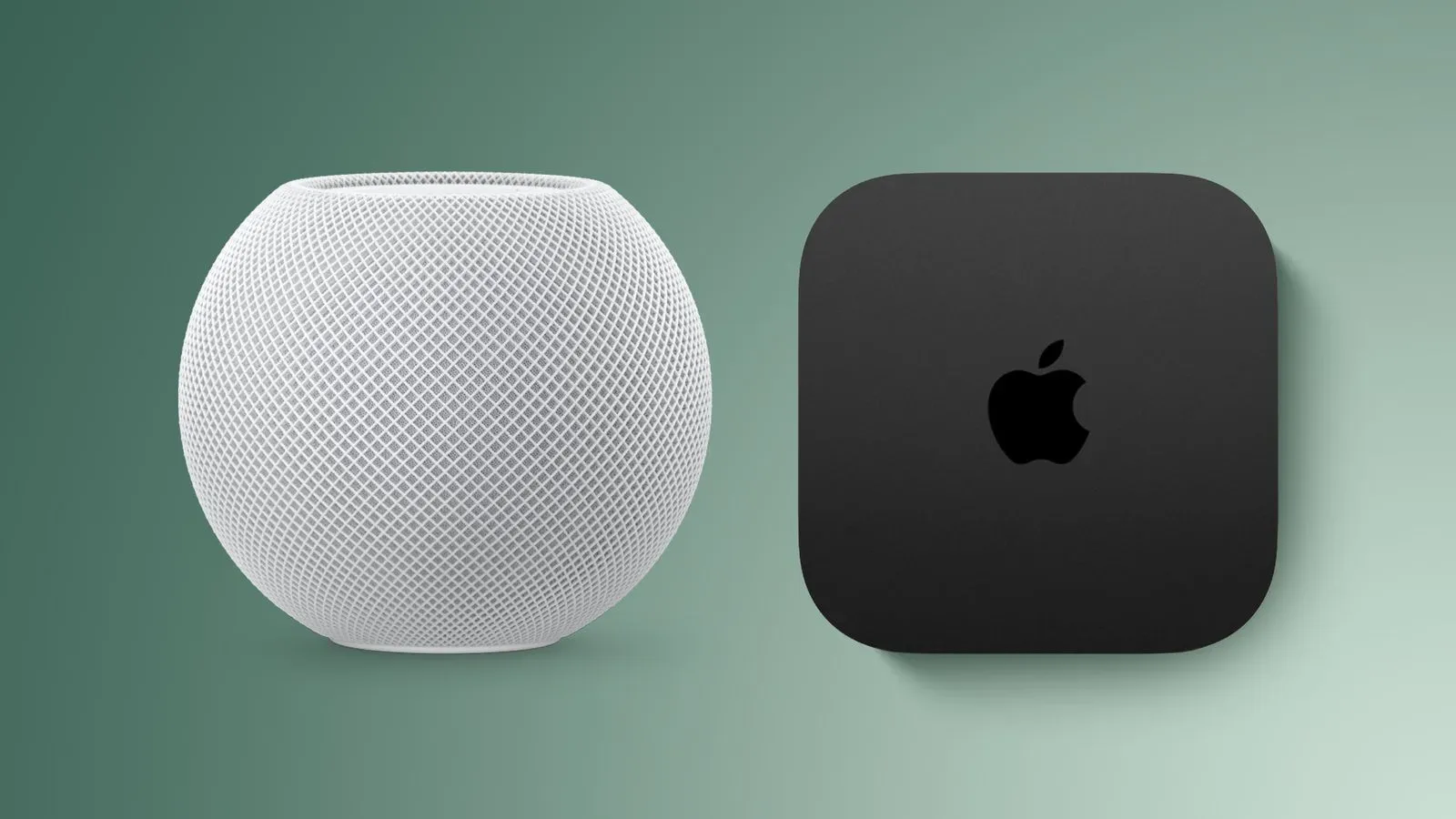
The invitation itself does not identify any products. Still, the smart-home framing aligns with reports that Apple is preparing refreshed versions of the Apple TV and HomePod mini, plus a much more consequential device: a long-rumored smart display expected to be called the HomePad.
If that name and product lineup prove accurate, the October presentation could be less about one isolated gadget and more about a potential reshaping of Apple’s home-device strategy. A screen capable of showing information, placing FaceTime calls, controlling accessories and recognizing who is using it would occupy a different role from the company’s existing speakers and streaming box. It could act as a visible, shared point of control for a household rather than another device primarily operated through a phone.
What Apple has confirmed—and what remains reported
The firm has confirmed the event’s date, time, location and home-oriented tagline. It has not publicly confirmed a new HomePad, a revamped Apple TV or an updated HomePod mini in the event materials described so far.
That distinction matters. Product-event invitations often establish a theme without spelling out a complete hardware slate, and names circulating before an event can be provisional. “HomePad” is the expected name, not an announced Apple product name. Likewise, the reported specifications and capabilities described below should be read as expectations rather than settled feature lists.
Reports have suggested Apple delayed its smart display until its Siri AI effort was ready. The timing is significant because voice assistance is not merely an extra on this kind of device. It is central to the pitch. A communal display sitting in a kitchen, living room or hallway needs to respond reliably to quick, imperfect requests—from playing music to controlling connected lights or starting a call—without demanding that users pick up a phone every time.
The “Welcome home” wording makes smart-home hardware the obvious focus, but only the event itself can confirm Apple’s final product names, functions and release plans.
The reported HomePad: screen, software and recognition
The expected HomePad is said to use a seven-inch display and run a new operating system referred to as homeOS. It is also rumored to present a dashboard resembling StandBy mode on iPhones.
StandBy is the iPhone view designed for an idle, charging phone held horizontally, where time, information and glanceable controls can take priority. Applied to a dedicated home screen, that general concept would make sense: a device placed in a shared room needs readable status information and straightforward touch targets, not an interface designed around a single person holding it in one hand.
A homeOS label, if it is used, would also suggest a dedicated software layer for a category that crosses speakers, displays, cameras, calls, streaming and smart-home accessories. That does not by itself tell us how much the system would differ from Apple’s other platforms. But it would underline a basic reality of smart-home products: their usefulness comes as much from the interface that organizes routine actions as from the screen or speaker inside the hardware.
Personalization is potentially the biggest claim
The most notable reported HomePad features are face recognition and voice recognition, which could let the device personalize content for whoever is interacting with it. In practical terms, personalization could mean showing different relevant information or presenting a more individual experience without requiring someone to manually switch profiles.
That would be a meaningful evolution from a simple shared display. Smart-home screens face an obvious tension: they live in communal spaces, but the people looking at them may have different calendars, preferences, media habits and needs. Recognition technologies are one possible way to resolve that tension, provided the system works dependably and people are comfortable with how it handles identification in the home.
There are no detailed privacy, setup or data-handling specifics in the available reporting, so it would be premature to infer how such functions might operate. The key point is simply that the expected device is not being framed solely as a touchscreen speaker. It is rumored to be aware, in some form, of the person currently using it.
A device intended to sit at the center of the room
The rumored HomePad feature set includes smart-home control, FaceTime, video streaming, music streaming and intercom communication with other devices. Taken together, those functions describe a product meant to be present in everyday domestic routines.
- Smart-home control means using the device to manage compatible connected products, such as home accessories, from a central interface.
- FaceTime would give the device a communication role beyond issuing commands or checking status information.
- Video and music streaming would make it a shared entertainment surface, even if a seven-inch display would naturally favor short-form viewing, background information or close-range use over a television-sized experience.
- Intercom communication would allow messages between supported devices, positioning the hardware as part of an in-home communication network.
None of those capabilities is surprising by itself. Their importance would come from integration. A display that can surface information, take a voice request, show a call, play media and send a household message could reduce the number of separate steps needed to move between those tasks. That is the proposition Apple appears to be chasing if the reports are borne out: not simply adding a screen to a speaker, but making the screen a common front door to several home functions.
It is also an intensely competitive idea. Amazon’s Echo Show line and Google’s Nest Hub are established reference points for the category. Apple’s reported answer would need to make a case through the way its hardware, software, voice assistant and existing device ecosystem work together, rather than through the mere existence of a display.
Why Siri AI may be the hinge for all three expected devices
Reported upgrades to the Apple TV and HomePod mini are expected to focus on the processing power needed for Siri AI. “Spec upgrades” generally means internal component improvements rather than an automatically visible redesign: the kind of changes that can matter most when a device is asked to handle newer software functions.
For a voice-driven home experience, more capable AI could affect how naturally users make requests and how effectively a device deals with context. However, Apple has not detailed the exact Siri AI functions that any refreshed Apple TV, HomePod mini or rumored HomePad would provide at this event. It is best not to turn the broad phrase into a promised checklist of abilities.
What is clear from the reported delay is that Apple may see its assistant as foundational to the HomePad rather than optional. A smart display can always be controlled by tapping its screen, but its value proposition changes if a person can ask it to carry out a sequence of household tasks, retrieve useful information or direct media and communication without navigating menus.
The relationship among the three expected products could also be important. Apple TV already has a place at the television; HomePod mini is built around audio and voice; and a HomePad would add an always-available visual interface. Announced together, they could form a more coherent home range than any individual update would suggest.
The HomePod mini display rumor deserves caution
There is one additional twist in the reports. Recent macOS beta code is said to suggest that a revised HomePod mini may add a display with an Apple Watch-style interface.
Beta code can provide useful signals about work in progress, but it is not a finished product announcement. It does not establish final design, naming, availability or even guarantee that a referenced feature will ship. If the indication is accurate, though, it raises an interesting possibility: Apple could be exploring more than one kind of visual smart-home interaction at once.
A small display on a speaker and a seven-inch dedicated smart display would not necessarily serve identical purposes. The former could deliver compact, at-a-glance information close to the audio device, while the latter could provide a broader dashboard and make video calls or visual controls more practical. Until Apple speaks, that is analysis of the reported direction—not confirmation of a two-screen product strategy.
What to watch for on October 13
The practical questions are more revealing than the rumored product names. Does Apple introduce the HomePad? Does it use the name homeOS? How prominent is Siri AI in the presentation? And does the company describe the device as an individual screen, a household hub, or a companion that ties Apple TV and HomePod mini closer together?
Details around personalization will be especially worth watching. Face and voice recognition could be a major differentiator for a shared display, but the value depends on the clarity of the implementation and the controls users have over it. The same is true of intercom, video and smart-home functions: the headline capability is only the start; how quickly and intuitively it works will define its role at home.
Apple’s October calendar is already crowded. The company is also expected to release the iPhone Duo, described as its first foldable phone, later in the month. Yet the “Welcome home” event may matter for a different reason. Foldable phones extend the personal device in someone’s pocket. A smart display, if it arrives, would be Apple’s bid to establish a more visible place in the rooms where people share media, conversations and connected-home controls.
For the gaming and entertainment crowd, the Apple TV portion is the clearest item to monitor. The currently reported rationale is Siri AI support rather than a gaming-specific overhaul, so there is no basis to expect a dedicated gaming announcement. Still, a stronger living-room device sits adjacent to the same broader question that keeps surfacing across interactive entertainment: how much capability and complexity can comfortably live on a screen that everyone in the room can use. That debate is also present in recent discussion around modern players and game complexity, albeit in a very different setting.
For now, Apple has supplied the place, time and welcoming theme. The October 13 event will determine whether the long-running smart-display rumors finally become a real product—and whether Apple is ready to make Siri AI the organizing layer of a broader home lineup.