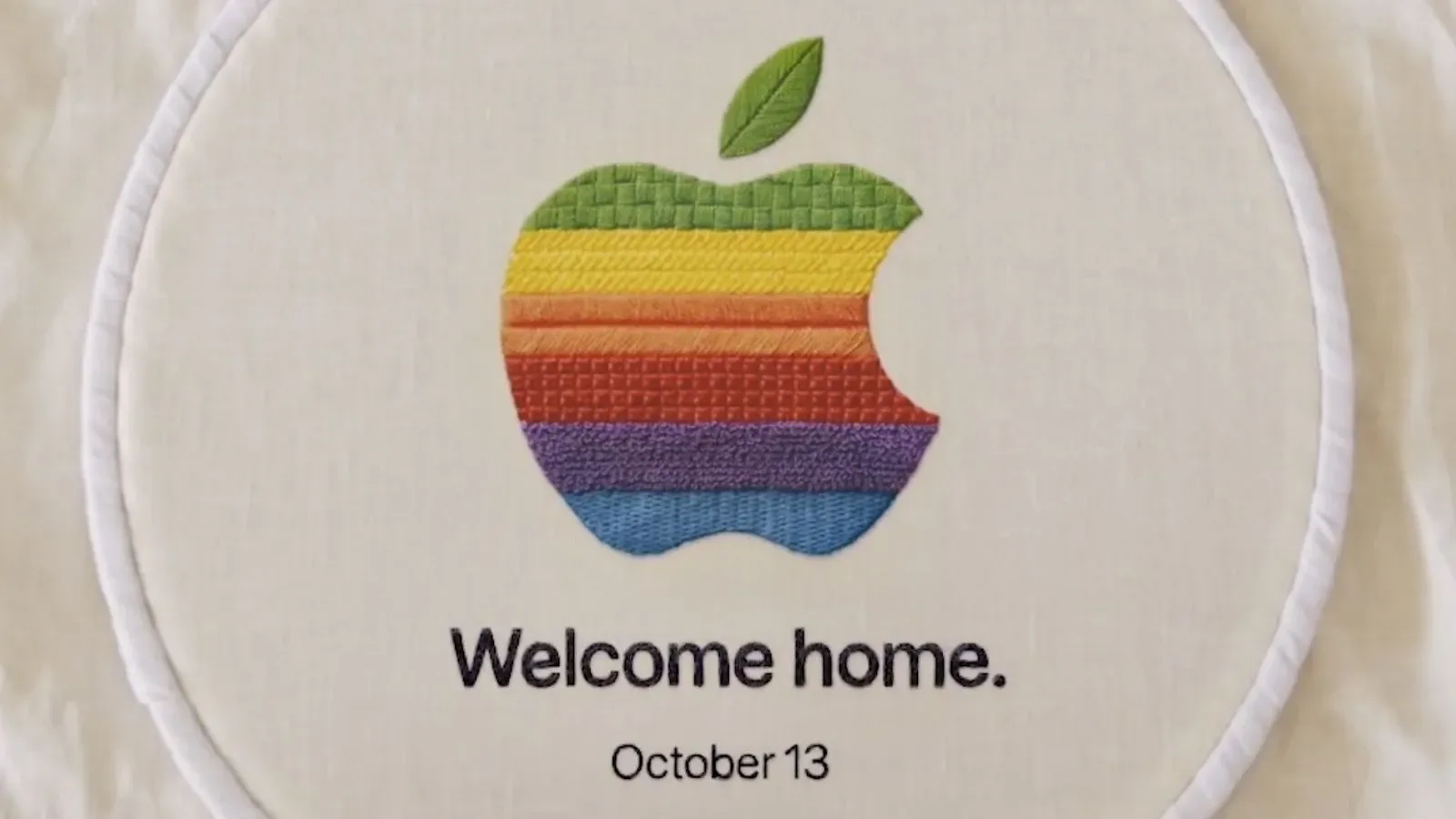
Apple’s October 13 “Welcome home” event appears set to be a smart-home-focused follow-up to the company’s fall hardware plans. The invitation wording is not a product specification, of course, but the reports surrounding the event point in one clear direction: a new screen-equipped home device, refreshed living-room hardware capable of running Siri AI, and a broader collection of connected-home accessories built around HomeKit.
The potentially meaningful change is not simply that Apple may add another screen to a room. It is that the company is reportedly preparing hardware intended to put its AI assistant at the center of how people operate displays, speakers, video calls, media apps, and connected devices at home. That is an ambitious role for Siri AI, and it means Apple’s reported smart display would need to be more than a digital photo frame with a microphone.
Nothing described ahead of the event is official until Apple confirms it. Product names, processors, hardware configurations, colors, accessory partnerships, and software capabilities discussed below should all be read as reported expectations rather than settled facts. Still, the collection of details sketches out a significant attempt to make Apple’s TV, speaker, and HomeKit efforts feel more like one system.
A reported smart display would be the centerpiece
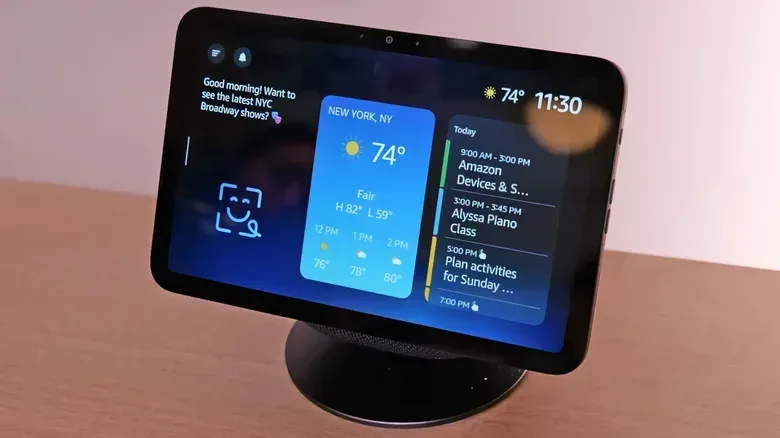
The most prominent rumored product is Apple’s first smart display, informally referred to in reports as the “HomePad.” The idea is straightforward: combine a HomePod-style speaker and voice assistant with a display that can show photos, open apps, and serve as a dedicated FaceTime device.
Reportedly, the device would use a six-inch square screen and arrive in two hardware arrangements. One version may be attached to a rounded speaker reminiscent of the HomePod mini; another may use a smaller audio component mounted alongside the screen on a wall. Those possible options matter because a home display is used differently depending on where it lives. A countertop unit is likely to be glanced at while moving through a room, while a wall-mounted screen reads more like a permanent household control point.
Its primary control method is said to be Siri AI, but reports also describe touchscreen support. The device’s reported software is a tvOS-based system called “homeOS,” with interface ideas drawn from Apple Watch customization and the StandBy display mode on iPhone. In practical terms, that suggests Apple may be aiming for information that is visible at a glance, while retaining touch controls for situations where voice is inconvenient, imprecise, or simply not desirable.
Siri AI, as presented in these reports, is the assistant functionality that Apple restricts to devices with sufficiently capable A-series or M-series chips. HomeKit is Apple’s connected-home platform: the software framework through which compatible home devices can work with Apple’s ecosystem. The reported smart display would therefore be both a voice interface and a visible dashboard for that ecosystem.
App support could be a major dividing line between a narrowly focused household device and a more flexible small-screen computer. The reported software may run iPadOS-style apps, which could make room for video streaming and other uses if developers support the platform. That caveat is important. The possibility of app compatibility does not establish which apps will arrive, what features they will offer, or whether developers will treat the device as a priority.
Related coverage includes Apple’s October 13 ‘Welcome Home’ Event Could Put Siri AI at the Center of a New Smart Home Push.
For players, a display with streaming apps and FaceTime capability might become a useful sidekick in a TV setup rather than a gaming device in its own right: something for calls, guides, media queues, or controlling the room while the main screen stays on a game. That is an implication of the reported form factor and app ambitions, not a confirmed gaming feature. Anyone primarily looking for a new gaming display should keep expectations grounded; a dedicated TV still has a very different job. For an example of how much specialized gaming-screen specifications can matter, compare the 144Hz emphasis in Hisense’s CanvasTV approach with the reported six-inch size of Apple’s prospective home device.
Personalization is the more intriguing reported feature
One of the more unusual reported functions is the ability to detect who is looking at the display and adapt its interface or apps for that person. Apple reportedly does not plan to use the iPhone’s Face ID system for this. The proposed effect, however, would be personal: a screen might change the calendar or notifications it shows depending on the viewer.
That would distinguish a household screen from a personal phone or watch. Shared screens often face a basic tension. They are visible to everyone, but the most useful information on them can be individual. Switching profiles automatically could make a communal device less generic. It also raises practical questions that have not been answered by the reporting: how recognition will work, how reliably it will distinguish people, what happens when several people are in view, and what control household members will have over what appears publicly. Those are questions for an eventual formal presentation, not details established now.
There is also a larger usability issue. Voice-first smart devices need to succeed at the mundane tasks repeatedly: setting timers, controlling accessories, placing calls, finding information, and responding predictably when more than one person is involved. A screen can make results easier to understand, but it cannot by itself solve assistant reliability. If Siri AI is truly the principal interaction method, the quality of that interaction will be central to whether the device feels useful rather than ornamental.
Apple TV 4K and HomePod mini may be getting the chips Siri AI requires
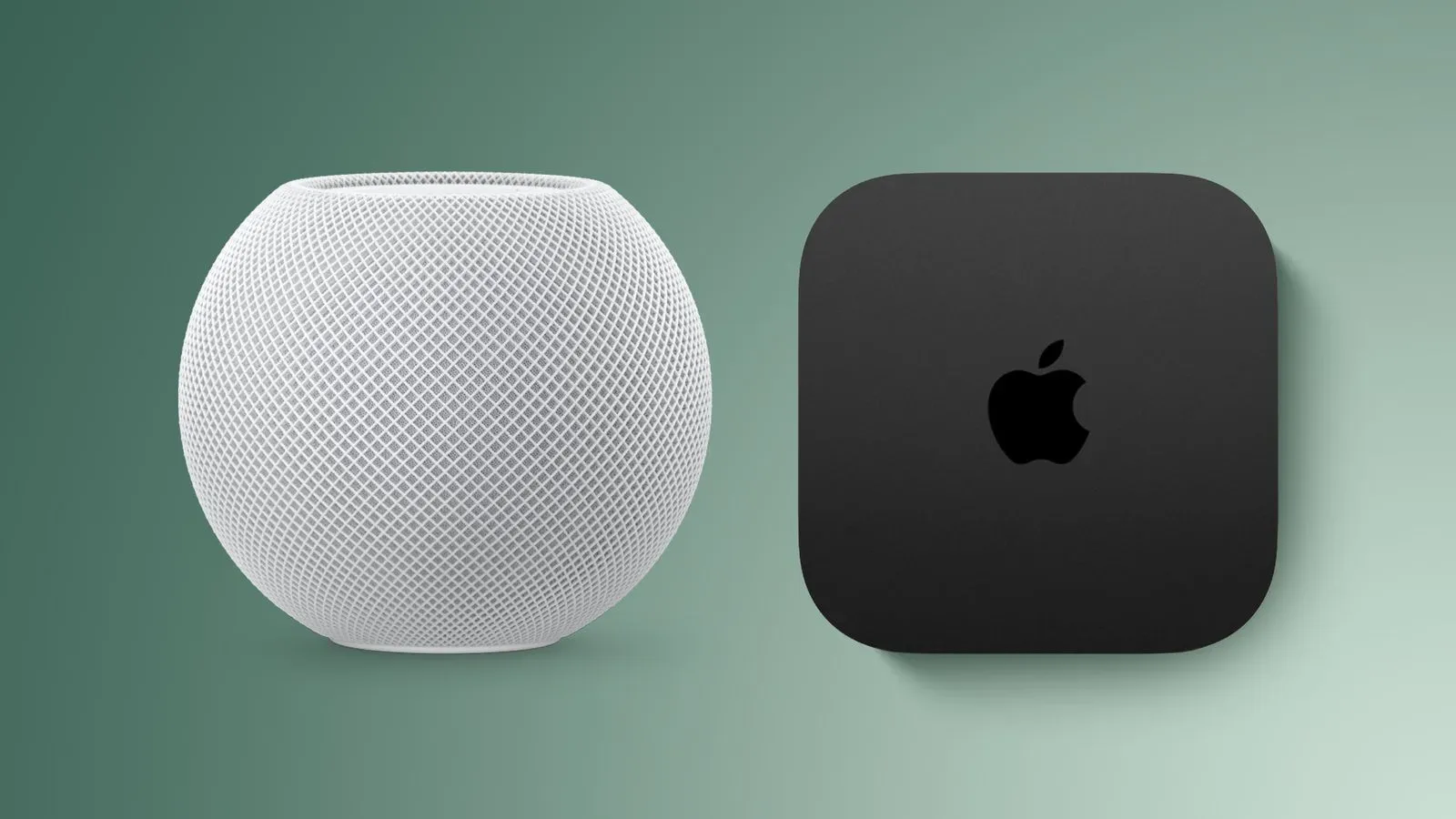
The prospective smart display is only part of the reported plan. Apple is also expected to refresh the Apple TV 4K and HomePod mini with faster processors capable of running Siri AI, along with modest design changes.
The existing hardware provides the rationale. The current HomePod mini uses an S5 chip originally associated with Apple Watch Series 5, while the current Apple TV 4K uses the A15 Bionic chip from the iPhone 13. Since access to Siri AI is reportedly tied to A-series or M-series chip capability, new silicon would be necessary if Apple wants its older home categories to participate in the updated assistant experience.
The reported Apple TV 4K refresh may use at least an A19 chip from the iPhone 17 line and include a slightly redesigned remote. If accurate, that would make the set-top box a more capable part of Apple’s home AI push rather than merely a media endpoint. Apple TV already occupies a useful position beneath the television in many Apple households: it handles television apps and ties into speaker setups. A faster chip could allow it to become another place where Siri AI is available.
That prospect carries a practical qualification. A newer chip does not automatically explain exactly what Siri AI will do on Apple TV, nor whether every capability will be identical across a television, speaker, and smart display. The central expectation is compatibility, not a confirmed feature-by-feature roadmap.
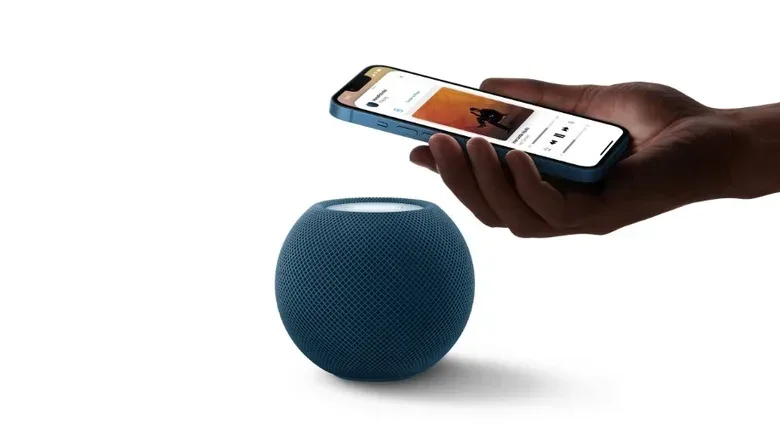
The HomePod mini may receive a recent Apple Watch-derived chip, again to handle Siri AI requests. Reported colors include green, pink, blue, black, and white. Color options are a smaller detail than the processor, but they underline a familiar role for the mini speaker: a relatively compact device intended to sit visibly in living spaces rather than disappear into an equipment cabinet.
HomePods could go beyond stereo
Apple is reportedly working on surround-sound configurations using HomePods, extending beyond the stereo pair arrangements already offered through Apple TV. This could be one of the most consequential pieces for people who use Apple TV as the center of a living-room entertainment setup.
Stereo uses two speakers to create left and right channels. Surround sound expands the arrangement so audio can be positioned around the listener. The report establishes that Apple is working on support for HomePod surround setups, but does not provide a layout, supported HomePod models, timing, or an explanation of how the system would be configured. Those missing details are substantial, especially for anyone considering the setup for games as well as shows and films.
Even so, the direction makes strategic sense within the reported lineup. A smart display could handle household interaction, an Apple TV could remain the television hub, and HomePods could take a bigger role in room audio. The value would come from those pieces behaving as a single system, not from any one device’s spec sheet.
Apple may lean on partners for the physical home accessories
The event may also expand the number of devices that can work with Apple’s smart-home system, though perhaps without Apple placing its own name on the hardware. Earlier reports had pointed toward Apple-developed privacy-focused cameras. More recent reporting instead suggests accessories could be manufactured, sold, and supported by LG Electronics while working with Apple’s home ecosystem.
The reported LG lineup includes smart locks, doorbells, thermostats, and temperature sensors. A separate leak has suggested Schneider Electric may also provide a thermostat at launch. Cameras are part of the wider accessory category discussed around the initiative, but the precise roster, branding, and release details remain unconfirmed.
This partner-led approach is notable because locks, doorbells, thermostats, and sensors are not casual accessories. They are products people expect to install, maintain, and rely on over long periods. If LG and Schneider Electric are indeed involved, those companies would reportedly handle manufacturing, sales, and support, while Apple’s role would be to make the accessories part of its platform.
That arrangement could also make the ecosystem feel more open to established smart-home makers. Apple has the reach to define the software experience, but it does not need to manufacture every piece of hardware for the system to expand. For buyers, the important future checks would be compatibility specifics, support responsibilities, setup requirements, and whether the Siri AI experience genuinely makes multi-device control simpler.
What to watch for on October 13
Apple’s event should clarify whether this is a collection of related products or a genuinely unified home platform. The most important answers will be less glamorous than a new screen or fresh speaker colors:
- Whether the reported smart display is announced, and which of its proposed hardware configurations are real.
- How Siri AI works across a smart display, Apple TV 4K, and HomePod mini.
- What “homeOS” actually offers through touch, voice, apps, and personalization.
- Whether iPadOS-style app support translates into a credible app selection.
- Which HomePod surround configurations will be supported, if that feature is detailed.
- Which third-party locks, doorbells, cameras, thermostats, or sensors will be compatible, and who supports them.
The reports describe a potentially coherent reboot of Apple’s home ambitions: not a single device trying to do every job, but a display, TV box, speakers, assistant, and partner accessories intended to work together. The decisive test will be whether Siri AI can make that collection easier to use in ordinary moments. A living room full of connected hardware is only a platform when it reduces friction instead of creating one more menu to manage.