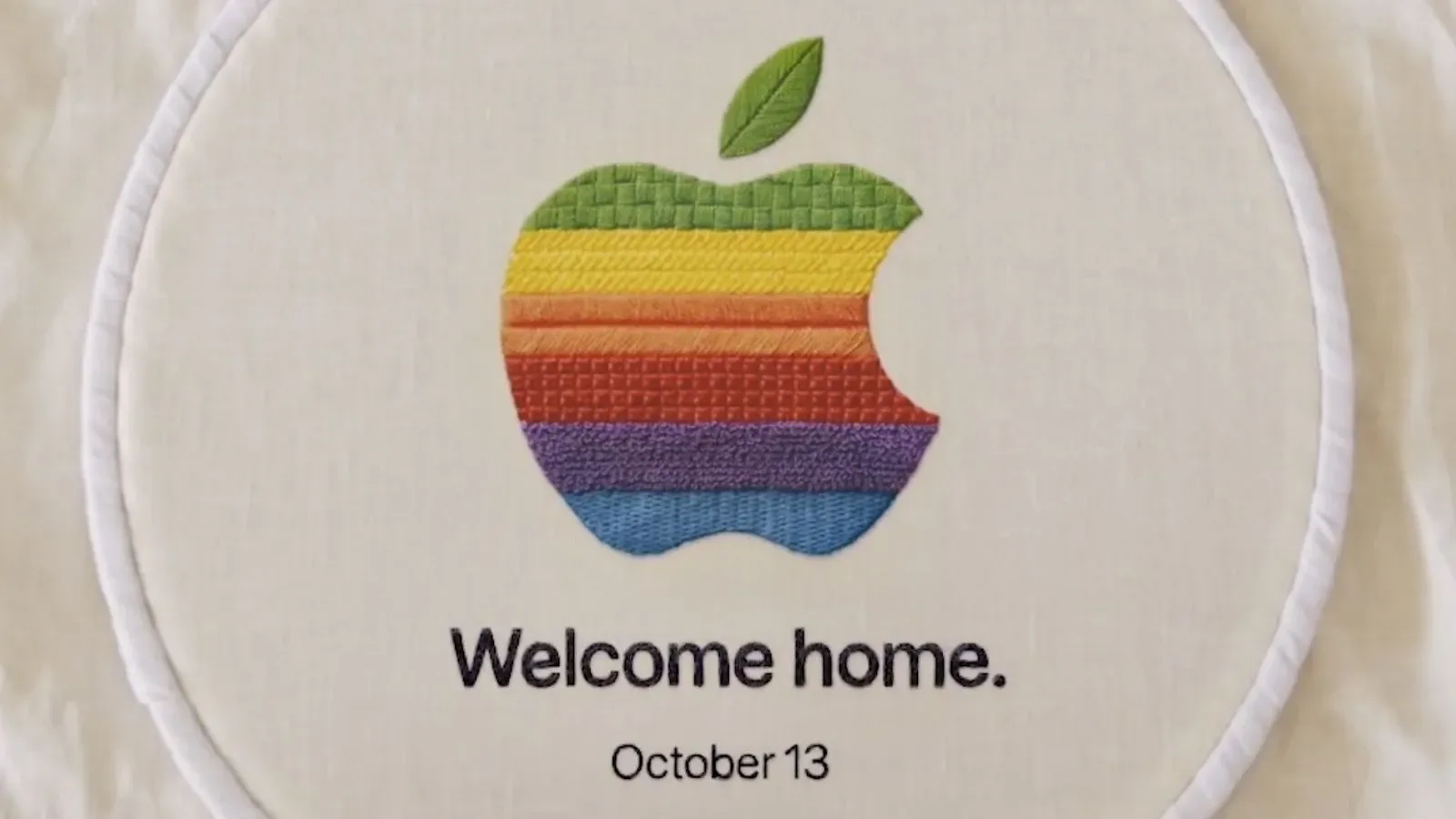
Apple has scheduled a product launch for Tuesday, October 13, with the available details pointing toward a smart-home-focused reveal rather than a broad hardware showcase. The company has not confirmed the products set to appear, but expectations center on a new home hub, a refreshed Apple TV 4K and an updated HomePod mini. An OLED iPad mini is also in development and could be part of the presentation.
The most consequential rumored device is the home hub: a new, shared household screen intended to combine functions normally split among a tablet, smart speaker, television interface and home-control app. If it appears as expected, it would be designed for controlling connected devices, starting FaceTime calls, viewing video, checking news and weather, and keeping track of calendar events.
That is a familiar list of individual tasks. What makes the proposed hardware more interesting is the attempt to turn them into a room-level interface instead of a personal device that follows one owner. The reported emphasis on voice interaction and customized screens for different household members suggests Apple is aiming at a device that is always available, visible at a glance and usable by more than one person.
What is expected on October 13
The October 13 launch is confirmed, but the lineup remains unconfirmed. The strongest expectations are for smart home hardware:
- Smart home hub: An all-new device combining a display with speaker-oriented hardware and smart-home controls.
- Apple TV 4K: A new version of the television streaming device is expected.
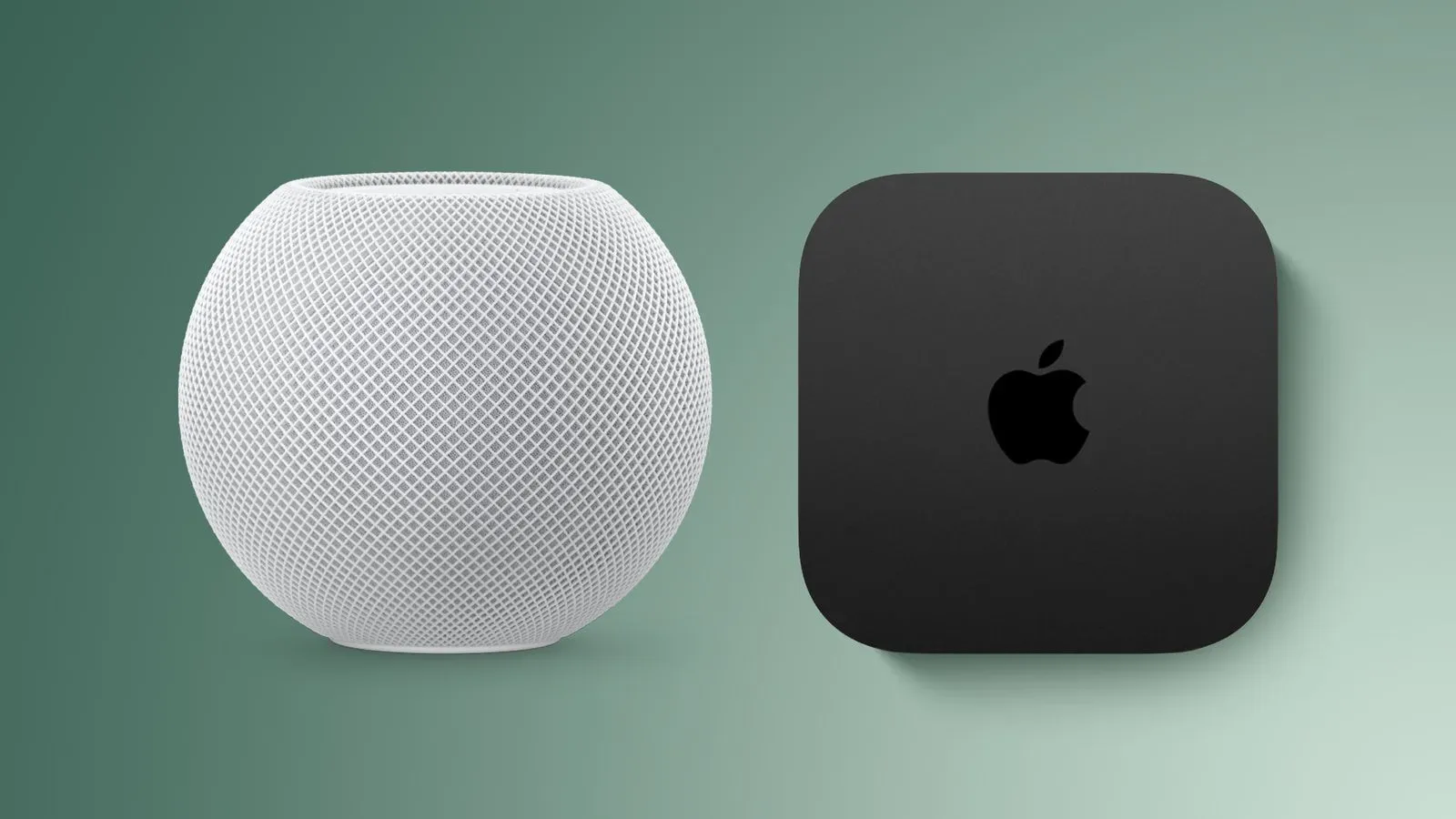
- HomePod mini: A refreshed compact smart speaker is also anticipated.
- OLED iPad mini: A smaller iPad with a faster chip, more water resistance and an OLED display could potentially join the launch.
It is important to separate the scheduled launch from the product claims. Apple has set the date; the devices, specifications, designs and potential pricing discussed around the event remain expectations until the company formally identifies them. The same applies to the scope of the launch. Apple is also said to have several Macs planned before year’s end, but those machines may arrive later rather than alongside the smart-home products.
A home hub that is more screen than speaker
The reported hub is described as something between an iPad and a HomePod, with a roughly six-inch square display. That form factor matters. A square screen would not be optimized for long-form work or traditional tablet use; instead, it would suit information panels, controls, video-call framing, widgets and quick visual checks. Think of a dashboard rather than a general-purpose computer.
The device is expected to support a range of household tasks: controlling smart-home products, placing FaceTime calls, watching video, checking news and weather, and seeing calendar information. The proposed software approach is just as important as the hardware. Voice is expected to be the primary way of interacting with it, with Siri AI integration central to the experience.
Smart-home hub is a broad term, so it helps to define it in this context. It means a central point for interacting with connected products around a home. Rather than opening separate apps or looking for a phone, someone could use one fixed device to see information and issue commands. The value of that idea depends less on whether it can perform a single command and more on how quickly it can respond in ordinary, repeated household moments.
That voice-first design also creates a practical trade-off. A device intended to live in shared rooms has to work when people are busy, moving around, or not looking at its screen. At the same time, it needs a visual layer because household information is often easier to scan than hear: calendar events, weather conditions, video calls and groups of controls are examples. A display plus voice interface is meant to cover both modes.
The launch arrives amid an expanding focus on AI assistants and the rules around how such systems behave. For a separate look at limits being placed on sustained AI misuse, see this overview of new Claude rules and chat-ending penalties. That is a different product and policy discussion, but it illustrates why assistant behavior is becoming a meaningful part of the technology conversation, not just a background feature.
Two possible designs and a multi-room idea
Apple is reportedly considering two versions of the hub. One would be made to mount on a wall. The other would use a half-dome speaker base, a look compared to the iMac G4. These are not merely decorative alternatives. They imply different ways the device could fit into a home.
A wall-mounted version would be naturally suited to a fixed shared location: an entryway, kitchen, hallway or other place where people may want a quick view of the day. A model with a speaker base could be placed on a counter, shelf or table, bringing its display and audio function together in a more portable room-to-room form. Neither design has been formally confirmed, but the distinction lines up with the reported ambition to place hubs in multiple rooms.
Multiple hubs would make sense only if the device can adapt to where it is and who is using it. The reported hardware therefore includes a camera and a presence sensor. A presence sensor detects that someone is in the room. The expected system would go further by identifying who is there, then showing a personalized interface with relevant widgets and apps.
Personalization in a shared device is a harder problem than personalization on a phone. A phone generally belongs to one person; a kitchen display does not. The proposed approach suggests a hub that could recognize the arriving person and surface information suited to them, while still serving as a common household control point. In theory, that could make a multi-room setup feel less like several duplicate screens and more like a connected set of room-aware interfaces.
There are obvious questions that Apple would need to answer if these details prove accurate. A camera and identity recognition in a shared household device would make privacy controls, visibility and setup central considerations. The currently available information does not describe how those controls would work. Likewise, no official detail establishes whether recognition is handled in a particular way, what information is retained, or how households could manage multiple users. Those are unknowns, not reasons to assume a particular implementation.
The reported price and what it would mean
The new hub could cost around $350. That figure is not confirmed, but it provides a useful frame for the rumored product. At that level, the device would need to be understood as more than a basic smart speaker or a simple display. Its case would rest on the combination of screen, speaker, home controls, FaceTime use, presence sensing and personalized software.
The price would also shape the multi-room proposition. A company can imagine a hub in several rooms, but consumers will decide whether one shared screen is enough, whether a second room needs another, or whether existing phones and tablets already cover the same needs. The potential advantage of dedicated hardware is immediacy: it is already in the room, does not need to be found, and may be designed around household use instead of personal use. The question is whether that convenience feels substantial enough to justify a dedicated purchase.
For people already using connected home products, the hub’s clearest appeal would likely be a common visual and voice interface. For households that mainly want music, an updated HomePod mini may be the more straightforward prospect. For television setups, a new Apple TV 4K could be the more relevant announcement. The reported lineup would therefore offer several entry points into the same broader home ecosystem rather than relying on the hub alone.
Why an OLED iPad mini would be a separate kind of upgrade
An OLED iPad mini could make the October 13 slate less narrowly focused on the home. The reported tablet is expected to bring a faster chip, greater water resistance and the first OLED display in a smaller iPad size.
OLED, or organic light-emitting diode, is a display technology in which individual pixels emit light. The significance here is simply that it would mark a display change for the smaller iPad model; the details provided do not establish specifications such as resolution, brightness, refresh rate or battery impact. Those should not be assumed ahead of an announcement.
The possible iPad mini has a different role from the proposed hub. The hub is described as shared and positioned around the home. An iPad is inherently personal and mobile. The two could overlap in uses such as video, information and apps, but their intended contexts are different: one is a permanent household surface, the other a portable device. If both arrive together, the launch would present two interpretations of the small-screen experience rather than one replacement for the other.
Event format is still unclear
There is no confirmed public format for the October 13 launch. The products could be introduced through press materials, or the date could include a more conventional event component. Some media attendees have been invited to an “Apple Experience” in Tribeca, New York, beginning at 9:00 a.m. on October 13, where they are likely to have hands-on time with newly introduced products.
That invitation indicates some kind of in-person product activity, but it does not by itself define the scale or format of the announcement. The key facts to watch on the day are straightforward: which devices are officially named, whether the hub’s two reported designs are real, how its Siri AI integration is presented, and whether Apple addresses price and availability.
Until then, the main story is the possibility of a dedicated Apple screen for shared spaces. A new Apple TV 4K and HomePod mini would be meaningful refreshes, while an OLED iPad mini would broaden the hardware angle. But the home hub is the device that could signal the largest change in approach: a move toward a screen that is designed to belong to the room, not to the person holding it.