Apple is reportedly preparing a three-part smart-home push for Tuesday, October 13: a long-awaited smart home hub, a refreshed HomePod mini and a refreshed Apple TV. The common thread is expected to be Siri AI, with faster processors reportedly planned for the two familiar products and the new hub serving as the more significant addition to the lineup.
These are still reported plans rather than confirmed Apple announcements, so the date, product names, capabilities, specifications and launch timing remain subject to change. Even so, the shape of the reported lineup is clear: Apple appears to be positioning the screen-based hub, compact speaker and television box as connected pieces of a broader home-control strategy rather than three unrelated hardware updates.
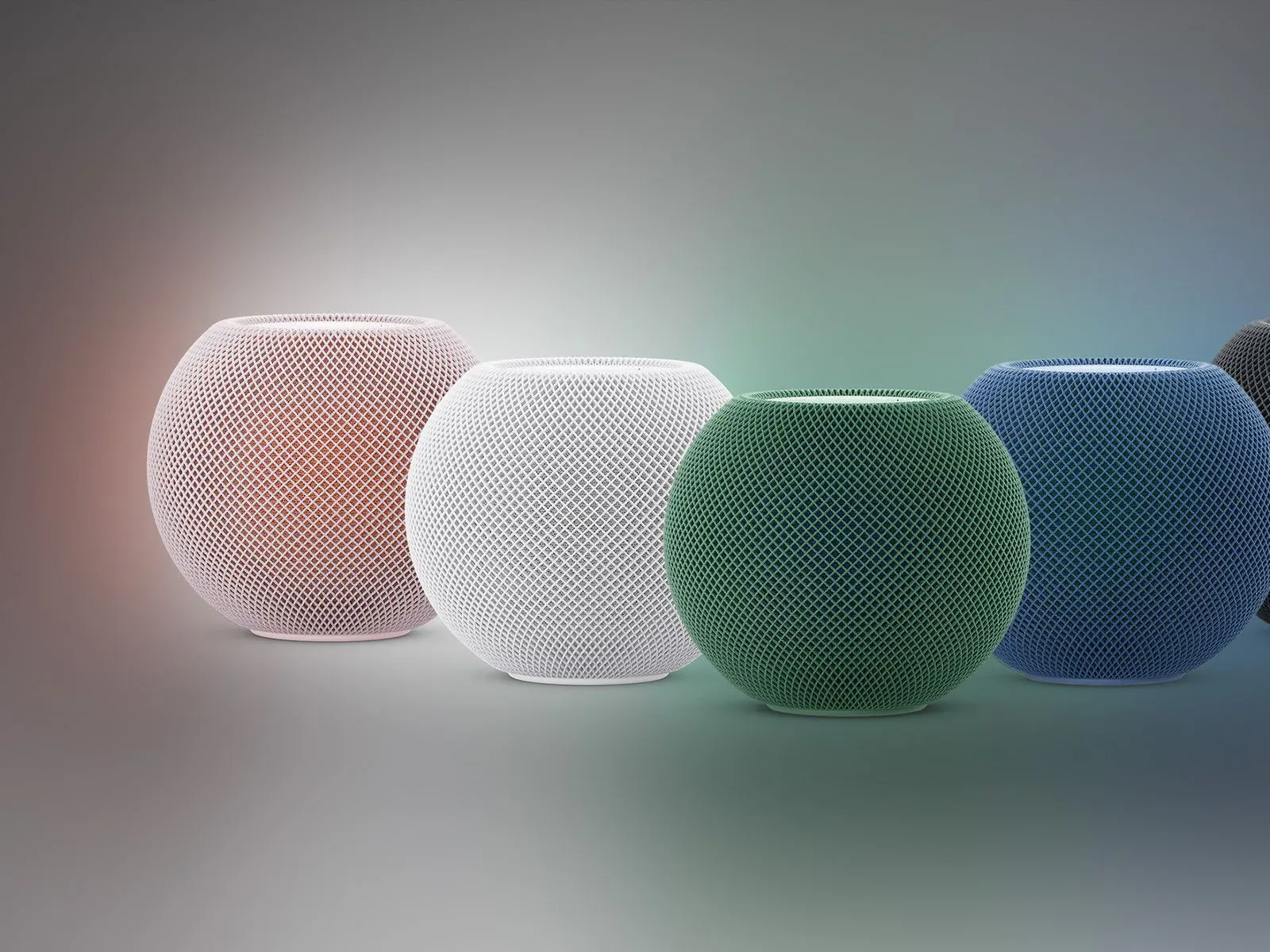
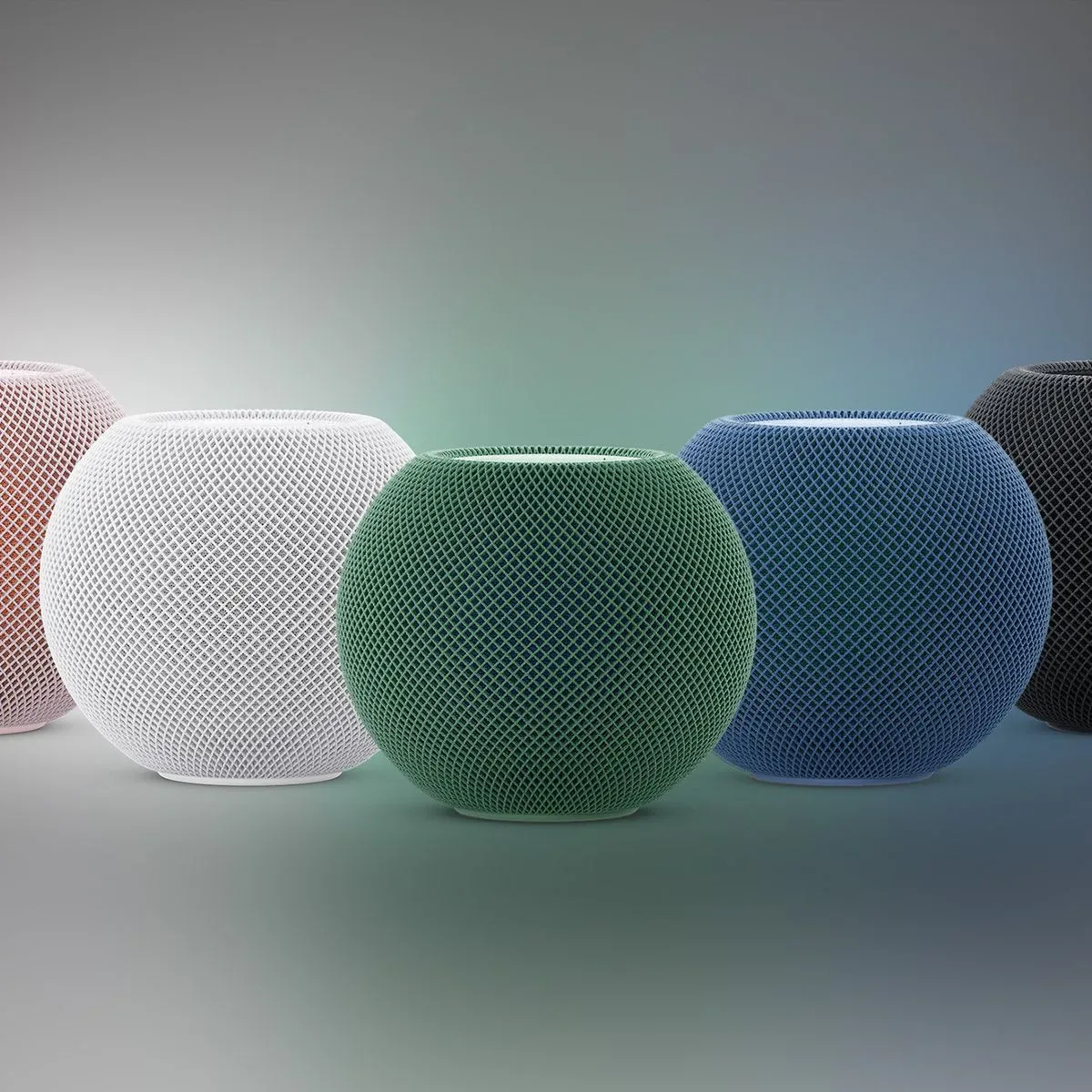
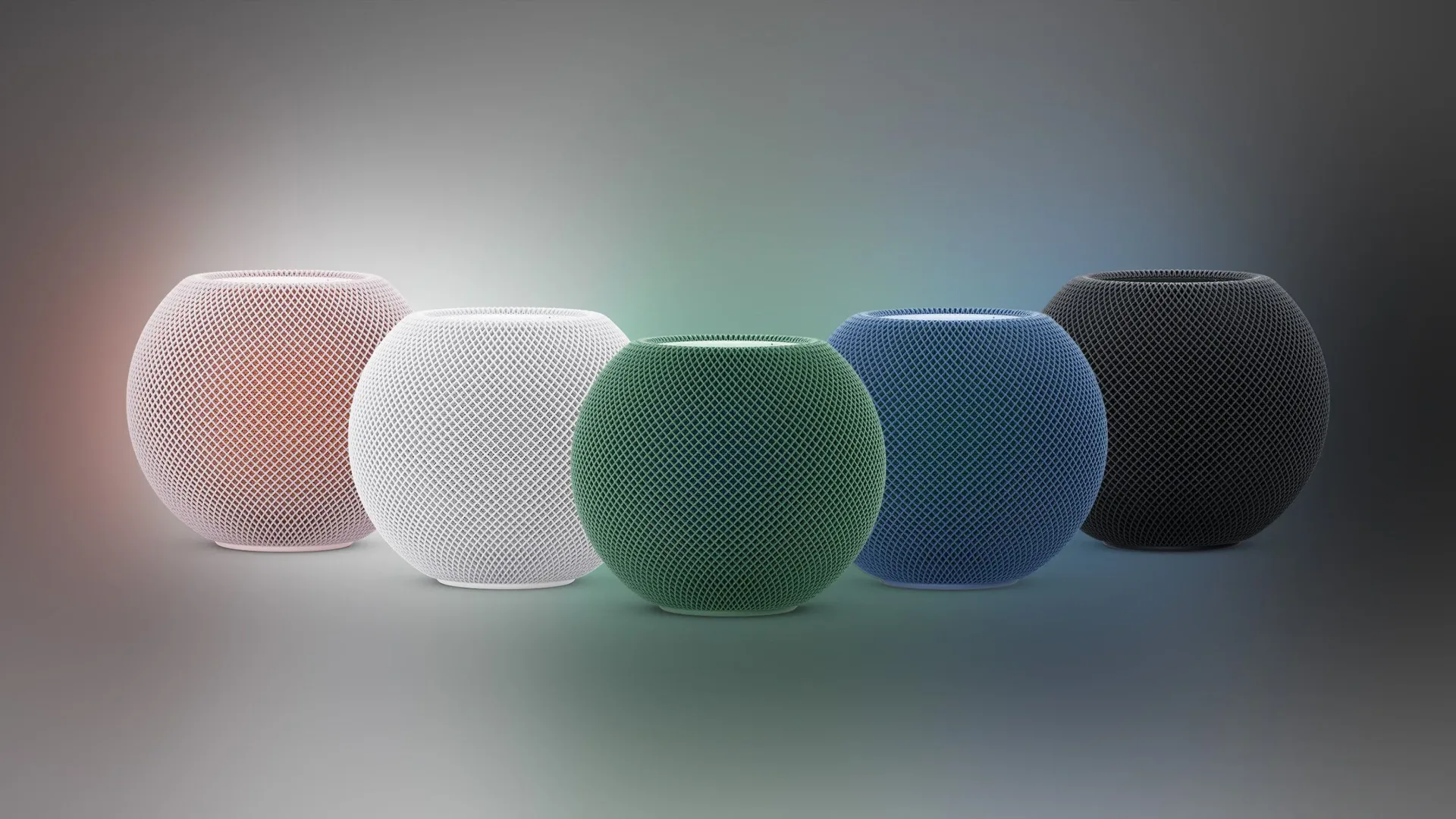
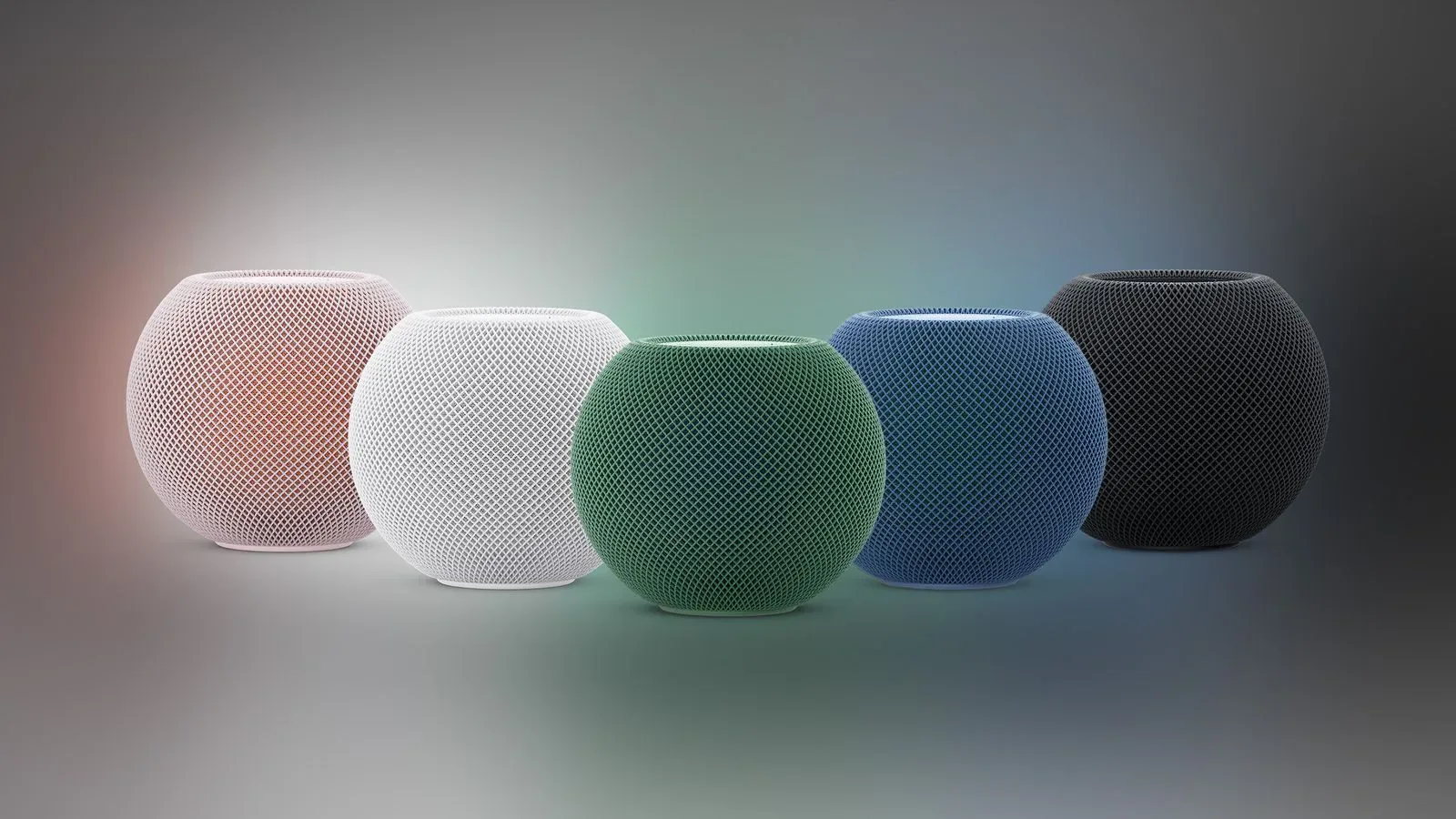
For people who use an Apple TV or HomePod as part of a connected-home setup, the important development is less about exterior redesigns. The new HomePod mini and Apple TV are expected to retain their current designs. Instead, the proposed upgrade is internal, with quicker chips intended to support Siri AI. The HomePod mini is also said to be getting additional finishes, including pink and green.
That makes October 13 a potentially meaningful moment for a category that often succeeds or fails on how well its devices work together. A smart-home product does not need to look radically different to change how a household uses it; a faster response, a more capable voice assistant or a better-organized central control point can matter more than a new shell.
What Apple is reportedly planning
The reported October 13 slate consists of three products:
- A smart home hub: a new device designed to act as a central point for smart-home interaction.
- A new HomePod mini: expected to keep the current compact-speaker design while gaining a faster chip, Siri AI support and new colors.
- A new Apple TV: likewise expected to retain its existing appearance but use a faster chip to support Siri AI.
Apple reportedly had originally intended all three products to arrive in 2024, but the launch was delayed. Siri AI is said to be the reason. That detail is consequential because it suggests the assistant experience is not a decorative extra being added after the fact; it may be central to why the devices are arriving when they are.
It also helps explain why two comparatively restrained refreshes could be grouped with a completely new category of device. A HomePod mini and Apple TV that look much the same but are equipped for new Siri functions could provide a more consistent experience around a home, while the hub could offer a dedicated place to interact with that system.
Why a smart home hub matters
A smart home hub is, in plain terms, a central interface for connected-home devices and routines. It can make it easier to view or control functions such as lighting, sensors and other compatible equipment without treating each product as an isolated gadget. The report does not establish the final feature list for Apple’s hub, so it would be premature to assume exactly what it will control or how it will be used. But its reported role naturally places it at the center of Apple’s smart-home plans.
That central role distinguishes it from the HomePod mini and Apple TV. The speaker is primarily a compact audio device with voice interaction, while the Apple TV is a television-connected box. Both can be useful touchpoints in a smart home, but neither is necessarily a purpose-built household control surface. A dedicated hub could give Apple a more direct way to present home information and commands in one place.
The larger strategy has reportedly been developing alongside a wider HomeKit push, as covered in this look at Apple’s reported HomeKit plans. HomeKit is Apple’s smart-home framework: the software and ecosystem layer through which compatible products can be organized and controlled. For users, the practical value of a framework like that is consistency. A connected home becomes easier to live with when the speaker, TV and central display do not feel as though they belong to separate systems.
Of course, a hub’s usefulness will depend on the final implementation, not merely its existence. A screen can make common controls more visible, but it also has to be quick enough to reach, clear enough for more than one person to use and meaningfully better than picking up a phone or issuing a voice command. The reported emphasis on Siri AI indicates Apple may see conversational control as an important part of that equation.
Siri AI is the reported centerpiece
The term Siri AI is the key phrase in the report, but it should not be treated as a full specification. The information available says the three devices are expected to showcase it and that faster chips in the new HomePod mini and Apple TV are intended to support it. It does not detail which requests Siri will handle, how the experience will differ from current behavior, or whether all capabilities will be identical across the three products.
Still, the hardware angle matters. A faster chip can provide additional headroom for more demanding software tasks, which is why a processor update can be relevant even when a device’s physical design stays the same. That is especially true for always-available home devices, where people tend to expect interactions to feel immediate and reliable rather than like another app waiting to load.
For a household, the appeal of a better assistant would be straightforward: commands should be easier to phrase, easier to understand and easier to trust. But those are outcomes to evaluate once Apple details the products, not promises that can be assumed now. The report supports the direction of travel—Siri AI across the hub, HomePod mini and Apple TV—not a verdict on how well it will work.
The delay also gives the Siri focus extra weight. The products were reportedly planned for 2024, then held back because of the AI work. When a shared software component affects timing across three devices, it signals an attempt to make an ecosystem-level change rather than simply attach an AI label to a launch.
The HomePod mini and Apple TV sound like familiar hardware with new priorities
The reported HomePod mini update is conservative in industrial-design terms. It is expected to preserve the existing design, receive a faster chip and arrive in new colors, with pink and green specifically mentioned. For buyers who already like the small speaker’s footprint, that means the refresh may be more about selecting a color and getting the new Siri AI-ready hardware than learning an entirely new product format.
Color options can matter in a room-focused product. Unlike a device that stays in a drawer, a compact speaker usually remains visible on a desk, shelf, counter or bedside table. Pink and green would give buyers more ways to match or deliberately contrast their space, while maintaining the recognizable HomePod mini shape.
The new Apple TV is also said to keep its present design while receiving a faster chip. That makes the update relevant to people who value the Apple TV’s role beyond straightforward video playback. As a TV-connected device, it is one of the most natural places for a shared assistant experience, since it sits in a communal room and is already associated with a display.
There is no reported price, performance figure, port change, remote revision or detailed account of Siri AI behavior for the new Apple TV. Those absences are worth keeping in view. Faster silicon is the reported change; anything more specific would be speculation. The same restraint applies to the HomePod mini: new colors and a faster chip are reported, but no claim has been made about sound changes, dimensions or other hardware revisions.
More hardware is reportedly waiting in the wings
The October products may be the next visible stage of Apple’s smart-home work, but they are not described as the end of it. An update to the larger HomePod is reportedly planned for a later date, meaning anyone specifically waiting for a full-size speaker should not assume it is part of the October 13 group. A separate report has likewise indicated that a new full-size HomePod remains in Apple’s plans but is not expected at this next reveal.
Apple is also said to be working on a privacy-focused home security camera and sensor. Its reported distinction is notable: it can detect which room a person is in without recording video. That is a very specific approach to the usual trade-off in smart-home sensing. The potential appeal is awareness of presence or room location without the continuous visual capture associated with a conventional camera, though no release date or fuller operating details have been provided.
There is also reportedly a higher-end version of the smart home hub in development. This version is said to combine a nine-inch display with a robotic arm capable of swiveling 360 degrees. That is a notably different proposition from a standard stationary display, but it is important to separate it from the October report: it is a product Apple continues to work on, not one identified as part of the October 13 trio.
A swiveling display could, in theory, change how a household display is positioned as people move through a room. Yet the report does not specify its controls, intended use cases, release window or final design. The meaningful confirmed distinction in the reporting is simply that Apple’s ambitions may extend beyond one fixed hub toward a more premium, movable display concept.
What to watch on October 13
If the reported event proceeds as described, the most useful details will be the ones that turn broad terms into practical information. Watch for a precise explanation of what the new hub does, how Siri AI functions across each device, and whether the hub, HomePod mini and Apple TV offer different versions of the experience.
It will also matter how Apple describes the relationship between the devices. The strongest case for releasing them together would be a coherent answer to a simple household question: when should someone talk to a speaker, use a TV interface or turn to a dedicated hub? Clear roles would make the lineup easier to understand. Overlap without a clear benefit would make a three-device smart-home pitch harder to parse.
For now, the reported plan points to a patient reset rather than a cosmetic reshuffle. The larger HomePod is apparently being saved for later, the security sensor and camera remains in development, and the robotic-arm hub is a more distant higher-end concept. The October lineup instead appears designed to establish a shared Siri AI foundation across a new central hub and two existing Apple home devices. Whether that foundation feels like a major step forward will depend on details that have not yet been announced.