Apple is reportedly preparing a broader push into the smart-home market, with HomeKit positioned for an expansion in both software scope and supported types of connected products. The reported work arrives alongside expectations of next-generation Apple TV and HomePod mini hardware, plus an all-new smart home hub.
Those products are said to be planned for introduction on Tuesday, October 13. The timing and the wider HomeKit plans remain reported rather than confirmed, so the most important detail for prospective buyers is uncertainty: Apple has not publicly laid out the final product list, feature set, compatibility rules or the precise new device categories involved.
What the reported HomeKit expansion means
HomeKit is Apple’s smart-home platform: the software framework that lets compatible connected devices work with Apple’s ecosystem. In practical terms, a platform such as HomeKit is meant to provide a common layer for controlling devices, organizing them within a home, and tying their operation to an assistant—in this case, the reportedly Siri AI-powered smart-home platform.
The key claim is not simply that Apple may be releasing more hardware. It is that the company is developing broader smart-home ecosystem software and intends to add support for new categories of connected products. That distinction matters. A new speaker or streaming box can be useful on its own, but a platform expansion concerns the relationships between many devices, including products made by other companies.
The report also says Apple is working with third-party manufacturers on new hardware designed for its Siri AI-powered smart-home setup. Third-party participation is especially significant in a connected-home ecosystem. A platform’s practical value depends less on a single screen, speaker or hub than on whether the products people already use—or want to add later—can fit into the same control system.
Apple TV, HomePod mini and a hub: three different roles
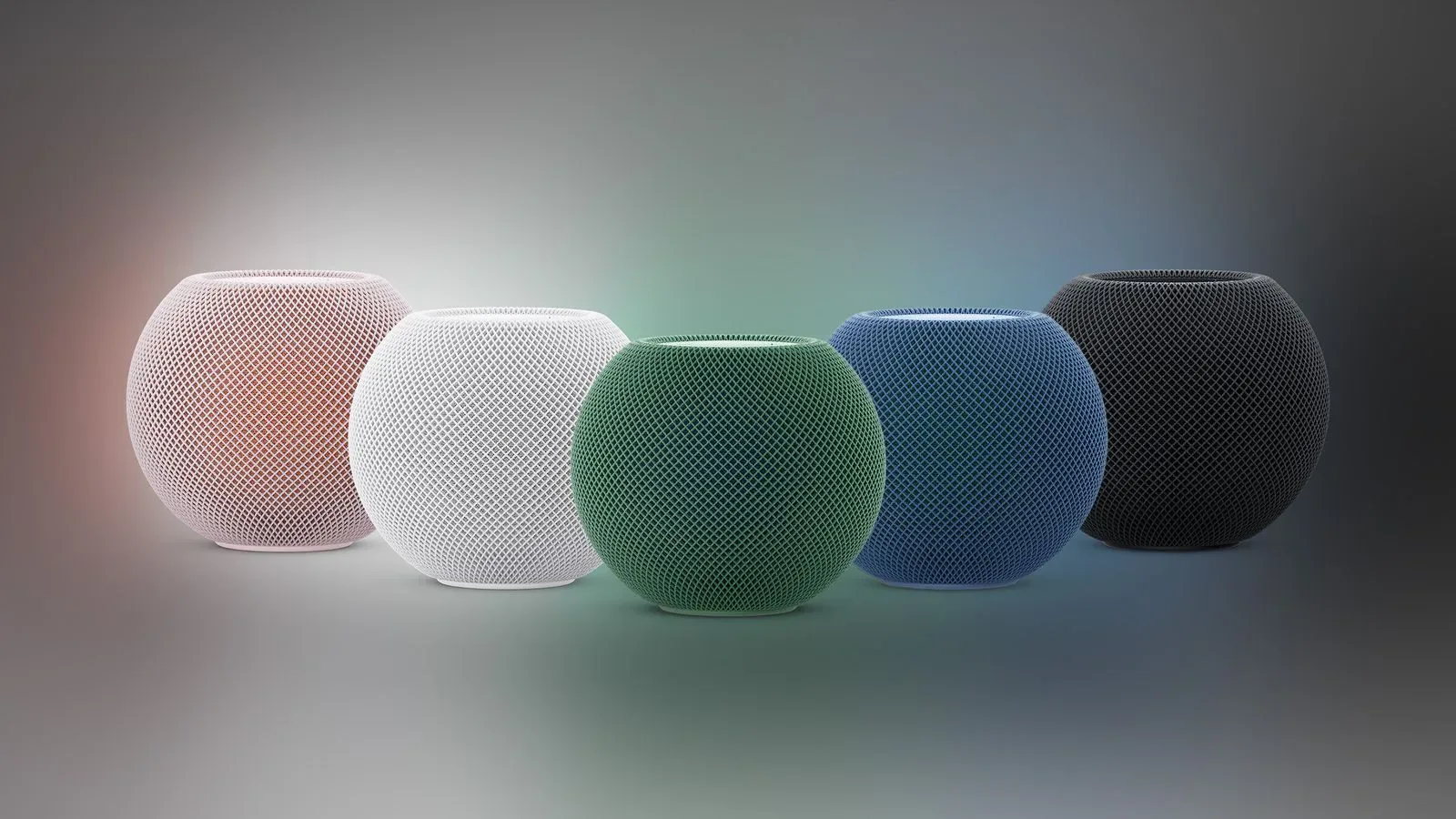
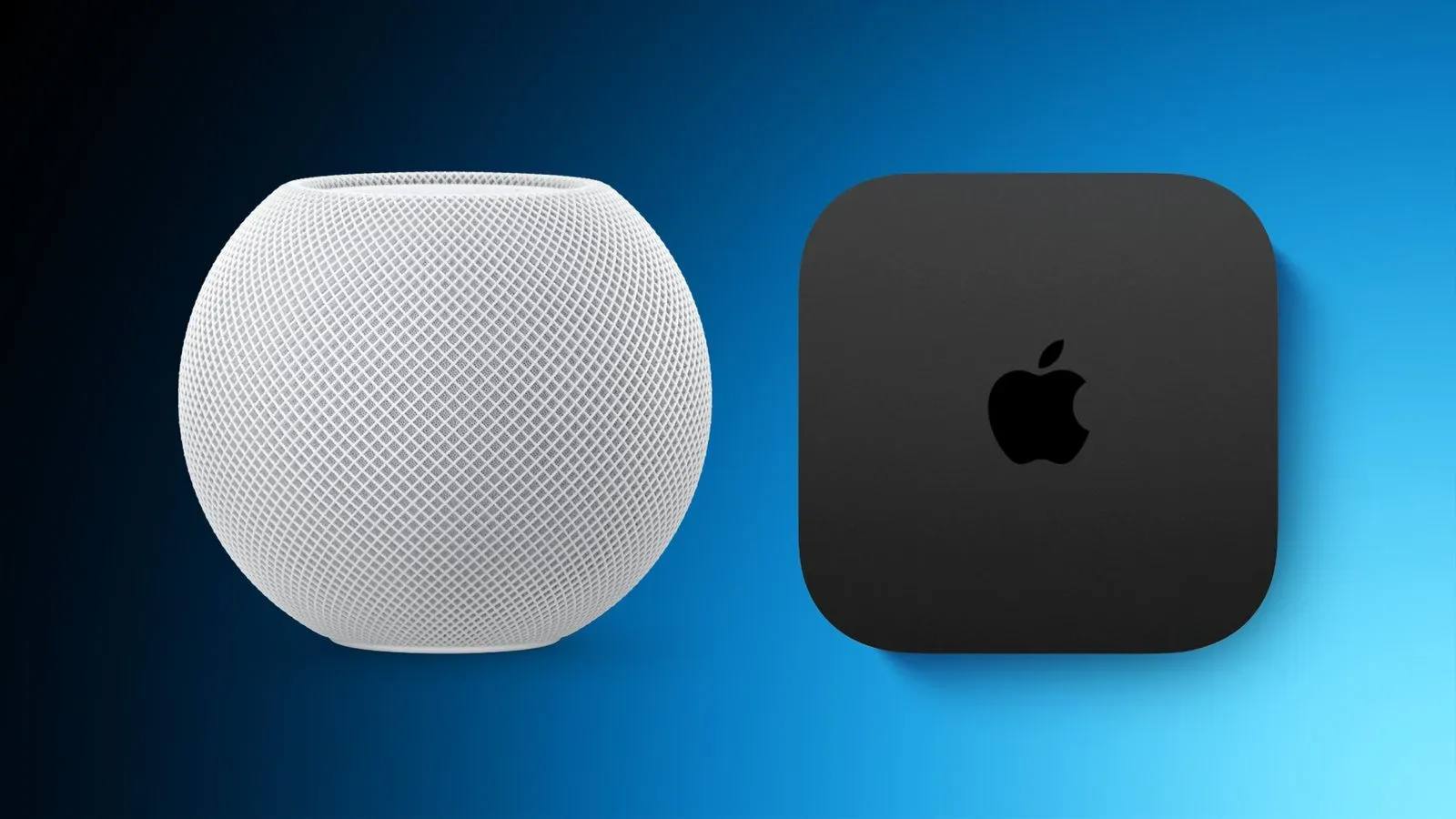
The reported lineup consists of next-generation Apple TV and HomePod mini models, along with an entirely new smart home hub. The available information does not describe their specifications or individual capabilities, but their names point to distinct places in Apple’s existing product ecosystem.
- Apple TV: Apple’s television-focused device. In a broader smart-home strategy, it could serve as a familiar living-room touchpoint for controls and status, though no new smart-home functions have been detailed.
- HomePod mini: Apple’s compact smart speaker. The report specifically connects the planned platform with Siri AI, making voice interaction an obvious area to watch, without establishing exactly what new Siri behavior may be included.
- Smart home hub: A hub generally refers to a central device for interacting with and coordinating smart-home products. Apple’s reported device is new, but its design, interface, price, launch status and supported accessories have not been specified.
It would be premature to assume that all three devices will perform identical duties, or that each will introduce the same HomeKit changes. The report establishes that they are associated with the wider push, not how Apple will divide features among them. That is an important difference for anyone trying to decide whether to wait for new hardware.
Why software breadth may matter more than another device
The smart-home market has a simple user-facing test: can a household make its devices feel less separate? Adding support for more categories could broaden the range of products that fit under Apple’s umbrella. Working with manufacturers could likewise determine whether the system becomes more flexible beyond Apple-branded hardware.
That does not mean every connected product will automatically gain support, nor does it establish compatibility with any particular brand or device class. The report does not name participating manufacturers or identify the categories Apple hopes to add. Readers should therefore separate the broad direction—expanding HomeKit—from unannounced details such as which products will work, when they will work, and whether existing gear will be affected.
The Siri AI element is also notable, but still undefined. “AI-powered” describes the reported direction of the platform, not a confirmed checklist of actions. It does not tell us whether Siri will gain new commands, better contextual understanding, new automation tools, or a different interface. Until Apple provides its own explanation, claims beyond that would be speculation.
Practical implications for households already using Apple devices
For people invested in Apple devices, the reported strategy suggests a potential effort to make the home a more prominent part of the company’s ecosystem. The combination of a TV device, a compact speaker and a dedicated hub could offer several entry points depending on where users spend time: the television, a room with a speaker, or a shared household control surface.
But there is no sound reason yet to replace existing equipment purely on the basis of these reports. There are no confirmed specifications, upgrade incentives, trade-in details, pricing, region information or compatibility commitments. Existing HomeKit users may want to watch for the official answers to a few straightforward questions:
- Which new connected-product categories, if any, are actually added?
- Which third-party manufacturers and devices are supported?
- Will new software features reach current Apple TV or HomePod mini owners?
- What does the new hub do that Apple’s other devices do not?
- How does Siri AI change everyday device control, if it does at all?
Those details will determine whether this is a modest refresh of Apple’s home experience or a more substantial attempt to make HomeKit a broader foundation for connected devices. A platform can become more appealing through expanded accessory choice, clearer central controls, or more useful voice interaction; the reporting indicates Apple is pursuing a wider ecosystem, but does not yet confirm which of those outcomes will arrive first.
What is known, and what remains unconfirmed
The reported facts are relatively focused: Apple is said to be revising HomeKit as part of a smart-home push; it is said to be building broader ecosystem software; it reportedly wants support for new connected-product categories; and it is reportedly collaborating with third-party manufacturers on devices for a Siri AI-powered smart-home platform. New Apple TV and HomePod mini models, as well as a new smart home hub, are reportedly set for an October 13 introduction.
Everything beyond that framework needs to remain clearly labeled as unknown. The report does not provide technical specifications, a name for the hub, a list of supported hardware, particular Siri features, or a statement from Apple. It also does not establish whether every element will ship at once or how broadly the new ecosystem software may reach older devices.
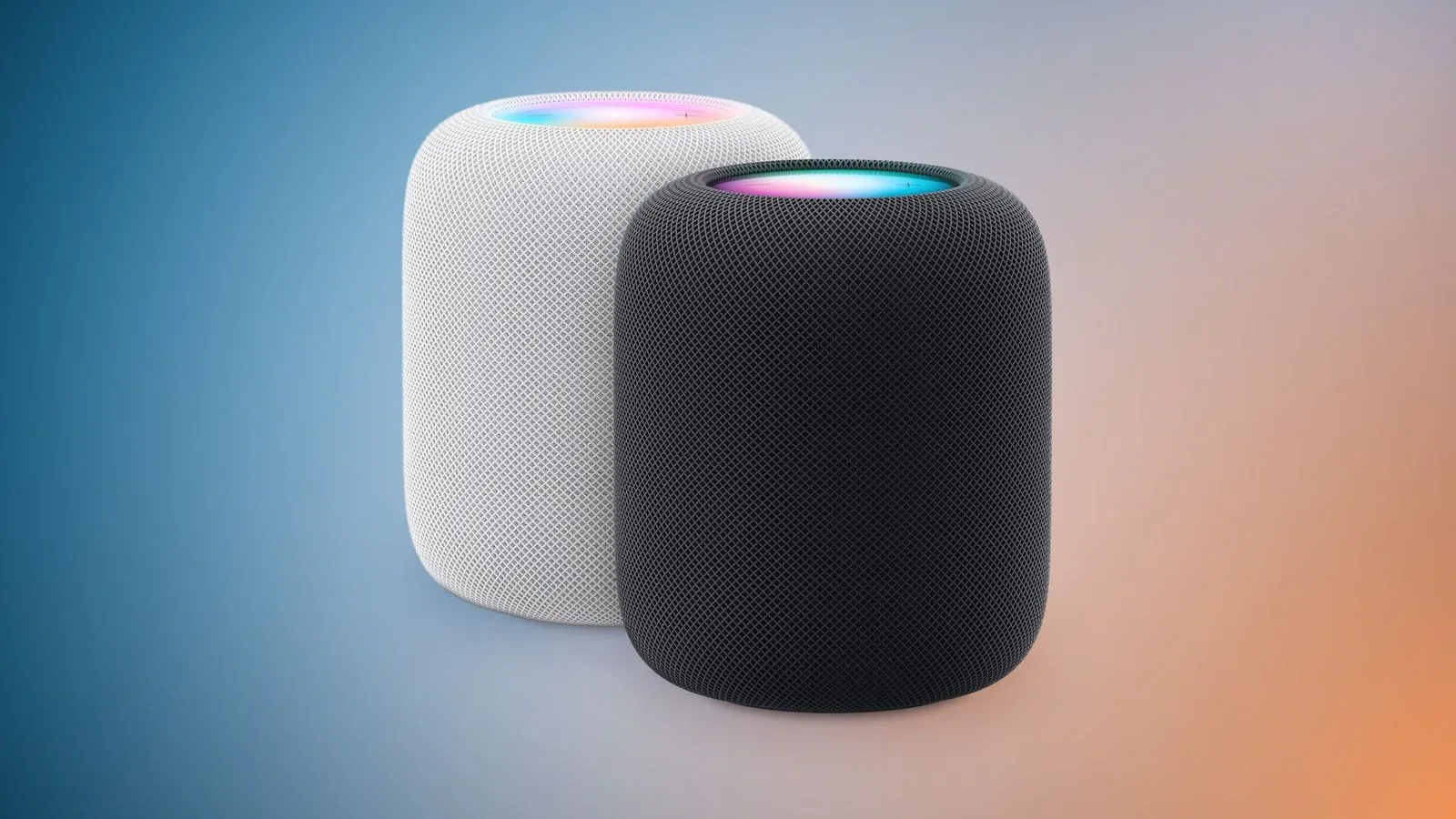
For additional context on Apple’s reported speaker roadmap, see the reported plans for a future full-size HomePod. That product is described separately from the expected next smart-home reveal, underscoring that Apple’s home lineup may be developing across more than one product cycle.
For now, the most meaningful takeaway is directional. Apple appears to be treating HomeKit as more than a background compatibility label, with an apparent plan to extend its reach through software, new hardware and manufacturer partnerships. Whether that translates into a meaningfully simpler smart home will depend on the details Apple has yet to disclose.