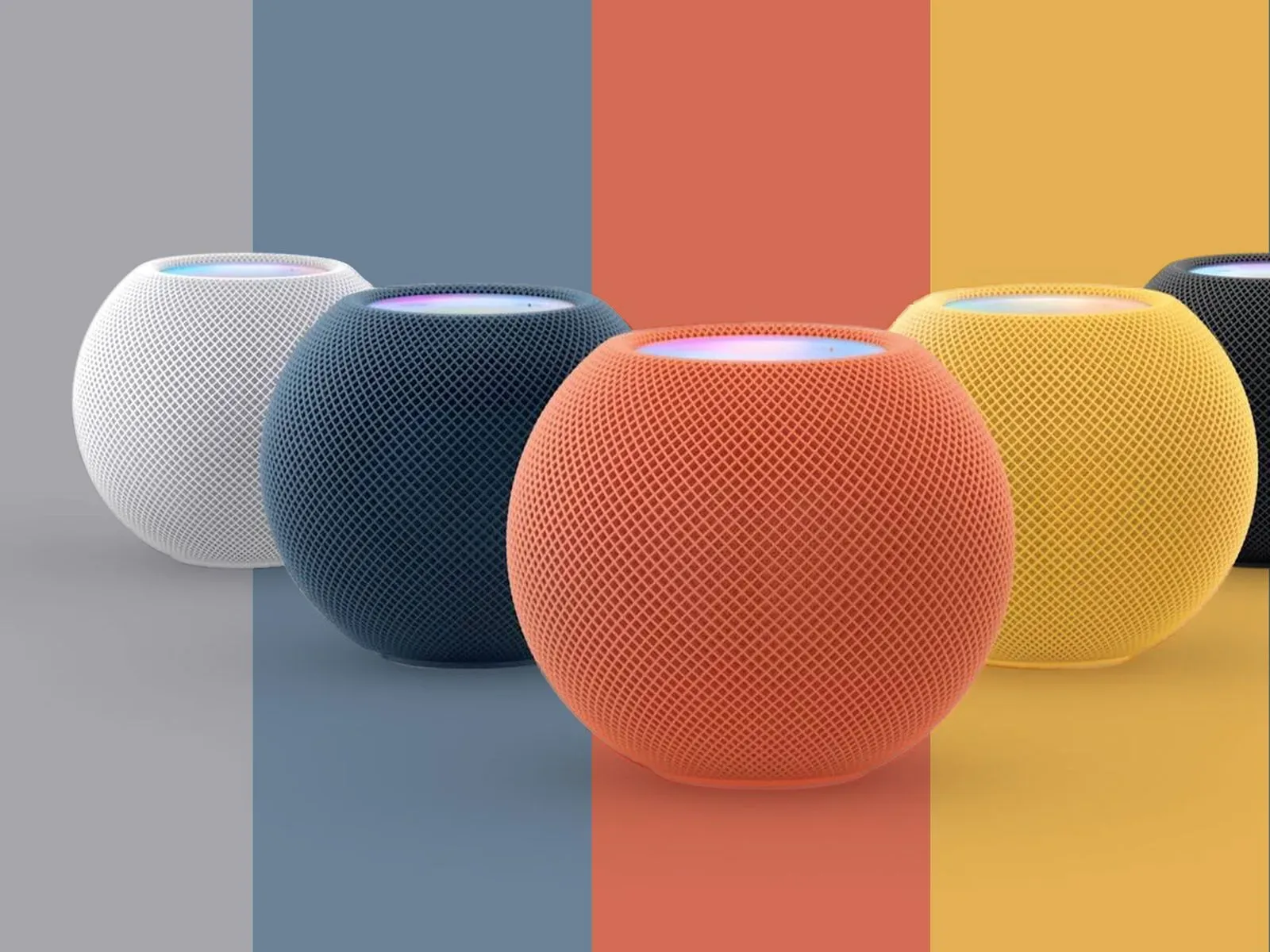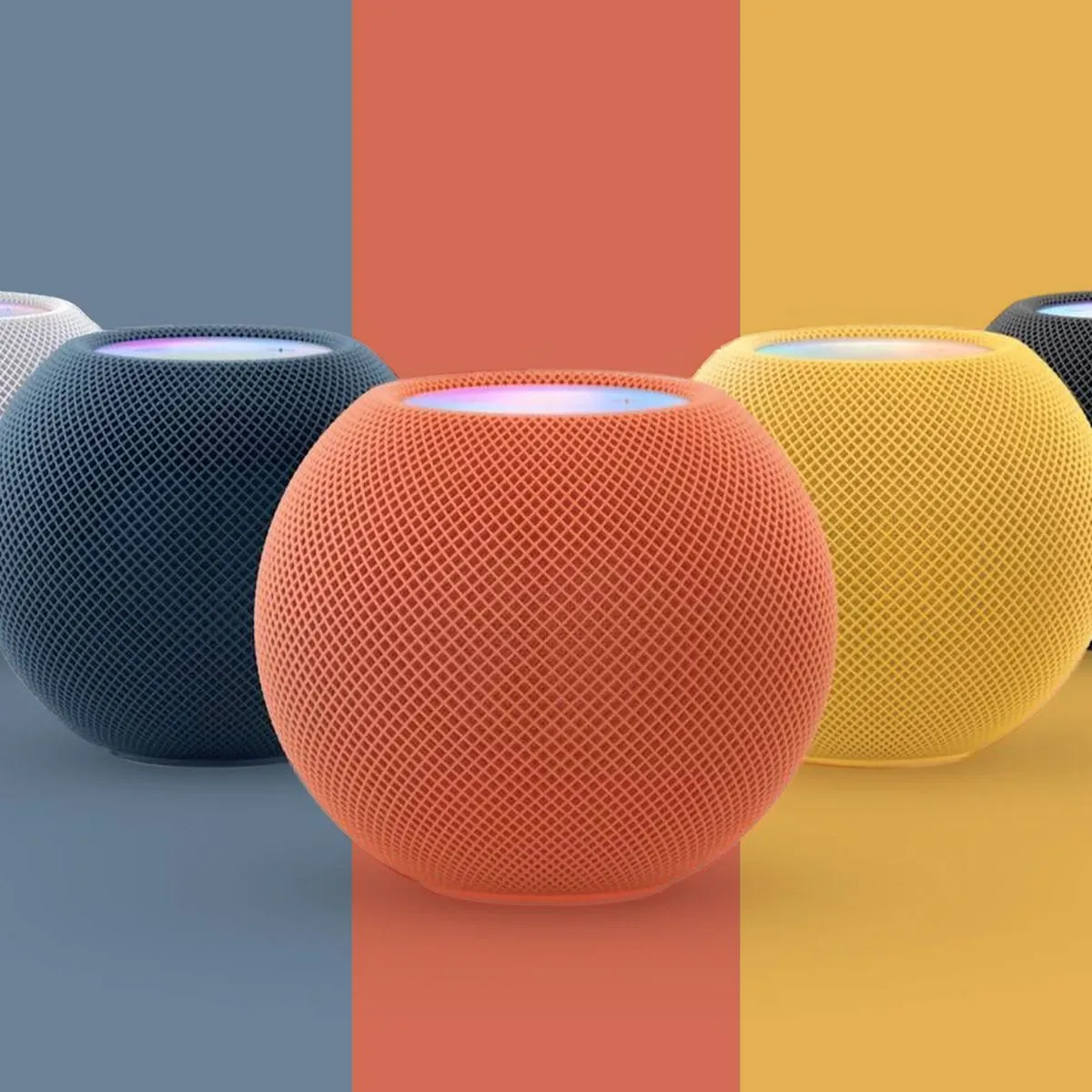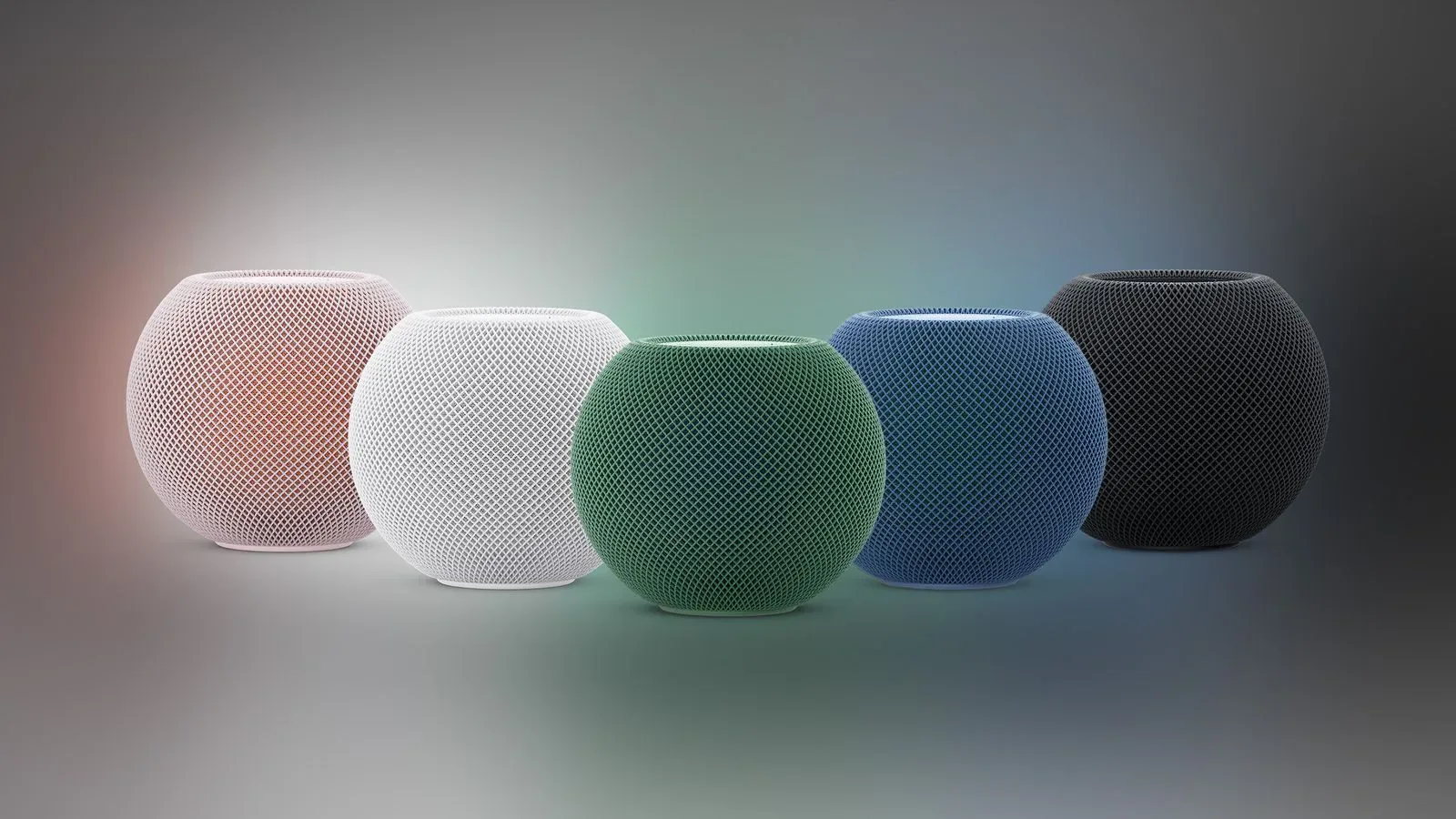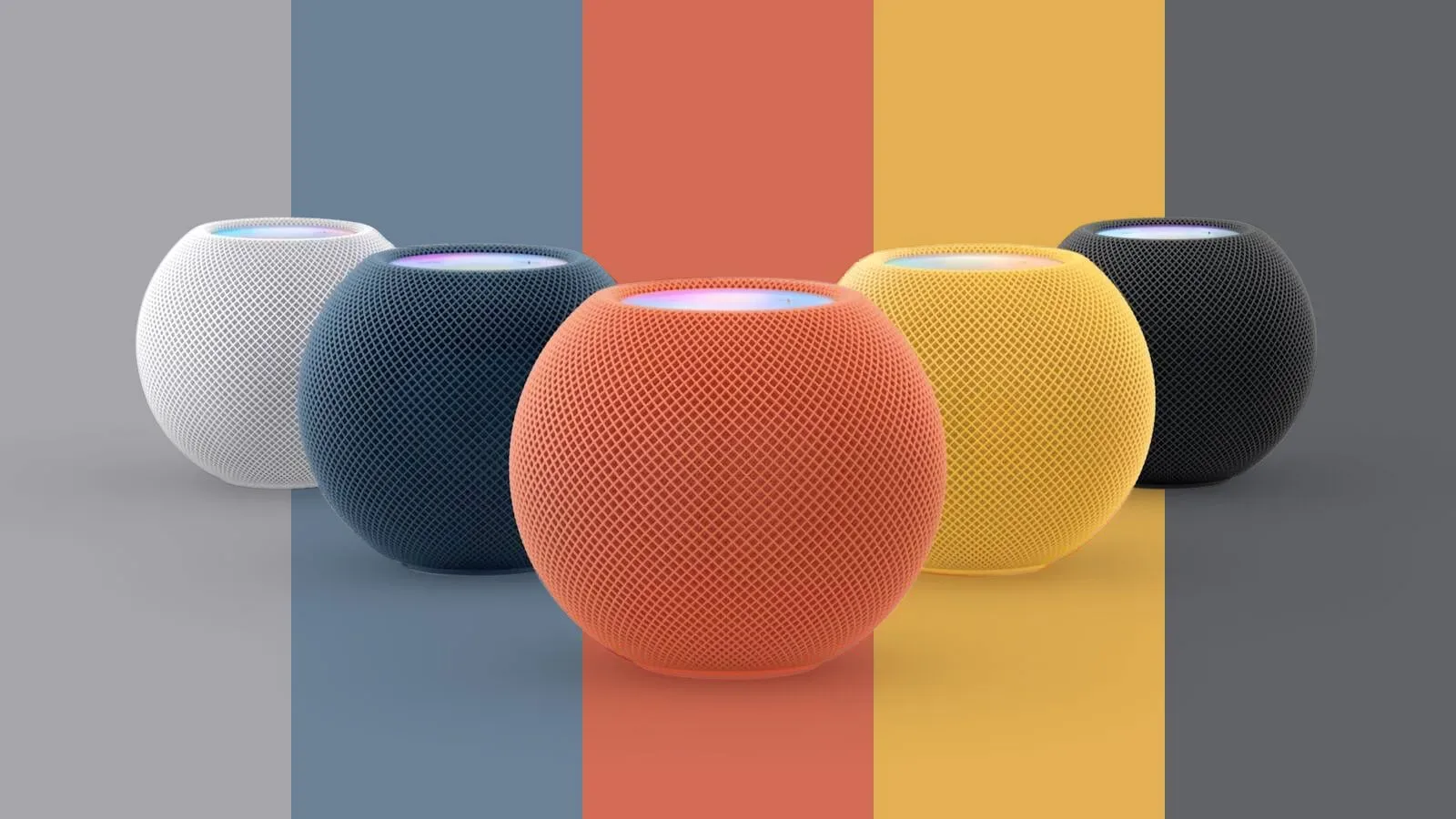
HomePod mini shoppers are running into unusually long delivery estimates in several countries, with waits reaching as much as six to eight weeks for certain colors. Some variants are unavailable for delivery altogether depending on the market and address. The timing is notable because a refreshed HomePod mini is rumored to be introduced on October 13, potentially alongside a new Apple TV 4K and a smart-home hub.
That is not confirmation of a replacement speaker. Store availability can move for plenty of reasons, and HomePod mini shortages have surfaced intermittently for more than a year. Still, a mix of missing colors and lengthening delivery windows across several regions is the kind of retail pattern that often attracts attention shortly before a product update.
Which HomePod mini colors are delayed?
Availability varies considerably by country, color, and—in the United States—ZIP code. The practical takeaway is that a HomePod mini may be readily available in one finish while another has no delivery option or requires a long wait.
- United States: Yellow and orange are unavailable for delivery to various ZIP codes. Blue and white show estimated delivery dates of October 14 through October 21, while midnight is estimated for October 12 through October 14.
- United Kingdom: Blue is unavailable for delivery. Yellow has a three-to-four-week shipping estimate, while orange is estimated at six to eight weeks.
- Germany, France, Australia, and Japan: Orange carries a six-to-eight-week shipping estimate.
- Canada: Yellow and orange are unavailable for delivery. Other colors generally ship within a few business days.
These are delivery and shipping estimates rather than a universal stock verdict. They can change by address, and they can change quickly. A long estimate for one color does not mean every HomePod mini is scarce, nor does it establish that a successor has been announced.
Why the delays matter now
The central point is the calendar. The longer waits arrive before the rumored October 13 introduction of a new HomePod mini, an updated Apple TV 4K, and a new smart-home hub. If that rumored event timing proves accurate, it would make sense for buyers to be wary of ordering a color that will not arrive for weeks—especially if their purchase is not urgent.
The reported next model, commonly referred to as the HomePod mini 2, is expected to keep the present design. The suggested changes are a faster chip, support for Apple Intelligence, and new color choices. Those details remain unconfirmed, including the product name, final specification list, launch timing, and whether all rumored products would arrive together.
A faster chip is straightforward hardware language: it means the processor inside the speaker would have more headroom for the software tasks it is asked to perform. In a smart speaker, that could be relevant to responsiveness and to supporting newer platform capabilities. However, the available information does not establish exactly how a new chip would affect sound, controls, smart-home functions, or existing HomePod mini owners.
Apple Intelligence is the other especially consequential rumor, because it describes Apple’s AI-focused features rather than a conventional cosmetic revision. The claim here should be treated cautiously. Support, if it arrives, could depend on hardware, software, region, language, and the eventual scope Apple gives a new HomePod mini. None of those implementation details are established by the current retail delays.
Stock signals are clues, not a launch announcement
It is tempting to treat a delayed product as proof that an updated version is days away. That conclusion goes too far. Shipping estimates are a retailer-facing signal: they show what can be fulfilled to a particular buyer at a particular time. They do not explain why supply is limited.
For an existing device with multiple colors, a patchy pattern is even harder to interpret. One finish may be temporarily unavailable while another remains available. The source material identifies repeated shortages over more than a year, which is an important counterweight to the current speculation. A recurring pattern can coincide with launches without predicting every individual launch.
That said, the multi-country nature of the orange delay makes the situation more interesting than a single local inventory hiccup. Orange is listed at six to eight weeks in the UK, Germany, France, Australia, and Japan, while Canada has no delivery availability for either orange or yellow. The U.S. picture is not identical: orange and yellow cannot be delivered to various ZIP codes, blue and white have later October estimates, and midnight is estimated to arrive sooner. The unevenness is exactly why availability should be read as supporting context rather than decisive evidence.
What current buyers can sensibly do
Anyone who needs a compact smart speaker now has a simple decision: choose the currently available color and accept that a future model remains unconfirmed, or wait for clearer information if the rumored upgrade is more important than immediate delivery. The appropriate choice depends less on speculation and more on how time-sensitive the purchase is.
- Check the estimate for your exact address. U.S. availability in particular can differ by ZIP code, so a general report of a delay is not a substitute for the estimate at checkout.
- Compare finishes rather than assuming the line is unavailable. Midnight is presently estimated sooner than blue or white in the U.S., while other countries show different color-specific constraints.
- Do not buy based on presumed specifications. A quicker chip, Apple Intelligence support, and new colors are all rumored characteristics of a possible replacement—not confirmed features of a product buyers can evaluate today.
- Consider waiting if a six-to-eight-week estimate is acceptable. With a rumored October 13 introduction near, waiting for official details may prevent a long delivery window from becoming an unnecessary commitment to the older model.
The same common-sense distinction applies to anyone building out an audio setup: a delivery estimate is not a performance comparison. If the goal is troubleshooting a console audio issue rather than adding a smart speaker, our guide on fixing distorted PS5 audio without replacing your setup addresses a separate problem with a more direct path to diagnosis.
What a design-retaining refresh would mean
The rumor that a second-generation model would retain the current design is significant because it suggests the proposed changes would be internal and platform-oriented rather than a visible reinvention. That can be useful context for prospective buyers who care about matching an existing HomePod mini setup: new colors are rumored, but there is no confirmed redesign described here.
It also means the decision may come down to capability rather than appearance. If Apple Intelligence support is a priority, waiting for an official product announcement and compatibility explanation would be the only dependable way to compare models. Conversely, if the current speaker’s design and presently available colors satisfy a buyer’s needs, a rumored refresh does not automatically make the current product unsuitable.
For now, the strongest verified development is logistical: selected HomePod mini colors have become harder or slower to obtain in a number of markets. The reported October 13 reveal and the expected feature set provide a plausible reason to watch the situation closely, but they remain rumors. Buyers facing the longest estimates have a practical reason to pause; buyers who need a speaker immediately should check their local color options rather than assuming every version is delayed.