The legal battle over Paramount’s proposed $111 billion merger with Warner Bros. is moving toward a two-day settlement conference at the end of October, even as a trial date remains set for March 2 in Oakland. Magistrate Judge Thomas Hixson will oversee the discussions, which are intended to explore whether the dispute can be resolved without taking the full antitrust case to trial.
That scheduling step is meaningful, but it should not be read as proof that an agreement is imminent. Settlement conferences are a routine component of civil litigation, particularly in a case with exceptionally large financial stakes, multiple state plaintiffs, and a transaction that could reshape major parts of the entertainment business. The court’s role here is to give both sides a structured setting to assess their positions, identify disputed terms, and determine whether a negotiated outcome is realistically possible.
For fans who follow the business machinery behind movies, TV, cable channels, and the broader pop-culture ecosystem, the case matters because the states challenging the deal say the combination would reduce competition in theatrical exhibition and basic cable. Those are not abstract markets: theatrical competition affects how films reach theaters, while basic cable remains a major route by which entertainment programming is packaged and distributed.
What the late-October conference does—and does not—mean
The parties were directed at a scheduling conference to submit dates, by the following Tuesday, that work for in-person settlement talks near the end of October. Judge Hixson’s assignment is to facilitate those conversations and evaluate whether there is a path around the scheduled March trial.
A court-supervised conference is not the only possible route to a deal. Paramount and the plaintiff states could settle before the October sessions, they could reach an agreement during the court process, or they could fail to agree and continue toward trial. Put more simply: late October is an important date on the legal calendar, not a merger-complete screen.
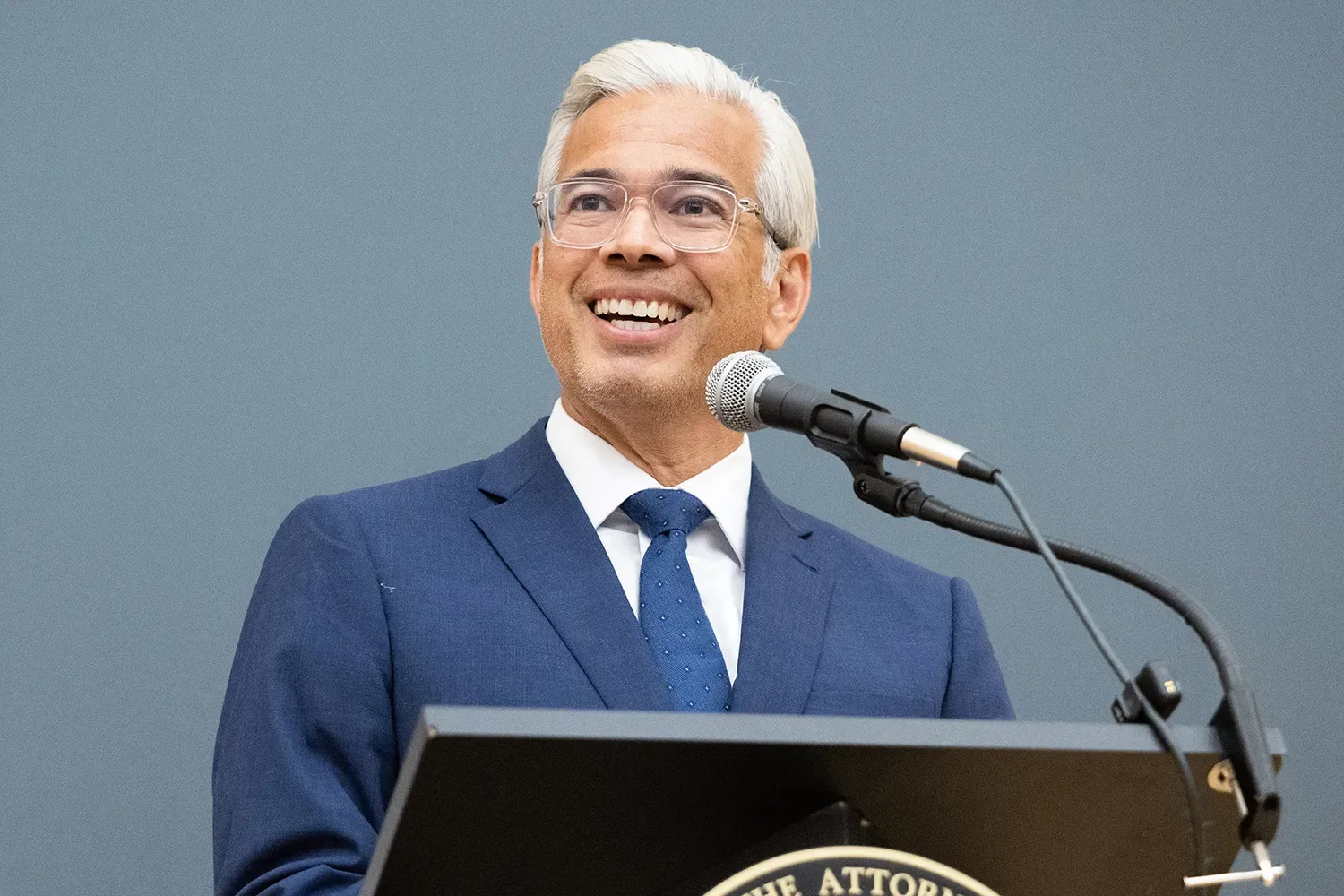
That distinction is especially important given the timing pressures surrounding the proposed transaction. Paramount has been seeking a settlement with California Attorney General Rob Bonta and had hoped to resolve the matter before October 1. On that date, Paramount is due to begin paying Warner Bros. shareholders a daily ticking fee of $7 million.
Ticking fees are designed to account for the costs and uncertainty of delays in a pending deal. Here, the figure makes every additional day expensive, raising the practical incentive to find a resolution. It does not, however, change the legal questions raised by the states or guarantee that California will accept a settlement on terms it views as inadequate.
California’s stated concern: structural remedies
California and 11 other states are challenging the merger on antitrust grounds. Their core allegation is that the $111 billion transaction would unlawfully diminish competition in theatrical and basic-cable markets. The case remains an allegation at this stage; the court has not yet issued a trial ruling on whether the merger would violate antitrust law.
Bonta has indicated that he is willing to consider a settlement, but has also said one would need to include robust structural remedies. In merger disputes, structural remedies generally mean changing the shape of the transaction or its resulting company—often through divestitures or separations of assets—rather than relying only on promises about future conduct.
The exact terms California would require have not been laid out publicly in the information available. Still, the emphasis on structural remedies signals that a simple pledge to behave differently after closing may not satisfy the state’s concerns. Any eventual deal could therefore turn on difficult questions about which assets, businesses, or rights would have to be separated, and whether such changes would adequately preserve competition in both markets identified by the states.
That is part of why the late-October process deserves attention without inviting premature predictions. Settlement discussions can be less about whether the parties want peace and more about whether they can agree on a remedy substantial enough for regulators while leaving the transaction acceptable to the companies involved.
An earlier round of talks fell apart
Settlement discussions had previously been expected on August 24. Bonta canceled those talks the night before, accusing Paramount of leaking details to the press. Paramount denied that accusation. Afterward, Paramount was described as becoming less public in its effort to pressure Bonta into a deal.
That episode adds a layer of procedural friction to a case already defined by clashing incentives. Trust matters in negotiation, particularly when the talks involve confidential proposals, commercially sensitive assets, and political as well as legal considerations. The court-led conference may offer a more disciplined environment for the parties to test potential compromises, although it cannot itself erase the disagreement over what happened in August.
The case also sits in a broader entertainment landscape where ownership, distribution, and corporate strategy can influence what audiences ultimately see and where they see it. That is why corporate litigation can become relevant to pop-culture followers even when there is no new trailer, casting report, or release-date shift attached to a court filing. The business side and the creative side are not the same thing, but they often meet at the distribution pipeline. For another look at the TV side of the entertainment conversation, see our coverage of the team behind Welcome to Derry and its return to 1935.
The March 2 trial date remains in place
Paramount has agreed through a stipulation not to close the merger before the trial. That trial is currently scheduled for March 2 in Oakland. The agreement to wait is a major element of the current timeline because it means the companies cannot simply finalize the transaction while the states’ challenge is still awaiting its day in court.
But the stipulation has become part of a separate fight about the financial consequences of delay. Paramount later asked the court to require the plaintiffs to post a $1.88 billion bond. The company’s request is aimed at covering the costs associated with a delay if the transaction is ultimately approved.
The states oppose that request. Their position is that Paramount is trying to walk back the agreement it made to refrain from closing without requiring a bond. A hearing on Paramount’s bond request is scheduled for September 24.
That hearing is distinct from the October settlement conference, but both matters reflect the same pressure point: time. Paramount faces the upcoming $7 million-per-day ticking fee, while the state plaintiffs are seeking to pursue their antitrust challenge without taking on what they view as an improper financial burden. The court will have to address the bond dispute on its own legal merits, rather than simply treating the cost of delay as a reason to decide the merger challenge early.
Dates to watch in the merger fight
- September 24: A hearing is scheduled on Paramount’s request that the states post a $1.88 billion bond.
- October 1: Paramount is scheduled to begin paying Warner Bros. shareholders a $7 million daily ticking fee.
- Late October: The court plans to hold a two-day, in-person settlement conference overseen by Magistrate Judge Thomas Hixson.
- March 2: The antitrust trial is currently scheduled to begin in Oakland if the case is not resolved beforehand.
For now, none of those dates settles the larger question of whether Paramount and Warner Bros. can complete their proposed merger. The October conference creates a formal opportunity for compromise, while the September bond hearing and the ticking-fee deadline add urgency around the edges. Yet the crucial gap remains the remedy question: California has said it is open to settlement only with sufficiently strong structural changes, and the parties have not publicly shown that they have bridged that divide.
Until they do, the March 2 trial remains the key backstop. The court’s late-October sessions may narrow the conflict or produce an agreement, but they may also simply clarify how far apart the sides remain before the case moves toward its scheduled courtroom showdown.