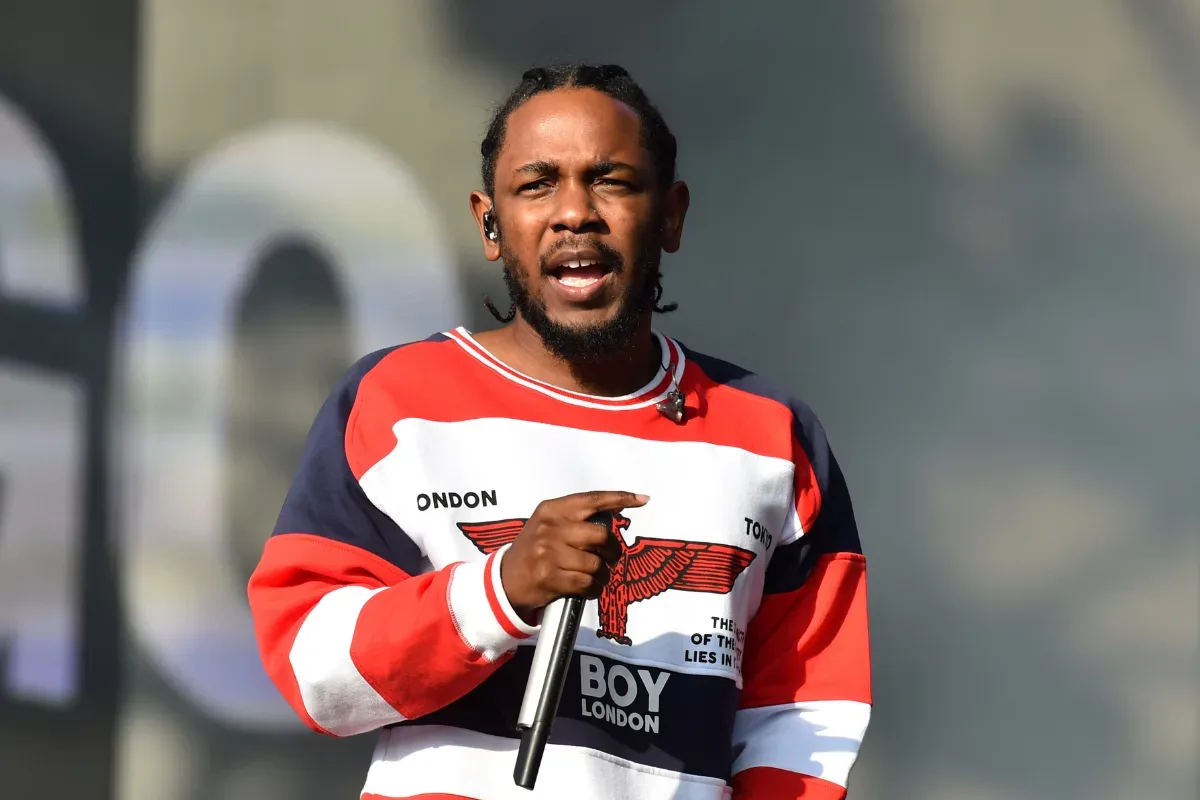
Kendrick Lamar’s untitled Paramount comedy remains without a release date after a series of scheduling changes that have taken it from a planned July 4, 2025 opening to March 20, 2026, and then completely off the studio calendar. The project, reportedly known internally as Whitney Springs, has become an unusually high-profile question mark: a film backed by major names, carrying a reported nine-figure commitment, and built around subject matter that leaves little room for a casual rollout.
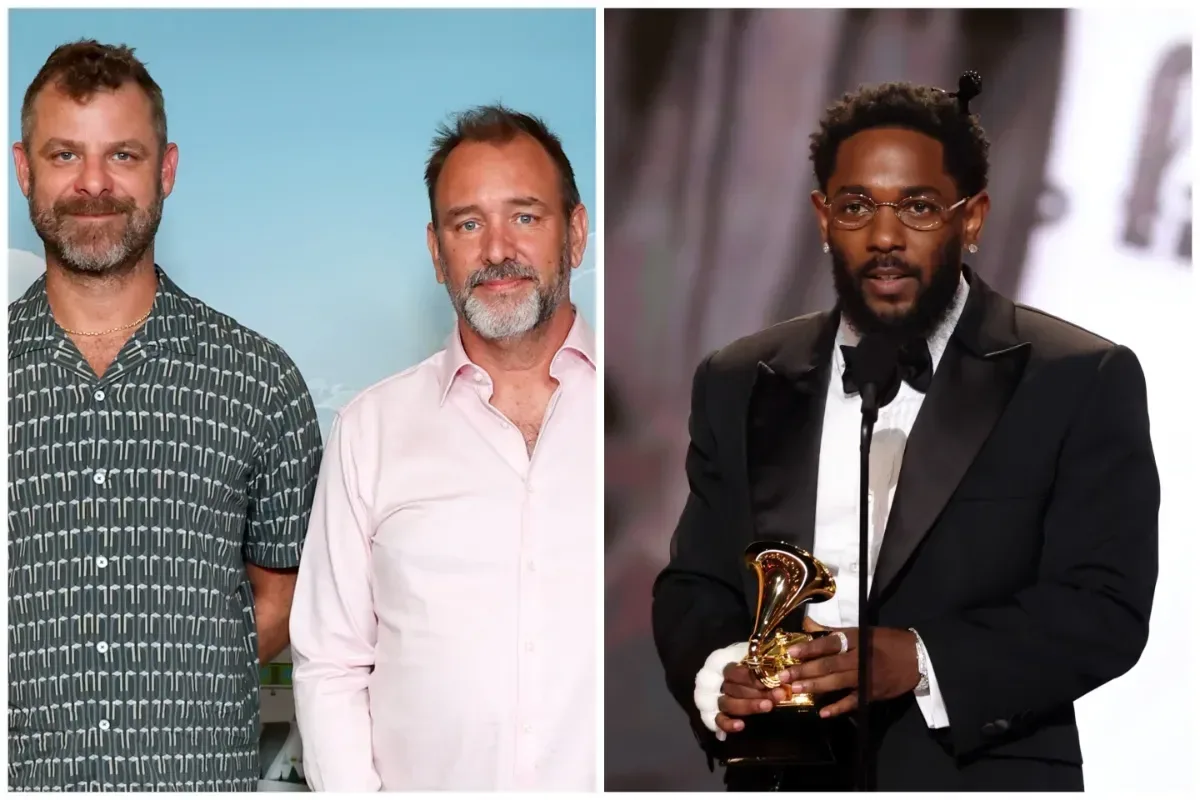
What is clear is that the movie has not been publicly cancelled. What is not clear is when—or in what form—audiences may see it. The absence of a date should not be mistaken for confirmation that the film is permanently shelved, but it does mean the former release plans are no longer operative. For a production involving Lamar, his pgLang partner Dave Free, Trey Parker, Matt Stone, and Paramount, that is a significant change from the confident early positioning around the project.
A sharp premise with an intentionally difficult setting
The comedy centers on a young Black re-enactor employed at a historical plantation museum in the Midwest. His conflict is with the town’s racist and hypocritical mayor, a role reported to be played by Parker. That premise situates the movie in the uncomfortable territory of public history, institutional racism, local power, and satire—subjects that can support pointed comedy but also demand a clear creative target.
The available description suggests the film is not simply using the setting as window dressing. A museum dedicated to a plantation-era past, coupled with a character who performs history for visitors, creates an obvious tension between what a community chooses to memorialize and who is expected to carry the burden of that performance. Adding a mayor whose racism is framed as hypocritical makes the political and social conflict central to the setup.
That combination also helps explain why the film has drawn attention long before a trailer, title, or final date has been made public. Satire about slavery and its legacy is inherently sensitive, and a project’s tone, casting, editing, and marketing would all matter enormously in communicating what exactly is being criticized. At this stage, though, viewers have not been given material that would allow them to judge the finished film’s approach for themselves.
How the project reached this point
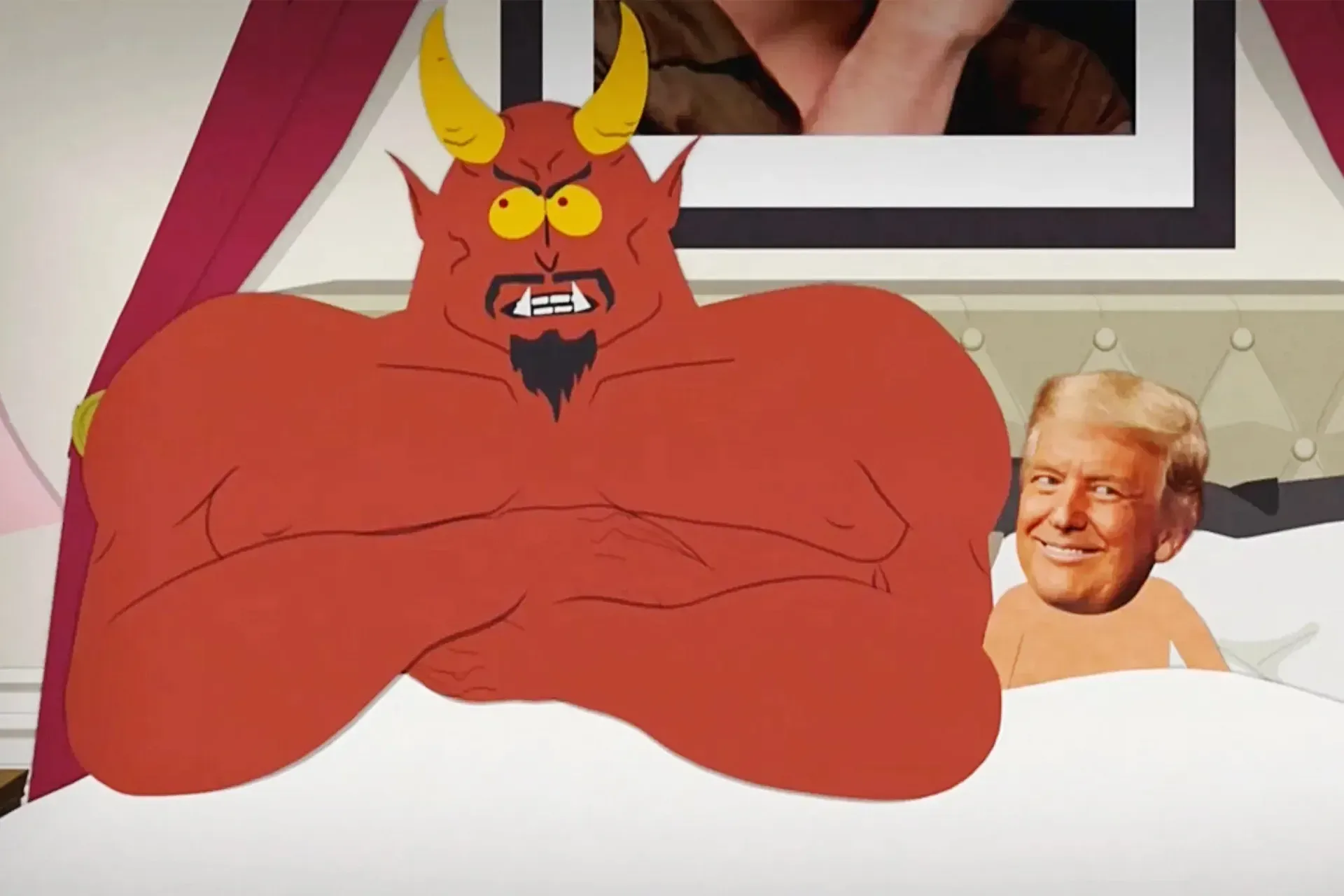
Paramount acquired the script in January 2022. It was written by Vernon Chatman, whose television work includes South Park. The creative arrangement paired Parker as director with Stone as producer, while Lamar and Free came aboard as producers through pgLang. Lamar was also expected to contribute original, unreleased music.
By CinemaCon 2024, the script had received a notably enthusiastic public endorsement from Brian Robbins, then the head of Paramount Pictures. Robbins described it as among the funniest and most original scripts the studio had read. That praise established a high expectation for a film that, even then, had an unconventional collection of collaborators: a Pulitzer-winning rapper and entrepreneur, the creators behind a long-running animated satire institution, and a screenwriter known for deliberately strange and confrontational comedy.
The release calendar subsequently became much less settled. The initial July 4, 2025 date placed the movie in a major holiday corridor, one often reserved for films with substantial commercial ambitions. It was later moved to March 20, 2026. In November, the film was removed from the schedule entirely without a stated release replacement.
Related coverage includes Kendrick Lamar’s Paramount Film Remains Off Schedule.
A missing date does not automatically explain the reason for the delay. Films can leave release calendars because of post-production work, changing distribution strategies, marketing considerations, broader corporate priorities, or a need for more time on the underlying cut. In this case, reports have pointed to difficulties with early versions of the movie, but the public has not received a detailed accounting of the production’s status or a newly announced plan.
Parker and Stone address the delay
Parker and Stone have issued a statement accepting responsibility for the schedule change. They apologized to pgLang and Paramount, said that South Park and personal circumstances had interfered with progress, and maintained that they still believe in the film.
“We take full responsibility for the schedule delay of this movie,” Parker and Stone said. “We apologize to our partners at pgLang and Paramount and we appreciate their patience.”
The wording is important because it supplies the clearest direct explanation from the filmmaking side. Rather than framing the issue as a dispute over the concept or placing the responsibility on the studio, the pair pointed to competing obligations and life circumstances. It is still a narrow explanation, and it does not answer questions about the current edit, the remaining work, or a revised release target. But it establishes that the delay is being owned by the project’s key creative team.
That acknowledgement also arrives while Parker and Stone remain responsible for South Park, a demanding and highly visible franchise. Their involvement in an ambitious live-action feature was always likely to invite questions about bandwidth. The film’s reported scale adds another layer: schedule slippage on a large production can affect not only post-production planning but also a studio’s marketing, exhibition, and financial expectations.
The reported budget is a major part of the story
Reports have described a wide range for the cost of the comedy, placing the budget somewhere between $70 million and $150 million. That gap itself signals uncertainty; without official figures, it is not possible to settle on one definitive production cost. Still, the reporting consistently presents the project as an expensive one, especially for an original, live-action satire without an established movie franchise title attached.
Paramount is reported to have committed more than $100 million through a negative-pickup arrangement. In broad terms, a negative pickup means a distributor agrees to acquire a completed production under agreed conditions, rather than necessarily controlling every aspect of production in the same way as a conventional in-house studio film. The reported deal structure has been described as allowing the creators to retain money left over from the budget.
That financial structure makes the project’s uncertain timetable especially notable, although many of the behind-the-scenes details remain unconfirmed publicly. The more expensive a film becomes, the higher the stakes attached to refining it, deciding its release window, and ensuring that its campaign accurately conveys a complicated comedic premise. A title with Lamar’s original music and the Parker-Stone creative association would carry substantial recognition, but recognition alone does not simplify the task of selling a provocative historical satire to a broad audience.
It is also worth separating reported production concerns from definitive claims about the finished movie. Accounts have characterized early cuts as rough, but no public cut has been released for viewers to assess. Early versions of films routinely change; the existence of a rough early cut, if accurately characterized, is not in itself a final verdict on a work that has no confirmed premiere date.
Why the missing date matters beyond one film
The situation lands during a turbulent period for Paramount’s larger corporate business. The company is reported to be facing challenges from 12 state attorneys general related to David Ellison’s proposed $111 billion acquisition of Warner Bros. Discovery. That broader context does not establish a direct cause for the comedy’s delay, and the film’s scheduling problems should not be collapsed into a separate acquisition fight. It does, however, underline why every sizeable commitment on a studio slate can attract added scrutiny.
For Lamar and pgLang, the film is a rare expansion of their screen ambitions into a large studio feature with music specifically created for the project. For Parker and Stone, it represents a live-action directing effort outside the format most associated with their careers. For Paramount, it is an original film with star power but a deliberately challenging premise. Those are all reasons the project’s eventual outcome may matter even if it never becomes a conventional blockbuster-style release story.
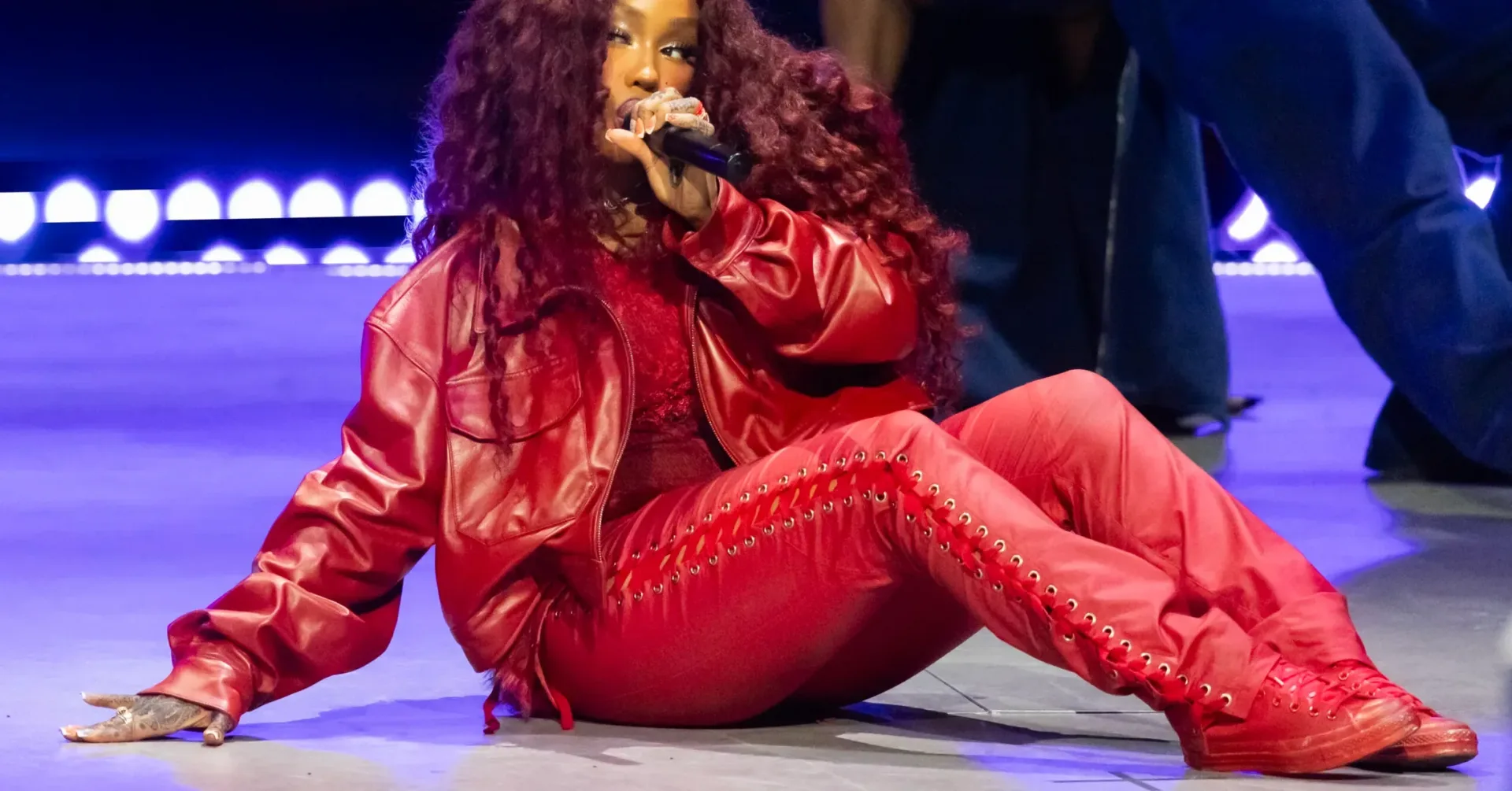
Until a new date, title, trailer, or fuller production update appears, the most accurate description is simple: the comedy remains off schedule, its previously announced dates have passed or been withdrawn, and its creators say they remain committed to completing it. Fans following Lamar’s work beyond music can also keep an eye on how pop culture projects turn personal creative identity into a broader public-facing product, as seen in SZA’s VANSZA collection.
What has been reported so far
- Paramount acquired Vernon Chatman’s script in January 2022.
- The film was first set for July 4, 2025, then moved to March 20, 2026.
- It was removed from Paramount’s release calendar in November without a replacement date.
- Parker is directing and reportedly plays the mayor; Stone is producing.
- Lamar and Dave Free are producing, and Lamar’s original unreleased music is part of the project.
- Reported budget estimates vary widely, from roughly $70 million to $150 million.
- Parker and Stone have publicly accepted responsibility for the delay while saying they still believe in the movie.