For decades, IMDb has operated as one of entertainment’s most recognizable reference points: a place to connect a performer with a film, a director with a television episode, or a production with the people credited on it. That framework is now widening to include a growing part of the entertainment business that has often lived beside traditional screen credits rather than neatly inside them.
IMDb and IMDbPro have added Digital Creator as a professional category. The new designation is intended for creators working across film, television, streaming and branded entertainment, and it arrives with more specialized labels for the many ways online entertainment is actually made. Those sub-professions include Streamer, Vlogger, Video Essayist, Video Creator, Gaming Creator and Influencer.
It is an overdue bit of database housekeeping for a media landscape in which a gaming livestream can launch a career, a video essay can build a loyal audience around criticism and analysis, and a creator-led series can sit next to conventional television on a major streaming service. The internet did not wait for a tidy job title before becoming part of the entertainment pipeline. IMDb is now making room for that reality in its professional structure.
A profile category for work that does not always fit a screen-credit template
Digital creators have appeared on IMDb before. Jimmy Donaldson, better known as MrBeast, is one prominent example, with work that extends into larger-scale entertainment projects including the Prime Video reality series Beast Games. But being listed because of a particular production is different from having a professional category built to describe creator work itself.
The Digital Creator label gives eligible people a way to identify their work in a more direct fashion. That distinction matters because creators frequently move between formats that do not map perfectly to older categories. A person may publish game streams, host interview videos, make comedic shorts, produce sponsored campaigns, appear as on-screen talent and develop television projects—all while the most meaningful throughline is that they are a creator with an audience and a body of online work.
IMDb says the category is designed to help creators represent that work, connect with viewers and industry peers, and become easier for potential employers to find. In a business where discovery is a full-time side quest, a standardized professional identity can make a profile more useful to producers, casting personnel, studio leaders, brands and representatives.
The subcategories are broad enough to recognize several distinct corners of creator culture:
- Streamer covers creators whose work is centered on live online broadcasts.
- Vlogger reflects personality-led and day-to-day video publishing.
- Video Essayist creates space for research, commentary, criticism and long-form analysis.
- Video Creator functions as a wider label for online video production.
- Gaming Creator identifies people making content around games, whether that means playthroughs, commentary, challenges, guides or related formats.
- Influencer acknowledges creators whose audience reach and commercial partnerships are central to their professional work.
Those categories will not solve every taxonomy debate on the internet—few things can—but they do recognize that “content creator” is no longer merely a vague catchall. It encompasses different skills, formats, communities and career paths.
Gaming creators have a particularly clear reason to care
For the game world, the Gaming Creator option is the most immediately notable part of the rollout. Video games have long had a complicated relationship with entertainment databases. Games are creative productions with casts, writers, composers, developers and communities, yet the people who help audiences discover, understand and keep talking about those games often work outside conventional credit systems.
Gaming creators can have a major impact on a game’s visibility without being employees of its developer or publisher. They may specialize in strategy explainers, speedrunning, hardware analysis, lore breakdowns, tournament coverage, mod showcases, retro-game preservation discussion or live community events. Some transition into hosting, acting, voice work, consulting, production or branded entertainment. Others remain independent while still operating at a scale that attracts publishers and entertainment companies.
A dedicated category does not transform every creator into a studio executive’s must-have contact overnight. It does, however, provide a common professional marker in a database used across entertainment. That can be especially helpful for creators who work in several lanes and want their profile to reflect more than one recognizable production credit.
The move also lands during a period when gaming’s entertainment footprint remains unusually wide. Old and new games alike are becoming material for adaptations, documentaries, social video and community-driven media. Even major franchises have to compete for attention in a crowded feed. As the industry looks for voices that can explain and spotlight games to specific audiences, a searchable Gaming Creator category is a practical acknowledgement that creator work is part of the larger ecosystem.
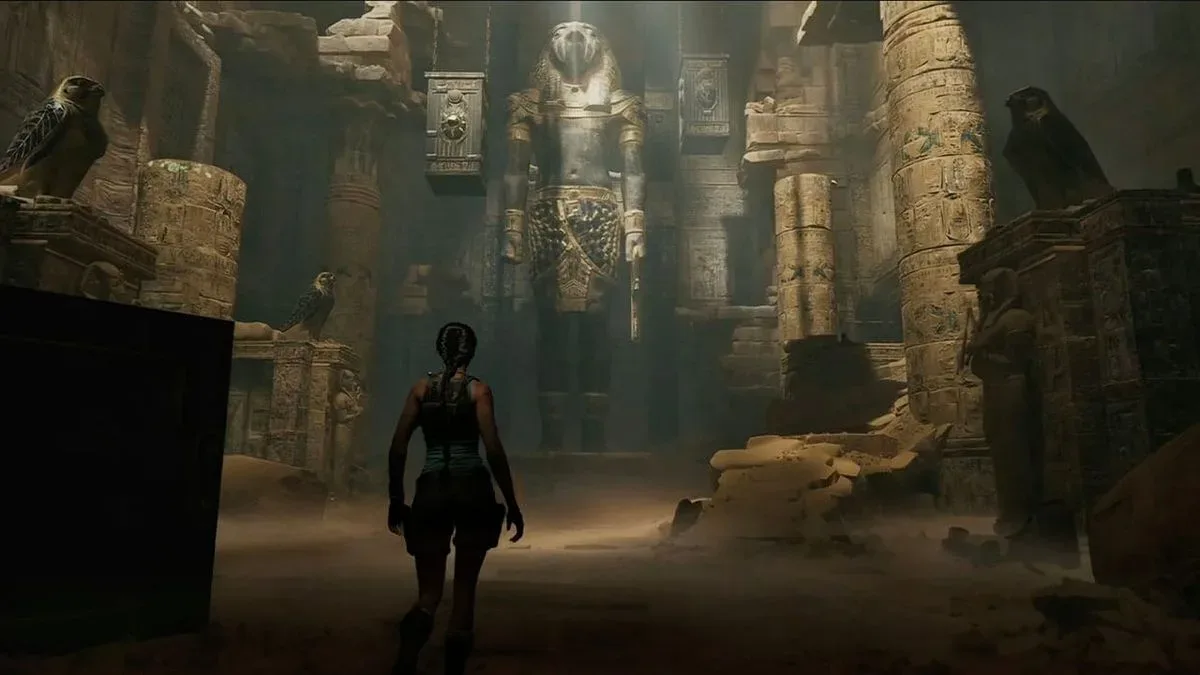
That broader overlap between games and screen entertainment is visible in projects that revisit established properties, such as the announced Tomb Raider: Legacy of Atlantis return to Lara Croft’s first adventure. The people who cover, contextualize and build communities around releases like these increasingly occupy a meaningful place in how entertainment reaches audiences.
Multiple professions can sit on one profile
One of the key details is that Digital Creator is not framed as an exclusive identity. A person can feature multiple professions on an IMDb or IMDbPro page. Someone who is both an actor and a creator, for example, can show both sides of their professional work in one location.
That flexibility matches how careers now develop. A streamer may be cast in a series. A video essayist may contribute to a documentary. A gaming creator may host a live event or appear in a branded campaign. Conversely, performers and filmmakers frequently cultivate their own direct-audience channels. Separating those identities too rigidly would miss the point; contemporary entertainment careers are often built by moving across platforms rather than staying in one lane.
Another important element is that creators do not need existing film or television credits to establish a profile under the new category. That removes a major conceptual barrier. The designation is not presented as a prize unlocked only after crossing into legacy media. It recognizes digital creation as work with its own standing.
For now, the Digital Creator option is available to IMDbPro Premium members. IMDbPro’s tools are aimed at entertainment professionals building profiles, pursuing opportunities and maintaining industry-facing information. The addition puts digital creators into that professional environment without requiring them to first reshape their work into a traditional filmography.
Why the category matters to the business side
IMDb chief executive Nikki Santoro characterized the move as an expansion of the infrastructure used by entertainment professionals to build their reputations and be found. Her point is straightforward: creators and their representatives need tools that make their work legible to the people hiring, casting, producing and partnering with them, while those decision-makers need a more reliable way to locate relevant talent.
That is a more consequential change than it may sound. Online popularity has never been a single measurement of professional fit. Audience size alone does not reveal whether a person is a livestream host, a skilled analyst, a credible gaming specialist, an on-camera performer, a production partner or some combination of all five. More specific profile categories can give people looking for collaborators a better starting point than a generic creator label.
Of course, searchable classification is only one part of a creator’s career. Portfolios, channels, audience trust, partnerships, credits and representatives all remain important. Nor does the announcement establish how every kind of digital work will be evaluated or displayed over time. But it signals that creator careers are being treated less as an exception to entertainment and more as a durable part of its infrastructure.
Toronto event marks the debut
IMDb plans to mark the Digital Creator category’s debut at the Toronto International Film Festival. An invite-only industry cocktail event is scheduled for September 14 and is also intended to highlight IMDb’s growing work with Canadian guilds.
The festival setting is fitting. Film festivals have traditionally been places where creative work, financing, talent representation, distribution and publicity meet in the same busy orbit. Adding digital creators to that conversation reflects the steady blending of creator-led media with the broader screen business.
IMDb has also indicated that it expects to keep expanding its professional categories in response to industry feedback. That leaves open the possibility of more granular labels as entertainment jobs continue to evolve. For the moment, the new Digital Creator designation gives streamers, vloggers, video essayists, video creators, gaming creators and influencers a clearer place in one of the industry’s best-known professional directories.