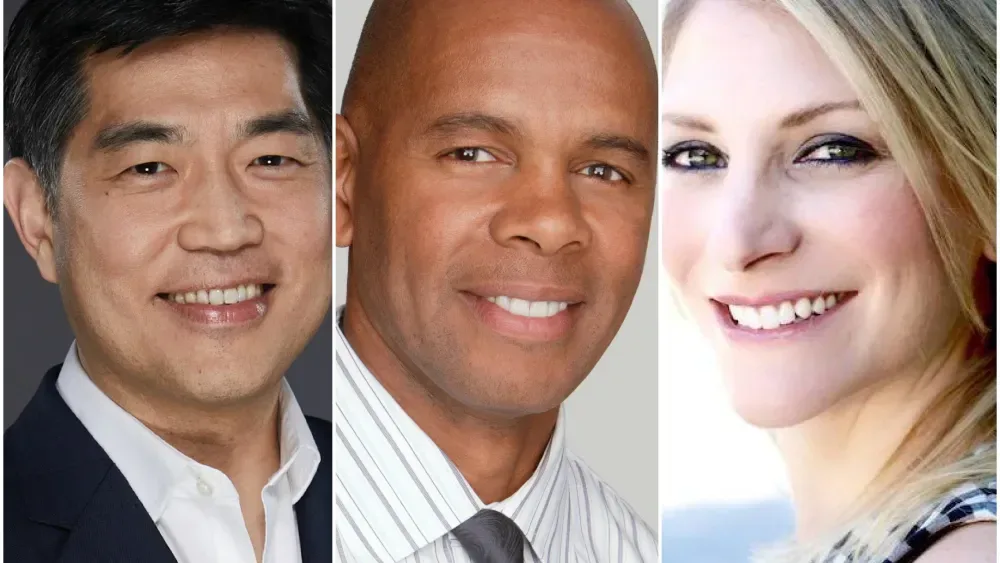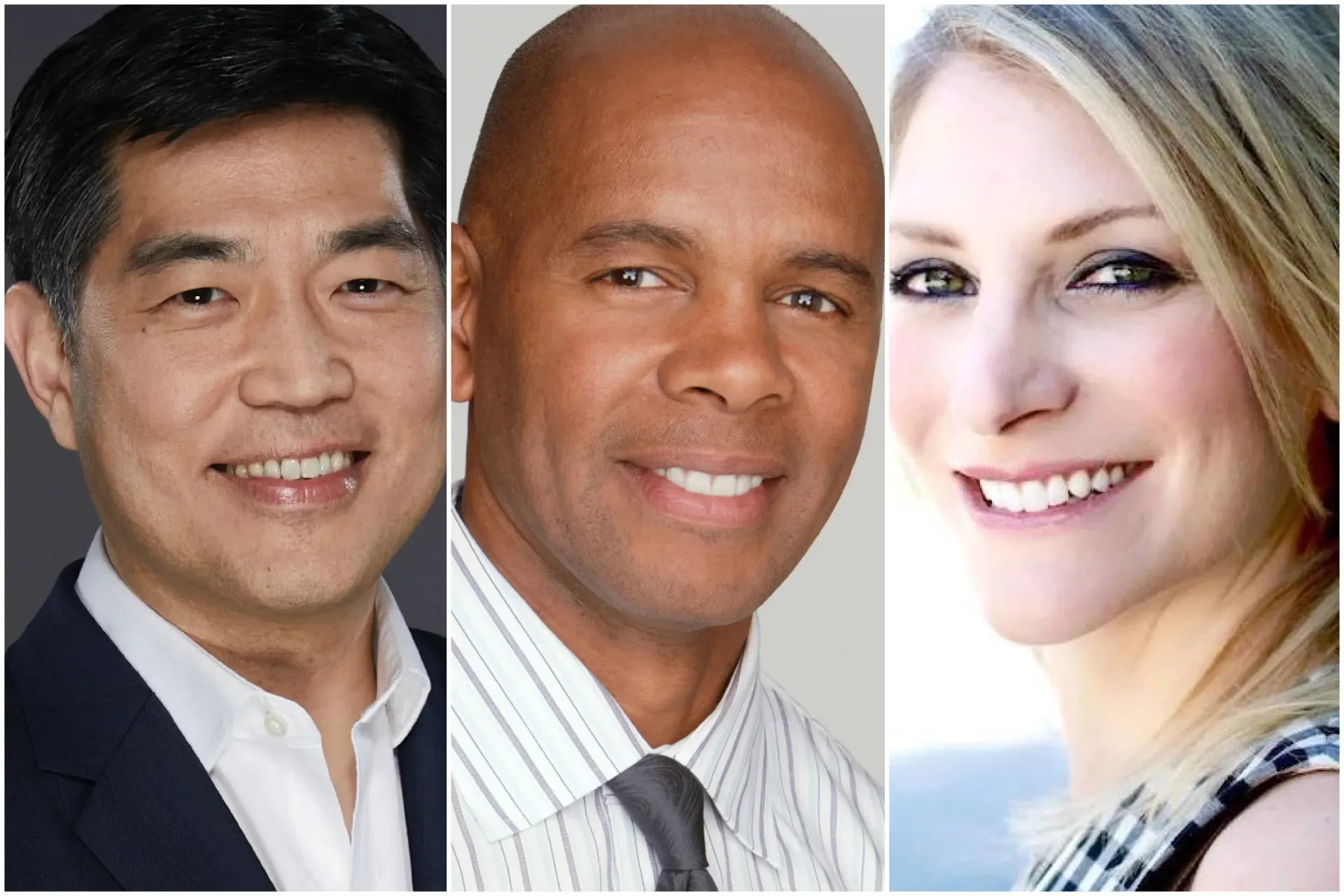
The Hollywood Radio and Television Society has elected Amazon MGM Studios executive Albert Cheng as its new chair, placing an AI-focused studio leader at the head of the entertainment networking, education and mentorship organization’s board.
Cheng succeeds Webtoon Productions president David Madden. The change comes alongside continuity elsewhere in the group’s leadership: Tim McNeal is beginning a second term as president, while CEO Melissa Grego has renewed her contract through 2028.
For an organization that brings together professionals from studios, networks and streaming platforms, the result is a notable combination. Cheng’s work is centered on the integration of artificial intelligence in creative and production processes, while the returning officers provide an established operational base as HRTS approaches its 80th anniversary next year.
Who Albert Cheng is
Cheng first joined the HRTS board in 2024. At Amazon MGM Studios, he is vice president and head of AI Studios, where he leads the global strategy for integrating AI across the creative and production life cycle.
That description matters because “creative and production life cycle” is broad. In plain terms, it refers to the connected stages through which screen entertainment moves: developing ideas, planning a production, making it, and managing the processes that carry work toward a finished program or film. The announcement does not specify which AI tools, projects or practices Cheng will emphasize in his HRTS chair role. It does, however, mean an executive whose current remit concerns AI’s place in that workflow is now leading the association’s board.
That leadership transition arrives while entertainment companies are still navigating how new technologies fit alongside creative work, workforce needs and production infrastructure. HRTS is not being presented as a studio or a technology developer; it is an association designed around professional connection, education and mentorship. Its practical role is therefore in convening people and facilitating discussion across the business rather than setting the policy of any single employer.
Cheng takes over from Madden, the president of Webtoon Productions. The move also illustrates the range of companies represented around the organization: its leadership has shifted from an executive at a company focused on productions connected to digital comics to an executive at a major studio working on AI strategy.
Continuity across the executive leadership
McNeal will serve a second term as president. He was initially elected to the HRTS board in 2023 and recently retired from his role as senior vice president of creative talent development and inclusion at Disney Television Studios within Disney Entertainment Television.
Related coverage includes Albert Cheng Elected HRTS Chair as Tim McNeal Begins Second Term.
His past focus on creative talent development and inclusion is distinct from Cheng’s AI-studio role, but both reflect parts of a larger entertainment-industry conversation: how companies develop the people and processes behind programming as the business changes. The available details do not lay out a new board agenda, so it would be premature to attach specific initiatives to the election. What is confirmed is that the organization is keeping much of its executive group in place for another two years.
Christina Davis remains vice president, Scott Hervey remains secretary and Linnea McArt remains treasurer. Retaining those officers provides board-level continuity while Cheng assumes the chair position.
Grego, meanwhile, has been HRTS CEO since October 2017. Her renewed contract extends her leadership into 2028. She characterized community as especially important as the association nears its 80th anniversary, pointing to HRTS’s longstanding function as a professional home and gathering point for people working across global entertainment.
“Never before has community been more vital,” Grego said in a statement, adding that the organization intends to continue providing a forum for people across the industry to come together.
Why an association board election can matter
Board elections at professional associations do not directly alter a streamer’s programming slate or put a new series into production. Their significance is more structural. A chair helps guide the board responsible for organizational direction, while the president, CEO and other officers provide leadership around the association’s ongoing work.
HRTS describes itself as a networking, education and mentorship association. It has dozens of corporate members and more than 2,000 individual members spanning leading companies in the entertainment landscape. For members, those functions can mean access to professional relationships, industry conversations and learning opportunities beyond the confines of one employer.
“Convening” is the key term in Grego’s statement. It means bringing people together, and in this case that can encompass working professionals across creative, executive and business roles. McNeal emphasized that the membership and board include professionals across the entertainment industry, with representation from studios, networks and streaming platforms.
That cross-company makeup is relevant when the industry is confronting shared questions but operates through competing businesses. AI integration is one clear example, although it is not the only one. A professional association can host a broader conversation without claiming that all members share one answer or one commercial interest.
The same wider industry environment has put continued attention on how production work is funded and sourced. For related coverage of that debate, see the proposal seeking a streaming-budget rule for independent productions.
What has and has not been announced
The leadership news confirms who will hold the top board and executive positions, and it establishes the duration of several terms. Cheng is chair; McNeal is serving a second term as president; Grego remains CEO through 2028; and Davis, Hervey and McArt continue in their respective officer roles for another two years.
It does not announce a new HRTS program, an AI policy, a slate of events or a specific strategy for the anniversary year. Cheng’s position at Amazon MGM Studios supplies useful context for his election, but it should not be read as confirmation that HRTS will advocate for any particular technology or approach to using it.
Still, the selection makes the association’s next phase worth watching. Its leadership group combines long-serving organizational stewardship, continuity among officers and a new chair whose professional work is closely tied to one of entertainment’s most consequential operational topics. As HRTS prepares to mark eight decades, the central test will be whether that mix continues to make its education, mentorship and networking mission useful to professionals across a rapidly changing business.