Artificial intelligence has become such a broad label in entertainment that it can obscure the decisions creators and studios actually need to make. That was the central tension in a recent industry discussion featuring leaders from Google, Netflix, Lionsgate, Hasbro, Teads and Adobe: the useful question is not simply whether a production “uses AI.” It is what kind of tool is being used, what it does in the workflow, who has approved it, and how it affects the finished work, performers and intellectual property.
That distinction may sound like a technicality, but it changes the debate considerably. A tool that removes unwanted noise from footage is not doing the same job as one that creates a synthetic character. Software that helps correct an image does not carry the same creative, legal or brand considerations as a model that generates new visuals or dialogue. Treating all of those applications as one thing called AI can make practical policy harder, not easier.
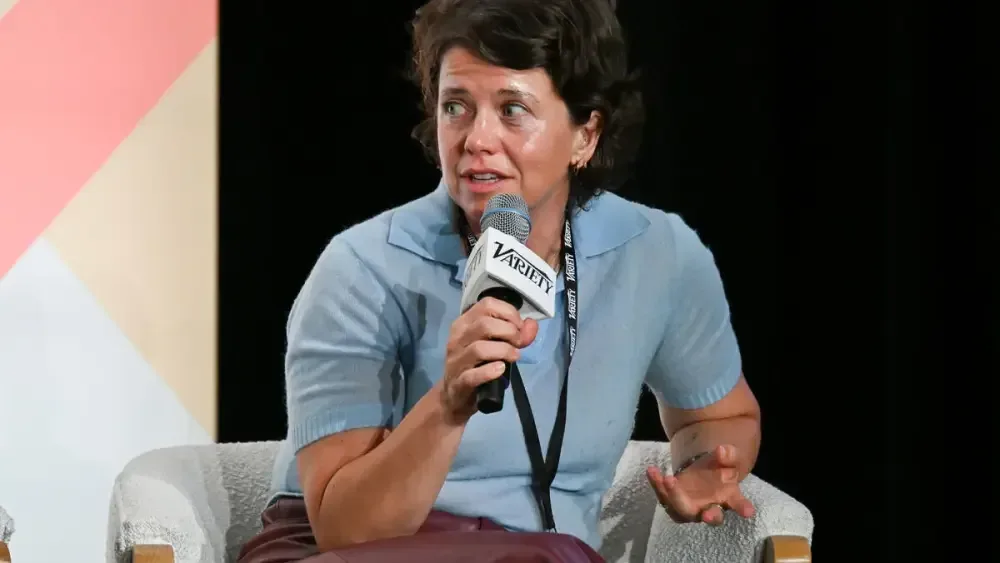
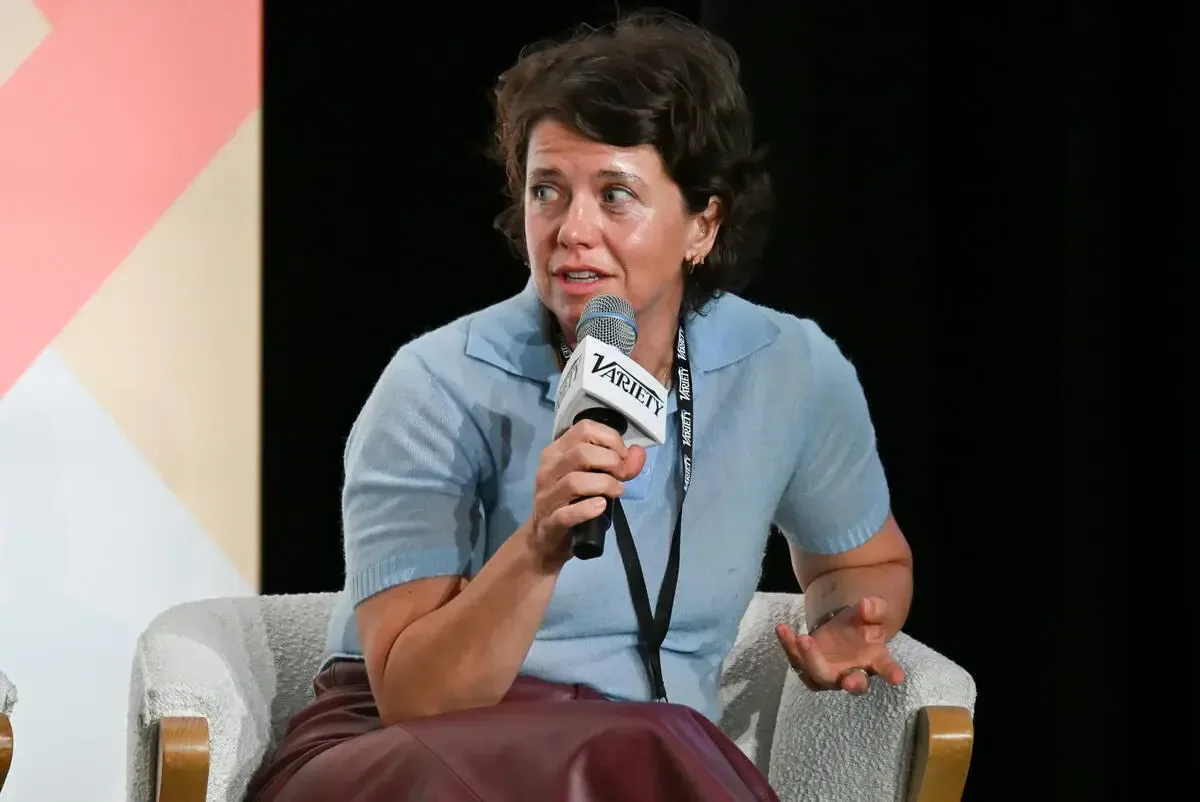
Mira Line, Google’s vice president of technology and society, argued that “AI” is currently being asked to cover too much territory. The proposed remedy is a shared vocabulary that breaks the technology into distinct uses rather than presenting it as one giant, mysterious machine. For audiences, that may mean a less dramatic story than the popular image of a single prompt producing a complete blockbuster. For people making entertainment, it is likely a more honest one.
Three AI categories can clarify the production conversation
Adobe has been drawing a line between assistive, corrective and generative functions in its tools. The terms provide a helpful starting point for understanding why there is no one-size-fits-all answer to AI in film, television, advertising or interactive media.
- Assistive tools help a person carry out an existing task. The important point is that the creative direction remains with the user, while the tool can make part of the task easier to manage.
- Corrective tools improve or repair material that already exists. The discussion specifically pointed to de-noising techniques, which remove unwanted noise from media. These kinds of tools can become so integrated into ordinary production work that people may not even think of them as AI.
- Generative tools make new material from inputs. At the far end of that range are fully synthetic characters, an application that raises much bigger questions around ownership, performance, approval and the identity of a well-known character.
These categories do not solve every hard question. A single project can use more than one type of tool, and the boundaries may not always be clean. Still, a functional description is more useful than a blanket label. It lets a production team ask whether a given tool is helping with a narrowly defined technical step, changing existing work, or contributing wholly new creative material.
It also gives creators a more concrete way to participate in the decision. Instead of being told that AI is somewhere in the pipeline, they can ask what the system is doing, why it is being considered and whether it serves the story. That is a substantially different relationship from adopting technology because it is fashionable or because competitors are discussing it.
Why a one-prompt blockbuster remains the wrong mental model
Line pushed back on the familiar idea that premium movies or television can be created by simply entering a prompt into a consumer-facing chatbot. In this view, generative AI is not a magic replacement for a production. It is one possible component in a process that still involves numerous creative and technical choices.
That matters because the shortcut narrative can create two opposite misconceptions at once. It can lead some people to assume that sophisticated productions are already effortless to make, while leading others to believe any AI use necessarily means the abandonment of artists and craft. Neither conclusion follows from the use cases discussed by the panel.
Related coverage includes Entertainment Leaders Push for Clearer AI Rules and Creative Guardrails.
The more grounded framing is problem-solving. Girish Balakrishnan, Netflix’s senior director of creative innovation, described filmmakers as looking for ways to address meaningful creative problems on their shows, rather than approaching every project as a referendum on whether AI should be used. Under that approach, the technology has to earn its place. A tool should be chosen because it helps solve a specific production or storytelling need—not because saying it was used makes a project sound futuristic.
Netflix has published a framework covering generative AI in its production pipeline, and Balakrishnan said it applies across roughly 300 programs. The significance is less the raw number than the attempt to make expectations visible. A public framework can give creative collaborators a route for evaluating proposed uses and identifying ones that are meaningful to a process. In a field where uncertainty can quickly erode trust, defined procedures can be as important as the underlying model.
There is a useful practical lesson here for anyone following AI announcements in entertainment. When a company says it is using AI, the next questions should be specific:
- Is the tool assistive, corrective or generative?
- What precise task is it intended to address?
- Does it work on existing material, or generate something new?
- Who has authority to approve its use?
- What protections apply to performers, creators and licensed properties?
Those questions do not presume that every deployment is good or bad. They turn an abstract argument into information that can be evaluated.
Copyrightability is one reason definitions matter
The industry discussion also pointed to the challenge of making AI-supported productions copyrightable. A recently published “Human Generative Workflows” paper, led by Kathleen Kennedy and the American Film Institute with input from Line, examines production tooling from de-noising through fully synthetic characters. Its basic value is methodological: identify the tools and workflows rather than assuming “AI-backed” is a sufficient description.
Copyrightability remains an unresolved goal in the conversation, not a checkbox that a project automatically receives by using a particular workflow. But the panel’s focus on classification reflects a real need. If a production cannot clearly describe how its material was created and where human creative decisions occurred, it becomes harder to have a disciplined conversation about rights. Precise records and clearly scoped tools may not make difficult questions disappear, but they offer a stronger starting point than vague claims of innovation.
This is also why the label “generative” needs care. It describes a tool’s capacity to produce new material, not a complete account of the human decisions surrounding that material. Entertainment is built from choices about performance, story, editing, tone, design and more. The discussion repeatedly returned to the idea that technology should be evaluated in relation to those choices and the final story.
Licensed AI characters need guardrails, not merely novelty
For major franchises, the question becomes even more sensitive. Teads senior vice president of sales Annaka Vasquez emphasized that large brands scrutinize the way their creative assets are used. A model may help create advertising material, but well-known intellectual property carries expectations about quality, context and integrity. The central issue is therefore not only whether a model can generate an asset; it is what guardrails govern its output.
Guardrails are the restrictions, approval processes and boundaries intended to keep an AI system within authorized behavior. In an entertainment context, they can be especially important when the output involves recognizable characters or voices. They are not a catch-all guarantee, but they are a way to define what licensees are permitted to do and what they are not.
Hasbro’s AI-focused Sixth Wall studio offers a tangible example. It has developed proprietary guardrails for ElevenLabs-backed AI replicas of licensed characters including Cobra Commander and Optimus Prime. Bertie Thomson, who leads Sixth Wall, described licensed interactive experiences as a potential use. One hypothetical involved a Waymo vehicle using Optimus Prime’s voice.
The key distinction is authorization and control. Licensed versions are intended to avoid the unrestricted manipulation associated with unauthorized clips of Hasbro characters. Thomson also said the authorized approach can provide protection for actors as well as intellectual-property owners. That does not mean every future use will be simple or universally accepted. It means that character AI is being approached as a licensing and stewardship issue, rather than just a technical feature waiting to be switched on.
For fans, this could shape the kinds of interactive brand experiences that appear in the future. The appeal of hearing a familiar character respond in real time is obvious. But the same familiarity makes boundaries essential: a beloved character can be damaged by material that is off-tone, unsafe or incompatible with the owner’s standards. The safer version of the idea is not an unrestricted character simulator; it is an authorized experience with defined limits.
Access to tools could widen the creator pipeline
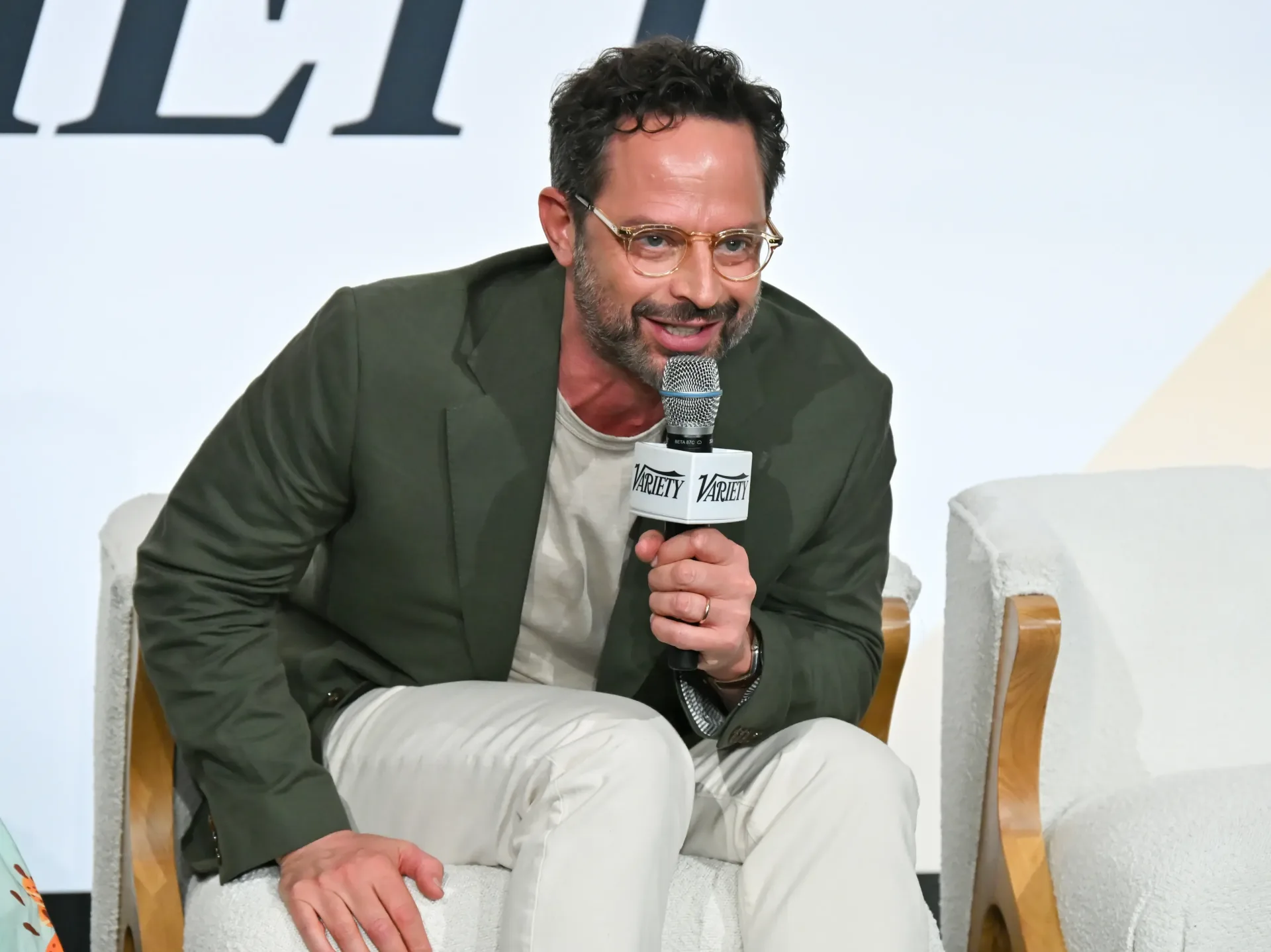
Lionsgate chief AI officer Kathleen Grace framed the opportunity partly in terms of access. As creative tools become more widely available, studios may be able to find more artists who can communicate their ideas and bring a vision further along. Her point was not that tools eliminate the need for filmmakers, but that they could increase the number of people able to demonstrate what they want to make.
That prospect has a meaningful caveat. Easier access to tools may make it easier to find talent, but it also creates an “exciting challenge” of sorting through more work and bringing in more creators. Democratization is not the same as automatic quality, distribution or a green light. It may broaden the entry point; it does not replace the creative judgment involved in choosing stories and collaborators.
Grace cited Lionsgate’s work with the John Wick and The Hunger Games worlds while stressing an interest in working with many kinds of filmmakers and stories. The broader implication is that established intellectual property and new creator discovery are not necessarily competing tracks. Studios may seek to protect major franchises tightly while also using emerging tools to identify voices that might otherwise have had fewer ways to present their work.
Entertainment’s AI future therefore looks less like one industry-wide switch and more like a series of choices: choose the right tool for the task, set rules around protected assets, explain the workflow to collaborators, and put story needs ahead of technological theater. That measured approach will not make the debate less complicated. It may, however, make it more useful—and considerably less vulnerable to the fantasy that a single prompt can do everyone’s job.
That emphasis on the practical work of making screen entertainment also intersects with the continuing discussion around production ecosystems, including the case for more Los Angeles production. Tools can change workflows, but they do not remove the importance of the people and places that make productions possible.