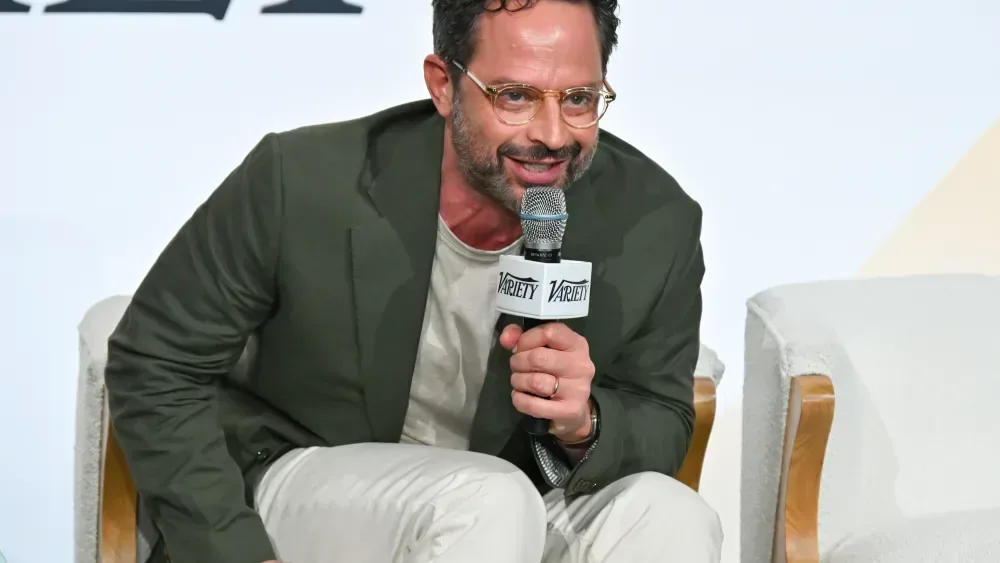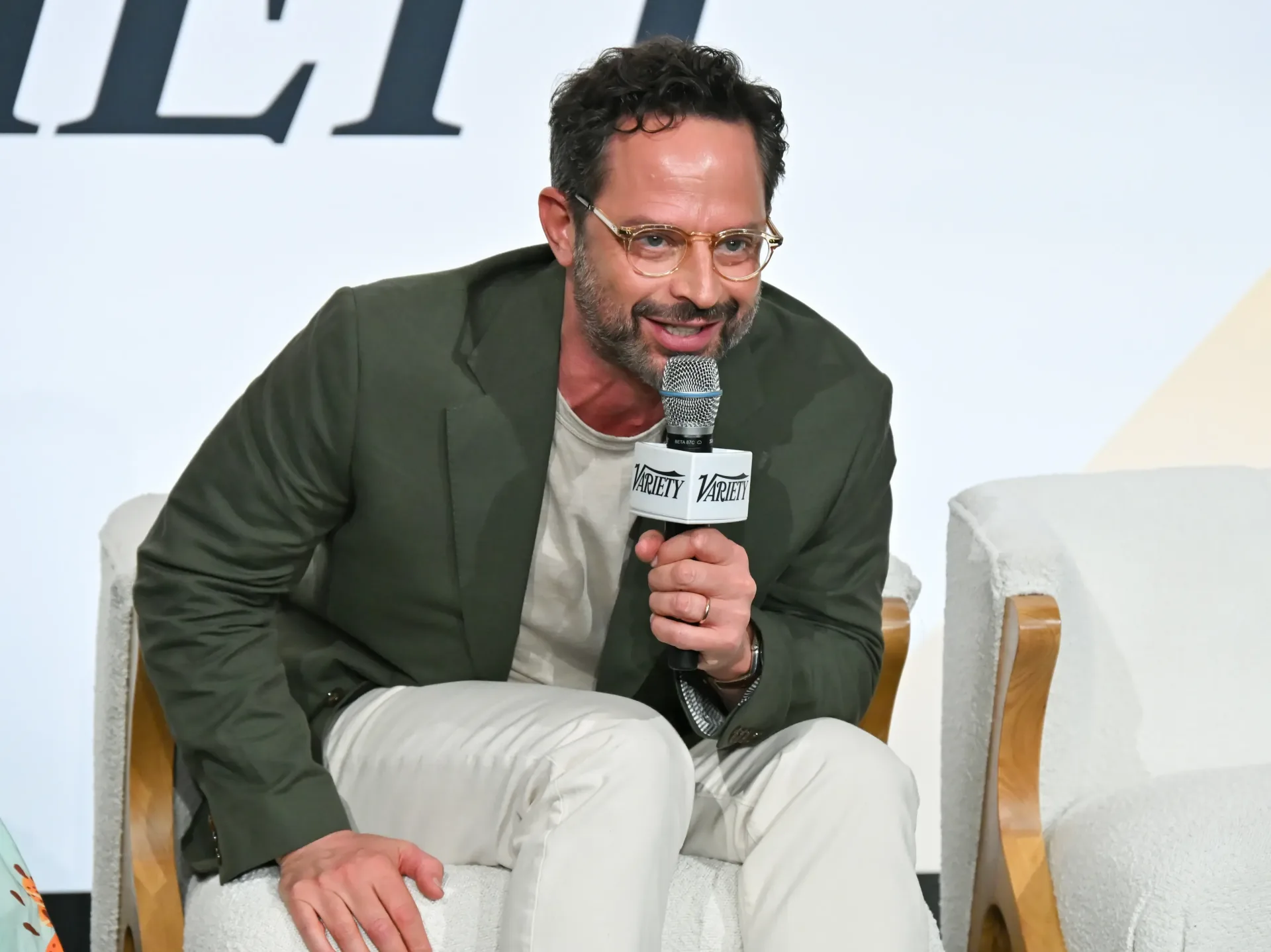
Nick Kroll’s pitch for Los Angeles production was not a policy paper, a tax-incentive explainer or an announcement of a studio expansion. It was a creative argument: television and film work made in the city can give Los Angeles something more than a financial lift. It can restore the feeling of people arriving to make things, working alongside one another and contributing to a living creative community.
That idea framed Kroll’s discussion of A Hundred Percent, the Netflix comedy he co-created with Gabe Liedman and will star in. The show is expected to debut in 2027 and was filmed in Los Angeles. Kroll described it as a love letter to the city where he has lived for nearly two decades, arguing that its subject matter demanded the location rather than simply using Los Angeles as a convenient backdrop.
“The more that we have a thriving, ongoing shooting community here in Los Angeles, it will bring life back,” Kroll said, stressing that he meant more than money. His emphasis was on vitality: the social and creative energy associated with a place where crews, performers, writers and makers are actively producing work.
What ‘A Hundred Percent’ is about
Kroll said A Hundred Percent explores the ecosystem of thought leaders, self-help gurus and wellness influencers. He joked that the people populating that world tend to gather on conference panels in bleak ballrooms, places defined by water pitchers, tiny mints and a hard-to-find bottle of San Pellegrino. The joke gives the project a clearer comic target: not wellness itself, but the professionalized culture, branding and awkward presentation spaces that can grow around it.
That setup also explains why Los Angeles matters to Kroll’s conception of the series. A setting is not merely a recognizable skyline or a production line item. In a comedy about people who live and work in this particular cultural milieu, the city can inform the rhythm of interactions, the kinds of ambitions being mocked and the atmosphere around the characters. Kroll’s point was that filming locally served the show’s identity.
Liedman co-created the series with Kroll. The ensemble includes Sam Richardson, Jason Mantzoukas and Vanessa Bayer, while Diane Lane has a recurring role. Liedman previously created Q-Force and served as showrunner on the first season of PEN15. Kroll’s description of the group repeatedly returned to the caliber of its collaborators: he said his main goal on a project is to work with the most talented people he can find.
“Just surround yourself with quality people,” Kroll said, before delivering the much less corporate version of that workplace principle: “because assholes — they’re just the worst.”
It is a blunt line, but it fits the larger point. Productions are collaborative by design. A show involves writers, performers, directors, departments and crews, and a workplace culture can affect both the process and the finished work. Kroll recalled an especially happy crew experience on A Hundred Percent and expressed gratitude to Los Angeles for making the production possible. That is a personal account rather than a universal claim about every set, but it explains why his appeal for sustained local work carries emotional force.
Related coverage includes Nick Kroll Calls for More L.A. Production as ‘A Hundred Percent’ Eyes 2027.
Production is about a working ecosystem, not just a soundstage
When Kroll referred to a “shooting community,” he was talking about the network of people and expertise that allows screen productions to happen. In practical terms, that includes the cast and creative leadership audiences tend to see in credits, but also the many specialists whose work is less visible: camera and lighting crews, production design teams, costuming, locations personnel, editors and other contributors. A local production base helps keep those skills connected to a place and available to future projects.
That is why his distinction between money and vitality is important. Money speaks to direct spending and employment. Vitality is harder to measure, but Kroll used it to describe the sense of possibility that comes from being near others who are making work. His image was the old Hollywood dream—not simply fame, but proximity to a community of artists and craftspeople building projects at the same time.
There is no specific proposal attached to Kroll’s remarks, and he did not claim that one Netflix comedy can solve broader challenges facing the city. Rather, the practical implication is narrower: choosing Los Angeles for productions that are creatively rooted there can reinforce the professional and cultural networks that make such work possible. It is an argument for continuity. A production community needs more than a one-off job; it needs recurring work.
Kroll also undercut the earnestness with a joke that he was personally moving to Austin to launch a podcast network. The gag did not change his central message, but it did preserve the comic self-awareness running through the appearance. He was advocating for Hollywood’s collective future while teasing the well-worn idea of entertainment figures decamping for another creative hub.
His other TV work points to a different kind of patience
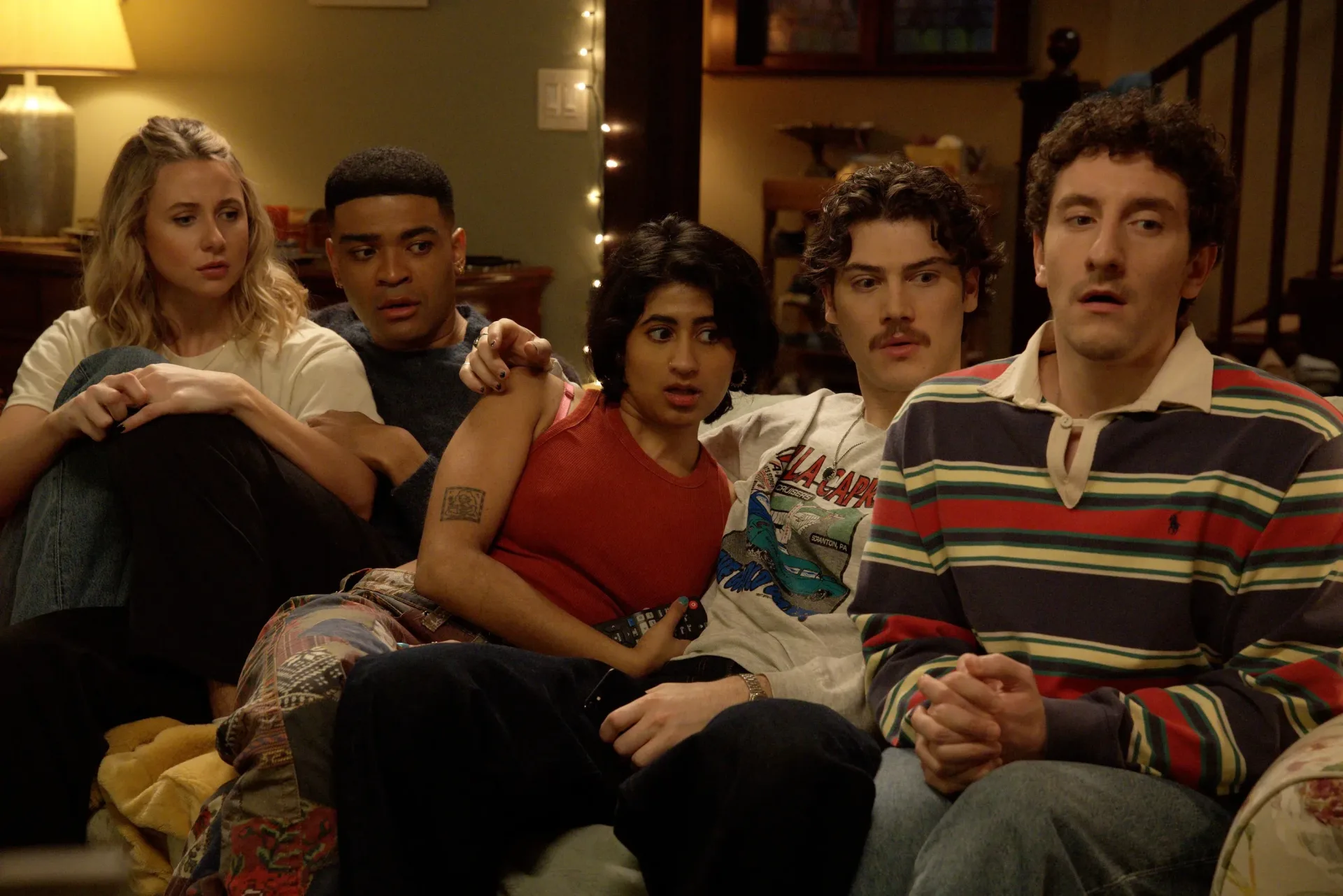
Alongside A Hundred Percent, Kroll is an executive producer on FX’s Adults, a sitcom about five twenty-something friends sharing a home in Queens, New York. He developed the series with creators Ben Kronengold and Rebecca Shaw, then cast what he described as a new generation of especially funny performers.
Adults is part of Kroll’s first-look relationship with FX, an arrangement he said has lasted more than 15 years. A first-look deal is an industry agreement in which a company gets an initial opportunity to consider projects from a creator or production partner. It does not mean every idea automatically becomes a series, but it creates an ongoing professional lane for pitches and development.
Kroll used Adults to highlight a less glamorous but potentially valuable part of television strategy: giving audiences an accessible way into a show that needs time to find them. He said the first season developed a following, though not one as large as everybody hoped. The team then made a prequel episode designed to offer viewers a new entry point to the characters and the series.
A prequel episode, in this context, is not necessarily a grand franchise expansion. It is an episode set earlier than the main story that can establish relationships or circumstances before the existing narrative. Kroll said the approach helped audiences understand the characters and move through the rest of the first season. The key lesson is not that every show requires a prequel, but that presentation and onboarding matter when viewers face a huge number of competing choices.
He said Adults grew by 40% domestically and 100% internationally in its second season, an outcome he characterized as an example of FX trusting a quality show long enough for it to build. The numbers are notable because Kroll explicitly framed them as running against standard expectations for television performance. They also reinforce his argument that creative work can benefit from patience rather than being judged solely by its first moment in the market.
For viewers tracking TV comedy more broadly, the approach has a familiar appeal. Not every series communicates its appeal instantly. Characters can need room to become distinct, and an ensemble’s chemistry can emerge over multiple episodes. Kroll’s phrasing—shows must grab people, but “hold them gently” so they do not run away—describes the balancing act: establish a reason to watch without exhausting or alienating an audience in the process.
Attention is the competition
Kroll’s comments tied production decisions, creative collaboration and audience-building together under a single modern pressure: competition for attention. In his view, creators must find a way to attract viewers while sustaining their interest. That does not reduce the challenge to a trailer, a premiere date or a one-line premise. It involves the experience of watching a show and deciding whether the people and story are worth returning to.
This remains relevant beyond comedy. Television audiences now encounter a steady flow of scripted series, unscripted programming, clips, social platforms, podcasts and games. Kroll did not lay out a universal formula for breaking through that competition. Instead, his examples suggest a philosophy: put remarkably capable people together, create a distinctive world, and give a promising series room to find its audience.
The larger entertainment slate around Kroll illustrates that he is working across formats while making that case. He has also served as an executive producer and voice performer on Netflix animated series including Mating Season, Human Resources and the Emmy-nominated Big Mouth. Meanwhile, screen adaptations and original projects continue to circulate through the wider entertainment pipeline, including this recent update on the expanding cast for the Far Cry anthology series.
Kroll briefly also addressed artificial intelligence with typical deadpan alarm, cautioning listeners not to underestimate machines’ ability to destroy humanity, then adding that he said it without much alarm. It was a joke, but it landed amid a conversation in which AI’s role in entertainment had already been on the agenda. His more substantive focus, however, stayed fixed on people: talented collaborators, crews enjoying their work, viewers gradually finding a show, and a city that feels more alive when productions continue to shoot there.
A Hundred Percent will ultimately have to earn its audience on the strength of its comedy when it arrives. For now, Kroll’s description establishes a specific premise, an experienced ensemble and a clear creative relationship to Los Angeles. His case for making it there is equally clear: local production is not only about where a camera is placed. It is about whether a city remains a place where creative workers can gather, take chances and make the next thing.