Netflix has made a major change at the top of its content organization, replacing chief content officer Bela Bajaria with veteran television executive Peter Rice as the company seeks to improve viewing engagement while revenue growth slows.
The overhaul comes alongside layoffs affecting 1,000 employees. Netflix also parted ways with film chief Dan Lin, Lin’s senior lieutenant Doug Belgrad, and original-series director Carolina Garcia. It is a substantial reset around the people who shape what gets bought, developed, produced and promoted across the service.
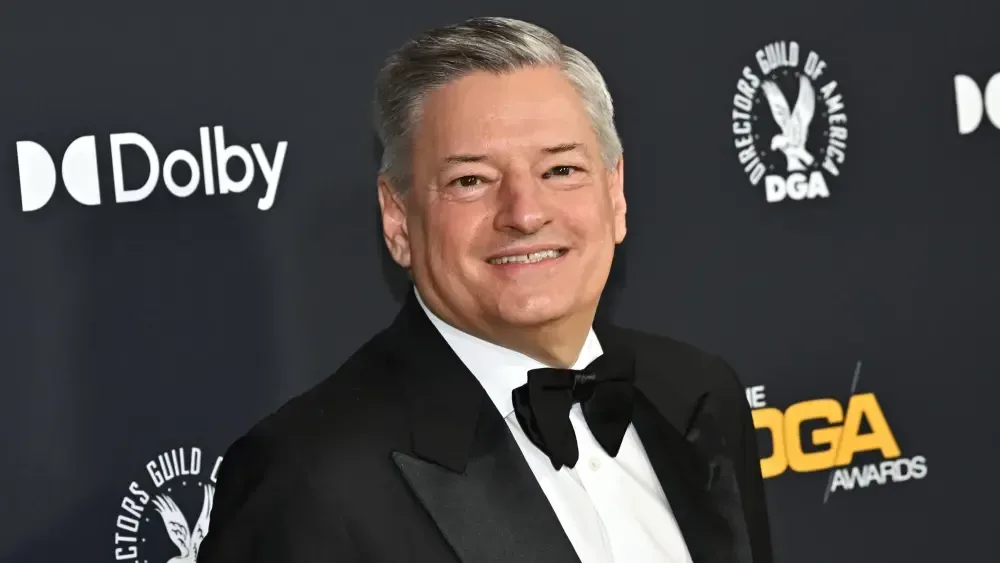
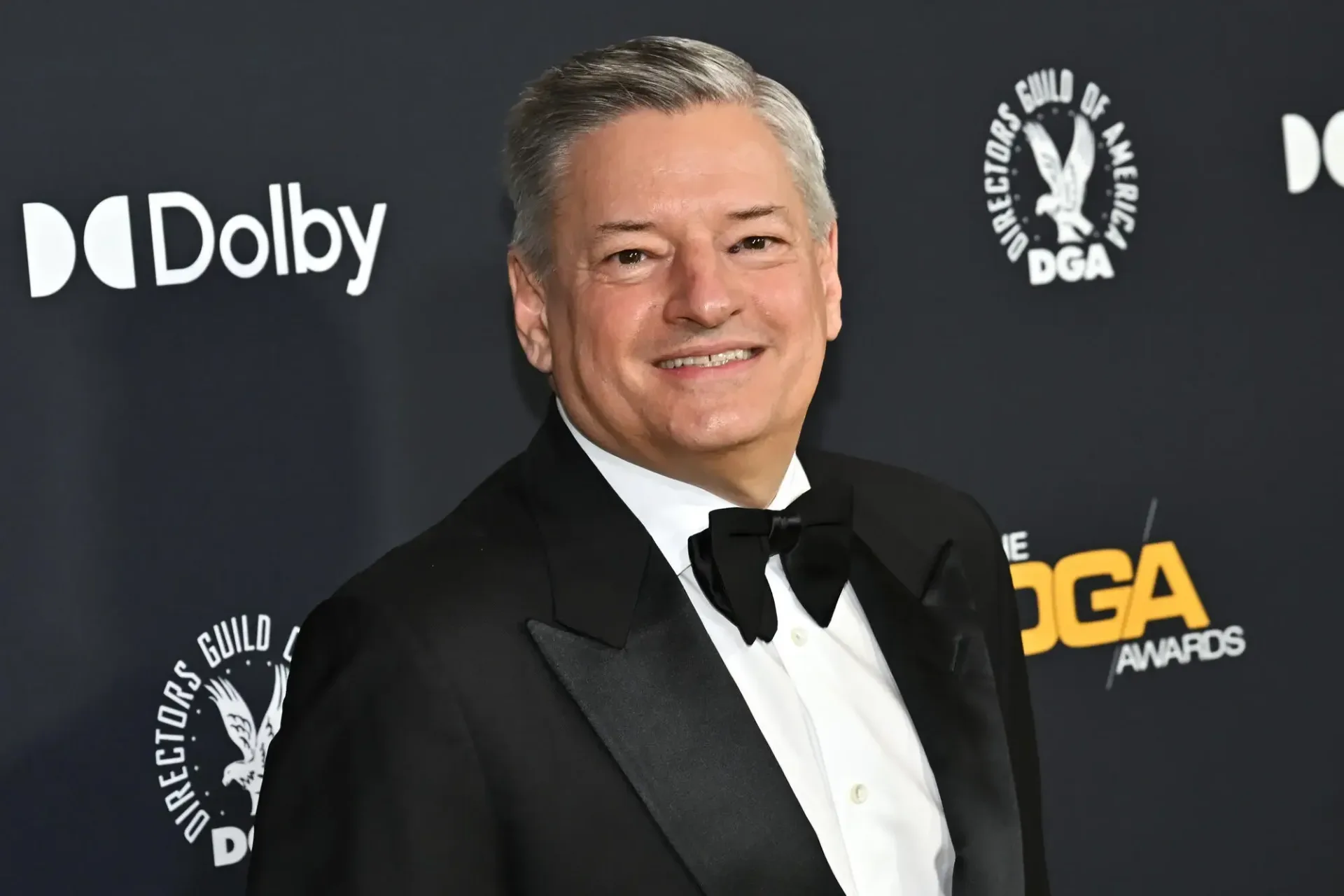
Speaking on Netflix’s third-quarter 2026 earnings call, co-CEO Ted Sarandos acknowledged that the company sees room to improve. “I know that we could do better, and we want to build on that momentum,” he said when asked about the programming leadership change.
What the leadership change means
A chief content officer is responsible for the broad creative direction of a streaming service: its slate, the mix of formats, the executives who oversee projects, and the relationships that help bring filmmakers, showrunners, actors and producers into the fold. That makes the role much bigger than choosing a few headline series. It is a central position in determining what a platform wants to be to viewers and to the creative business.
Netflix is therefore changing leadership at a particularly consequential level. Bajaria had been with the company for roughly a decade, and Sarandos credited her with helping to build a global team that makes local programming around the world. He also credited her with leading expansions into new kinds of content and delivering successful titles.
That recognition matters because the leadership move is not being framed as a rejection of Netflix’s international strategy. Sarandos described local content made for markets around the world as an important competitive advantage developed over the past decade. The stated opportunity, instead, is to build on that work and push the overall slate further.
In practical terms, a “slate” is the planned collection of films, series and other programming a service commissions or acquires. A strong slate is not solely a list of projects with recognizable names. It needs enough range to serve different audiences, enough consistency to keep subscribers returning, and enough major releases to give people a reason to talk about the platform beyond its own app.
The emphasis is on shows that travel
Sarandos put particular focus on the United States, saying Netflix can have an outsized effect when it makes a large, conversation-driving show that viewers enjoy and discuss worldwide. The wording points to a familiar streaming ambition: produce titles that do not merely attract a viewing session, but become shared cultural events.
Related coverage includes Ted Sarandos Says Netflix Can Do Better After Content Leadership Overhaul.
“Buzzy” programming is not a formal production category. It describes entertainment that generates sustained attention and discussion, whether through audience recommendations, social conversation, press coverage or a rapid rise in general awareness. The key distinction is between a title that is watched and a title that becomes visible enough to pull more people into the service.
For Netflix, the goal appears to be improving engagement as much as increasing output. Engagement, in this context, means the degree to which members spend time with the service and its programming. A platform can release a large volume of content, but its strategic value is limited if viewers do not find reasons to return, sample new releases and stay involved with the library.
That does not mean Netflix has announced a specific new programming formula, a revised genre plan, or any particular upcoming project under Rice. It has not. The available comments establish the broad priorities: stronger impact from major shows, especially from the U.S.; a content operation capable of working at considerable scale; and deeper ties with creative talent.
Why Peter Rice is being positioned for the job
Rice arrives with experience across several forms of entertainment. Sarandos highlighted his prior leadership work in television networks, movie studios and streaming services, as well as experience spanning network television, prestige cable, theatrical film, television films and live sports.
That range is central to Sarandos’s case for the appointment. The co-CEO characterized Rice as an executive able to combine creative judgment with business management while operating at both quality and volume. Those two goals can pull in different directions: quality involves identifying projects and talent that can stand out, while volume requires a company to maintain a large pipeline without losing organizational control.
The comment does not promise that Netflix will enter every format Rice has previously touched, nor does it signal a defined change to its film, TV or sports plans. Rather, it explains why Netflix believes his background suits a global programming business that handles many kinds of entertainment at once.
For audiences, executive changes are often invisible until they are reflected in a platform’s release schedule. For creators, however, they can be immediately meaningful. New leadership can alter who hears pitches, which development teams have authority, how projects are packaged, and what a company considers a priority. Those effects may take time to become visible in finished programming, since series and films commonly move through long development and production processes.
Talent relations are a stated priority
Sarandos singled out Rice’s understanding of talent relations as the most important part of the case for his arrival. Talent relations refers to how a studio or platform works with the people who make its programming: creators, producers, writers, directors and performers, among others. It includes the trust built through development conversations, negotiations, communication, creative support and the experience of working with an organization over time.
Netflix’s argument is straightforward. In a competitive entertainment market, creators have options about where to take their work. A company that wants distinctive, talked-about programming needs more than financing and distribution; it needs to be a place where creative partners want to make ambitious projects.
“Creative talent have choices of where they want to work, and we want Netflix to always be the place that they love to do the best work of their life,” Sarandos said.
That focus fits with the broader ambition for larger global conversation around programming. A breakout show depends on far more than an executive relationship, but the ability to attract and retain creators is one part of building a durable pipeline. Sarandos said Rice is the right person to lead those efforts in the U.S. and internationally.
Rice’s appointment may also be read as an attempt to make Netflix’s creative operation feel more connected across formats and markets. Sarandos emphasized Rice’s ability to work across different entertainment models, while also stressing the existing strength of the international content organization Bajaria helped build. The intended direction appears to be evolution rather than a public abandonment of the company’s worldwide approach.
A reshuffle with consequences beyond one job title
The exits of Lin, Belgrad and Garcia show that the changes extend beyond the chief content officer role. Film and original series are foundational parts of Netflix’s programming identity, so changes in their executive leadership could affect the decision-making chain beneath Rice. Still, Netflix has not laid out a public organizational chart, named replacements for every departing executive, or described specific changes to its film and series pipelines.
It is also important not to confuse an executive reset with an immediate statement about every title already in development. The information available does not identify individual projects affected by the changes. Programming already moving through production can involve commitments and teams established well before a leadership transition, while newer projects may be the first to reflect a revised approach.
The near-term message from Netflix is thus managerial rather than product-specific. The company believes it can improve, sees its next opportunity in making bigger shows that resonate globally, and has chosen Rice to lead the effort because of his experience at scale and his relationships across the creative community.
For viewers, the useful takeaway is not to expect a switch to flip overnight. It is to watch for whether Netflix’s future slate produces more releases that break through into wider conversation while maintaining the international breadth Sarandos praised. For creators and industry observers, the more immediate question will be how Rice structures the leadership team and how Netflix’s relationship with creative partners develops under the new arrangement.
The change is a reminder that streaming strategy is decided long before a title appears in a recommendation row. Choices about leadership, development, talent and the definition of a hit shape what audiences eventually see. Netflix has now made its preferred direction explicit: preserve the advantages it has built, but seek a higher level of impact from the shows and films it puts in front of members.
For another look at how entertainment properties continue to move between screen formats and gaming audiences, see the planned Xbox Series X|S release of Shrek 2 Remastered.