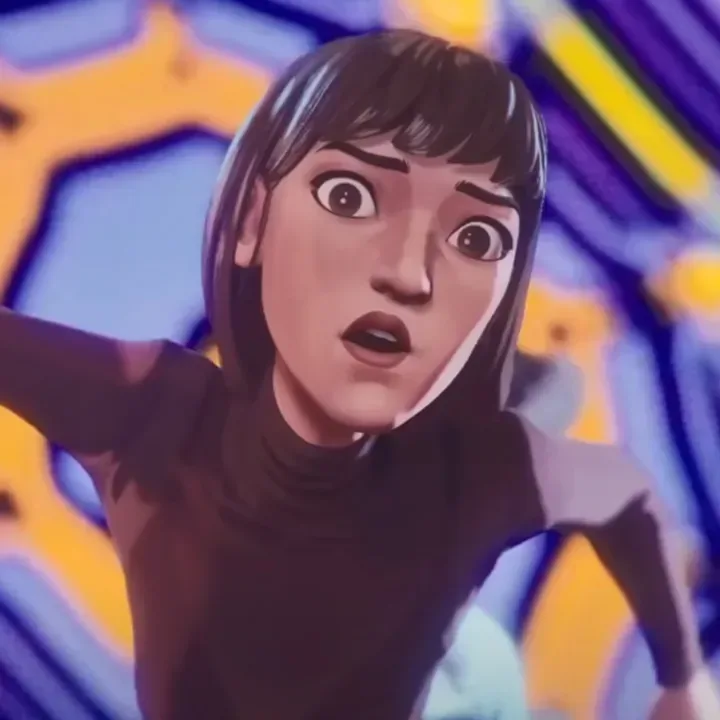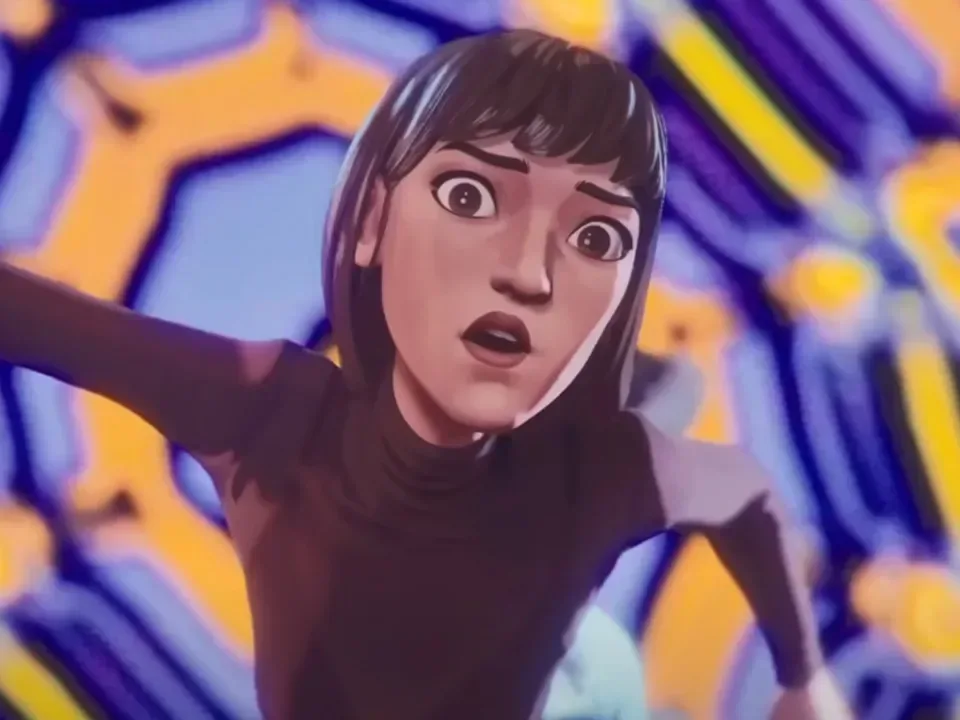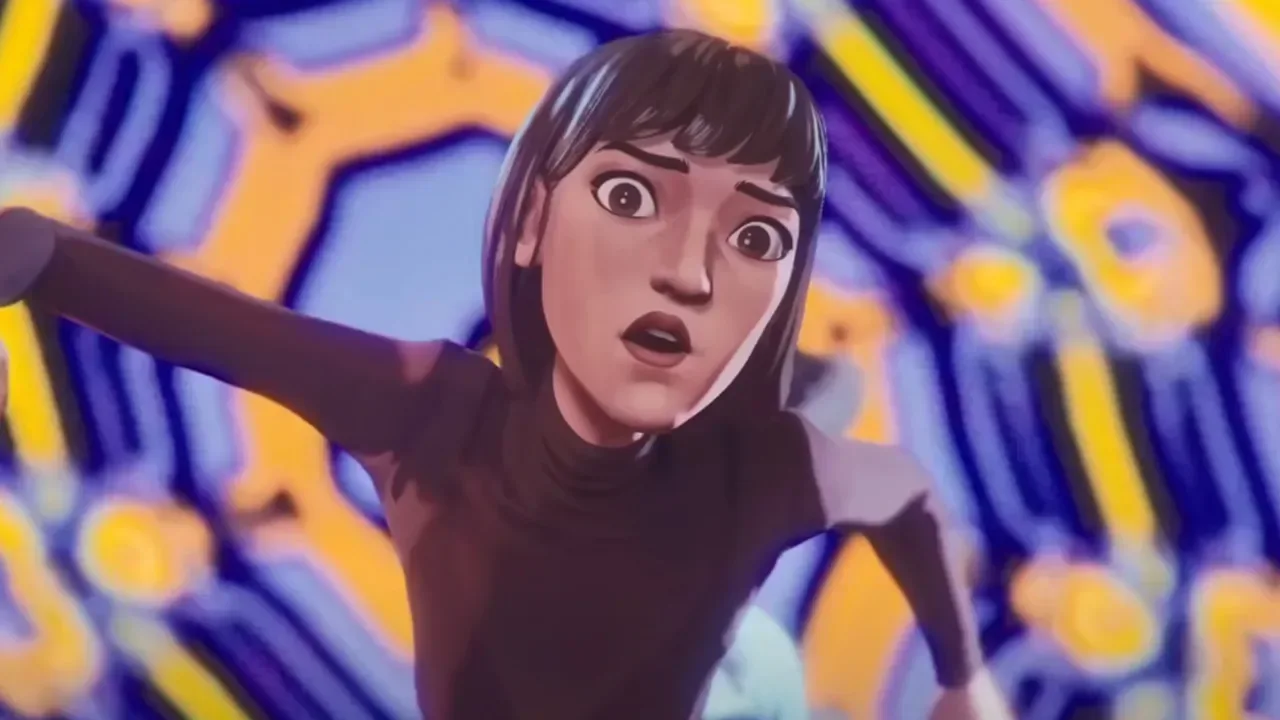
Melbourne studio Beethoven & Dinosaur’s Mixtape has been named Game of the Year at the 2026 Australian Game Developer Awards. The music-themed, minigame-driven adventure also collected awards for Excellence in Visual Art and Excellence in Sound Design, making it one of the event’s biggest winners.
The three awards put the spotlight on the intertwined parts of Mixtape’s identity: its story, its visual presentation, and its music. That matters for a game built around a coming-of-age premise and a soundtrack featuring artists including Devo, The Smashing Pumpkins, Silverchair and Iggy Pop. Rather than being treated as background decoration, the musical component appears central to how the game creates its tone and tells its story.
“Mixtape was the outcome of an amazingly talented team,” Beethoven & Dinosaur director Johnny Galvatron said. “To go from wanting to make a game around Devo to creating something that resonates with so many people is mind blowing. We’re lucky to be part of such a talented community, and I’m so proud of Mixtape and my team.”
A sweep built around sound and style
Game of the Year awards can recognize a broad overall achievement, while the two additional Mixtape wins make the judges’ priorities much clearer. Excellence in Visual Art points to the game’s distinct visual identity; Excellence in Sound Design recognizes the construction and use of audio within the game. The latter is not necessarily the same as honoring a soundtrack alone.
Sound design is the wider craft of how a game uses sound: music, effects, ambience, timing, transitions and the relationship between what players do and what they hear. A licensed song selection can be a major element of a game’s personality, but sound design also concerns how that music and other audio support the moment-to-moment experience. Mixtape’s recognition in this category suggests that its musical ambitions were matched by a strong broader audio presentation.
The judges described Mixtape as a standout work of virtual storytelling, citing its visual identity and emotionally driven music as key ingredients in a memorable experience. That language closely connects its craft awards to the top prize. The game did not simply win for one isolated technical specialty; its art and audio were presented as mutually reinforcing parts of the storytelling.
Mixtape has also been characterized as a stylish coming-of-age game and a musical experience from beginning to end. Coming-of-age stories traditionally focus on a period of personal transition, relationships and formative memories. In games, that kind of narrative can take advantage of player participation, putting story beats alongside interactive sequences instead of delivering every moment through passive scenes. Mixtape’s minigame-driven structure is therefore significant: it identifies interaction as part of the game’s storytelling approach, rather than framing the project only as a soundtrack-led narrative.
From a Devo-led idea to a wider musical palette
Galvatron said the project began with a desire to make a game around Devo. The finished game’s soundtrack spans further than that initial inspiration, with cuts from Devo, The Smashing Pumpkins, Silverchair, Iggy Pop and other acts. The range is notable because it gives Mixtape multiple musical reference points instead of tying its identity to a single performer.
Related coverage includes Mixtape Takes Game of the Year at the 2026 Australian Game Developer Awards.
For players, music can do more than establish a period or add a familiar emotional cue. Song choices can alter the pace of a scene, sharpen a character moment, or make a transition feel more immediate. That is especially relevant in a game centered on youth and memory, where the title itself invokes a personal collection of songs assembled to reflect a mood, relationship or moment in time.
There is a practical caveat, though: the awards recognize Mixtape’s achievements, but they do not provide a complete breakdown of how each track is used, which sequences contain particular artists, or whether every song will be available in every version or region. Those details should not be assumed from the award results alone. What is clear is that the soundtrack’s breadth forms part of the game’s public identity, while the sound-design prize recognizes the larger audio work around it.
The awards also underline the collaborative nature of games that bring together visual direction, gameplay design, narrative design, audio implementation and music licensing. Galvatron’s remarks specifically credited the team behind Mixtape, and the three prizes reflect a project whose individual disciplines were judged to work together effectively.
Other 2026 AGDA winners
Mixtape was not the only game recognized across multiple disciplines. Tempo Lab Games’ rhythm game Bits & Bops won both Excellence in Gameplay and Excellence in Accessibility. The paired awards are especially meaningful for a rhythm game, where timing, controls, feedback and clarity are fundamental to the basic play experience.
Accessibility in games refers to design choices that help more people play and understand a game. The available results do not specify the particular accessibility features recognized in Bits & Bops, so it would be inaccurate to list options that have not been confirmed. Still, the category itself establishes that accessibility was judged as a major achievement, not an afterthought separate from the game’s strengths.
Abandoned Sheep’s puzzle platformer Schrodinger’s Cat Burglar received Excellence in Narrative. Puzzle platformers generally combine traversal with problem-solving, and narrative recognition indicates that its storytelling stood out within this year’s field. The award does not disclose plot specifics, so the key confirmed takeaway is the distinction itself rather than any unverified reading of its story.
Uppercut Games, based in Canberra, was named Studio of the Year. While individual game awards celebrate a particular release or aspect of a release, a studio honor directs attention to a development team as an organization. Alongside Beethoven & Dinosaur’s Melbourne-based win, the result highlights recognized teams in more than one Australian city.
- Game of the Year: Mixtape — Beethoven & Dinosaur
- Excellence in Visual Art: Mixtape — Beethoven & Dinosaur
- Excellence in Sound Design: Mixtape — Beethoven & Dinosaur
- Excellence in Gameplay: Bits & Bops — Tempo Lab Games
- Excellence in Accessibility: Bits & Bops — Tempo Lab Games
- Excellence in Narrative: Schrodinger’s Cat Burglar — Abandoned Sheep
- Studio of the Year: Uppercut Games
What the awards represent
The Australian Game Developer Awards have been held in various forms since 2002 and are presented by Australia’s Interactive Games and Entertainment Association. In 2026, they form part of Melbourne International Games Week, which concludes this weekend with PAX Aus 2026.
That placement gives the awards a useful role in the calendar: they recognize development work during a larger period of industry and community activity. The results are also a reminder that games are assessed through more than a single all-purpose measure. Mixtape’s sweep emphasizes art, audio and overall impact; Bits & Bops places gameplay and accessibility side by side; and Schrodinger’s Cat Burglar’s narrative award singles out writing and storytelling.
For Mixtape, the headline result is substantial on its own. But the two accompanying awards explain why it rose above the field: the judges found a project whose visual language and sound work supported a highly regarded piece of virtual storytelling. Galvatron’s statement frames that outcome as the result of a team effort—and as a long journey from an idea rooted in Devo to a game reaching a broader audience.
For more on the business and creative developments shaping games, read our coverage of Richard Garriott’s comments on the future of Ultima.