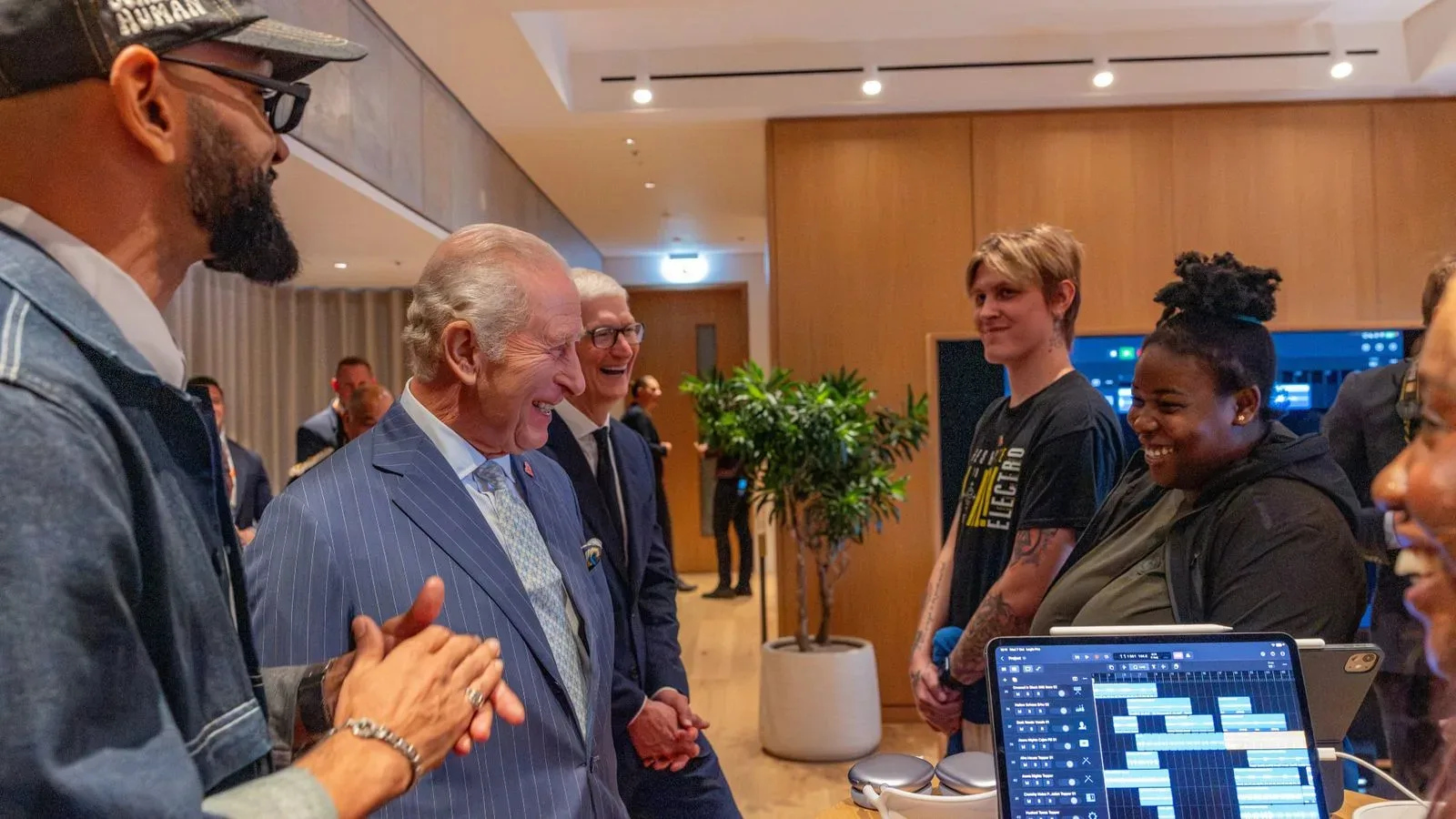
Apple and UK charity The King’s Trust have launched Apple x King’s Trust Creative Labs, an education program intended to help young adults explore routes into creative-industry careers. The initiative is for people aged 18 to 30 and pairs participants with Apple experts for workshops built around creative work and career discovery.
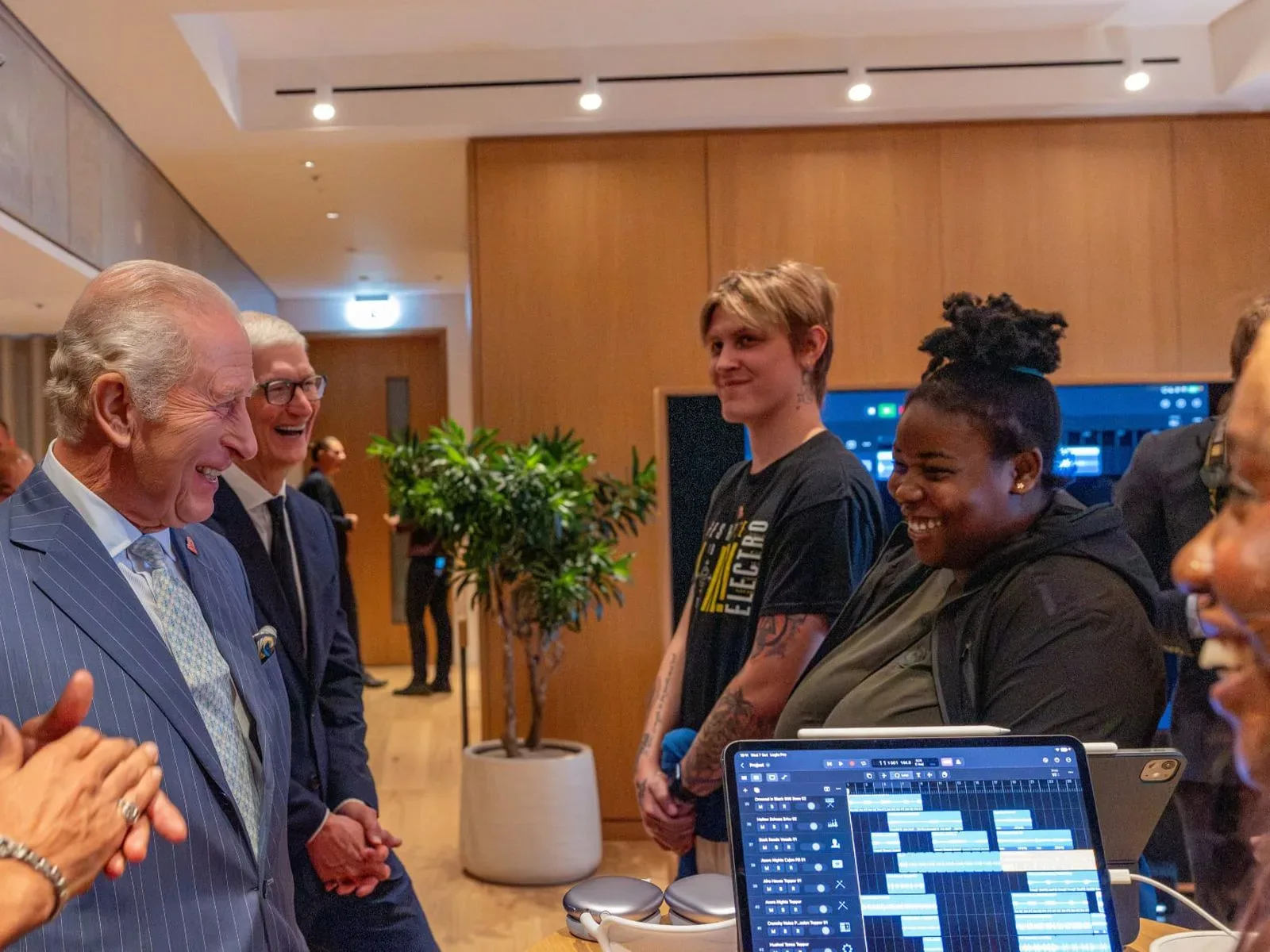
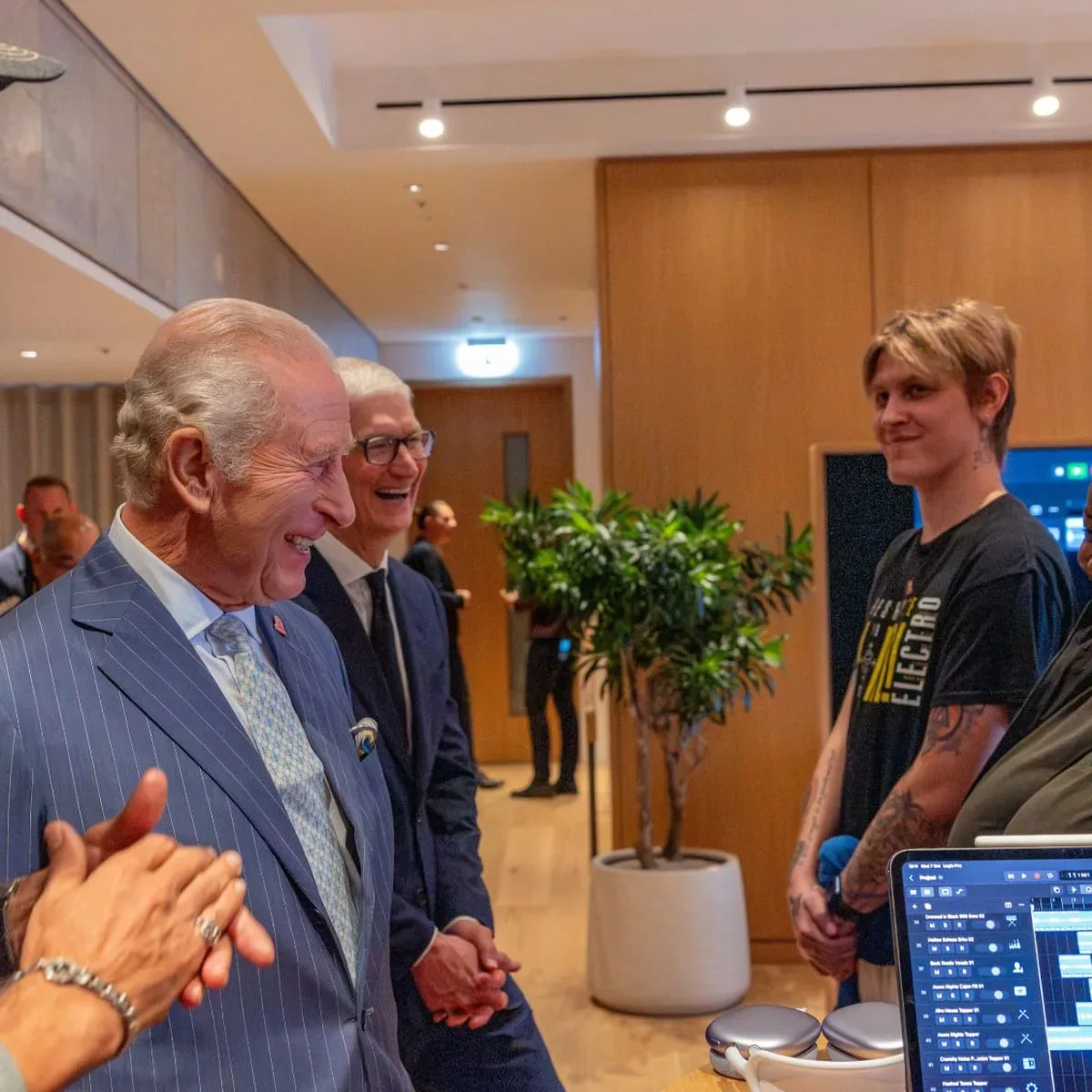
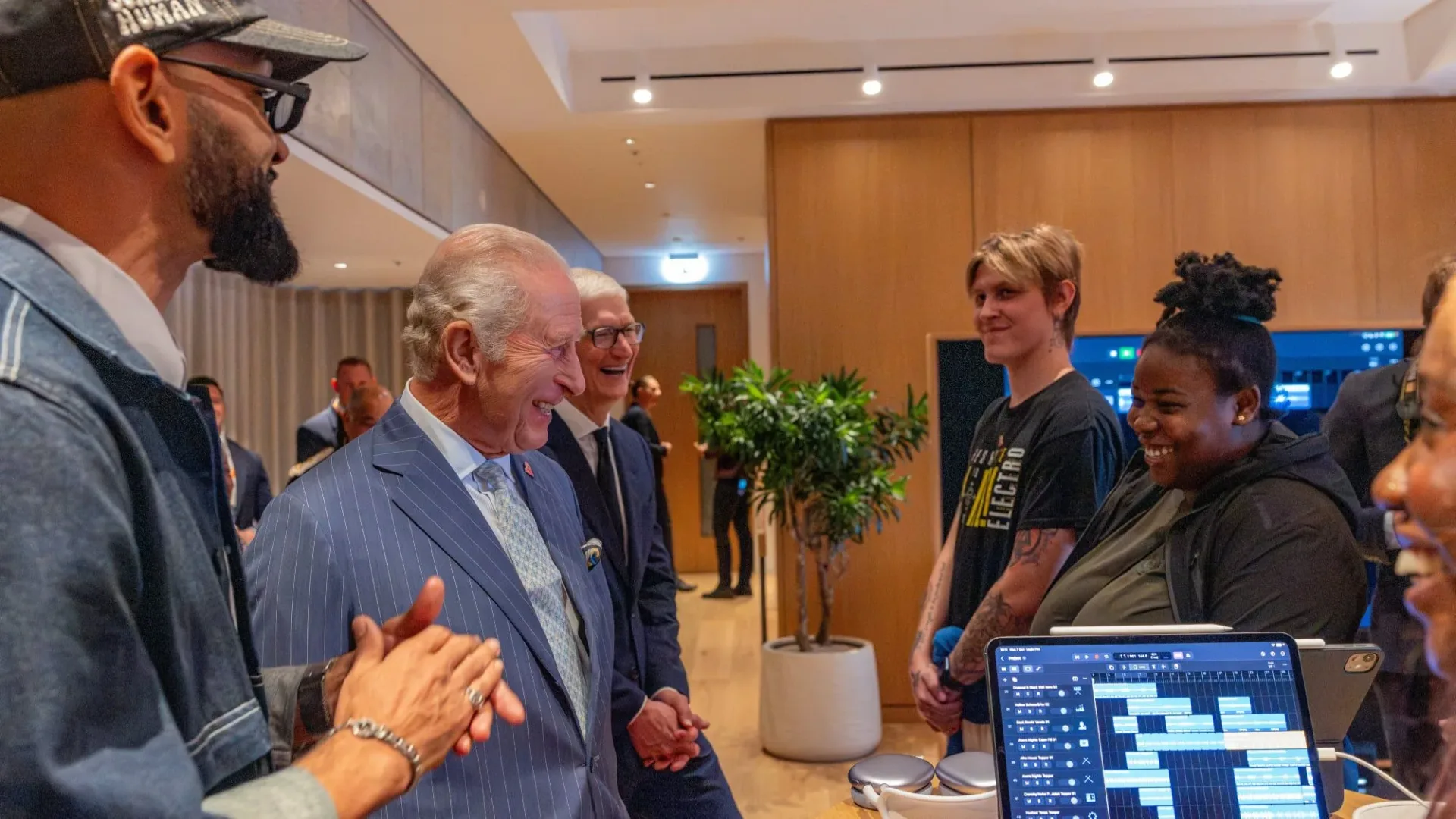
The first group includes up to 20 people. Its sessions began this week with music-industry and creative workshops connected to the opening of Apple Music Hall at Battersea Power Station in London. Apple chairman Tim Cook and King Charles III visited the venue and met attendees.
Further cohorts and sessions are planned across the next year, although details such as the number of future places, specific course subjects, eligibility requirements, and a wider schedule have not been outlined.
What Creative Labs is designed to do
The program’s central aim is career development rather than simply product familiarity. Participants will work with Apple experts while investigating different creative paths, using Apple technologies to build what the program describes as industry-aligned skills.
That phrase matters. Industry-aligned skills generally means teaching is intended to connect with abilities used in professional creative settings, rather than treating technology as an isolated subject. In this case, the available information establishes that workshops include music-industry and broader creative work, but it does not specify particular software, devices, qualifications, project briefs, or employment placements.
That leaves a sensible distinction between what is confirmed and what is not. Creative Labs is a structured opportunity for a small initial group to receive workshops and exposure to creative career options. It should not yet be read as a promise of jobs, accredited certification, a degree-equivalent course, or a public hardware giveaway.
A small first cohort, with room to expand
An initial intake of up to 20 participants is modest, but that size can make practical workshops more manageable. Creative work often benefits from feedback, conversation, and time with instructors; a limited cohort can support that kind of format better than a very large lecture-style session.
The trade-off is scale. Up to 20 people is only a starting point, and the impact of the program will depend substantially on its future cohorts, the range of sessions offered over the coming year, and how participants can carry their experience into education, portfolios, professional networks, or work. Apple and The King’s Trust have said more groups are coming, but have not provided enough information to calculate the initiative’s eventual reach.
For prospective participants, the key practical takeaway is equally straightforward: Creative Labs is beginning as an ongoing program, not a one-off event tied solely to the new London venue. Anyone interested will need to watch for future cohort information rather than assuming the first intake represents the full opportunity.
Why the Battersea setting fits the launch
The opening workshops were timed to Apple Music Hall’s launch at Battersea Power Station. Music is one of the creative fields directly named in the program’s opening activity, so the setting gives the first sessions an immediate connection to the kinds of industries Creative Labs is meant to spotlight.
Still, the initiative is not described as music-only. Its stated purpose is broader: helping young people consider careers across creative industries. Music workshops are the confirmed starting point, not evidence that future sessions will be confined to recording, performance, production, or any single discipline.
The high-profile visit from Cook and King Charles III also signals institutional attention to the launch. It does not change the practical fundamentals: the program is delivered through a partnership with The King’s Trust, begins with a limited cohort, and is expected to add more sessions during the next year.
A longer Apple and King’s Trust relationship
Creative Labs builds on a partnership that began in 2019. Since then, Apple and The King’s Trust have worked to broaden access to STEAM programming in schools across the UK.
STEAM stands for science, technology, engineering, arts, and mathematics. The addition of arts to the better-known STEM grouping is especially relevant here. It frames technical capability and creative practice as connected rather than competing skills: technology can be part of making music, design, video, visual work, and other creative output, while artistic thinking can shape how people use technical tools.
The new program shifts the focus toward adults aged 18 to 30 who are considering career directions. That makes it a continuation of the existing educational relationship, but with a more defined creative-employment emphasis and a workshop model involving Apple experts.
AI literacy is part of the wider work
Apple is also working with The King’s Trust on resources intended to develop AI literacy, creativity, and agency among educators and young people. This work sits alongside Creative Labs, though no specific AI workshop content has been confirmed for the initial cohort.
AI literacy is more than knowing that generative AI tools exist. In a learning context, it can include understanding what such systems can and cannot do, evaluating outputs critically, and making informed decisions about when a tool is useful. The reference to agency is important too: it points toward people retaining the capacity to make choices and direct their own work, rather than passively accepting automated suggestions.
That is an increasingly relevant framing for creative education. AI tools can affect brainstorming, drafting, image generation, audio work, research, and workflow decisions, but the provided information does not identify any particular tool or curriculum. The confirmed commitment is to resources around literacy, creativity, and agency—not a detailed list of teaching materials or claims about what participants will produce.
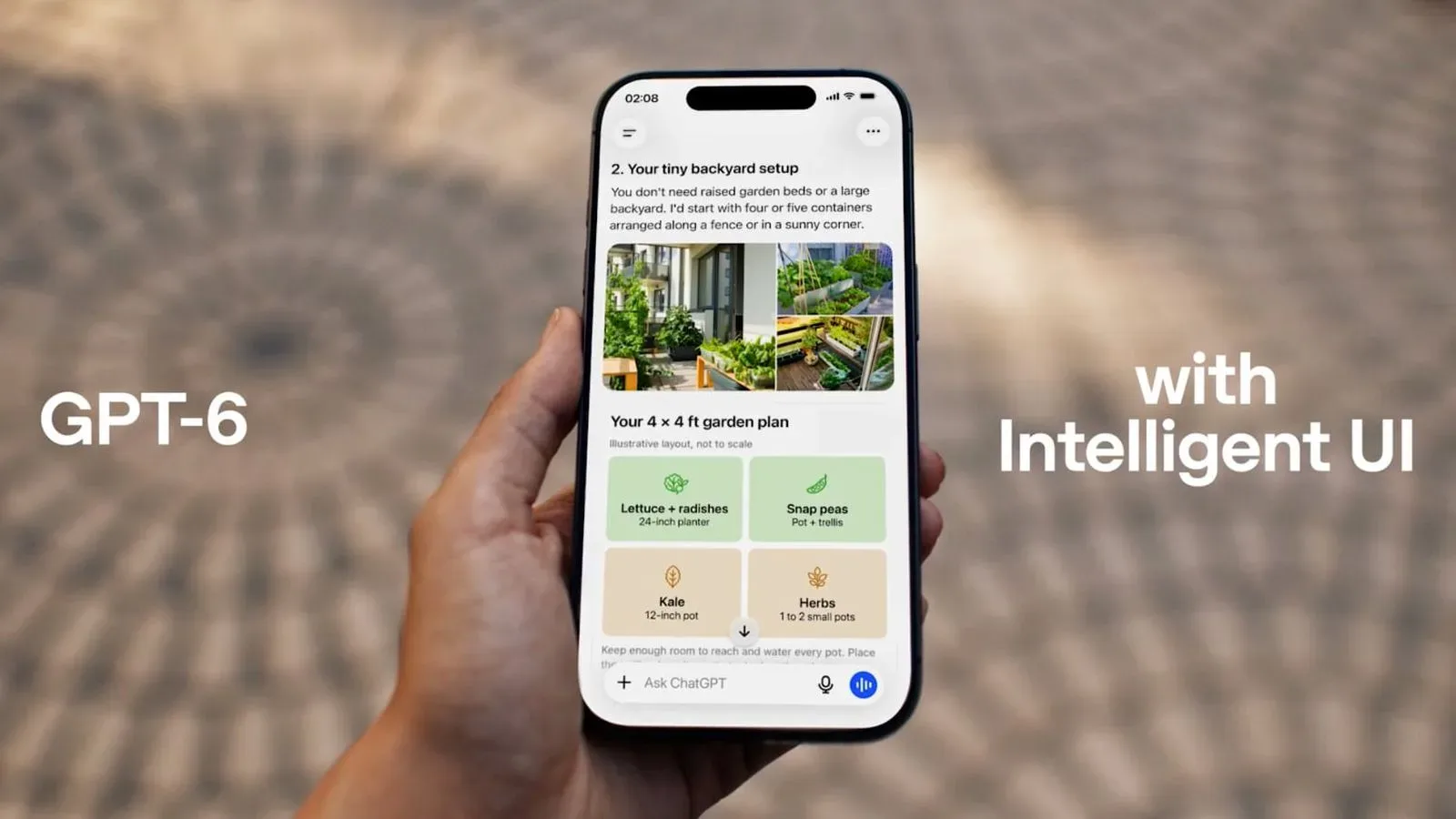
The wider technology conversation is moving toward interfaces that turn answers into usable actions and tools, as seen in recent developments around interactive AI interfaces. For education programs, that makes critical understanding especially useful: knowing how to operate a tool is different from knowing how to judge, adapt, and responsibly apply its output.
What is known—and what remains open
- Confirmed: Apple x King’s Trust Creative Labs is a UK education program for people aged 18 to 30.
- Confirmed: The first cohort has up to 20 participants and began with music-industry and creative workshops in London.
- Confirmed: More cohorts and sessions are expected over the next year.
- Confirmed: Apple and The King’s Trust have worked together since 2019 on access to STEAM programming in UK schools.
- Confirmed: The organizations are also developing resources related to AI literacy, creativity, and agency for educators and young people.
- Not specified: Future intake dates, application process, costs, exact workshop curriculum, credentials, or employment outcomes.
For now, Creative Labs is best understood as a focused new branch of a longstanding education partnership: one that brings a small group of young adults into direct workshops with Apple experts, starts from music and creative practice, and intends to keep expanding through new cohorts. The real measure of its reach will come with the additional sessions promised over the next year.