One of PC role-playing’s most influential names may be headed back toward its creator. Richard Garriott says he has begun the process to reclaim copyrights connected to Ultima, the long-running RPG series he created, from Electronic Arts. The immediate practical result is not a newly announced game, remake, or rerelease. EA remains the rights holder for now. But Garriott says the process could put the future of Ultima back under his control as early as next year.
That is a big conditional, and it is worth keeping the condition attached. Garriott says he notified EA in April of this year that he plans to take the copyrights back. He also says EA responded that it recognized the law he cited and would act accordingly. The two sides are now discussing whether there is anything they should do together. There is no disclosed deal, development partner, release schedule, platform plan, or confirmation of an Ultima project.
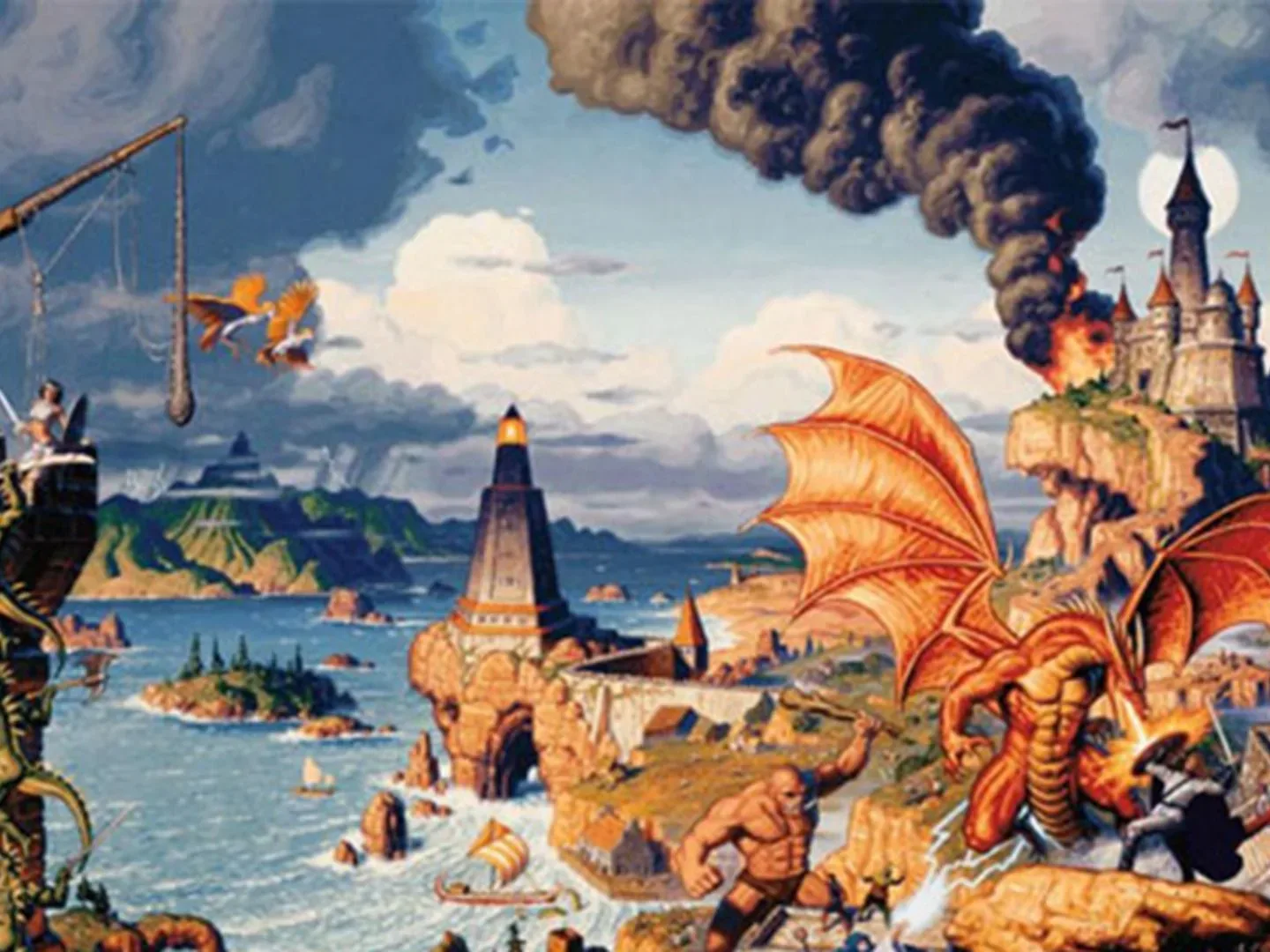
Still, it is hard to overstate why the prospect catches the eye. Ultima is not merely an old label stored in a corporate vault. Its history runs through single-player RPGs, the early online ambitions of Ultima Online, and an era when Origin Systems was a prominent game studio. A return of meaningful creative control to Garriott would change the conversation from “will this dormant series ever be revisited?” to “what does its original creator actually want to do with it?”
The claim: copyrights can revert after an earlier transfer
Garriott described the basis for his plans as a U.S. copyright rule that can allow an original holder who assigned or sold a copyright to reclaim it after 35 years, provided notice is given in advance. He says that notice was sent to EA in April.
For more context, explore Charlamagne tha God Makes the Case for Audio, Community and Logging Off a Little More Often.
“At the very least it means I could re-release the early Ultimas, but it also means I could sequel them,” Garriott said, describing the potential scope of renewed control.
For players, the important word is could. Copyright is the legal protection generally associated with original creative expression. In a game context, that can matter for material such as written fiction, art, music, characters, and other authored work. “The rights” to a franchise, meanwhile, can be a broader shorthand that may involve separate questions around branding, business arrangements, existing games, distribution, and other intellectual-property or contractual issues. Garriott’s comments specifically concern copyrights, while EA is still described as the current rights holder.
That distinction is not a technicality designed to spoil the party; it explains why a promising legal-development story is not yet a product announcement. Even if the anticipated return occurs, the public does not yet know what material would be included, whether EA would participate in a future arrangement, or what form any eventual Ultima release might take.
For a closer account of Garriott’s stated plans and the potential implications, see this report on the possible return of Ultima rights.
How Ultima arrived at this point
Garriott sold Origin Systems, the studio he co-founded with his brother and father, to EA in 1992. The sale included the Ultima intellectual property. He continued to work at the company afterward, directing multiple Ultima RPGs and producing Ultima Online, the massively multiplayer online role-playing game commonly shortened to MMO.
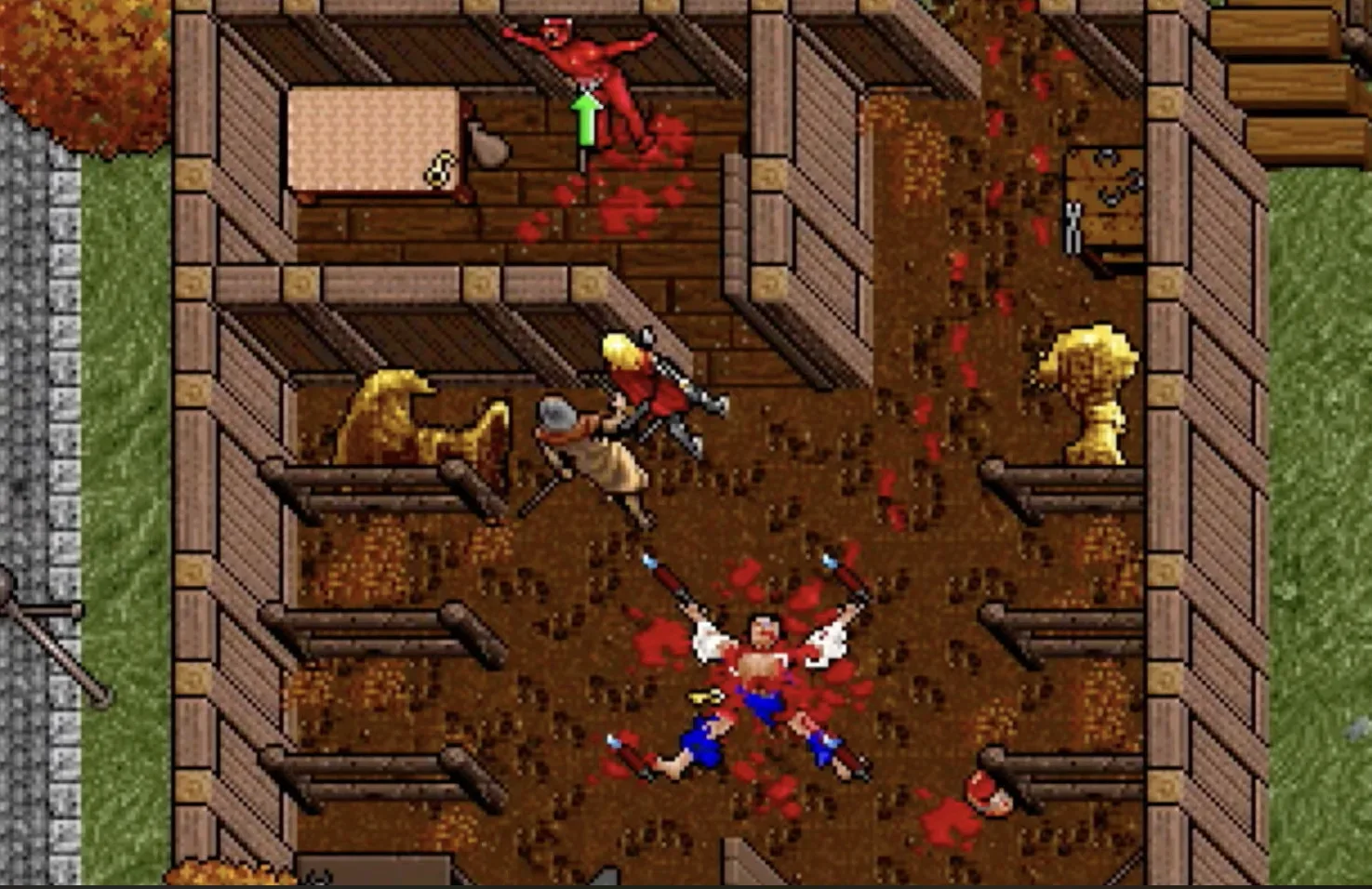
An MMO is an online game built to support a large population of players sharing a persistent virtual world. That persistence is significant: unlike a self-contained adventure that concludes when one player finishes it, an online world is maintained over time, with its community and ongoing operations becoming part of the game’s identity. Ultima Online therefore represents more than a side branch in the series’ history. It is a major reason the possibility of an Ultima revival can mean very different things to different audiences.
The Origin chapter did not end on a simple high note. In 1999, EA cancelled Origin’s in-development projects, in part after poor reception for Ultima IX: Ascension. Garriott left shortly afterward. Origin spent additional time maintaining Ultima Online and working on another online Ultima project that was eventually cancelled, before EA shut the studio down in 2004.
That history makes the present situation especially unusual. A series creator who sold a studio and the associated property decades ago may now regain control over copyrights tied to the work. It is a reminder that “dormant” does not necessarily mean forgotten by the people who made a franchise what it was. It can instead mean that creative interest, corporate ownership, legal rights, and a viable development plan have not lined up at the same moment.
What a return could mean—and what it does not mean
Garriott identified two broad possibilities: making the earlier games available again or continuing them with sequels. Those are dramatically different jobs.
Rereleases, remasters, and remakes are not interchangeable
- Rerelease: An older game is made available again, potentially with limited changes for modern distribution or compatibility.
- Remaster: An existing game is updated or polished while substantially retaining its original structure.
- Remake: A game is rebuilt more extensively, often requiring new production work and fresh choices about how the old design should function for a newer audience.
- Sequel: A new entry that continues the series, with the largest creative and production unknowns of the group.
None of those options has been committed to publicly. But they present different risks for anyone holding the future of a heritage RPG series. A rerelease asks whether old software and its original design can be presented accessibly. A remaster asks what should be modernized without sanding away the parts that made the game distinctive. A remake requires interpretation: which systems, stories, and expectations are essential, and which are artifacts of their time? A sequel carries the greatest burden because it must establish what Ultima should be now, rather than simply preserve what it once was.
The prospect of another online project also naturally hangs over the discussion. A planned Ultima Online 2 was announced in 1999 and cancelled in 2001. Its stated steampunk direction has become a particularly enduring “what if” for followers of the original online game. Yet the cancelled project is history, not evidence that a successor is underway. Garriott’s present comments allow for sequels in general; they do not confirm a new MMO, a revival of that particular concept, or a return to its proposed setting.
Why creator involvement matters, but does not settle every question
Garriott’s role is central to the news because he created Ultima and remained involved through major parts of its development history. Creator involvement can provide continuity of intent, familiarity with a series’ themes, and a direct interest in deciding how old work is presented or expanded. For a long-inactive property, that is a meaningful change from a situation in which the catalog has no publicly visible path forward.
It is not, by itself, a guarantee of a successful modern game. Developing, restoring, publishing, and supporting games require resources and decisions well beyond ownership or authorship. The record described here also includes uneven outcomes after the earlier Ultima period, including an attempted NFT-based MMO and later releases that were not all well received. That does not decide what any future project would be, but it is a useful reason to avoid treating the potential change in rights as an automatic promise of quality.
NFTs, or non-fungible tokens, are blockchain-linked digital tokens often marketed as proof of ownership or scarcity. They have been a contentious subject in games, especially when attached to online services or virtual items. Their mention in Garriott’s recent history is relevant context, not an indication that any future Ultima project would use them. No such feature has been announced.
The practical wait starts now
For the moment, the useful reading of this story is cautious optimism. Garriott says he has taken the notice step, believes the copyrights can return next year, and is actively speaking with EA about the possibility of working together. He has specifically raised rereleases of early games and potential sequels as outcomes that control could make possible.
What remains unanswered is just as important:
- Whether the return of copyrights will proceed exactly as Garriott expects.
- Whether EA and Garriott will reach a collaborative arrangement.
- Whether the first result, if any, would be preservation, rerelease, remaster, remake, or a completely new game.
- Whether Ultima Online would factor into any future plan.
- Which teams, platforms, business model, and timing would be involved.
That list is not a lack of news; it is the shape of the news. The possibility of the original creator regaining control over the future of a foundational RPG line is consequential precisely because there is no prepackaged revival ready to unveil. The next phase is likely to be conversations and choices rather than an instant return to Britannia. If those choices result in new or newly available Ultima games, fans will finally have something concrete to assess. Until then, the franchise’s future is on the table—not yet on a release calendar.