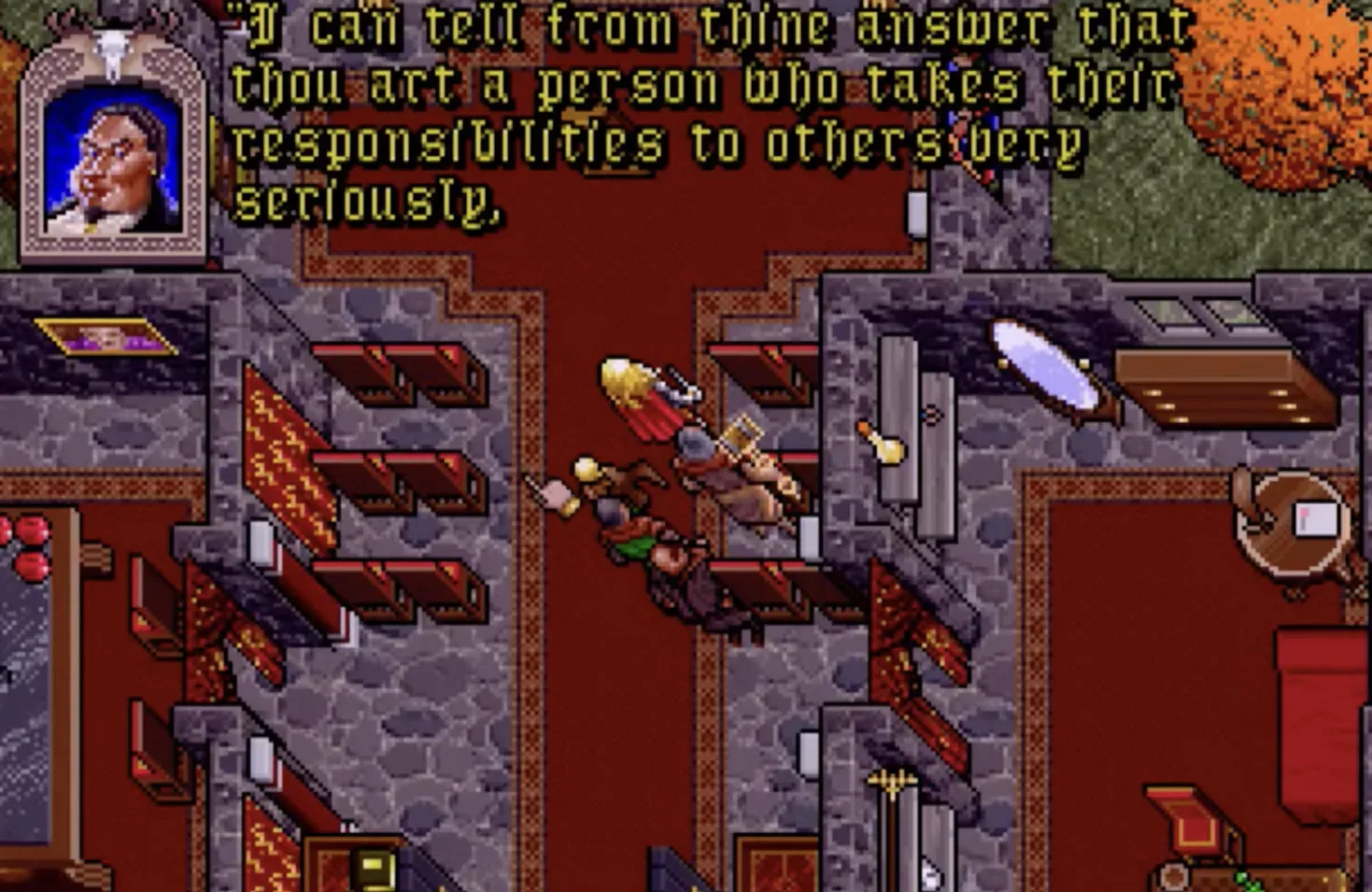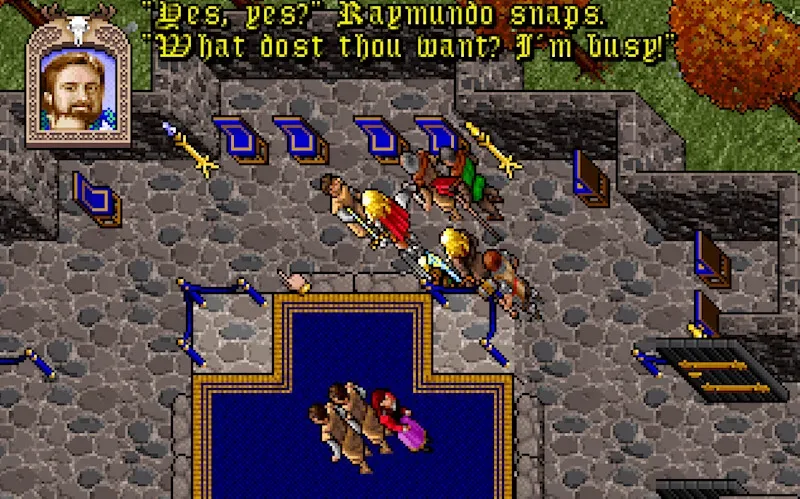
Ultima VII: The Black Gate arrived in 1992, but its most striking idea still feels unusually ambitious: Britannia is not merely a place where quest markers wait patiently for the player. It is a messy, interactive society full of routines, resentments, private grief, local politics, cluttered rooms, readable books and people who seem to have a life beyond the Avatar’s immediate needs.
Developed by Origin Systems, the PC RPG has maintained its reputation as a foundational game in the genre. Its influence has been cited by major developers including Bethesda’s Todd Howard and Larian Studios’ Swen Vincke. That legacy is not just about scale. It comes from the way The Black Gate combines open-ended exploration with a tightly authored mystery, and from its willingness to make Britannia feel troubled rather than eternally grateful for the hero’s return.
A fantasy RPG that opens like a murder case
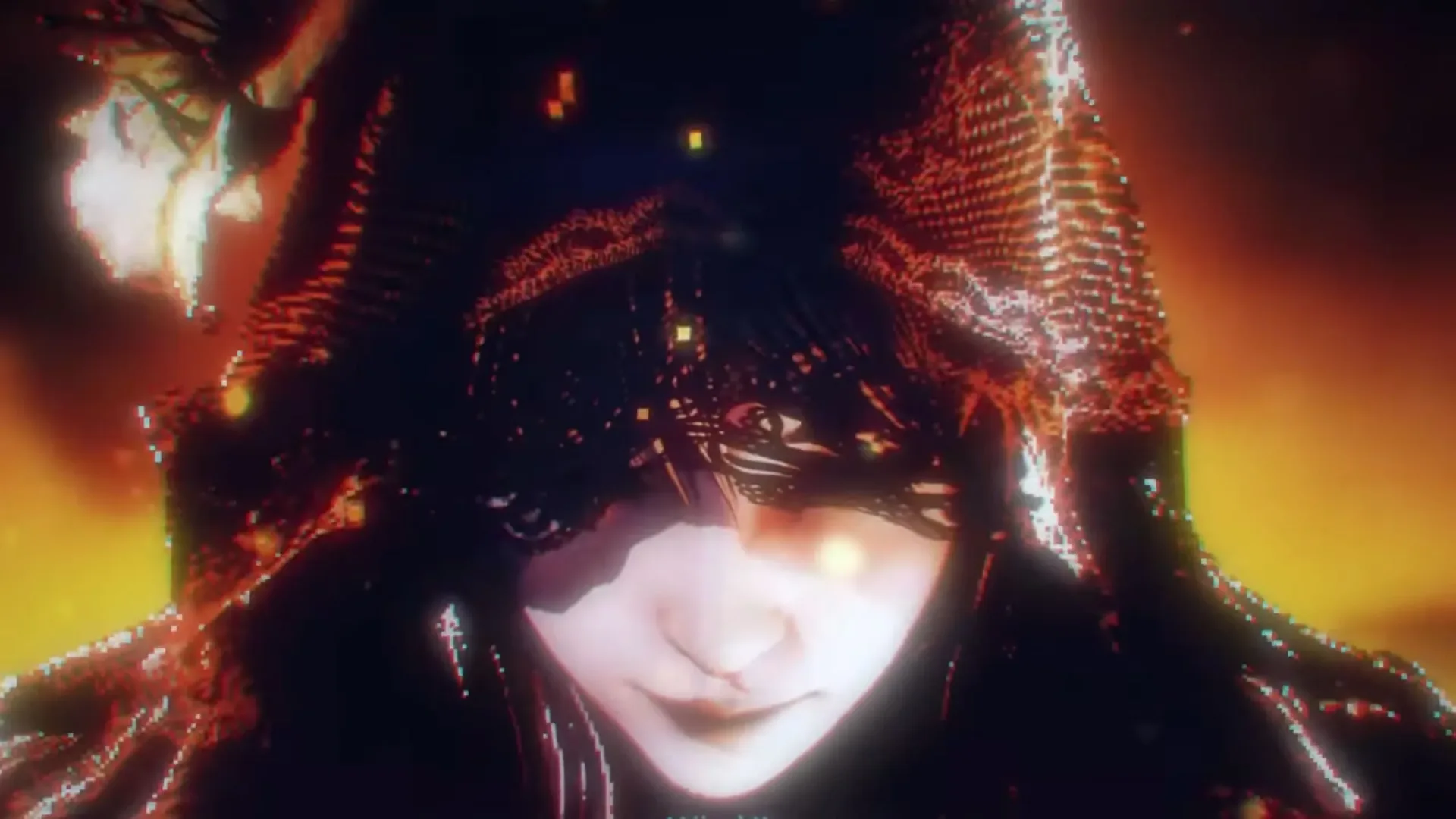
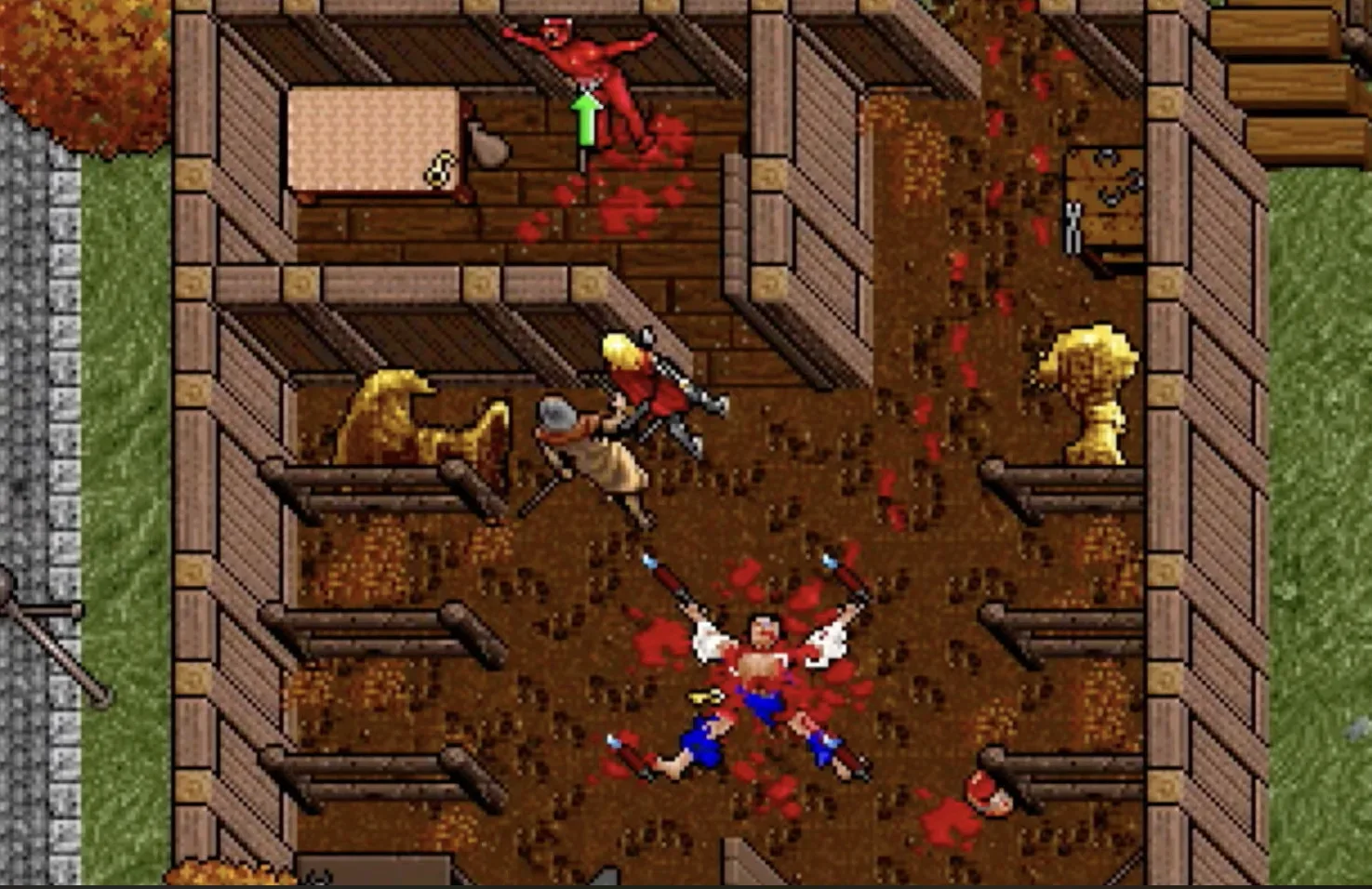
The Avatar’s trip back to Britannia is immediately unsettling. Two centuries have passed since the prior adventure, and the opening in Trinsic presents a brutal murder alongside the unexplained killing of a Gargoyle. The Guardian, a red and menacing presence, taunts the Avatar before the investigation even begins.
That setup gives the game a distinctly mystery-driven opening. Players can inspect the scene, question townspeople and follow leads, but the world does not force them into a narrow detective-game corridor. They can also wander away, visit distant towns, poke through homes, read books and encounter the consequences of Britannia’s long period without its legendary champion.
Richard Garriott, Ultima’s creator and director, framed the series after Ultima IV as a vehicle for examining real-world concerns. Where earlier entries explored virtue, authoritarian uses of morality, religious fundamentalism, racism and xenophobia, The Black Gate brought overt evil back to the center. The key was ensuring that evil was not confined to an endgame lair waiting to be defeated.
The Guardian instead works through an appealing ideology and followers whose message has an understandable pull. The Fellowship offers belonging and answers in a country where many people have been failed, neglected or left behind. It is a villainous structure built to be persuasive before its darker purpose becomes apparent.
Lead writer Raymond Benson shaped that premise into an adventure informed by thrillers, mysteries, Hitchcock and James Bond. Benson’s background included theatre, game writing and James Bond scholarship before he joined Origin Systems in Austin. The murder in Trinsic becomes the inciting incident for a much broader conspiracy, while Batlin serves as the charismatic human face of the Guardian’s plans.
Batlin’s role is especially effective because he is not designed as a screaming fantasy tyrant. He projects charm, piety and confidence, with something rotten beneath the surface. It is a familiar spy-thriller archetype given a medieval-fantasy setting, and it makes the Fellowship’s influence feel more plausible than an army of obviously evil henchmen in matching skull helmets.
Related coverage includes Ultima VII: The Black Gate Still Defines What a Living RPG World Can Be.
Britannia remembers the Avatar was gone
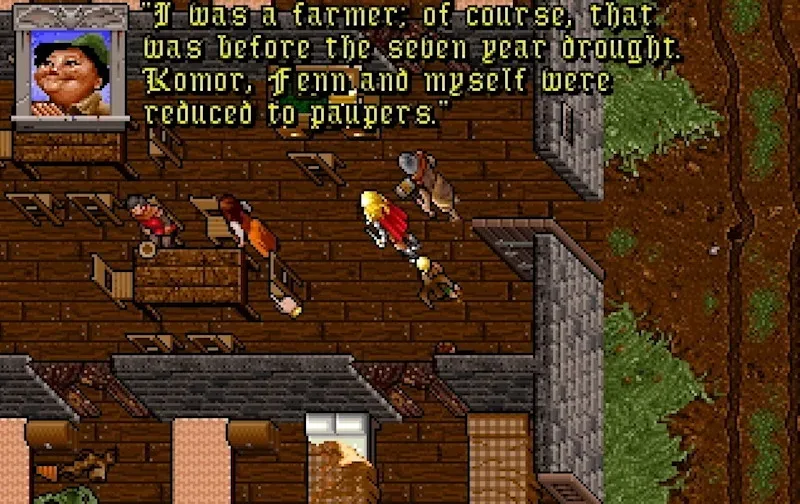
The world’s social texture is central to why the game has endured. Britannia is no longer a pristine kingdom awaiting rescue. Paws has suffered through drought and poverty, creating a stark contrast with the greater wealth around Lord British’s seat of power. Other places expose civic failures, prejudice and exploitation. The Avatar may have saved the world in prior games, but that history does not erase what happened during 200 years of absence.
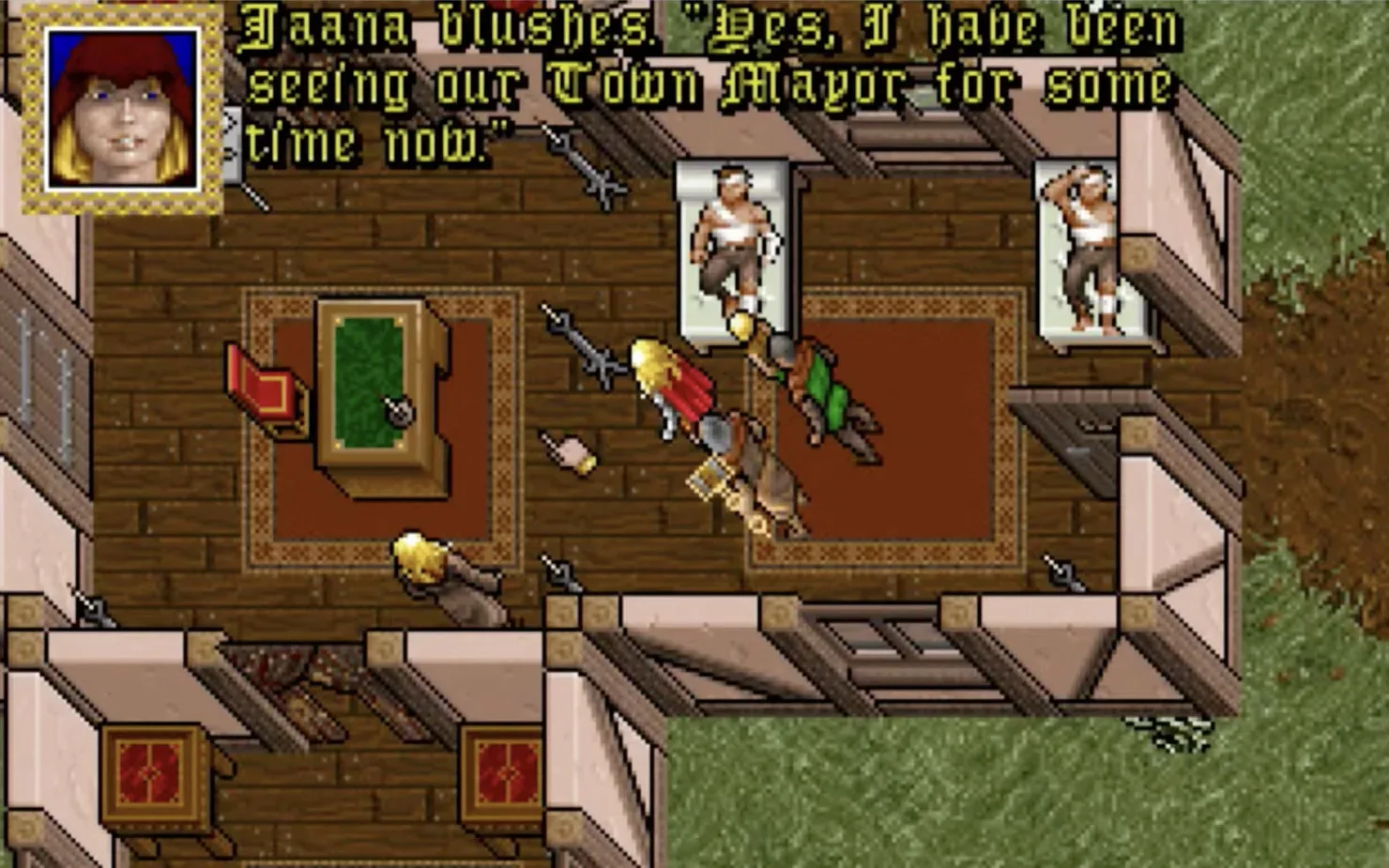
That tension makes exploration meaningful. In Cove, for instance, a polluted lake becomes part of a small civic story involving Miranda, a proposed cleanup bill, Mayor Lord Heather and his feelings for Jaana. It is not simply a quest transaction. The connected conversations make it possible to learn what individuals want, whom they admire, and what they would rather not say directly.
Writers Andrew Morris, Beth Loubet, Jack Herman and Benson worked within a broader group of roughly 30 Origin employees across writing, art and programming. Morris focused substantially on NPCs and described using a character bible to keep personalities and roles varied while building background details for Britannia’s residents.
The conversation system enabled small state changes with lasting consequences. One example involved a grieving healer in Yew: showing sympathy could lead to cheaper healing for the rest of the game. Such a reward is modest, but its value is not only mechanical. It tells the player that acknowledging another character’s pain can matter even when the main plot is not at stake.
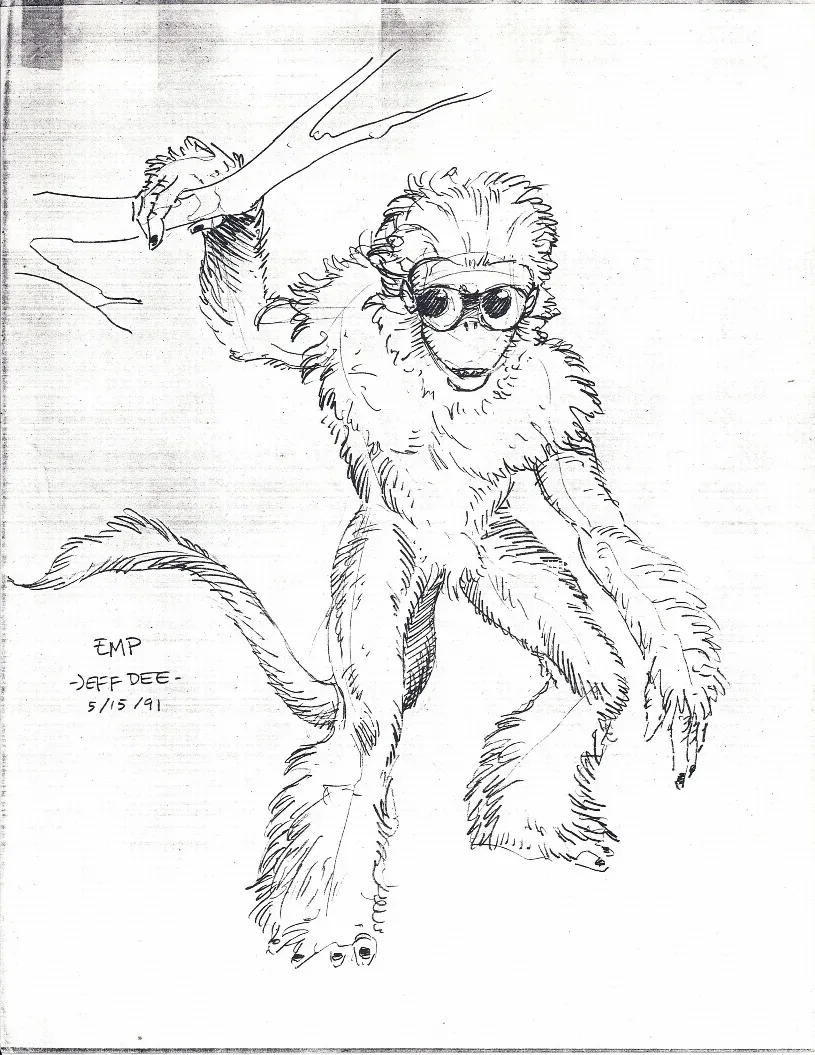
Morris also helped develop the emps as a culture outside standard fantasy templates, including their linguistic syntax. Meanwhile, books scattered through the game add jokes, lore, pop-culture nods and history. The Royal Museum even preserves artifacts associated with earlier Ultima games. These details do not exist solely to advance the core mystery; they exist because a place feels more credible when it contains things that are not about the player.
Skara Brae provides one of the darkest examples. Formerly associated with Spirituality, it has become a city of the dead. A quest involving the mage Alagner and the Tortured One pushes the Avatar toward an unsettling investigation into life and death. Designer John Watson originated the intricate subplot, while its revelation also helps explain the nihilistic road taken by a younger Batlin.
Writing branches into a living-world illusion
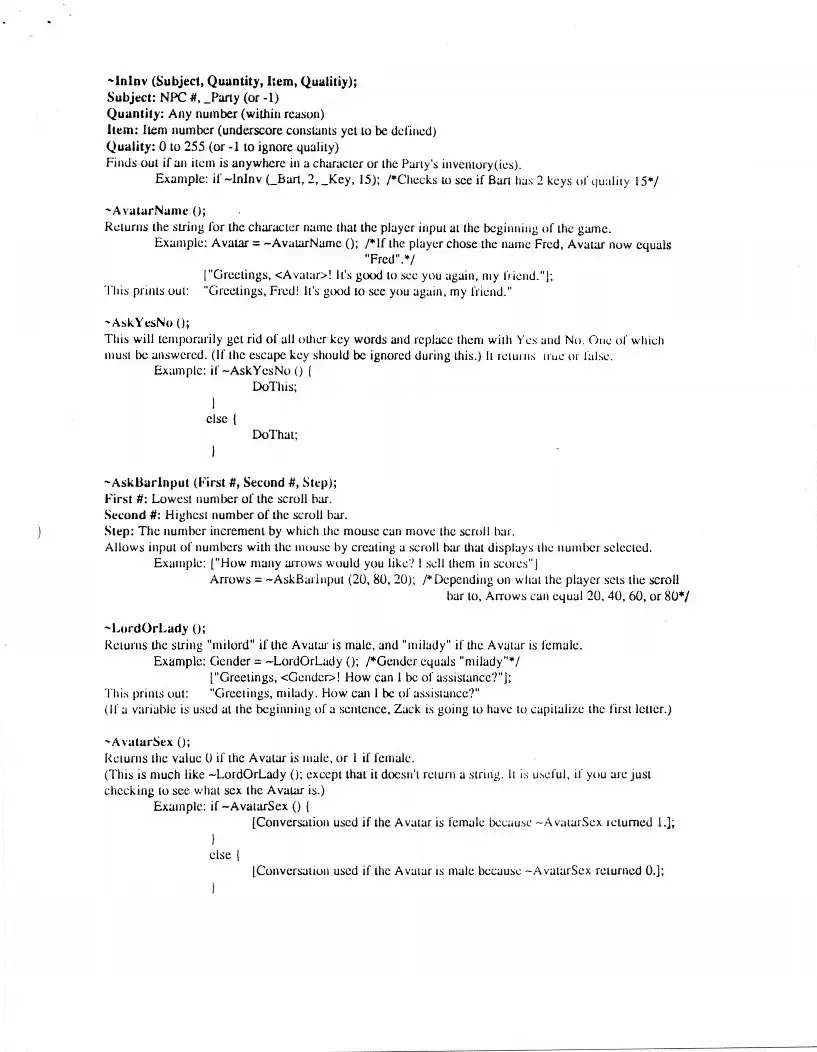
None of this was achieved through pure prose alone. The team wrote branching dialogue and action logic in the game’s “usecode,” a system built around conditional outcomes: if the player has done one thing, a character may react one way; otherwise, a different result follows. Writers had to account for dialogue branches, consequences and the many unpredictable things players might attempt.
The writing team gathered in rooms nicknamed the Writers Block, assigning towns and developing their local arcs while Benson oversaw the main scenario with Garriott. Meetings with artists, programmers and the rest of the team were a necessary part of the process, because a good conversation could require a particular item, flag, map element or visual cue to work correctly.
The result is an RPG whose openness was also technical. Players could travel between towns, the overworld and dungeons without loading screens dividing each region. That may sound routine now, but in 1992 it supported the game’s core illusion: Britannia was a contiguous place, not a row of separate stages.
Benson also contributed the widely remembered Love Theme, alongside composer Dana Glover and other music contributors. There is even a wonderfully sharp piece of development-era mischief in the Guardian’s three evil constructs: the sphere, cube and tetrahedron mirrored Electronic Arts’ logo at the time Origin was acquired. The team asked whether the symbols should be changed, and EA reportedly enjoyed the joke.
Why preservation became part of the game’s story
For all its design strengths, Ultima VII was not destined to be effortless to revisit. Its unusual DOS memory management pushed hard against the old 640 KB conventional-memory limit, and compatibility got worse as PCs and operating systems moved on. DOSBox later helped older applications run on newer Windows, macOS and Linux machines, although the game could still be demanding.
That is where Exult became vital. It is not an emulator; it is an open-source reimplementation of the Ultima VII engine that uses the original game’s data, graphics and plot files. A legal copy of The Black Gate or Serpent Isle remains necessary.
Exult began in 1998 with Jeff S. Freedman, known as DrCode, creating a map viewer after studying documentation on how Ultima VII stored maps and shapes. The early program let users roam the world but not actually play. Progress accelerated after developers Maxim Shatskih and Wouter Dijkslag recognized that usecode was compiled bytecode for a virtual machine and created tools to disassemble and assemble it, while Freedman developed an interpreter.
Contributors from the United States, Europe and Australia helped turn that breakthrough into a practical way to play both The Black Gate and Serpent Isle. Exult has added conveniences including dramatically expanded save capacity, display options, paperdoll enhancements and support for the full-length Serpent Isle introduction. Its larger view options come with a sensible caveat: revealing more of the map than the original 320×200 presentation can expose areas or encounters too early, particularly in the denser Serpent Isle.
Development continues, and Exult Studio provides map-editing tools. Community projects have used the engine for mods and conversions, including an Ultima VI adaptation built on The Black Gate framework. Other efforts include an Ultima VIII “demake” connected to ideas from the unreleased The Lost Vale expansion.
That kind of long-term stewardship is a reminder that classic RPG history is not preserved by nostalgia alone. It takes documentation, reverse engineering, careful maintenance and players willing to keep asking awkwardly specific questions about a three-decade-old conversation script.
A legacy measured in possibility
There have been surprisingly few direct attempts to reproduce the full Ultima VII formula. Its influence is easier to see in an aspiration: the belief that a role-playing world should react, contain secrets and suggest that life continues beyond the player’s field of view. Its full-screen interface, movable overlays and object interaction helped establish expectations that later games have pursued in their own ways.
That pursuit remains relevant as modern RPGs debate the role of turn-based systems, authored quests and systemic freedom. For another angle on where the genre may be heading, see this look at the renewed push for turn-based RPG design.
The Black Gate also helped sustain a lasting fan culture. The Ultima Dragons began as a Prodigy group called Players of Ultima For Fun on February 27, 1992, before evolving into the Ultima Dragons Internet Chapter in September 1994. The community’s name grew from a playful “Puff the Magic Dragon” reference, and members adopted Dragon-ending names. More than 16,000 members have joined across its history, while its community has moved through Usenet, FTP archives, IRC, MOO spaces, websites, Facebook and Discord.
In 2017, Garriott was formally welcomed into the Dragon-named community at the group’s 25th-anniversary gathering. It is an appropriate chapter in the game’s history. Ultima VII: The Black Gate imagined a world worth inhabiting even when the Avatar was not looking. Decades later, the people preserving, modifying and discussing it are still proving that Britannia has not stopped existing.