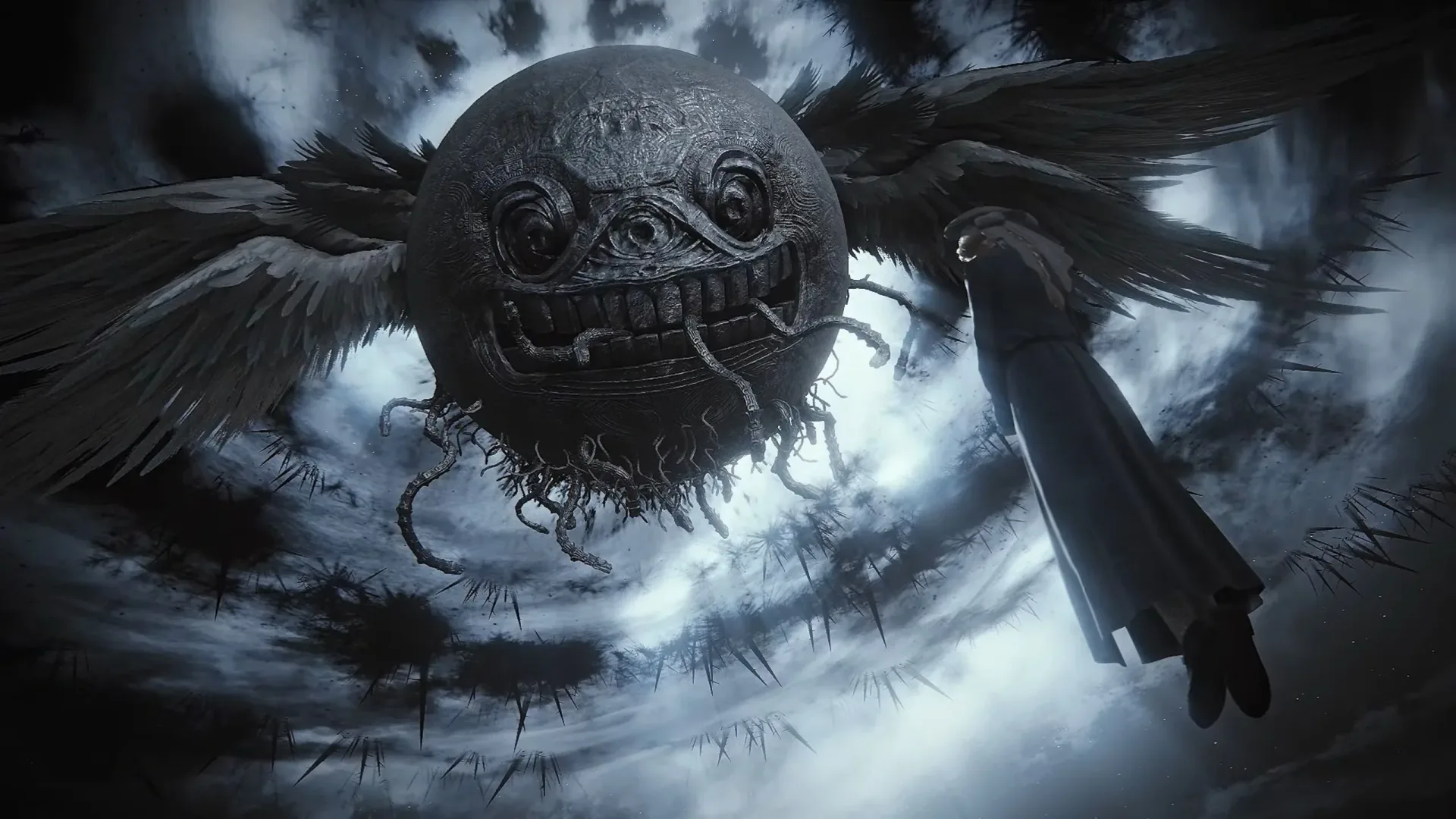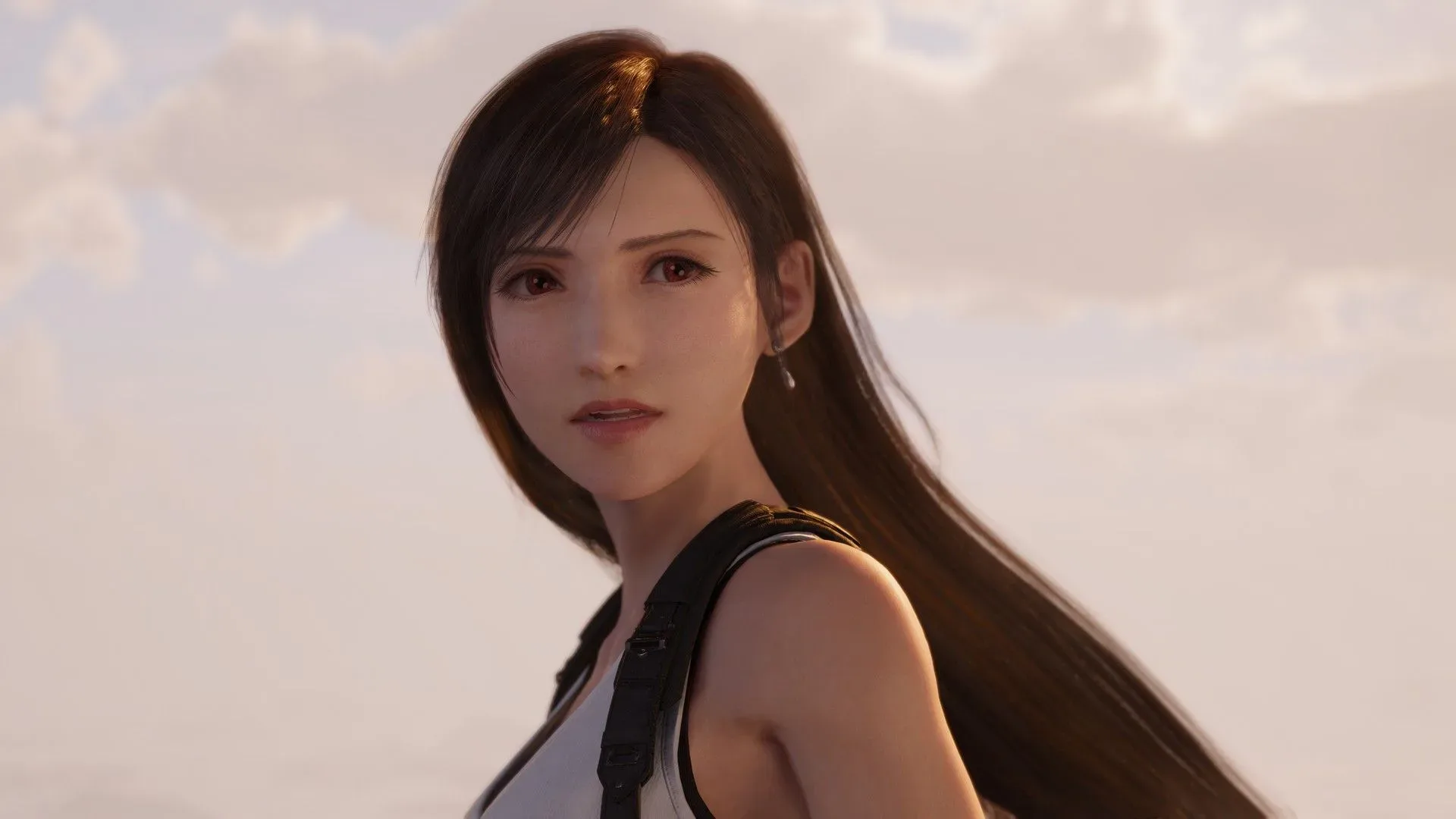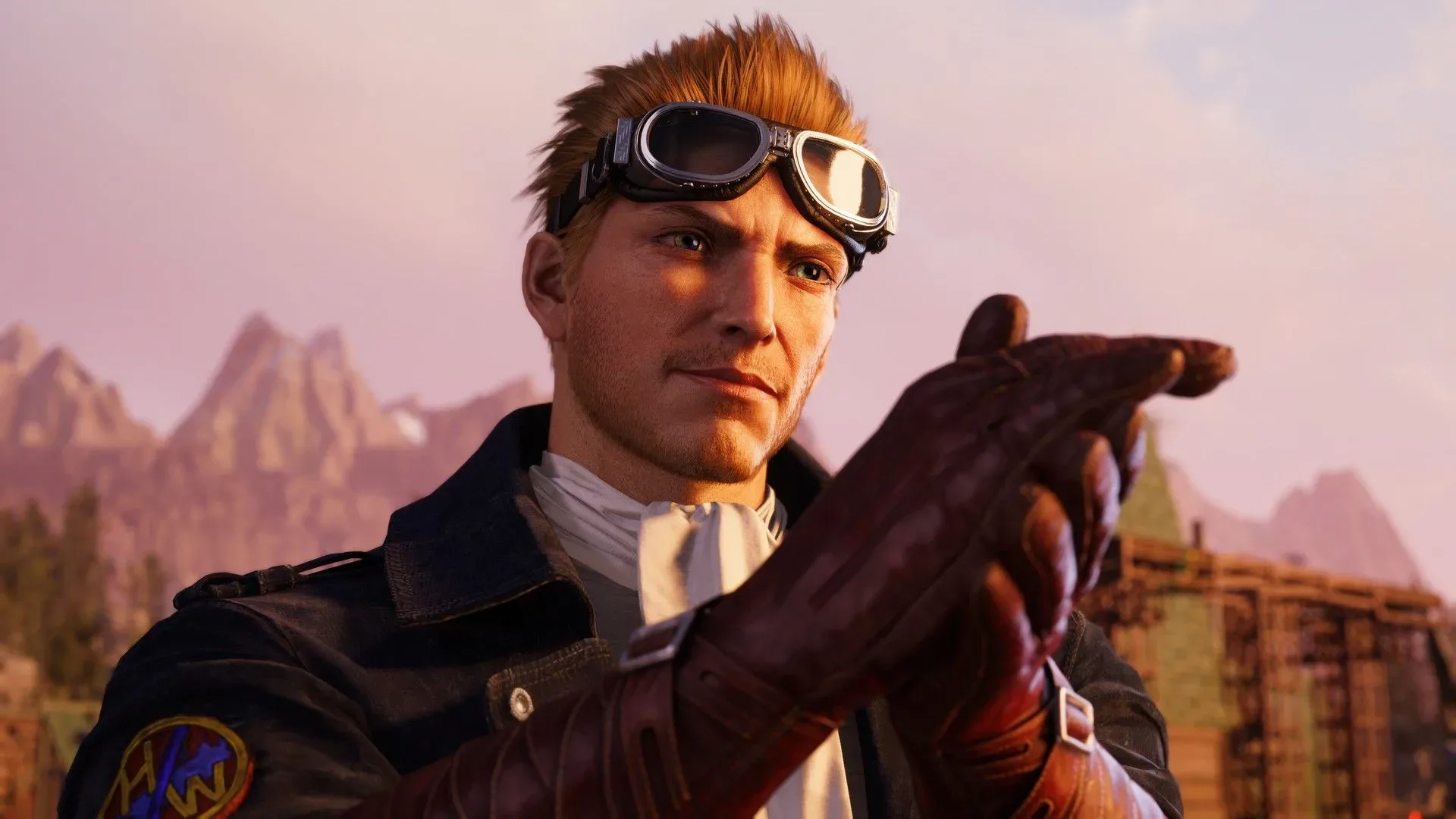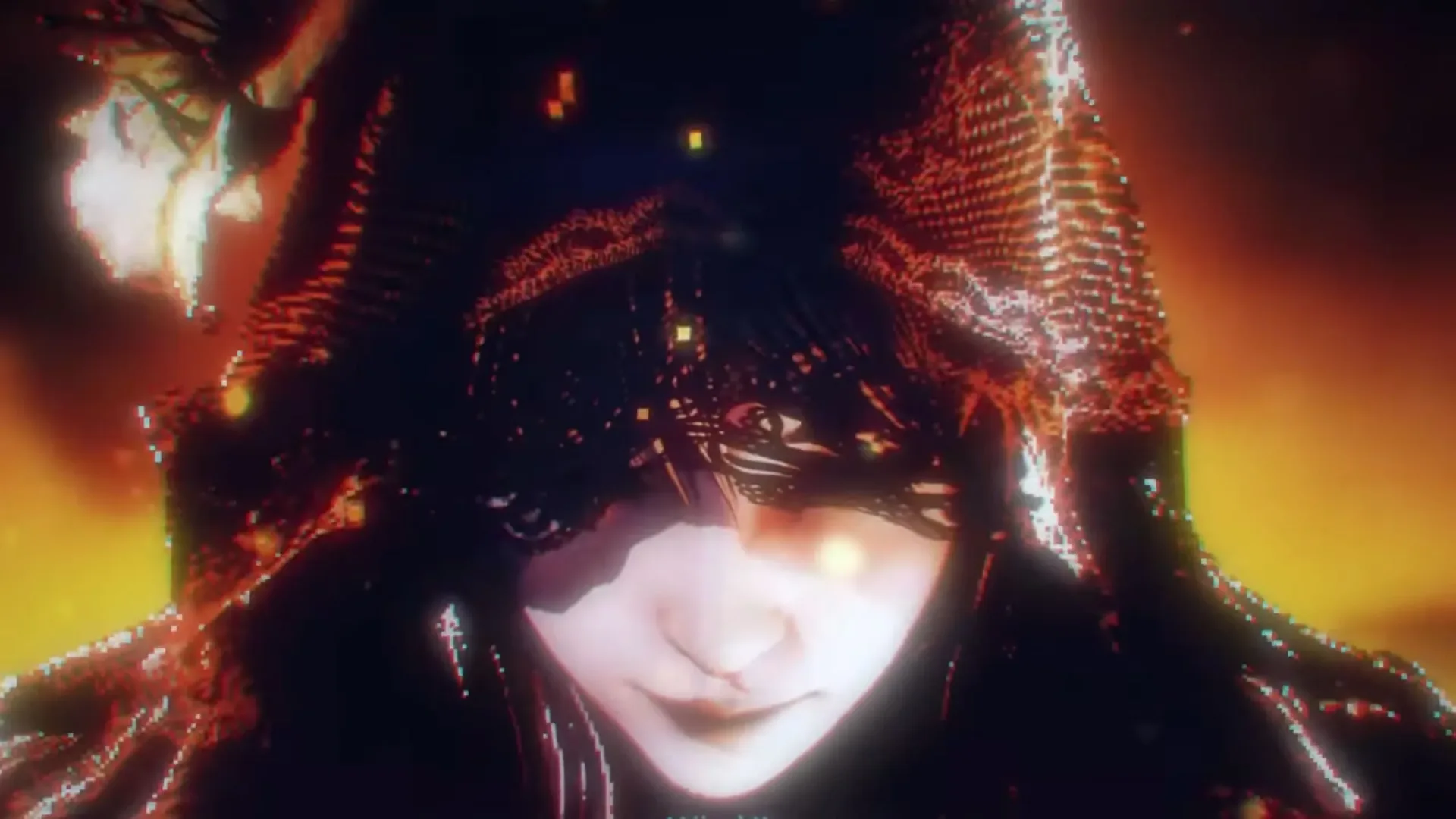
For years, turn-based combat has been periodically declared an endangered species, as if a committee of very serious-looking action-game executives had quietly placed it on a shelf next to the fax machine. Yet the format has stubbornly refused to disappear. More than that, it has found new audiences, new visual languages, and new ways to make choosing “Attack” feel like an act of high-pressure tactical theatre.
Hiroto Furuya, director of Final Fantasy Resonance, sees the current moment as a genuine return to prominence for turn-based RPGs and JRPGs. Speaking at PAX, Furuya described a global wave in which the style is being revisited and reassessed. Final Fantasy Resonance, an upcoming refresh connected to Final Fantasy Brave Exvius, is intended to be part of that wave: a game that recognizes why the classics endure without treating nostalgia as the entire assignment.
“Looking at the recent wave of things globally, it seems there’s a resurgence of turn-based RPGs and JRPGs,” Furuya said. “It is kind of like being re-examined once more.”
That observation is difficult to dismiss. Turn-based games may once have seemed to be carrying the burden of explaining themselves to players raised on real-time spectacle, but recent successes have made the case in a much more entertaining fashion. A well-built turn system can create suspense through information rather than reaction speed. It lets players read the board, anticipate the enemy, build a plan, watch it explode magnificently, and then realize the enemy had an even ruder plan waiting in reserve.
Classic Final Fantasy ingredients, with room for new mechanics
Furuya’s comments position Final Fantasy Resonance as a project with one foot in familiar series territory. Its world includes crystals, chocobos, and the long-running Final Fantasy blend of magic and machinery. Those elements are not merely decorative franchise stickers. In the best Final Fantasy tradition, they signal a particular kind of fantasy: ancient forces, technological ambition, strange creatures, and a world that may need saving shortly after someone finishes explaining what a crystal does this time.
The game’s battle system is turn-based, but the available details point to more than a straightforward queue of characters politely waiting to swing swords. Turn order matters, while an enemy stagger meter can disrupt that rhythm. Filling the meter creates an opening in which the target takes increased damage, potentially changing the immediate priorities of a fight.
That combination gives battles a useful tension. Players are not only weighing which command deals the biggest number right now. They may also need to consider who acts next, how close an opponent is to being staggered, and whether it is worth spending resources to create a stronger damage window. Traditional turns provide the pacing; stagger mechanics provide the reason to keep recalculating. It is a very RPG solution to a very RPG problem: make everybody take turns, then make those turns extremely complicated.
Furuya said the team wants to preserve what is appealing and enjoyable about classic RPGs, while refusing to stop there.
Related coverage includes Final Fantasy Resonance Aims to Build on Turn-Based RPG Revival.
“We’re trying to capture that through Final Fantasy Resonance – but not stop at that,” Furuya said. “We wanted to ensure that we’re delivering a new experience, a new title, to audiences all around the world.”
That distinction matters. “Classic” can mean many things, from thoughtful party construction and deliberate combat to an interface that expects players to accept cryptic instructions from a man standing beside a well. The lasting appeal is usually not literal imitation. It is the feeling of ownership that comes from making meaningful choices, exploring a distinct world, assembling a capable party, and finding the one strategy that turns an intimidating boss from a disaster into a collectible memory.
HD-2D spectacle is doing more than looking nostalgic
Final Fantasy Resonance also uses the HD-2D visual approach associated with Octopath Traveler. The style combines sprite-informed character work and environments with modern lighting, depth, and presentation. It is not simply a retro filter laid over a contemporary game. At its strongest, HD-2D turns the visual shorthand of earlier console RPGs into a flexible stage for dramatic camera angles, effects work, and cinematic transitions.
In Final Fantasy Resonance, both story sequences and mid-battle cutscenes aim for heightened spectacle. That is a useful fit for a Final Fantasy game, a series that has historically understood the value of making a summons, spell, airship, or unusually enthusiastic sword swing feel like it deserves its own trailer. The turn-based structure need not limit the presentation. Instead, it can make individual actions feel more deliberate, allowing the game to punctuate important moves with visual flourish.
The broader HD-2D trend has helped demonstrate why revisiting older visual traditions does not require abandoning modern production values. Pixel-inspired art can communicate clarity and personality while still supporting elaborate lighting, big set pieces, and dense effects. For games designed around tactical readability, that balance is especially useful: players need to understand the battlefield, but they also want the battlefield to occasionally look like it has hired a professional fireworks crew.
The genre’s revival has several different faces
Furuya’s view of a turn-based resurgence is bigger than one series or one art style. Atlus has maintained a major presence for the format through games including Persona and Metaphor: ReFantazio, demonstrating that stylized presentation, character-driven storytelling, and menu-centered combat can still attract broad attention. Clair Obscur: Expedition 33 has also become a conspicuous genre success, collecting significant awards recognition and proving there is room for a game that approaches turn-based RPG ideas through its own aesthetic and mechanical lens.
Then there is Baldur’s Gate 3, whose recent impact is another reminder that methodical combat and player choice are not niche concepts waiting for permission to exist. Its systems belong to a different RPG tradition than Final Fantasy, but its popularity reinforces the same essential point: players are willing to pause, think, experiment, and accept the consequences of a plan that was brilliant until a goblin shoved someone off a roof.
None of these games succeeds for exactly the same reason. That is arguably the healthiest sign of all. A genre revival is not truly vibrant when every project chases one template. It becomes meaningful when creators use a shared foundation to pursue different moods, settings, pacing, and systems. One game may treat turns as a framework for social bonds and stylish weaknesses; another may emphasize branching role-play; another may build a tactical puzzle around staggering enemies at just the right moment.
That diversity also supports Furuya’s ambition for Final Fantasy Resonance. There is no need for the game to argue that turn-based RPGs are still valid. The current landscape has already supplied that evidence. Its challenge is more specific: identify what players cherish about older Final Fantasy-inspired adventures, then make those elements feel purposeful in a game designed for a modern audience.
Why deliberate combat is resonating again
The renewed interest in turn-based games may reflect a simple truth: deliberate play has its own pleasures. Real-time combat can be thrilling, but it can also demand split-second execution and constant physical attention. Turn-based systems provide a different kind of intensity. The clock may pause, but the pressure does not. Every available option remains visible, every resource has an opportunity cost, and every bad decision has enough time to become deeply personal.
That pace also creates space for stronger mechanical communication. Turn order, elemental weaknesses, status effects, party roles, and stagger gauges can all become readable parts of the same puzzle. Players can learn a system over dozens of hours without necessarily needing the reflexes of a competitive fighting-game specialist. There is satisfaction in recognition: spotting a pattern, exploiting a weakness, surviving a difficult phase, and knowing it happened because the party plan worked.
It is worth separating that appeal from simple retro longing. Older JRPGs are beloved, but modern players do not need to pretend that every old design decision was sacred. The opportunity for contemporary games is to retain the clarity and strategic pacing of turn-based combat while refining accessibility, presentation, feedback, and encounter design. As an industry-design perspective, that pursuit echoes a point recently raised in a discussion of avoiding fixed design formulas: repetition alone is not a creative plan, even when the underlying ideas are popular.
What remains unknown about Final Fantasy Resonance
The available information establishes a direction, not a full blueprint. Final Fantasy Resonance is described as an upcoming title, with turn-based combat, stagger-driven opportunities, HD-2D visuals, and recognizable Final Fantasy motifs. It is not yet possible to draw firm conclusions about the full progression system, party structure, story scope, release timing, platforms, or the complete range of combat options.
Still, Furuya’s framing is encouraging for anyone who wants familiar JRPG foundations without a museum exhibit built around them. The goal appears to be neither rejection of the past nor mechanical cosplay. It is to take the enduring appeal of crystals, chocobos, strategic turns, magic, machinery, and extravagant dramatic presentation, then find out what those ingredients can do when they are arranged for a new adventure.
Turn-based RPGs did not need a rescue party. They needed developers willing to remember that patience can be exciting, menus can be stylish, and the most dramatic sentence in fantasy may still be: “The enemy’s turn is next.”