Final Fantasy VII Revelation is shaping up to make the Highwind more than an iconic piece of Final Fantasy history. In a Gamescom 2026 preview presentation, Square Enix Creative Studio 1 showed a version of the world where the party’s airship functions as a direct tool for exploration: players can fly between major locations, select a landing area, and send a character into the wilderness by parachute. It is a striking expansion of the open-area structure established in Final Fantasy VII Rebirth, and one intended to give the final entry in the remake trilogy a dramatically more vertical sense of scale.
Square Enix lists Revelation for PC, PlayStation 5, Xbox Series X, and Nintendo Switch 2, with a release date of April 8, 2027. That leaves plenty unknown about the full game, naturally, but the preview offered substantial detail on its Highwind systems, its approach to party members, Wutai exploration, combat options, and the continuing effort to make a familiar 1997 adventure feel recognizably different.
The Highwind appears to be Revelation’s exploration centerpiece
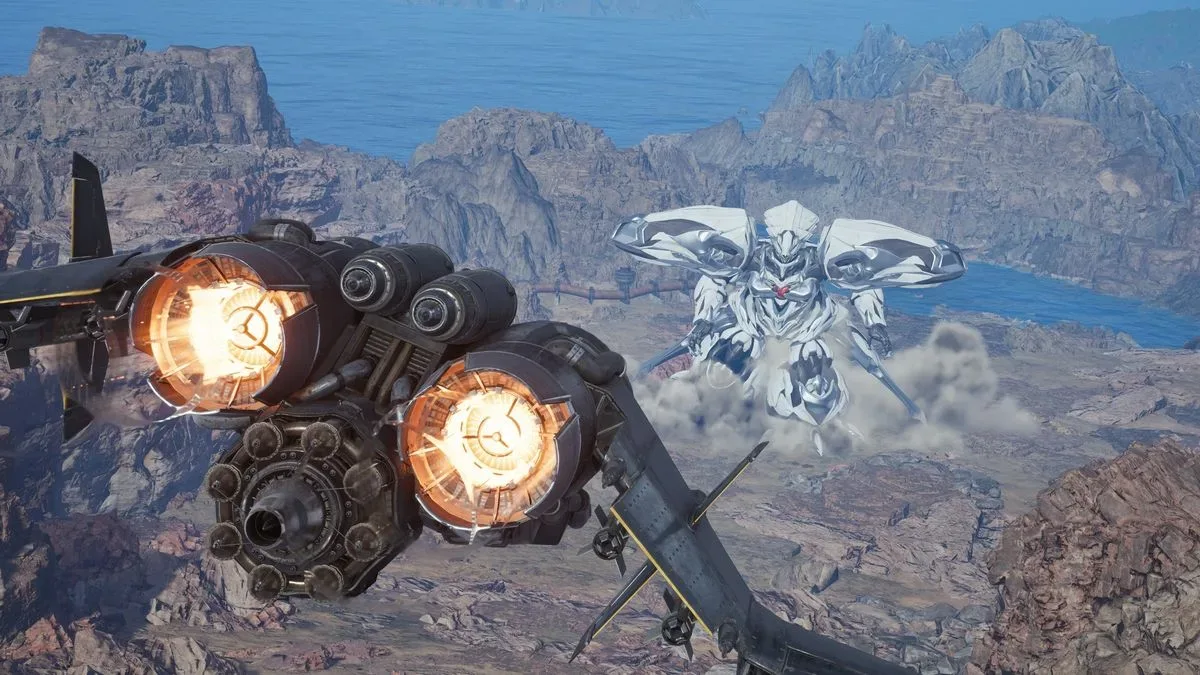
The Highwind’s role has been discussed in broad terms before, but the newly described gameplay puts the player in control of the vessel above regions including Mideel and Wutai. Rather than treating travel to a story destination as a simple cinematic transition, Revelation lets the player guide the airship across the map and then leap from its deck. In the demonstrated sequence, Yuffie Kisaragi deploys a parachute while descending toward the ground.
That flow is important because it connects the airship directly to the game’s world design. Director Naoki Hamaguchi characterized the exploration structure as being tied to verticality. The implication is that Revelation does not merely enlarge the map for the sake of a larger map; it is designed around the act of approaching the world from the sky, choosing an area, and entering it from above.
For a series with a long history of memorable airship moments, that approach has obvious appeal. The Highwind has always represented an increase in freedom in the original Final Fantasy VII, but Revelation seems positioned to translate that old fantasy into a more immediate loop. Flying, choosing a destination, parachuting down, and then exploring on foot could make the party’s growing reach across the planet feel tangible rather than ceremonial.
It also sounds enormous. Hamaguchi said Revelation has at least as much content as Rebirth and potentially more, while arguing that the sheer volume of worthwhile activities is part of the game’s attraction. Rebirth’s breadth drew praise from players who wanted a world full of diversions, though it also left some people feeling overcommitted to side content. Revelation is not apparently responding by shrinking its ambitions.
Instead, the team seems to be betting that stronger methods of navigating the world, plus greater party flexibility, will help make that abundance feel inviting. Players who felt Rebirth was a full banquet may want to keep a recovery item handy; Revelation sounds ready to bring out another banquet, an airship, and a grappling hook.
Wutai puts Yuffie in focus without replacing Cloud
One preview segment took place during Chapter 4, where progress required a visit to Yuffie’s homeland of Wutai. The area reportedly combines traditional Japanese-inspired buildings with waterways, rooftops, the Happy Turtle bar and restaurant, and environmental activities such as swimming and photographing a cat. Wutai also introduces a grappling hook, enabling Yuffie to move between elevated points and race across rooftops.
Related coverage includes Final Fantasy 7 Revelation Preview: A Huge New World Built on Familiar Memories.
The setting is meaningful beyond its architecture. Yuffie has always been deeply connected to Wutai, and letting players enter the region while controlling her provides an opportunity for a more character-specific view of the world. Suzie Yeung’s performance as Yuffie was highlighted in connection with a Wutai cutscene, suggesting the location may give the character a significant narrative showcase.
Hamaguchi has been clear, however, that Cloud remains Revelation’s central protagonist. The broader aim is not to displace him, but to grant the supporting cast more individual attention. The team wants material that digs into each companion, and players can take on certain side quests with different characters based on their own preferences.
That is an especially sensible direction for the remake trilogy. Remake and Rebirth invested much more time in characters beyond Cloud than the original’s compact structure could manage. Tifa, Aerith, Barret, Red XIII, Yuffie, and others have all benefited from additional scenes and social interactions. Revelation’s party-driven quest design could extend that approach further, while its unresolved story questions make the availability of every character worth watching closely.
For more on the team’s broader thinking about where the series can go, see the director’s view that Final Fantasy VII Revelation need not be limited to traditional JRPG ideas.
Combat options point to a flexible party
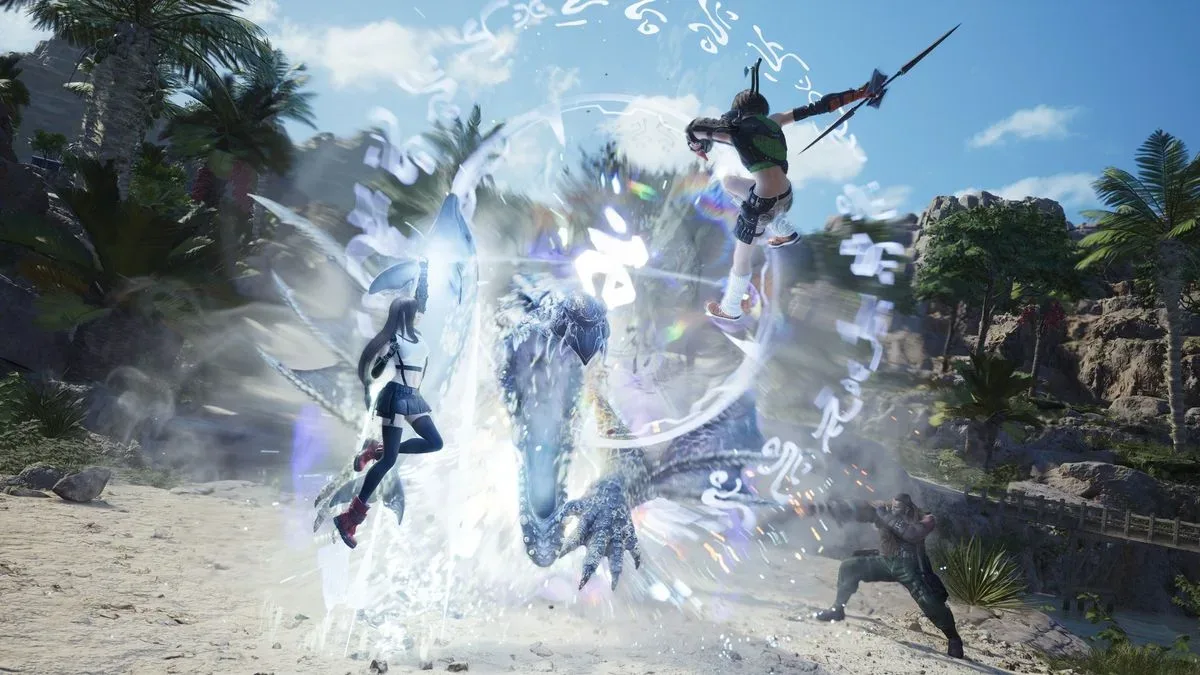
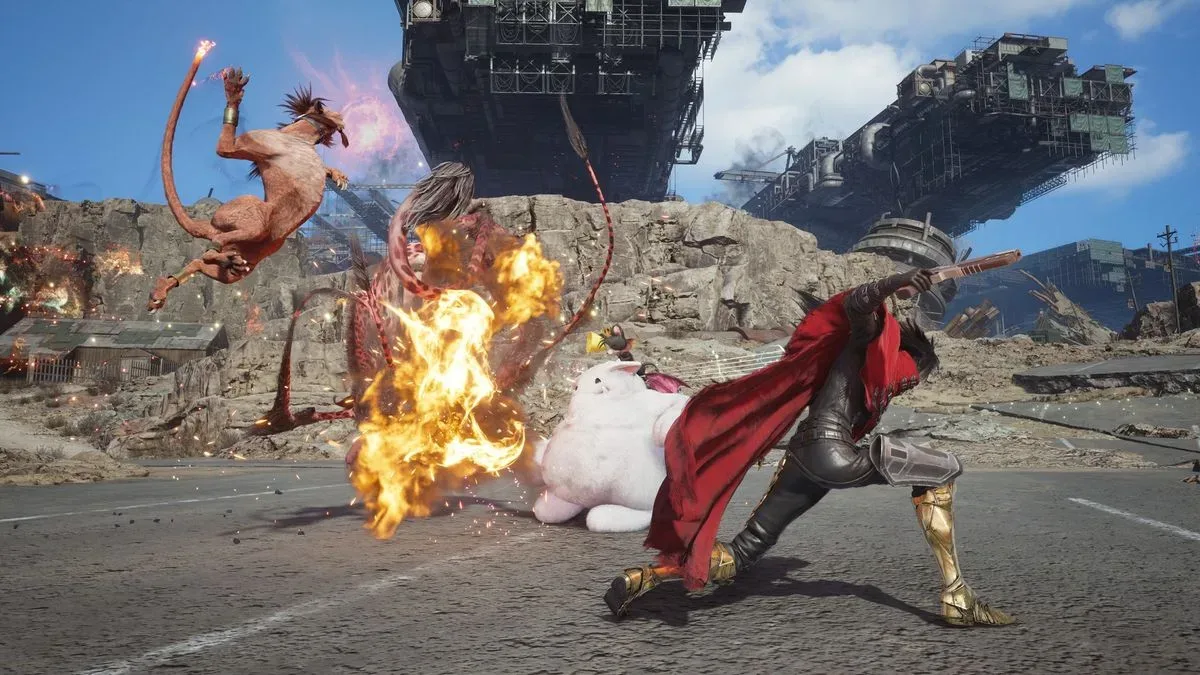
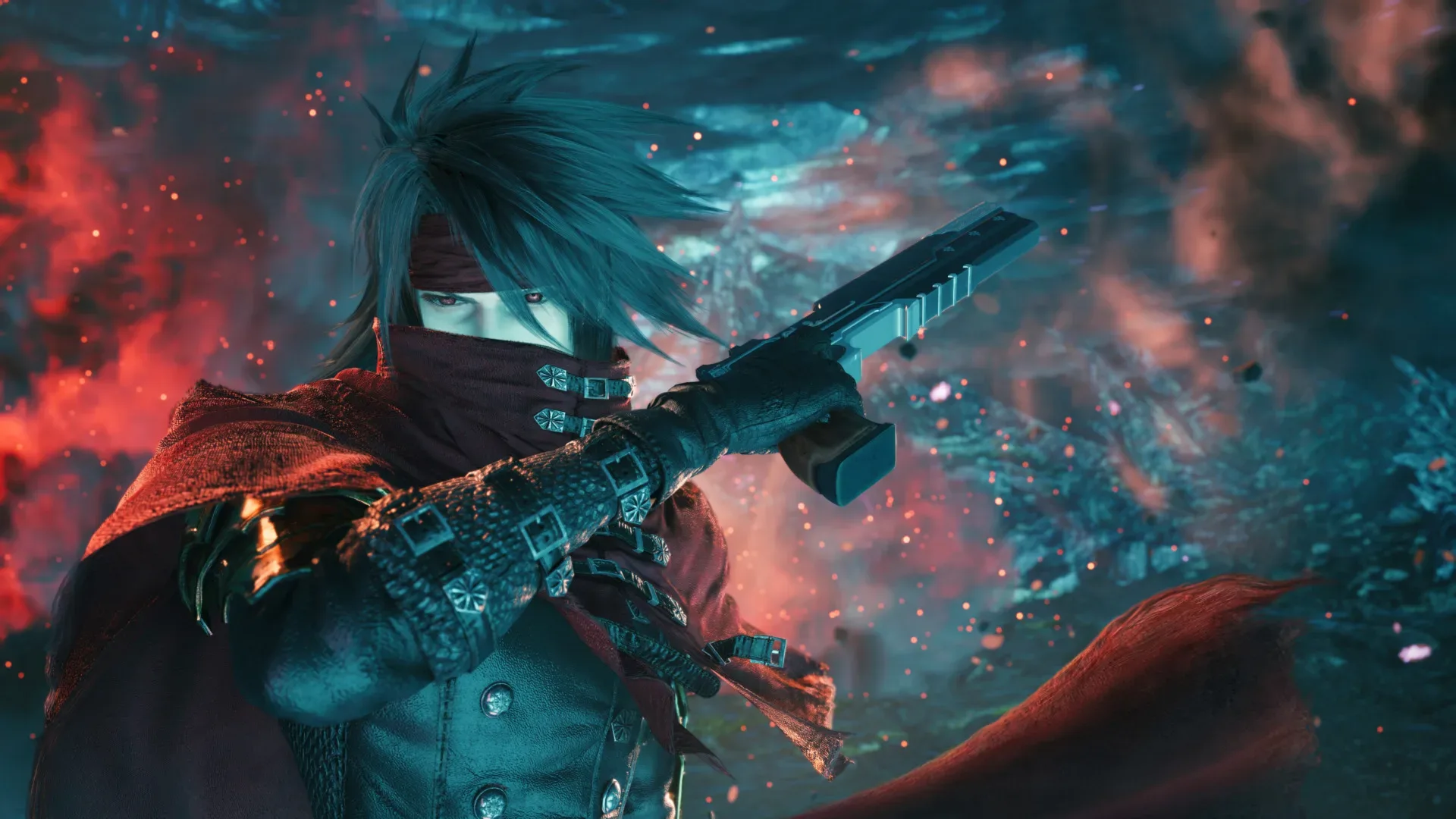
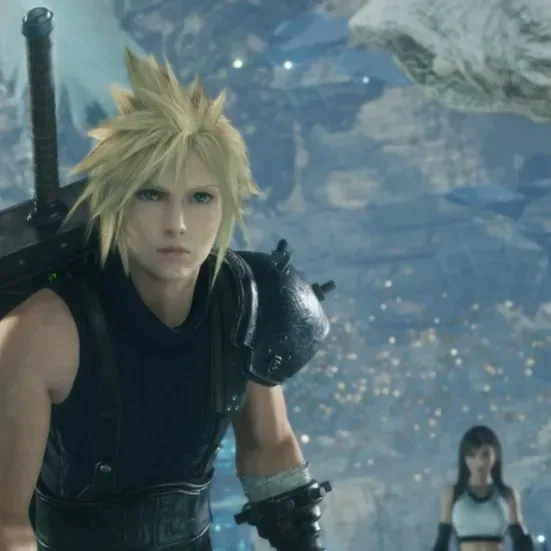
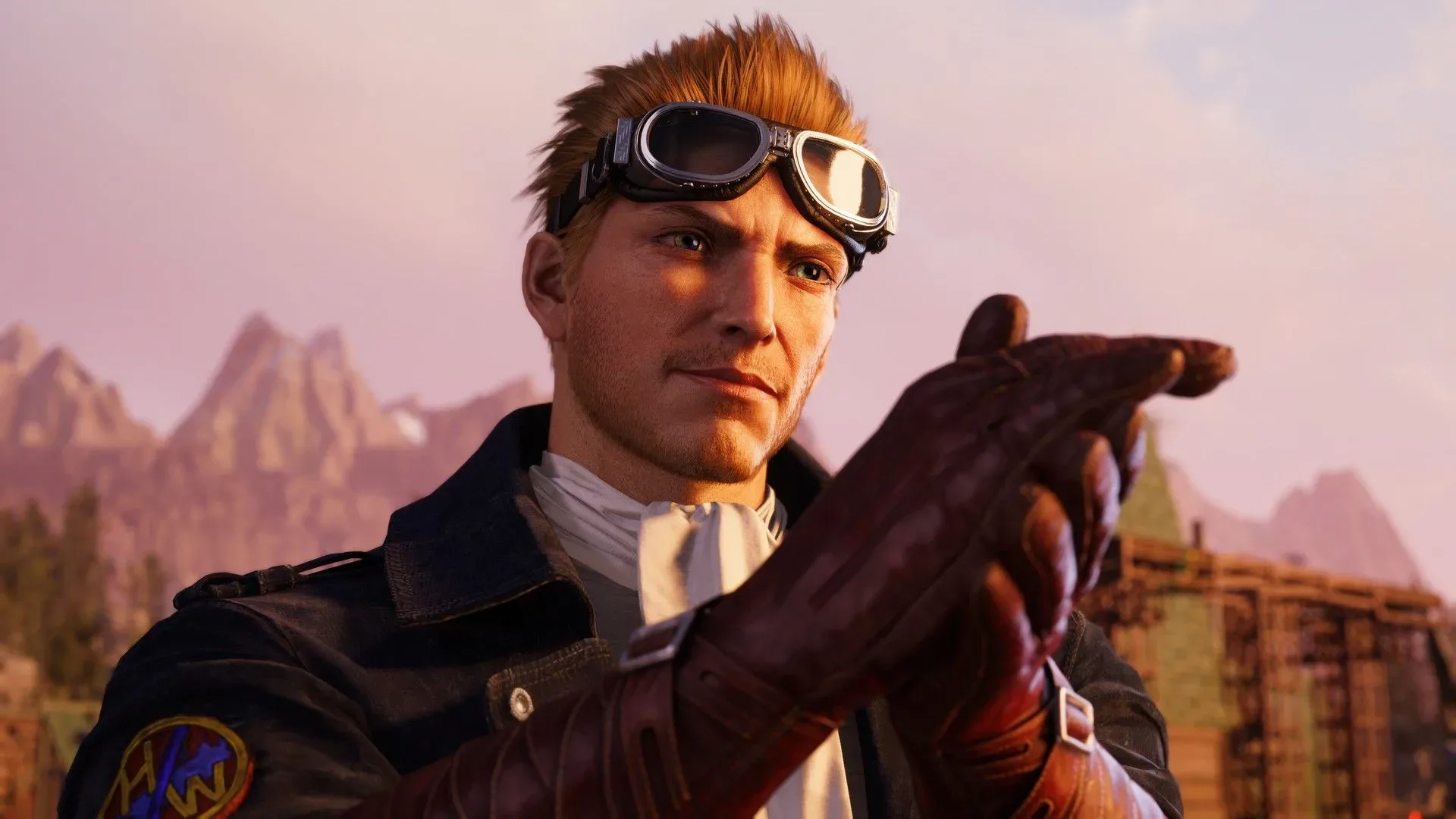
The roster available in the preview did not include Cloud or Tifa. Instead, it featured Yuffie, Cid, Vincent, Cait Sith, Barret, and Red XIII. Players were able to swap party members freely, an important detail for a game with such a diverse lineup of combat styles.
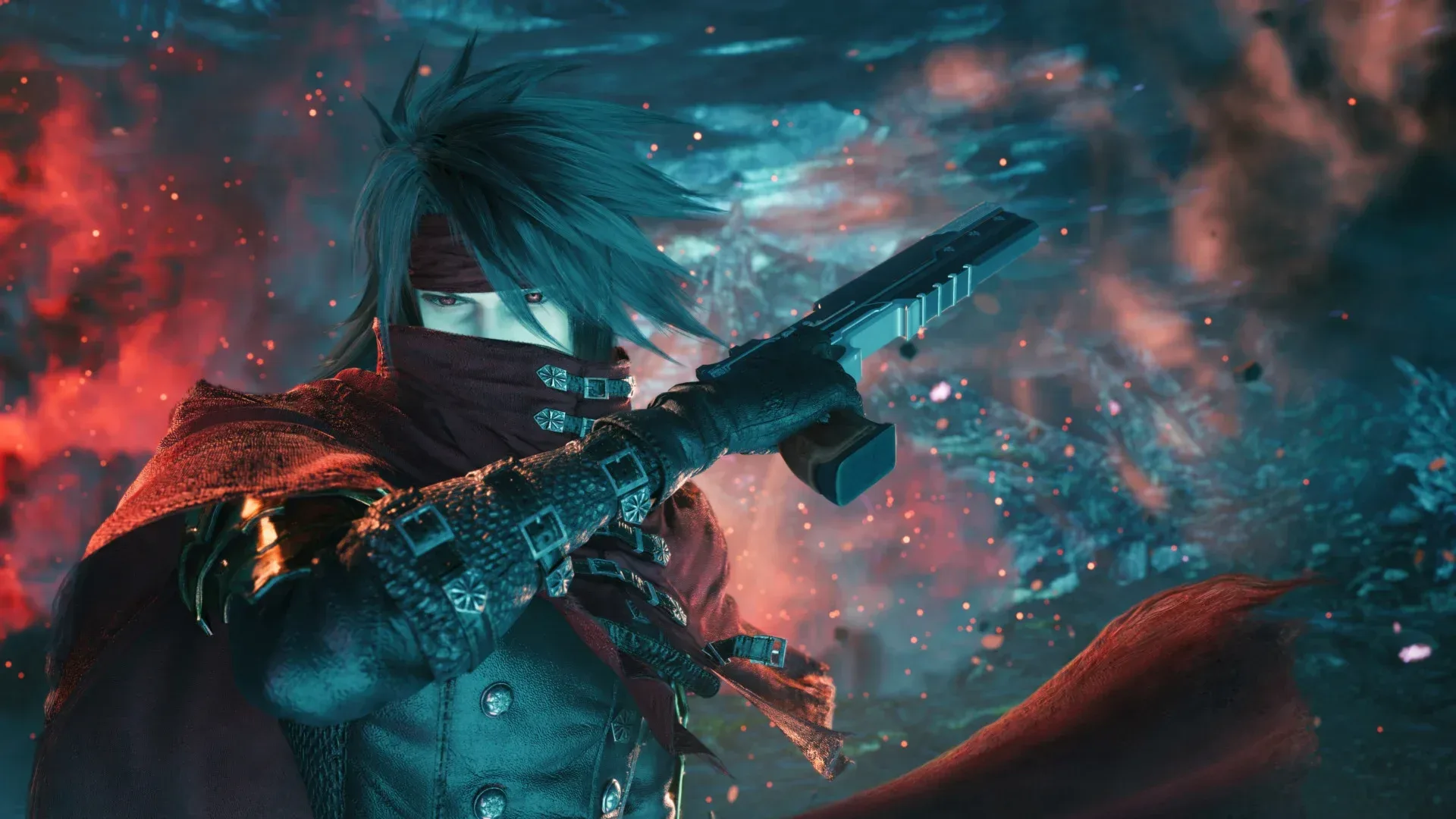
Yuffie retains the rapid, mobile style that made her so enjoyable in Intermission and Rebirth. Vincent Valentine brings a more ranged-oriented approach, allowing players to fight from a comparatively safer distance without giving up the character’s distinctive presence. Cid Highwind, meanwhile, uses a spear-like edged weapon, described as blending forceful attacks with a certain elegance.
The practical advantage is clear: Revelation should offer room to experiment with teams built around personal favorites, encounter needs, or curiosity about how individual mechanics pair together. It is one thing to say a large RPG has a big cast; it is another to make changing that cast simple enough that people actually try combinations beyond their default three-person comfort zone.
Promotional material has also shown Tifa as a Black Mage, while other jobs are available through the FITS system. The full boundaries of that system have not been laid out here, so it would be premature to draw detailed conclusions about jobs, builds, or how deeply they alter each character. Still, the imagery alone signals that Revelation is willing to play with classic Final Fantasy roles in conspicuous ways.
Nostalgia remains the rule, but change is still the mission
The remake project has always existed in a fascinating space between reconstruction and reinvention. Its locations, characters, monsters, music, and major story beats can trigger immediate recognition for people who know the 1997 game. At the same time, the trilogy has repeatedly changed context, structure, characterization, and events enough that it cannot be treated as a straightforward visual remake.
Hamaguchi summarized Revelation’s guiding principle as making everything feel nostalgic and new at once. He also indicated that substantial alterations require involvement from the original Final Fantasy VII creators. That balance may be the defining challenge of the finale: fans want the emotional force of returning to places such as Mideel and Wutai, but they also know this series has been intentionally unpredictable.
Aerith’s fate in Rebirth remains one of the largest points of uncertainty heading into Revelation. When pressed about that controversial development, Hamaguchi offered an apology of sorts before suggesting that players should experience the ending before settling on an opinion. It is not an answer, and it is plainly not meant to be one. But it reinforces the idea that the final installment expects to revisit and potentially reframe questions that players believe they already understand.
That tension is exactly why the Highwind’s new role feels so appropriate. In the original game, the airship opened the world at a moment when the journey was rapidly changing. Revelation’s Highwind similarly seems to signal an escalation, but within a version of Final Fantasy VII that keeps refusing to travel exactly where memory says it should.
MAI may be helpful, but could test players’ patience
Not every new element described in the preview was received warmly. MAI, an AI entity created by Chadley, reportedly appears when the player reaches new areas and quickly presents available side quests. She is described as feminine-presenting and connected to the already familiar Chadley concept.
Guidance systems are useful in a game this large, especially if Revelation truly exceeds Rebirth’s content count. Yet there is a fine line between helping a player notice opportunities and repeatedly interrupting the mood. The preview’s concern was that MAI’s prompts could become intrusive, particularly during a tightly limited one-hour session. How that cadence feels across a full adventure remains uncertain, but it is a small design question with potentially outsized importance in a game built around exploration.
Final Fantasy VII Revelation still has much to reveal: the fate and whereabouts of characters absent from the shown party, the depth of FITS jobs, the full scale of its regions, and the story resolution promised by the trilogy’s final chapter. What is established so far is a confident scope. Square Enix is not treating Revelation as a quiet lap around familiar landmarks. It is treating it as a new journey with an old map in its pocket—and the Highwind finally ready to take off.