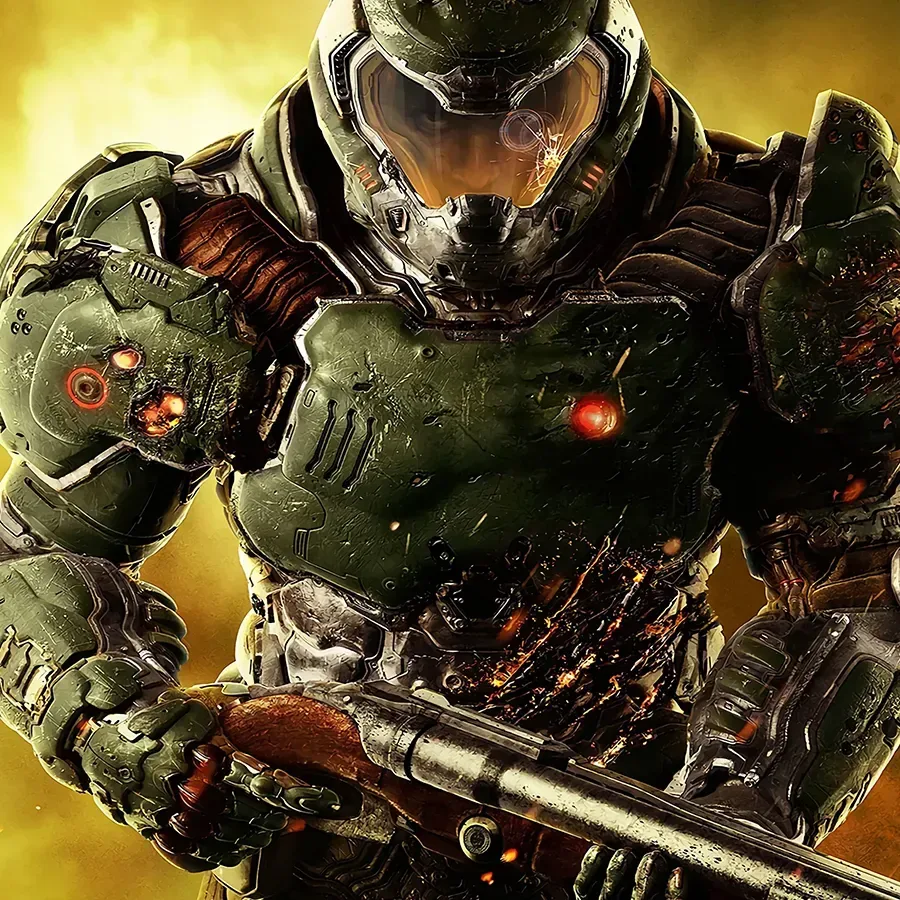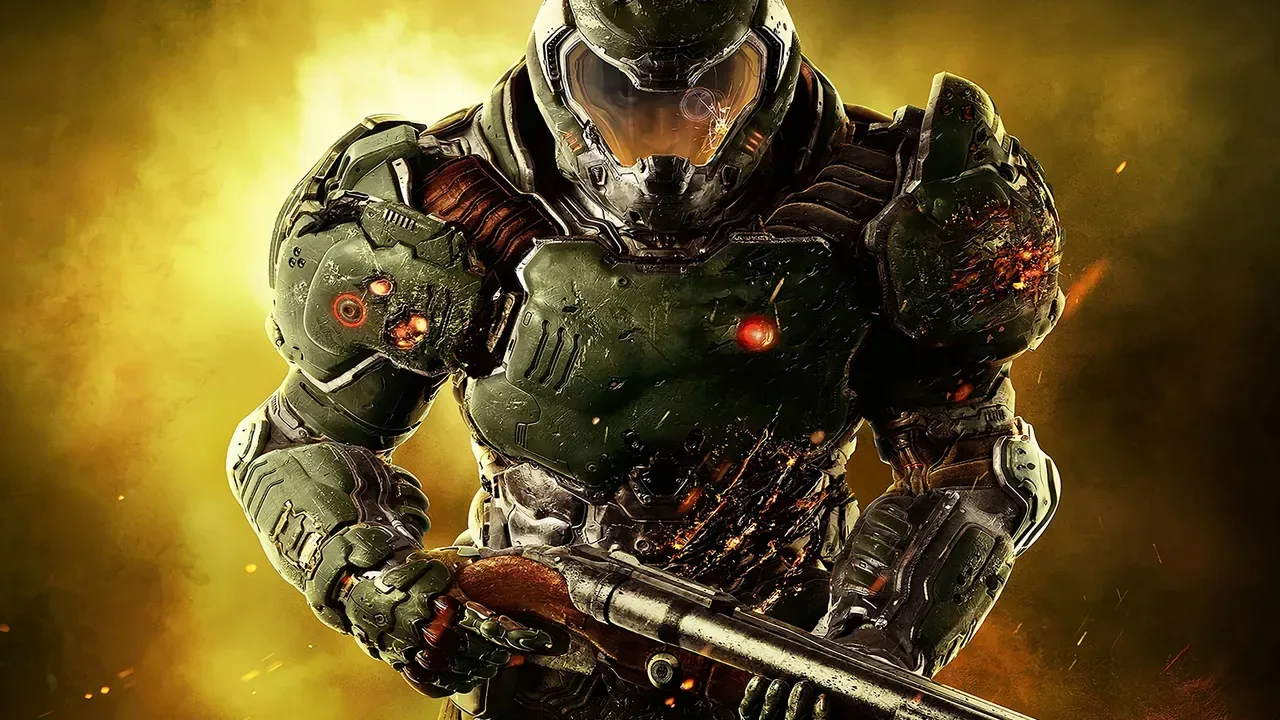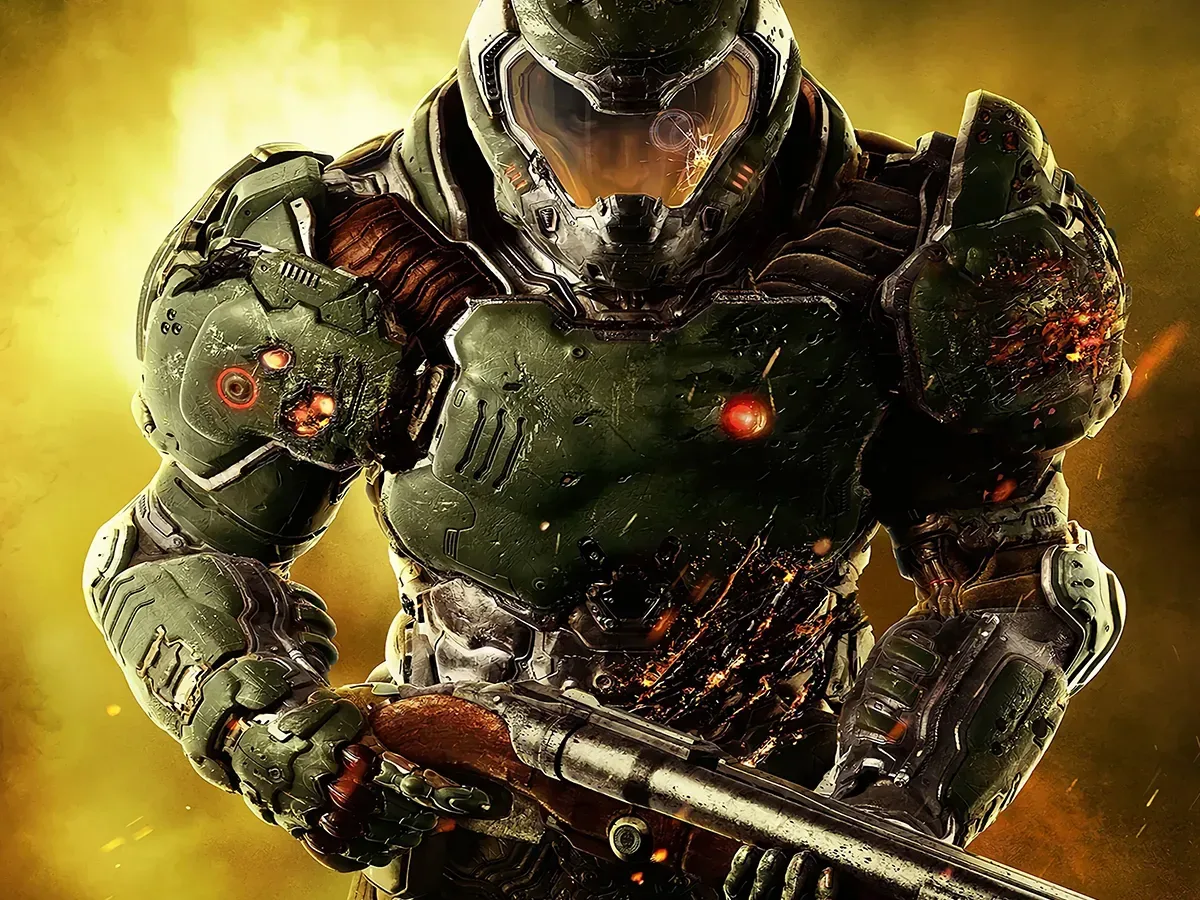
Mick Gordon has not shut the door on returning to Doom. The composer behind the music for 2016’s Doom and 2020’s Doom Eternal says he would contribute to a future installment if a particular set of circumstances came together.
“There are a lot of dominoes that would have to fall in a very specific way for that to occur. If those dominoes ever fell in that way, I would. Of course. Within a heartbeat.”
That is a meaningful qualification rather than a confirmation of any new project. Gordon did not identify the “dominoes,” and there is no announced arrangement for him to work on another Doom title. Still, the answer establishes two important points: he remains enthusiastic about the series itself, and a return is conceivable rather than categorically ruled out.
Gordon also said he had a list of ideas for where he wanted to take Doom musically and would like to explore them one day. For fans, that is the most concrete creative takeaway available: the composer sees untapped possibilities in a franchise with which his work is closely associated.
Why the wording matters
“Open to returning” can sound like a deal is nearly done, but it is not. In practical terms, Gordon’s response describes a conditional willingness to participate. A return would require agreement between the relevant people and organizations, along with terms acceptable to Gordon. Because those conditions have not been spelled out, it would be premature to treat the comment as evidence that he is attached to a future game.
The distinction matters especially in game development, where a score is not merely a playlist bolted on near release. A composer can be brought in at different stages, may work with internal audio teams and external collaborators, and can be hired for anything from a theme to a full soundtrack. Gordon’s statement does not say what kind of involvement he would want, or whether a new Doom game is currently in active production.
What it does communicate is affection for the series despite a difficult prior working relationship. That leaves room for optimism without erasing the complications that would have to be addressed first.
The unresolved history behind a possible comeback
Gordon’s comments arrive after a public dispute connected to the Doom Eternal soundtrack. In a detailed 2022 post, Gordon accused id Software of failing to pay him for half of his work on the game’s soundtrack. He also alleged that executive producer Marty Stratton had been repeatedly abusive during the work on the score and official soundtrack release.
Related coverage includes Mick Gordon Says He Would Return to Doom "In a Heartbeat" if Circumstances Align.
Those are serious allegations, and Gordon’s new remarks do not provide an update on whether any related disagreements have been resolved. He did not publicly explain whether the conditions he mentioned involve payment, process, personnel, creative control, communication, or something else entirely. It is therefore more accurate to recognize the prior conflict as relevant context than to claim to know what would need to change.
The public nature of that dispute makes Gordon’s willingness to contemplate a return notable. It does not mean the issues no longer matter. Rather, it suggests that his connection to Doom as a creative work has endured, even if the professional circumstances around a hypothetical new collaboration would need to be substantially different.
What a composer’s role can mean for a shooter series
In a game such as Doom, the score is part of the experience’s pacing and identity. The term score refers to music composed for the work itself, as distinct from a compilation of previously released tracks. The term OST, or original soundtrack, often refers to the album release of that music. They overlap, but the production needs of in-game music and the presentation of a standalone album are not always identical.
For fast-paced shooters, music can help signal intensity, establish a world’s tone, and give combat a recognizable rhythm. That does not mean a single composer alone determines a game’s character; game audio is a collaborative field that can involve sound designers, audio programmers, musicians, mixing engineers, and developers. But Gordon’s past Doom work is strongly linked in players’ minds with the modern entries’ aggressive sound.
That association is why the possibility of a return prompts such interest. It is less about nostalgia for a credit line than about the prospect of a familiar creative voice revisiting a series after having further ideas to pursue.
id Software’s broader situation remains uncertain
The future shape of Doom is also affected by changes at id Software. The studio was hit by layoffs during Microsoft’s cuts across its Xbox business in July, with 136 staff members affected. At the time, lead services programmer Chris Hays said making an AAA game like the studio had made previously would be impossible with half the people.
AAA is an informal industry term generally used for large-scale games made with substantial budgets, teams, and production expectations. It is not a formal measure of quality, but it does indicate the scope of resources usually required. Staffing losses can affect schedules, internal expertise, planning, and the number of projects a studio can support, even when a team’s best-known franchise remains important.
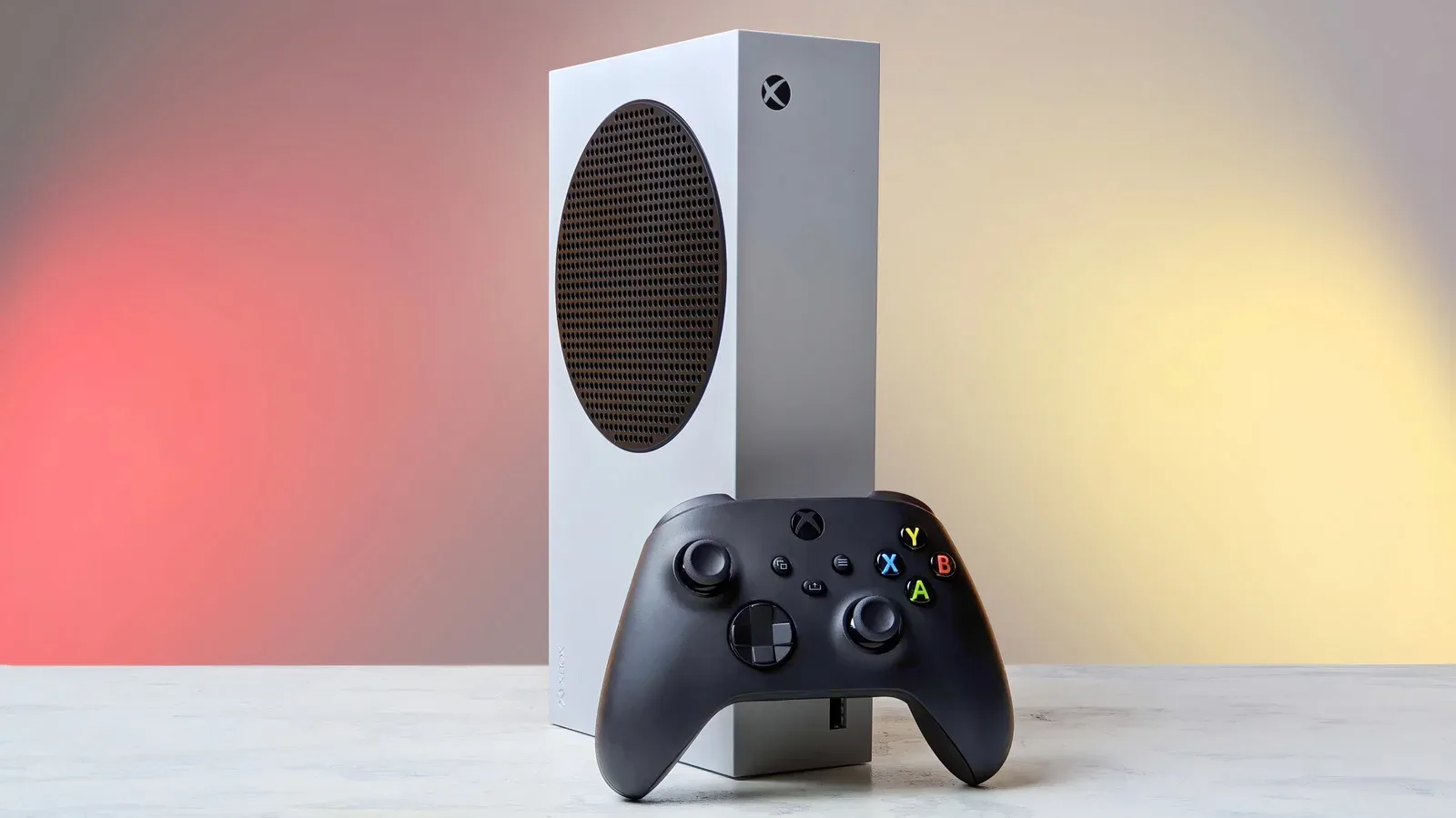
None of that confirms a particular outcome for Doom, Gordon’s potential participation, or any future game’s scale. It does, however, explain why a music collaboration cannot be separated from the wider realities of studio capacity and project planning. Microsoft’s position in the console business is also part of the backdrop; readers weighing its current hardware ecosystem can see how Xbox Series S and Series X differ in hardware and buying trade-offs.
Gordon’s work beyond Doom
While no new Doom collaboration has been announced, Gordon has other confirmed work on the way. He contributed the theme for the final boss fight in Warhammer 40,000: Boltgun 2, which is scheduled for release on October 14. He is also producing the full soundtrack for Defect, a squad-based cyberpunk shooter being developed by veterans of the Doom and Call of Duty series.
Those projects show that Gordon remains active in games, including shooters where intense action and musical identity can be closely connected. However, neither project should be read as a substitute for a new Doom score; they are separate works with their own settings, teams, and goals.
There is also a scheduled return to Doom in a different form. Gordon is set to headline the UK’s RADAR music festival in 2027, performing music he composed for Doom and Doom Eternal with a full live band for the first time. That appearance is a performance event, not an indication that he has resumed work on the game series, but it underlines the continued life of this music outside the games themselves.
What fans can reasonably take from this
- Gordon says he would return to Doom if unspecified conditions were met.
- There is no confirmation that a deal, game, soundtrack, or negotiation currently exists.
- His earlier allegations concerning the Doom Eternal soundtrack remain essential context, while the status of any resolution has not been publicly detailed here.
- He still has creative ideas for the series and remains active on other game-music projects.
- A 2027 live performance will bring his Doom and Doom Eternal music to the stage with a full band.
For now, “within a heartbeat” is best understood as a candid expression of willingness, not a promise. A reunion would depend on the specific conditions Gordon referenced. Until those conditions are known—or a project is formally announced—the most accurate reading is that the door is unlocked, but nobody has walked through it.