Ninja Theory staff have begun sharing farewell messages as Xbox’s planned closure of the Hellblade developer moves from corporate restructuring to its human consequences. The posts, from people across gameplay programming, technical audio, performance capture and studio leadership, present a consistent picture: employees are losing not only jobs, but the chance to finish work already in progress.
The closure was announced last month after two efforts to save Ninja Theory did not succeed. The individual messages now emerging make clear that the impact extends across disciplines central to the studio’s identity. That includes people responsible for the systems players use directly, as well as the technical craft behind the series’ distinctive sound and performances.
A goodbye to colleagues and an unfinished project
Gameplay programmer Katrin Mair, who spent four years at Ninja Theory and moved to the United Kingdom to join the studio, wrote that it had been much more than a job. Her message emphasized the care colleagues brought to their work and to one another, while also expressing sadness that the team will not be able to complete what it was making.
“It’s incredibly sad knowing that we won’t get to finish what we were working on,” Mair wrote. “So much care, talent and effort went into it, and I really wish we’d had the chance to see what it could have become.”
That distinction matters. A cancelled or interrupted project is not simply an unreleased game in an abstract release calendar. It can represent years of technical decisions, prototypes, asset production, iteration and collaboration that will not reach the point where a team can judge its work in its intended form. Mair’s wording does not identify the project, so its subject, scope and level of completion remain unconfirmed. What it does establish is that Ninja Theory staff were working on something they expected to carry forward.
Technical director Loong-Wei Ding is also among those affected. In a departure post, Ding urged other studios to consider hiring Ninja Theory colleagues. That kind of public recommendation is practical as well as personal: game development roles are often highly specialized, and a former technical director can help prospective employers understand the experience and reliability of people whose work may not be visible in a game’s credits alone.
The specialists behind Hellblade’s atmosphere
Alessio Mellina, an expert technical sound designer who has spent 12 years at Ninja Theory, said he is at risk of redundancy. Mellina described himself as the studio’s only technical sound designer and said he had owned much of the dynamic-audio work on recent projects.
Technical sound design is different from composing music or placing a single recorded effect into a scene. It concerns the systems that determine how audio behaves while a player is moving, acting and triggering events. “Dynamic audio” generally means sound that changes in response to game state rather than playing in precisely the same way every time. It can involve conditions, priorities, transitions and spatial behavior, all designed so that audio continues to communicate clearly as gameplay changes.
Related coverage includes Ninja Theory Staff Say Goodbye as Layoffs Begin Following Planned Closure.
For Hellblade, one of the most recognizable elements of that approach has been binaural audio, which Mellina helped develop for the series’ unsettling whisper effects. Binaural audio is an approach intended to create a strong sense of positional listening, particularly over headphones. Rather than simply making a sound louder in the left or right channel, the technique aims to convey the impression that sound occupies space around the listener.
That is why the role cannot be reduced to an ornamental audio credit. When a game relies on voices that appear to move around the player’s hearing space, the result depends on both creative direction and robust implementation. The experience has to hold together through the shifting situations of a game, not only in a controlled clip. Mellina’s post points to the depth of specialist knowledge that can be lost when a studio closes—even when the completed games remain available to players.
For readers interested in how studios are framing the relationship between new tools and developer jobs, Capcom’s comments on RE Engine AI and bug-finding offer a separate industry example. The Ninja Theory situation is not presented as an AI story; it is a restructuring and closure story. The useful connection is simply that game-making depends on people with specialized knowledge, whether their work concerns audio systems, programming, capture or quality processes.
Performance capture is a production pipeline, not a single shoot
Performance-capture specialist Xoe Suvari has also been let go. Suvari described “hundreds of shoot days,” extensive performance data, physical work on sets, evolving pipelines and the ongoing challenge of naming conventions. The post also said the team built a performance-capture stage that was “top of its class.”
Performance capture records an actor’s movement and, depending on the production, may be coordinated with facial and other performance data. The phrase “pipeline” refers to the connected set of procedures and tools that moves that material from recording through organization, processing, review and eventual use in a game. It is not glamorous terminology, but it is essential. If data is not consistently named, catalogued and prepared, teams can struggle to find the correct take, track revisions or connect a performance to the correct in-game sequence.
Suvari’s reference to naming conventions captures a familiar technical reality: tiny organizational rules become hugely important when a production generates a large volume of material. They allow multiple teams to work from the same information without repeatedly guessing what a file represents. The physical effort described in the post also reinforces that performance capture is not solely digital work. It requires performers, sets, shoot days, technical planning and staff who can translate a production environment into usable game data.
The practical consequence of a closure is therefore broader than the loss of a building or a brand. A studio can contain hard-won workflows and teams accustomed to working together. Individuals take their expertise with them, and may bring it to new employers, but the established group and its shared systems do not automatically survive.
What is known about Senua and what remains uncertain
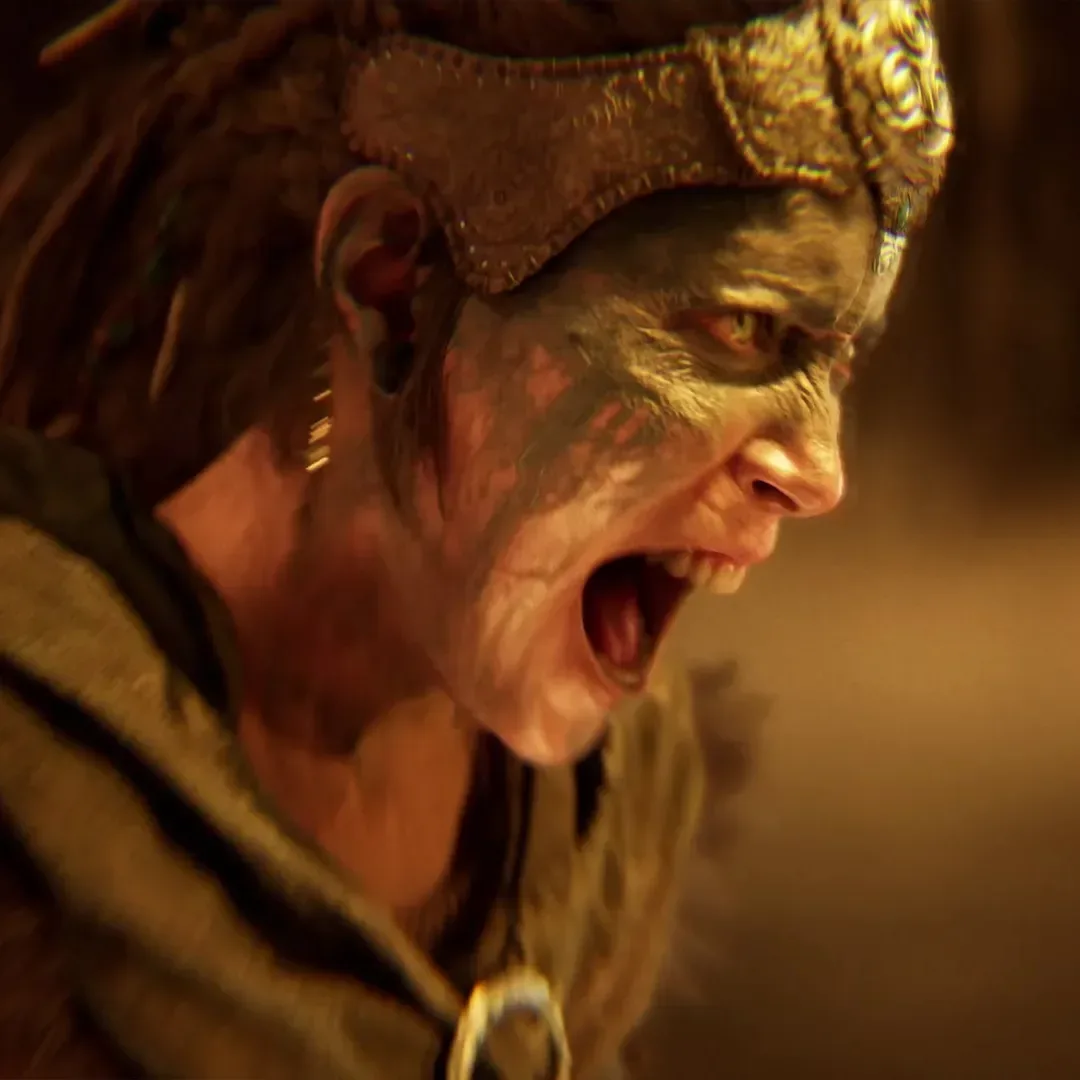
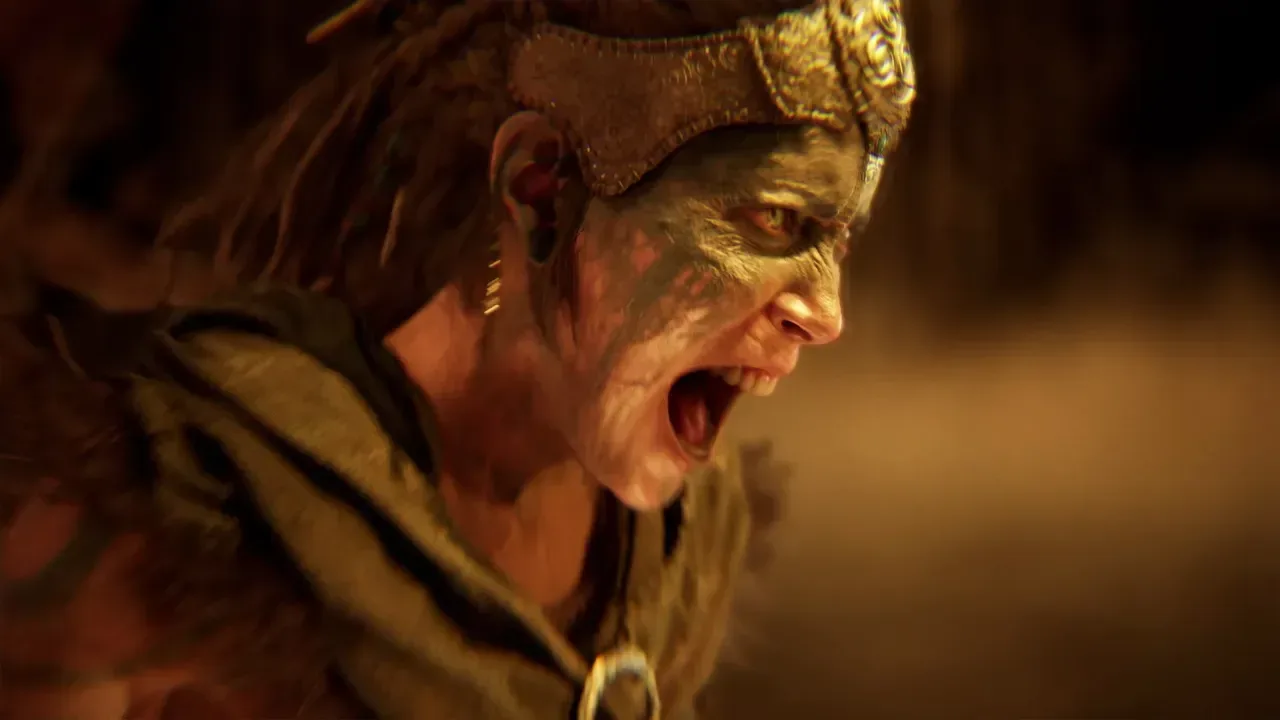
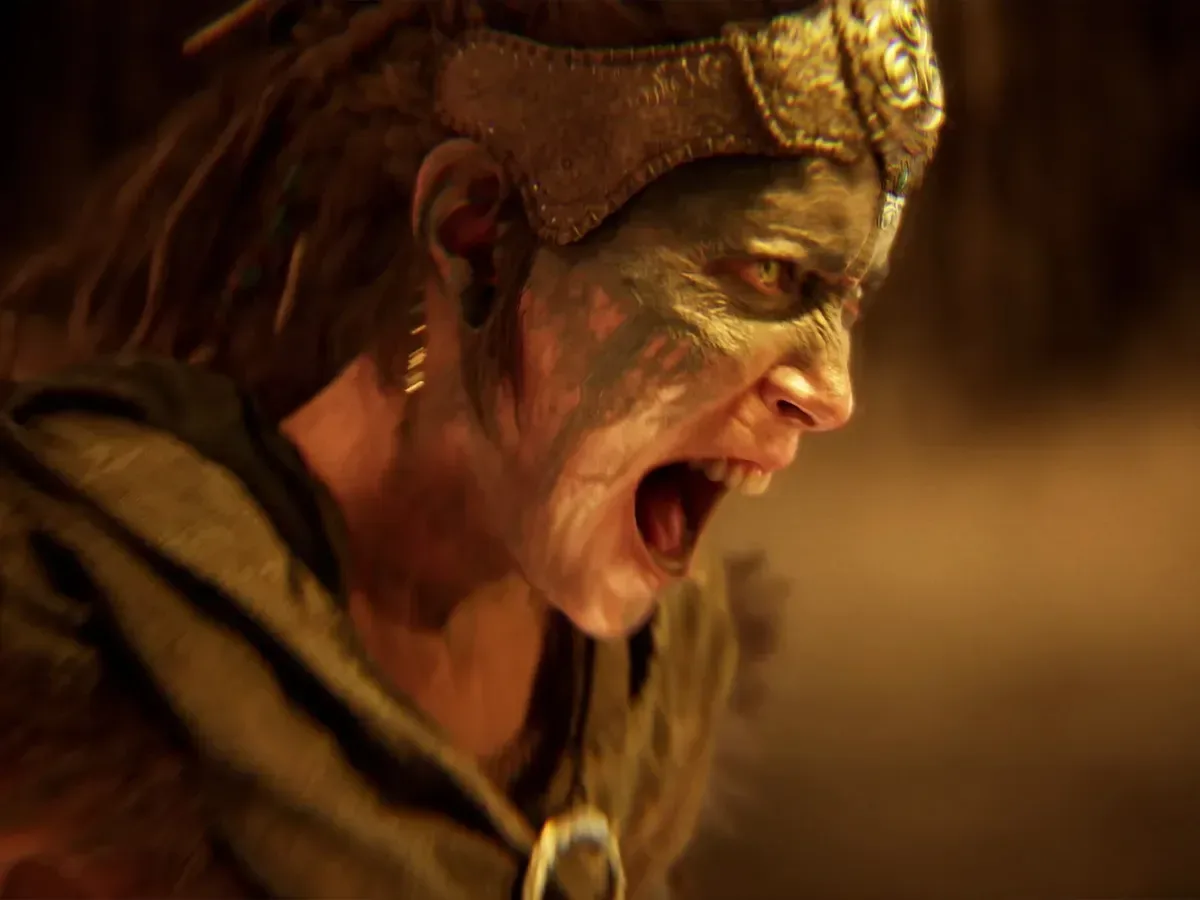
Xbox announced Senua, the third mainline game in the Hellblade series, during an Xbox Games Showcase in June. That announcement sits uneasily beside the closure plans and staff comments about uncompleted work. However, the available information does not confirm whether the unfinished work cited by Mair was Senua, nor does it establish the project’s current status or how much had been developed.
There has been speculation that the Senua trailer was intended to increase interest among potential buyers for Ninja Theory, on the belief that Xbox already did not intend to publish the game. That remains speculation, not a confirmed explanation for the trailer or a confirmed account of Microsoft’s internal plans. It is important to keep that line clear, especially as layoffs prompt understandable efforts to connect every public signal to a private business decision.
What can be said with confidence is narrower and more consequential: a third Hellblade game was publicly announced in June; Ninja Theory’s planned closure was announced last month; and employees are now saying goodbye while describing an unfinished body of work. Until an official update specifically addresses Senua, its future should be treated as unresolved.
Ninja Theory is part of a larger Xbox restructuring
The planned closure comes amid wider changes across Xbox’s studio organization. Microsoft recently said the next mainline Halo game will be developed by Activision, the publisher and developer behind Call of Duty. The same period has brought mass layoffs at Halo Studios.
Xbox has also placed Age of Empires developer World’s Edge and Sea of Thieves developer Rare under the Activision umbrella. Elsewhere, Obsidian—known for Grounded and The Outer Worlds—has become a Bethesda studio as it starts work on a new Fallout game.
These moves show a reorganization of reporting lines and responsibilities rather than a single isolated shutdown. Xbox Chief Content Officer Matt Booty said the company was around three-quarters of the way through its planned restructuring. That language suggests further changes, including possible additional job losses, may still occur over the coming months.
For players, a corporate chart can seem detached from the games they know. The messages from Ninja Theory make the connection explicit. Gameplay code, spatial audio, capture stages and production systems all depend on people, and those people are now seeking their next roles while mourning a studio and project they cared about. The future of Senua has not been clarified, but the immediate story is already clear: Ninja Theory’s staff are being dispersed, and the work they hoped to finish has been interrupted.