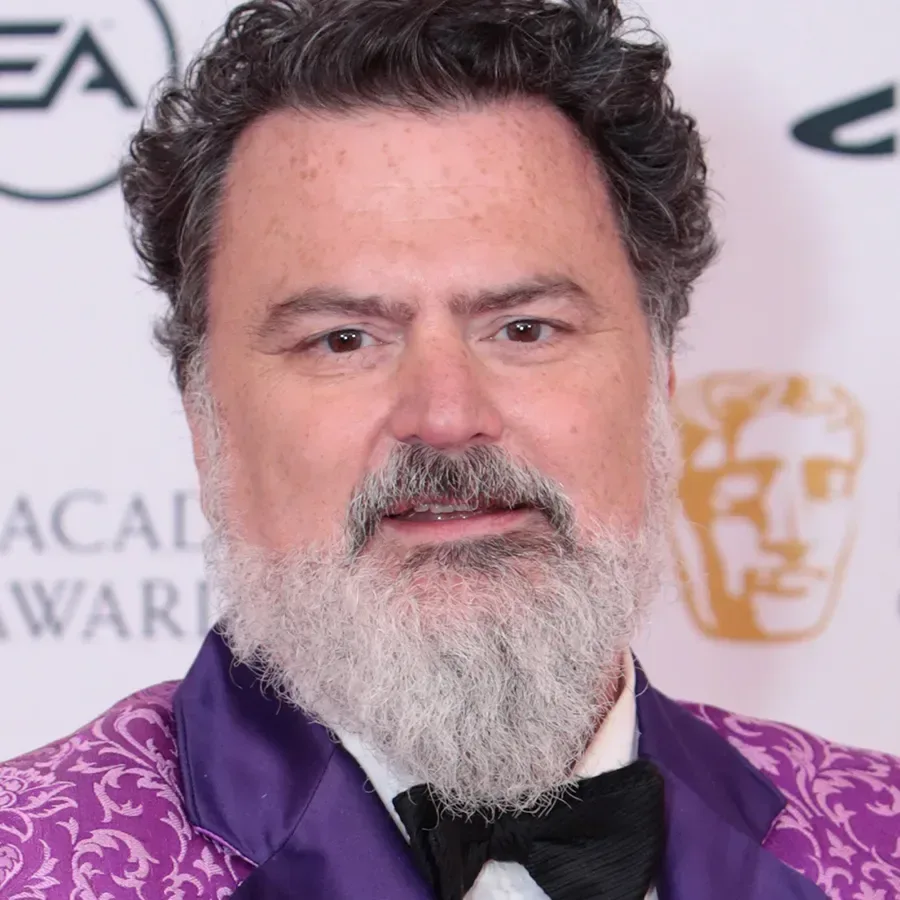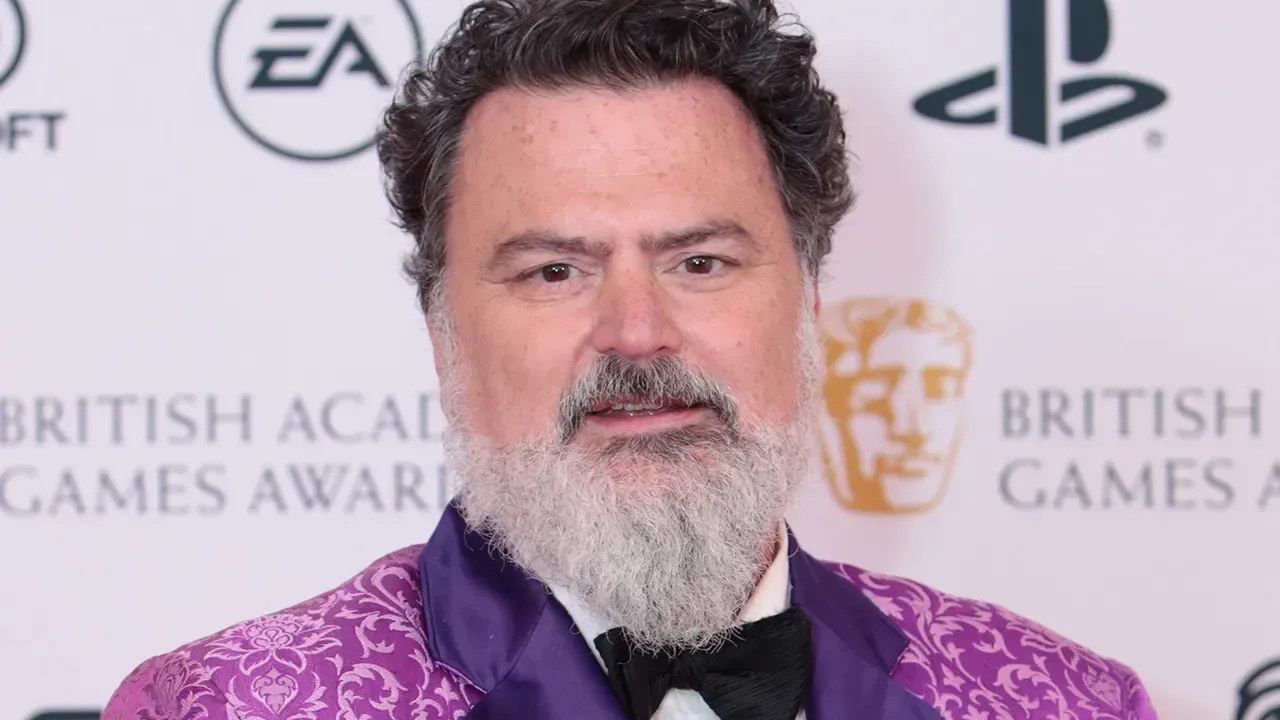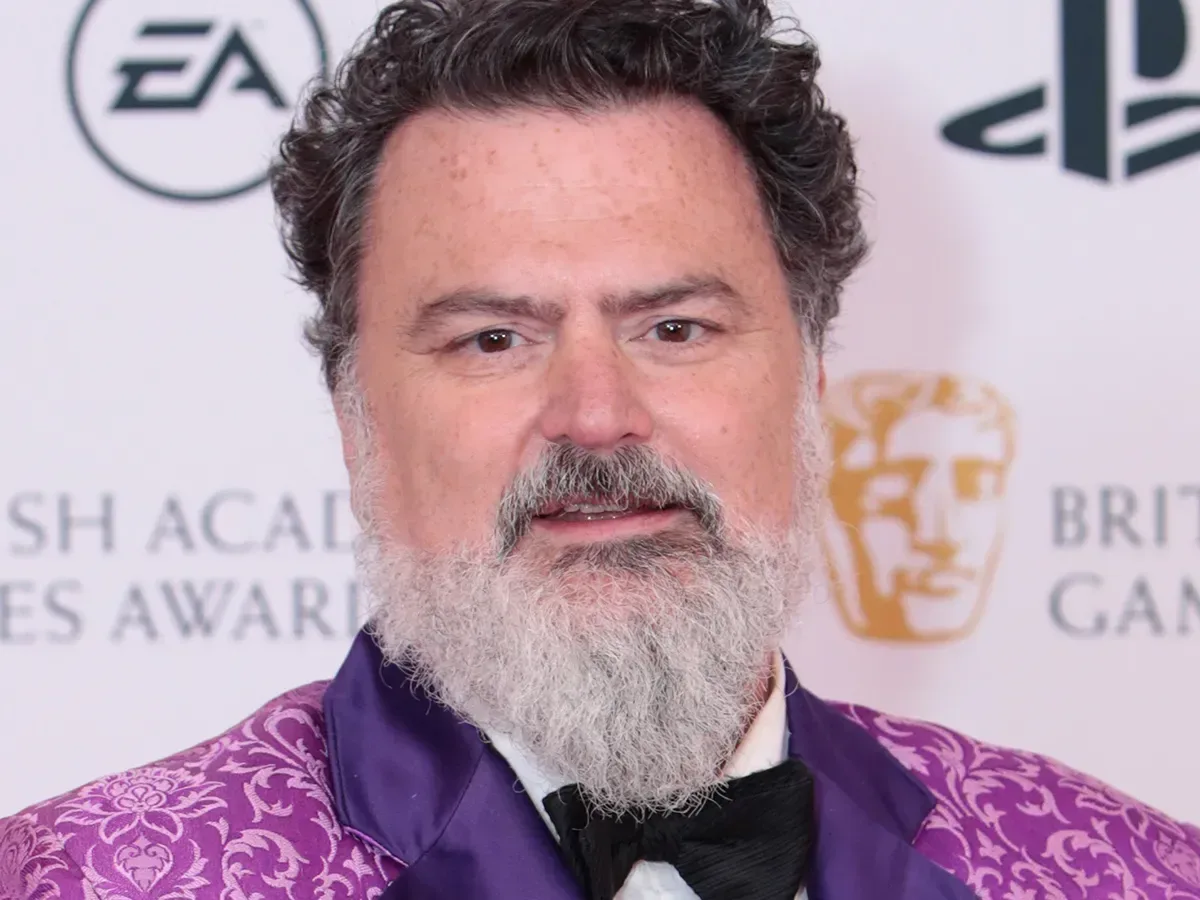
Tim Schafer, founder of Double Fine, has voiced a frustration shared by many people watching the games business from inside and outside of it: if audiences are still playing games and companies are still making money, why are layoffs, closures and reorganizations continuing at such a brutal pace?
Speaking in a video interview on September 23, Schafer said he no longer understands the economics behind game development. His comments arrive after a period of broad upheaval at Xbox and across the wider industry, one in which a successful release has not necessarily meant lasting security for the people who made it.
That is the heart of Schafer’s argument. The traditional explanation for a volatile creative business is a cycle: a company cuts staff during a downturn, realizes it needs experienced people to build its next project, hires again, and eventually expands. Schafer said he had expected that familiar pattern of contraction and recovery. Instead, he sees a slump that has endured for roughly four years, despite continued player demand and games that generate revenue.
“I don’t understand the economics of making games,” Schafer said, adding that he hopes the present downturn ultimately gives way to a recovery.
Why the contradiction feels so stark
Layoffs are often discussed as if they are a direct scoreboard for whether games are selling. Schafer’s point is that the relationship is plainly more complicated. A game can be acclaimed, commercially successful, or both, while the teams connected to it still face job losses afterward. Staff involved with Battlefield 6, for example, were reportedly cut after the game’s strong launch, critical response and financial performance.
That disconnect makes it difficult for workers to interpret success as a dependable signal of security. A hit game may demonstrate that a team can deliver, but it does not by itself answer whether a parent company is changing its budget, moving work elsewhere, restructuring its portfolio, pursuing a different development model or reducing headcount for reasons beyond that one project.
None of that proves a single explanation for every layoff. Schafer himself framed his own conclusion as an assumption rather than presenting evidence of a universal cause, saying he suspects greed is involved somewhere in the chain. The more solid takeaway from his remarks is narrower and more troubling: workers are confronting an environment where the connection between good work, a well-received finished game and continued employment looks unreliable.
What “the economics” means in this context
When a studio leader questions the economics of game development, that does not simply mean asking whether a game earns more than it costs. It also means questioning how the rewards, risks and decisions are distributed among publishers, platform holders, studios and the people making the game.
Related coverage includes Tim Schafer Questions Game Industry Economics as Layoffs Continue.
For developers, the practical concern is straightforward. Games take large teams and long development cycles. If a studio loses experienced employees at the end of a project, it may later need to rebuild those capabilities for the next one. Schafer described this as a recurring contradiction: companies can dismiss staff and then discover that they still need people to make games. The cost is not only personal to those laid off; it can also affect continuity, institutional knowledge and the ability to plan a project over time.
For players, this is not merely a corporate story happening far away from the games themselves. Studio restructures can change who is available to maintain a game, build its next entry, support an existing franchise or pitch something new. The people associated with a series can move, be reassigned or leave the business entirely. That uncertainty matters even when a publisher’s public catalogue still looks busy.
Double Fine’s separation from Xbox puts the concern close to home
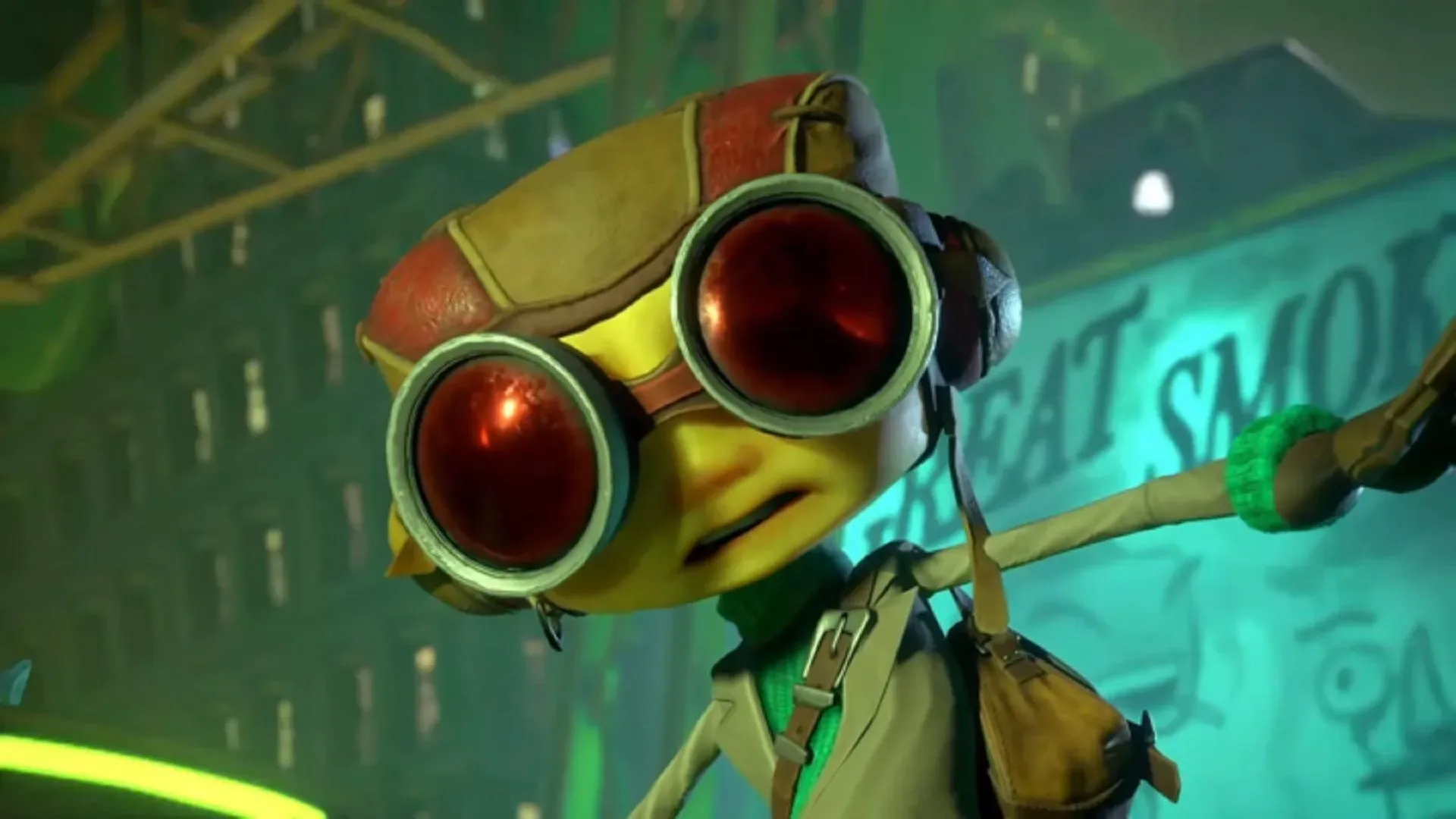
Schafer is not commenting as a detached observer. Double Fine was among the studios that separated from Xbox during its internal restructuring. The publisher and console maker is undertaking a major reorganization that includes thousands of planned layoffs and the divestment of several studios. Studios moving into independence have also had to downsize as part of that transition.
Divestment is a corporate term that can sound abstract. In practical terms, it means a company separates from an asset it previously owned. For a game studio, that can mean operating independently rather than as part of a larger publisher. Independence can create more control over creative and business decisions, but it can also mean the studio must establish a sustainable path without the same corporate backing. Schafer’s comments make clear that the distinction does not turn the situation into a simple victory or defeat.
He has described the post-Xbox period at Double Fine as a creative awakening rather than a reason to fold. His earlier remarks carried a particularly defiant message: he intends for Double Fine’s future to be decided by Double Fine, and he believes there is interest in helping the studio move forward.
That attitude does not erase the risks. It does, however, show why the present moment cannot be reduced to a single narrative about either corporate stability or independent freedom. A studio that regains its independence may have room to define its own path, while simultaneously facing the immediate pressure to protect its staff and fund its work.
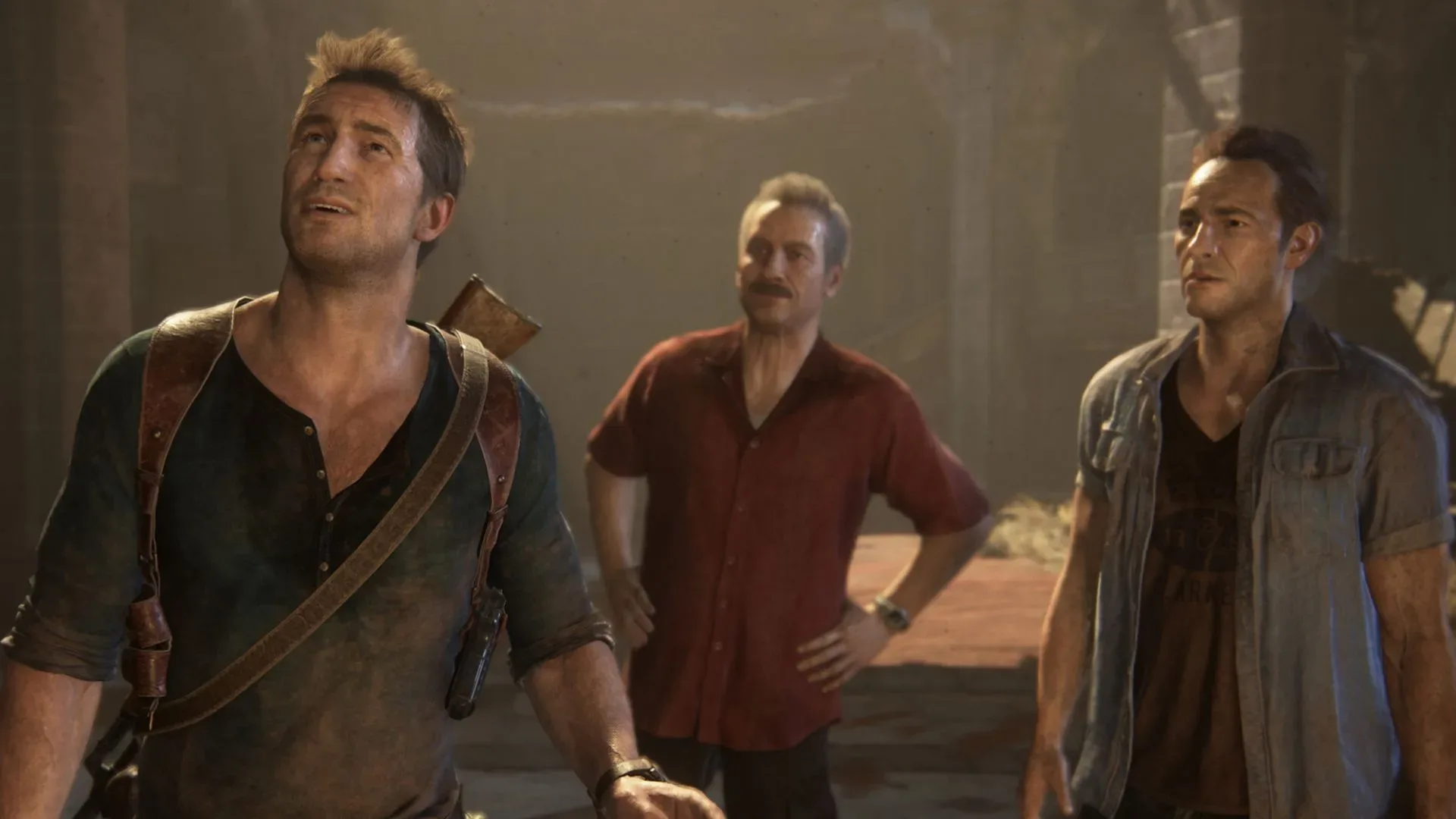
That tension is also relevant when looking at other long-running PlayStation teams and projects. The industry’s shifting creative and production arrangements are part of the backdrop to reports such as a former Naughty Dog artist’s description of an earlier, very different Uncharted 4. Game development is never static, but today’s employment instability makes those changes feel more consequential for the people tasked with realizing them.
AAA and indie games carry different versions of the same uncertainty
Schafer was careful not to frame this as a simple argument that creativity has moved entirely to small studios. He said there is substantial excitement, energy and creativity in the indie space, but also stressed that AAA games can accomplish creative work of real value.
AAA, commonly used to describe big-budget games produced with large teams and extensive resources, can offer the scope required for ambitious productions. In Schafer’s telling, though, it has become an especially harsh place to work. A developer can complete a major game and still be laid off soon afterward. The final milestone that ought to be a moment of celebration can instead become the point at which a team is cut apart.
Indie development has a different hazard. An independent game may have more autonomy, a smaller structure and the ability to pursue ideas that would not fit a major publisher’s strategy. But it does not come with a guarantee of financial safety. As Schafer put it, the risk there may be running out of money after a game ships.
Those are distinct pressures, and neither should be romanticized. The AAA worker may face the shock of a layoff even after contributing to a successful launch. The independent developer may carry the uncertainty of whether sales, funding or other resources will sustain the team after release. Schafer’s central point is not that one side is safe while the other is dangerous. Both have risks; they simply take different forms.
A creative industry can be lively and still be unstable
This distinction is important because enthusiasm around games can obscure the condition of game workers. Players may see a steady flow of new releases, inventive projects and active communities and reasonably conclude that the sector is thriving creatively. Schafer agrees with the first half of that observation. He sees plenty of life and imagination, including in independent development.
But creative momentum and employment stability are not the same measure. The existence of great ideas does not guarantee the budgets, staffing decisions or long-term commitments needed to turn those ideas into durable careers. That is why the contradiction in Schafer’s comments lands so forcefully: the business can appear active from the outside while its workers experience years of insecurity.
Xbox’s restructuring adds another immediate example
Xbox is expected to continue layoffs during its ongoing reorganization. The latest cuts cited in the current situation affected Halo Studios. Activision is now leading development of the next Halo game, while Halo Studios has moved to other responsibilities associated with the franchise.
For a series as recognizable as Halo, that division of work illustrates how a franchise can continue even as the structure around it changes. A game’s name remains, but the studio roles, leadership responsibilities and development arrangements behind it may be substantially different. For employees, that kind of reorganization can bring uncertainty even when the franchise itself remains a priority.
It also complicates the easy assumption that layoffs signal the end of a game property. The available information instead points to continuing franchise work under a changed arrangement. That may matter to fans tracking the next Halo project, but it matters just as much to workers who have to navigate where their expertise fits after the corporate map has been redrawn.
What Schafer is actually asking for
Schafer did not offer a detailed economic blueprint, nor did he claim to have identified every cause of the downturn. His comments are valuable precisely because they resist false certainty. He is pointing to an outcome that seems incoherent from the perspective of someone who has spent years making games: people are playing; money is being made; the medium is full of talent; and yet job losses persist.
His hope is that the current state is a cycle rather than a permanent condition. The evidence he describes does not allow a firm forecast, and his optimism should be read as hope, not a prediction. Still, the question he raises deserves attention from anyone who cares about how games get made. If a successful release cannot reliably protect a team, the business has a serious credibility problem with the people expected to build its future.
Double Fine’s attempt to continue independently will be one small but meaningful test of whether creative studios can find room to endure amid the churn. For now, Schafer’s remarks capture the unease plainly: a thriving audience and a creative medium are not enough on their own if the people making the work cannot count on a stable place to keep doing it.