Double Fine’s return to independence has put an unusually candid spotlight on what it takes for a smaller, creatively distinctive studio to survive inside—and then outside—a platform holder. Founder Tim Schafer has discussed the studio’s seven-year period under Microsoft, his initial hesitation about the 2019 acquisition, and why the company’s appetite for odd ideas remains central to its future.
The broad outline is clear: Double Fine officially became independent again on July 6, alongside three other studios, including South of Midnight developer Compulsion Games. The transition came amid a major Xbox leadership reshuffle this year, with Asha Sharma taking over from Phil Spencer as Xbox CEO. Schafer’s comments portray the separation less as a single lightning-bolt event than a growing sense that the relationship and the business around it were changing.
For a studio with a long history of comedy, experimentation, and games that do not resemble a conventional blockbuster spreadsheet, independence is both an opportunity and a daunting responsibility. Schafer’s priority is not pretending that unpredictability has gone away. It is keeping Double Fine operational while protecting the creative identity that made people care about it in the first place.
“No one puts Double Fine out of business except for me”
Schafer framed that responsibility in characteristically macabre, comic terms. He said that no one else would be the one to put Double Fine out of business, comparing the studio to a dog that he—not Xbox leadership—would be responsible for. The point behind the dark joke was optimistic: he believes the company can do well, and that there are people who want to support and work with it.
It is a very Tim Schafer way of discussing an extremely un-funny subject. Game-studio closures, layoffs, and changing corporate priorities are not abstractions for developers. They affect teams, projects, and the ability to make the next strange thing. But the language also underlines a meaningful shift. An independent Double Fine will have more agency over what it makes and how it presents itself, even as it shoulders more of the risk.
That risk has not vanished simply because the ownership structure changed. Following the move away from Xbox, Double Fine laid off 23 people. Schafer said that the studio would only consider such a painful measure in the interest of its survival. It is an important and sobering part of the story: independence is not a magic shield against the pressures that have been affecting the wider games business.
Why Microsoft made Schafer uneasy in 2019
When Microsoft offered to acquire Double Fine in 2019, Schafer’s first reaction was not uncomplicated enthusiasm. He recalled thinking that he did not want the studio to be purchased by a company he associated with shutting studios down. That concern was hardly irrational in an industry where acquisitions can bring greater resources but also leave teams exposed when strategies, executives, or financial expectations change.
At the time, however, Schafer said Phil Spencer was an authentic admirer of Double Fine, while Xbox chief content officer Matt Booty offered reassurance that the developer would be allowed to operate with a degree of self-sufficiency. By Schafer’s account, that arrangement largely held through the period before the recent leadership changes.
That distinction matters. Corporate ownership is not experienced as one permanent, monolithic condition. It can feel radically different depending on the people in charge, how a publisher’s portfolio is being managed, and whether leadership sees a smaller studio’s unusual projects as valuable on their own terms. A creative team can have room to breathe in one moment and find itself reassessing everything in the next.
Schafer described the dawning realization in a particularly modern and painfully recognizable way: not necessarily through one explicit warning, but through the tiny shifts in communication that imply something is wrong. A joke text that receives no response can suddenly feel more meaningful than it should. “I knew before I knew,” was his summary of that gradual intuition.
That experience will resonate beyond Double Fine. Studios often learn about changing priorities through incomplete signals: delayed meetings, altered reporting lines, unanswered messages, and the sudden disappearance of familiar champions. None of those details confirms a decision alone, but together they can make the air in a workplace feel different.
The pressure of needing a “Minecraft hit”
Schafer said he had come to believe Double Fine might not survive within Microsoft unless it produced a breakout success on the scale of Minecraft in the relevant year. Whether that was a literal internal benchmark or Schafer’s way of expressing a broader anxiety, the feeling is easy to understand. Major publishers are increasingly measured against enormous successes, and those expectations can make carefully made mid-sized or idiosyncratic games look precarious on a balance sheet.
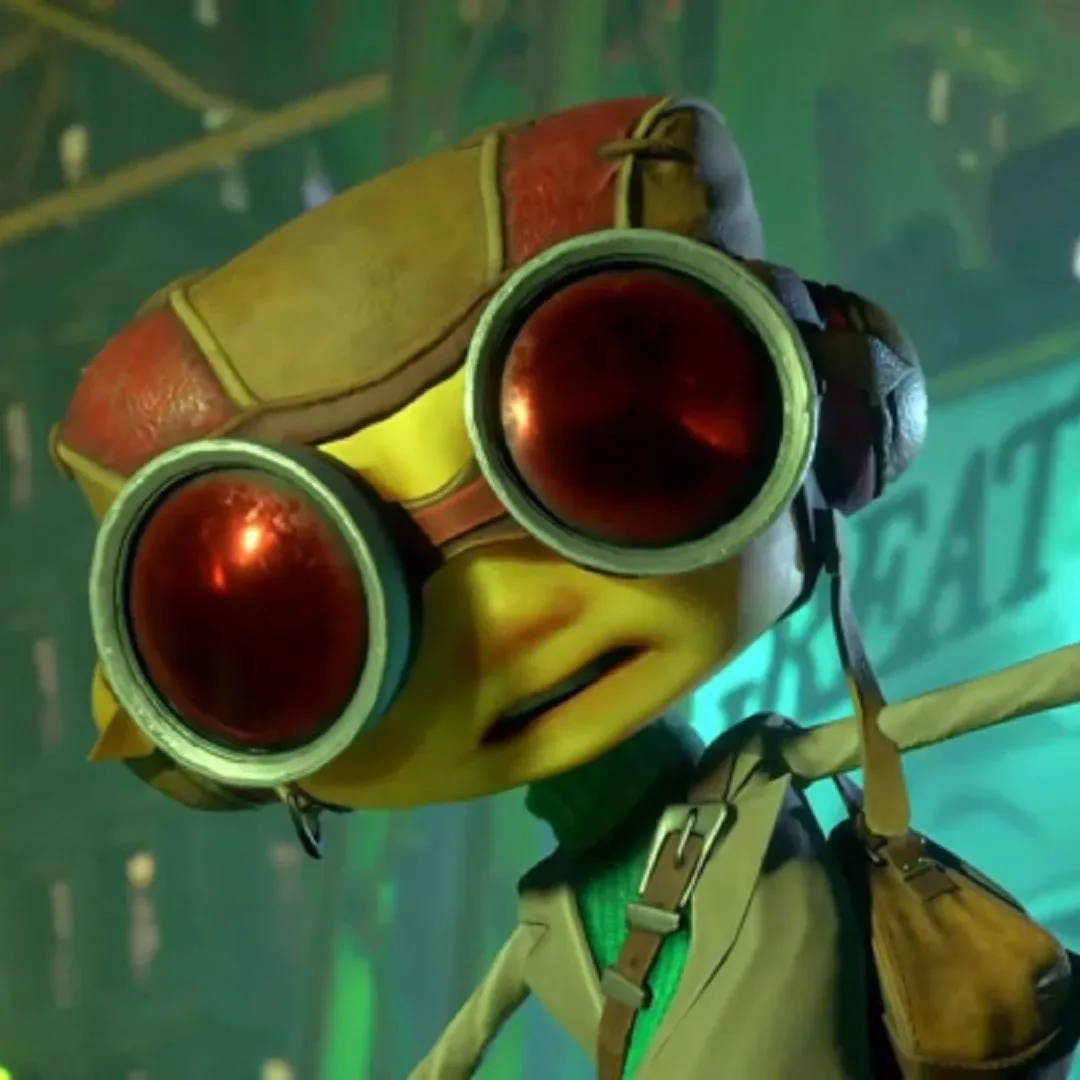
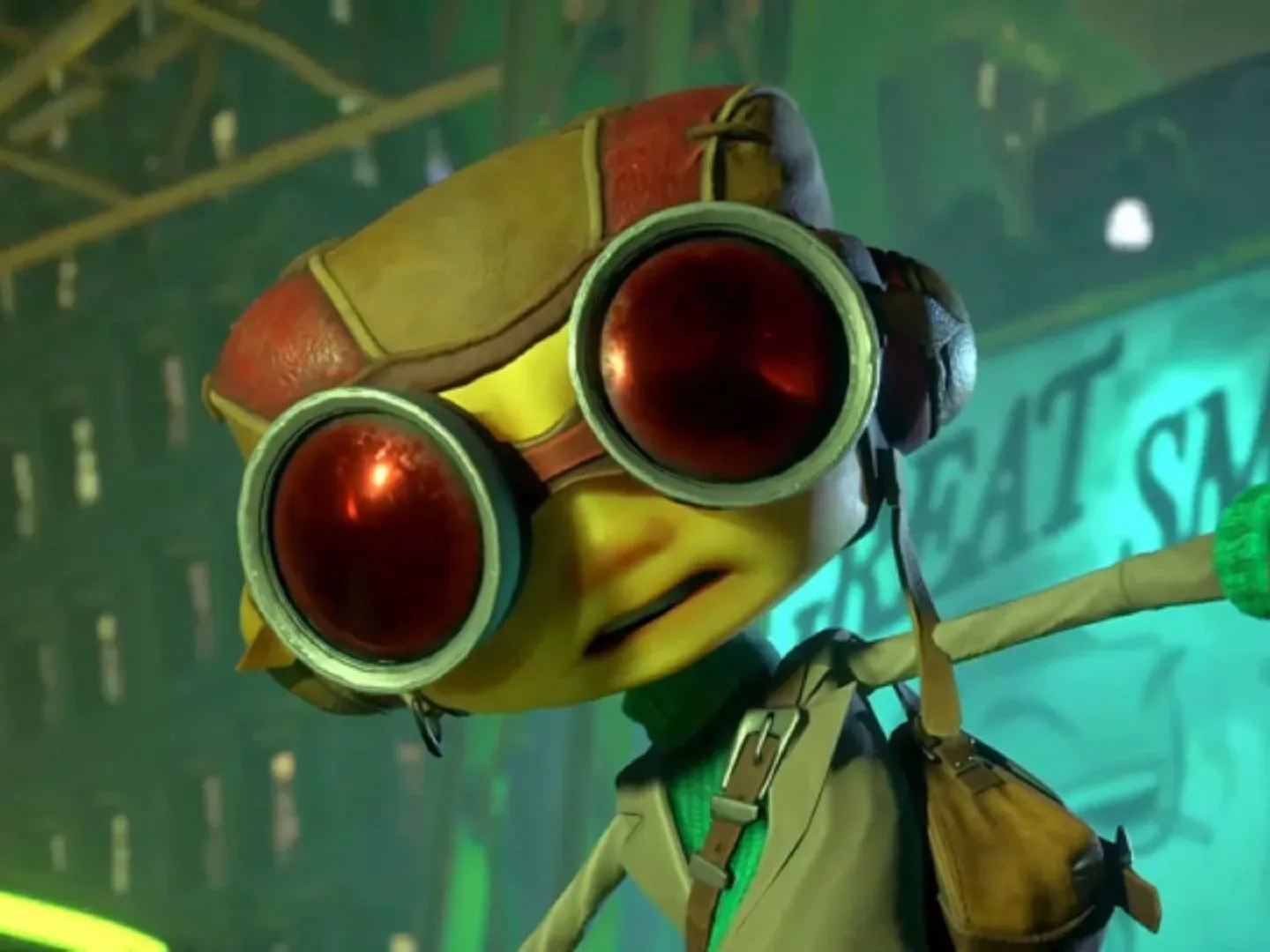
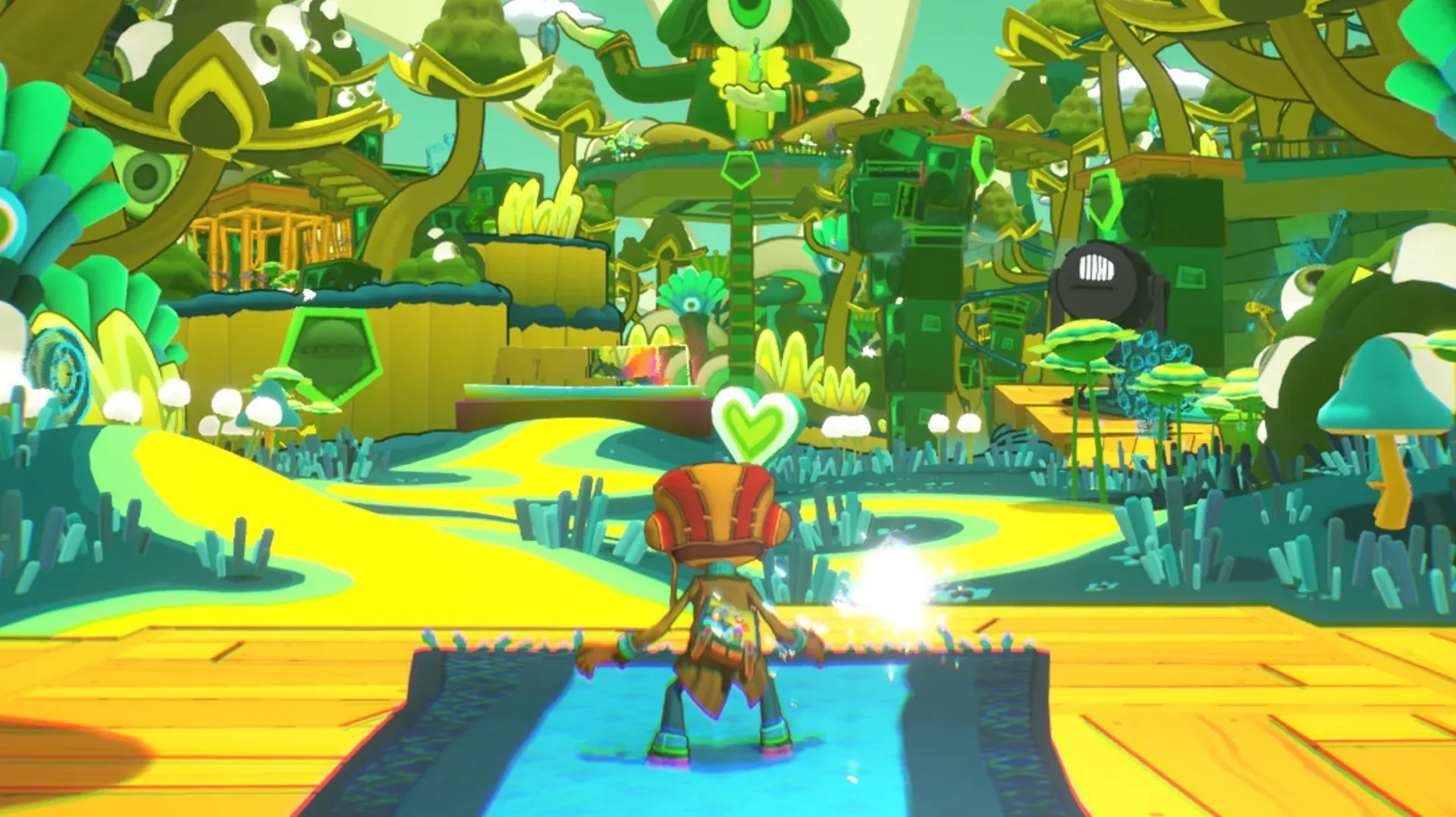
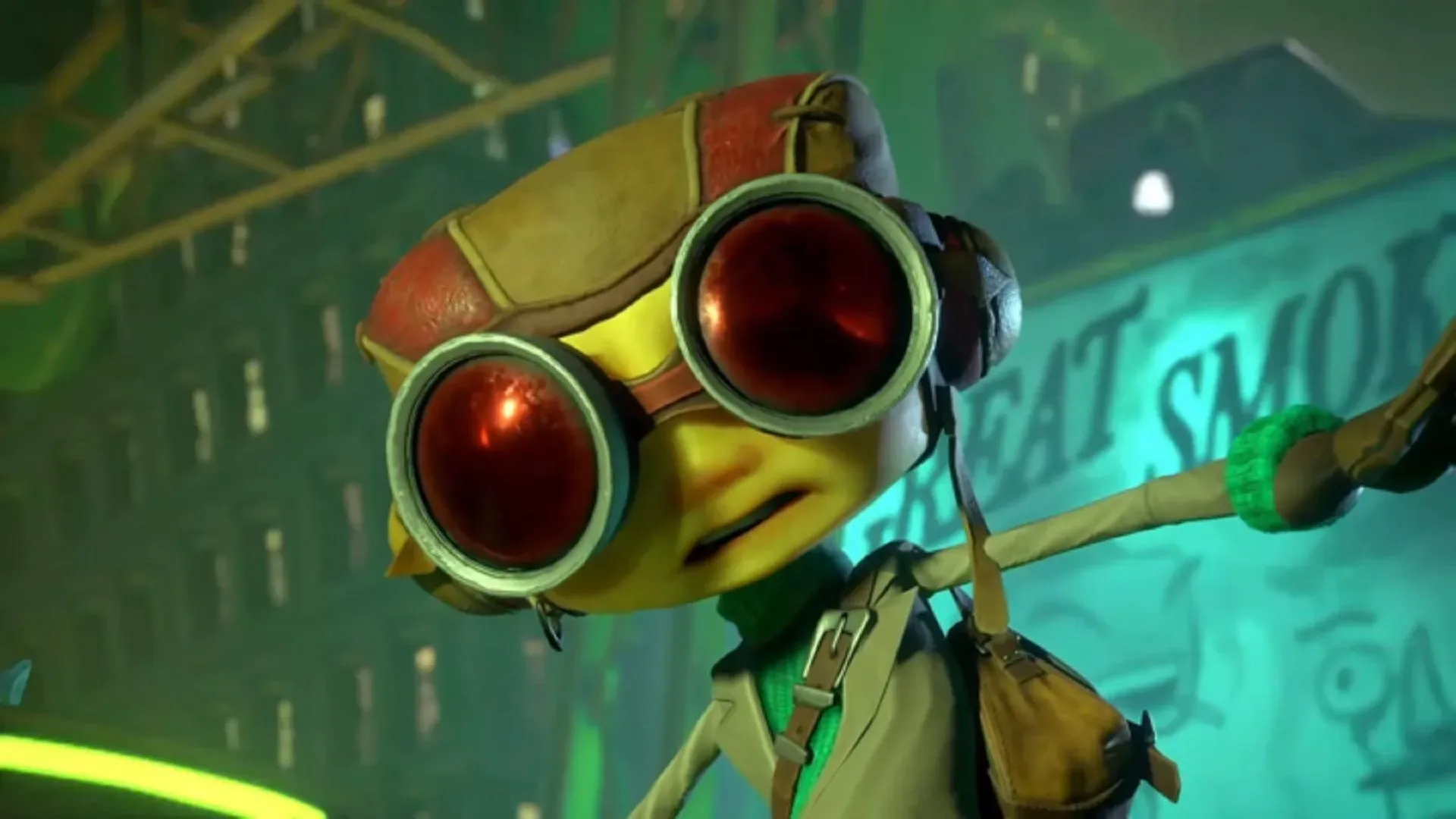
Yet Double Fine has never built its reputation by behaving like a studio engineered to produce the most standardized possible global hit. It is known for games with personality and off-kilter premises, from Psychonauts 2 to its more experimental work. Its pottery-themed brawler Kiln is a recent example of the studio’s willingness to follow a premise that sounds odd enough to be memorable before anyone has even explained the controls.
That sensibility also helps explain why a title such as Thank You Bus Driver fits naturally into the Double Fine catalogue. Announced on September 4, the game centers on a bus driver who wants passengers to say thank you. It is a tiny everyday social tension, inflated into a game premise—the sort of observation that can sound silly in a sentence but may become compelling through the right characters, systems, and comic timing.
There is a useful comparison in the strange etiquette of local multiplayer: games become memorable not just through rules, but through the social rituals players invent around them. Our look at the unwritten rules of couch multiplayer explores that same human layer of play. Thank You Bus Driver appears poised to mine a different shared ritual: the brief, occasionally awkward negotiation between driver and passenger.
Creative oddity is not a side project
Schafer was direct about why Double Fine continues to make what he called wacky creative work. These games, he argued, have to be enjoyable and fulfilling for the people making them; the financial rewards alone do not offset how difficult game development is. If the studio stopped pursuing its own eccentric interests, he suggested, the natural question would be: why bother?
This is not a rejection of commercial reality. On the contrary, it is an acknowledgment that a studio needs a reason to keep creating through the uncertainty. A team cannot indefinitely endure demanding productions merely because a spreadsheet says it should. Distinctive creative work can be part of a studio’s survival strategy because it attracts developers who want to make it, players who seek it out, and partners who understand why the work has value.
That does not mean every unusual game will succeed, or that every game needs to be strange simply for the sake of strangeness. It means Double Fine’s identity cannot be separated from its willingness to take creative swings. If it turned into a company that only followed the safest available trend, it might reduce short-term uncertainty while losing the reason it has endured for so long.
The challenge resembles a collector trying to explain why one particular object matters beyond its resale value. Context, story, and personal connection are part of the value proposition. As The Collector’s Five Stages of Buying One Small Thing observes in a different setting, rationalization can become a full-blown narrative. For Double Fine, the narrative is not an excuse after the fact; it is a guiding principle: make games worth caring about before asking anyone else to care.
Independence brings control, not certainty
Schafer also admitted how difficult the business is to predict, saying that his limited understanding after all these years demonstrates just how hard it is to know what comes next. That humility may be the most revealing element of his comments. There is no easy formula for a studio like Double Fine. Corporate ownership offered resources and relative autonomy for a time, but it could not make the company permanently immune to restructuring. Independence provides a clearer sense of control, but not guaranteed stability.
What Double Fine can control is its direction: the kinds of games it pursues, the culture it protects, and the reasons it gives people to pay attention. Thank You Bus Driver is the immediate signal of that direction. It is not framed as an attempt to become the next Minecraft; it is a Double Fine premise, and that may be precisely the point.
After seven years within Microsoft, the studio is once again responsible for its own route. The road ahead includes the painful reality of layoffs and the ordinary uncertainty of game development. But Schafer’s message is that Double Fine’s future cannot be secured by abandoning the weirdness that defines it. Keeping the team alive is the essential task. Making work that is fun, rewarding, and unmistakably its own is how the studio intends to justify the trip.