Tokyo Game Show 2026 may have had fewer major upcoming releases competing for attention, but its indie spaces made a persuasive case that some of the event’s most interesting ideas were happening away from the blockbuster spotlight. Japanese creators and publishers brought games that were not merely trying to look distinctive on a digital store page. They were finding ways to build an audience through small-run comics, art, merchandise, exhibitions and physical gathering spaces.
That matters because the model is bigger than a marketing gimmick. It is a different route for sustaining creative work: one that treats a game as the center of a wider conversation rather than a product that begins and ends with its launch window. At a time when the wider games business is wrestling with cost pressures—also visible in the rising price of console hardware and falling hardware sales—those alternative ways of reaching people can be especially meaningful for small teams.
From doujin roots to a broader indie scene
A key part of the context is doujin, a Japanese term used here for amateur, independently made works that can be original or based on existing properties. The form encompasses more than games, and its culture has long given hobbyist creators a route to share their work directly with interested communities. Events such as Comiket allow creators to sell these projects, while Comitia provides another venue for original work.
Doujin games were historically passion projects made for fellow fans, not necessarily the opening move of a conventional career. The Touhou franchise stands as an exceptionally prominent example of independent Japanese media growing from that environment. But for many makers, the purpose was creative connection rather than a scalable business plan.
That line is now becoming less rigid. Digital console storefronts helped indie games flourish internationally from the late 2000s onward. High-profile successes including Undertale, continuing promotional efforts such as Nintendo’s Indie World, and the achievements of Japanese companies including Q-Games and Shapefarm have helped demonstrate that smaller teams can find an audience. More developers are consequently considering a route outside employment at a major company.
The result is not one uniform “Japanese indie” style. It is a growing set of projects that often draw on particular social concerns, working experiences and cultural touchstones. Tokyo Game Show’s Selected Indie 80 program, intended to highlight standouts, offered several examples of how broad that range can be.
Games turning contemporary anxieties into play
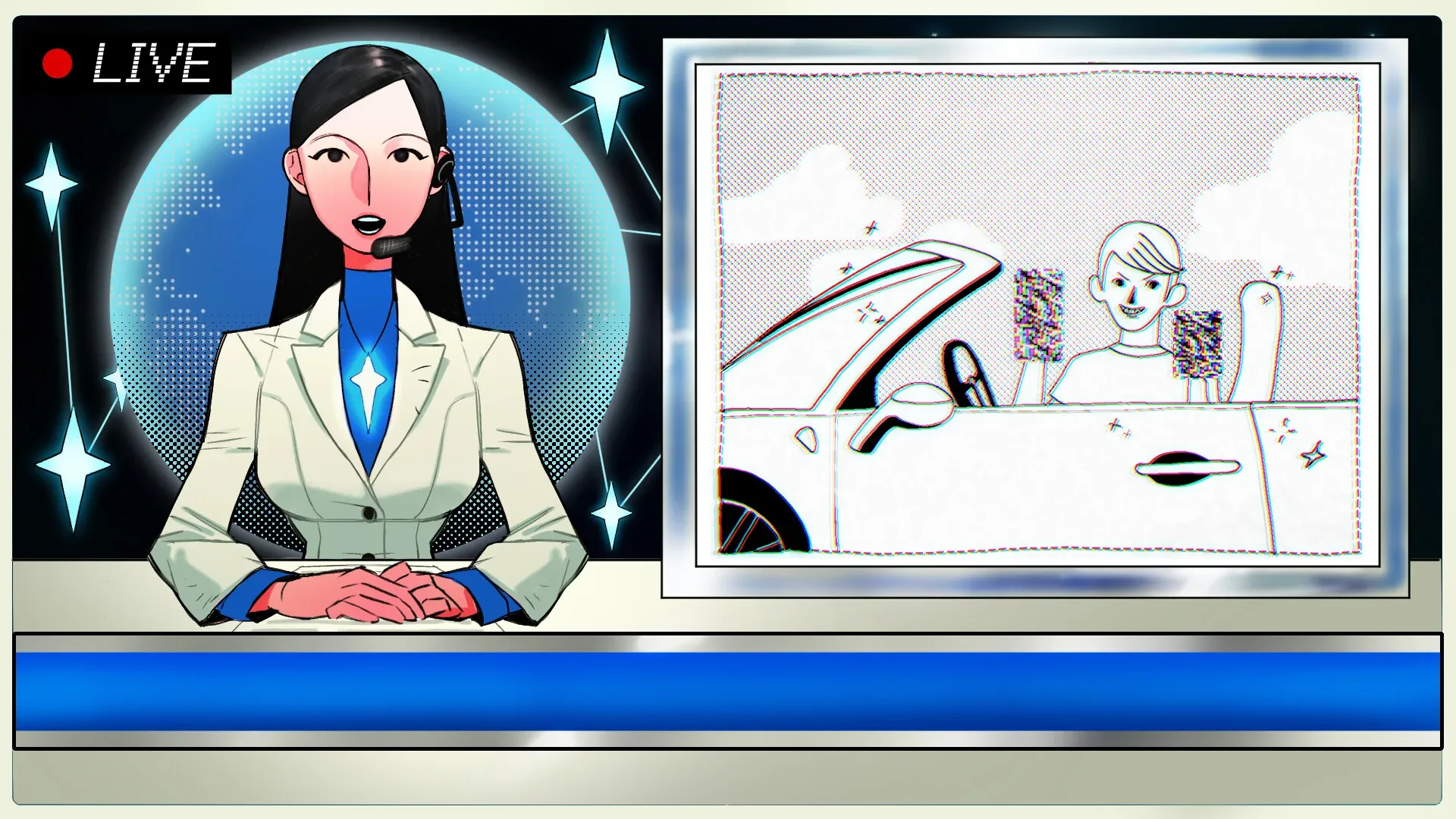
Mask It, which originated during this year’s Global Game Jam, puts the player in the chair of a news editor tasked with making everyday stories more exciting in order to satisfy targets and editors. The methods include obscuring photographs and altering stories. Those changes can read as comic meddling, but they can also suggest something more damaging: the calculated creation of sinister implications and the distortion of public opinion.
The premise gives the game an unusually direct connection to concerns around misinformation on social platforms and in politics, as well as anxiety over AI. It does not need a lecture to establish its subject. By making editorial manipulation the player’s work, it turns the pressure to chase attention into an interactive system. That is an important distinction. A game about a problem can simply describe it; a game that asks players to perform actions within that problem can make its incentives and compromises much more legible.
Related coverage includes Japanese Indie Publishers Are Building Games Beyond the Storefront.
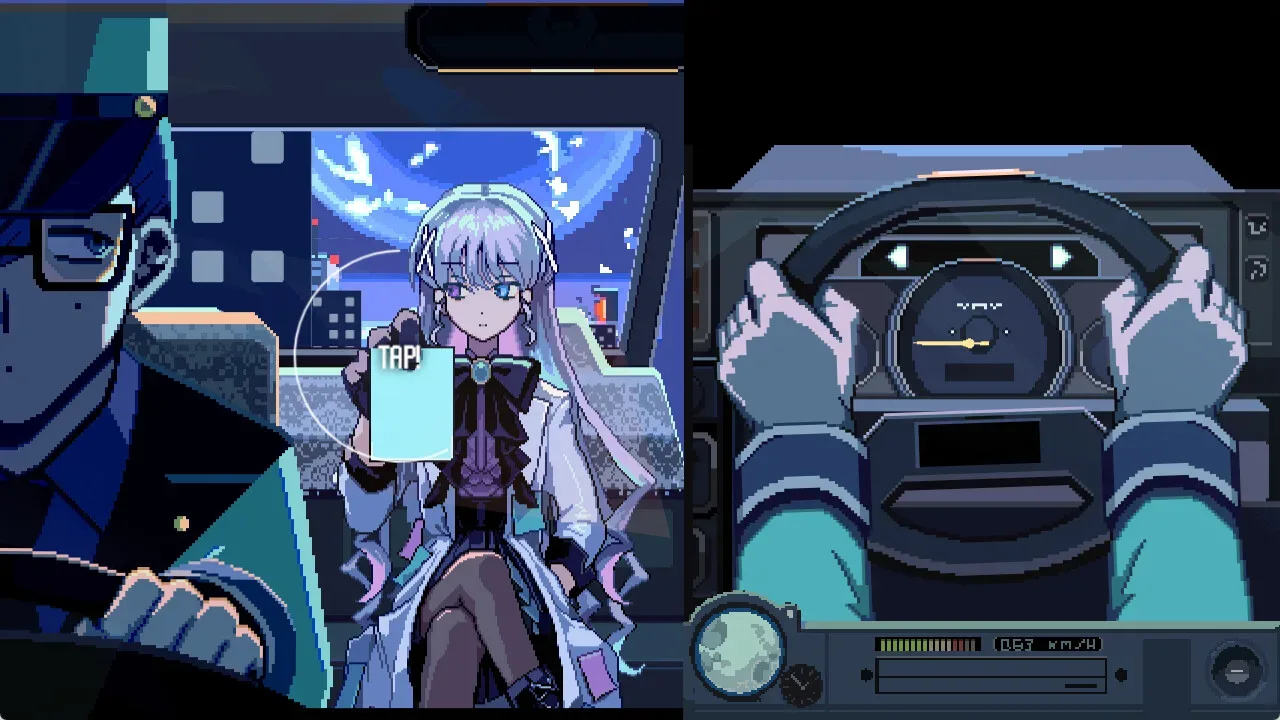
Timemoon, developed by Kenkou Land, heads in another direction. It is a narrative adventure starring Clark, a taxi driver in a near-future world. His taxi can carry passengers not only across physical distance but to different points in time. After the president dies under mysterious circumstances, Clark’s high-profile fares may hold clues to whether time travel played a role in the murder.
Its setup takes a familiar time-travel question—what happens when knowledge and access to the past become power—and grounds it in the routine role of a driver. The player is not described as a detective with limitless authority, but as someone whose job positions him near people and information that may matter. That framing is precisely the kind of specific perspective smaller narrative games can explore.
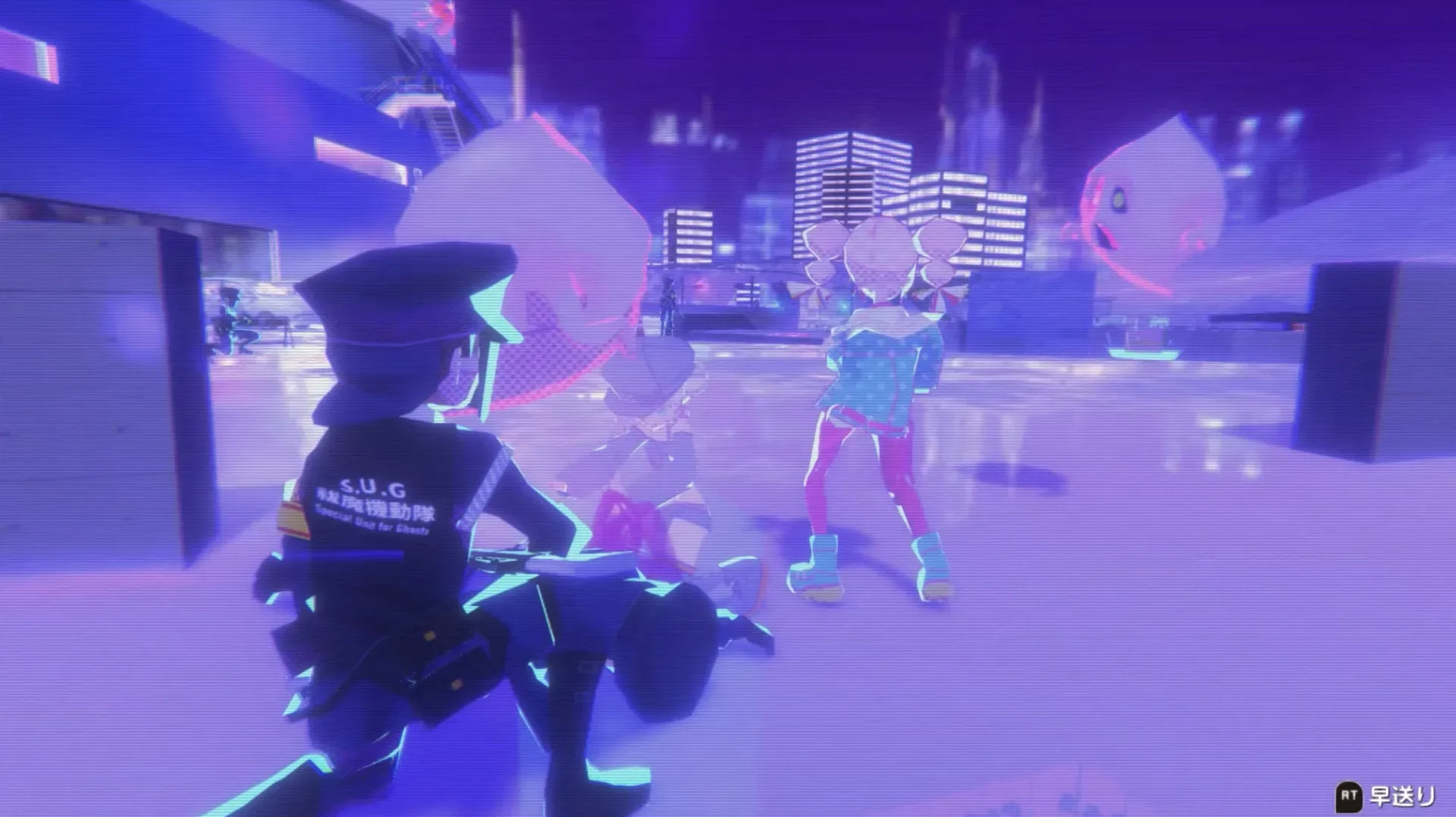
Late Fee Girls is another project with a deliberately idiosyncratic premise. The RPG follows three girls operating a video store who supplement their income as Exorcist Streamers, battling ghosts from haunted videotapes. Solo developer Urimo is developing the game while also selling doujin comics containing character sketches and in-universe commentary from its cast.
That accompanying material is more than a side product. It illustrates the practical relationship between the doujin ecosystem and game development. A comic can give prospective players a clearer sense of the characters and world long before a game is complete. It gives existing followers something tangible to own or share. And it creates a reason for a conversation to continue between development milestones, rather than requiring a creator to disappear until there is a trailer or release date.
Small physical works can build durable interest
Stickers, postcards and compact concept-art zines are unlikely to cover the full cost of making a game. Their value is not that they magically solve financing. Instead, they can perform multiple jobs at once: bringing in some money, putting artwork in front of people, and helping buyers feel invested in a project’s eventual future.
For a small creator, that combination can be significant. A player who buys a zine is no longer encountering a game as one among thousands during a storefront refresh. They have had a more personal interaction with the project, and may be more inclined to follow its progress or tell others about it. The work has become a physical object, a piece of art and a connection to a creator, not only an item on a wishlist.
The scale of Japan’s creator events makes this route especially notable. Comitia’s quarterly Tokyo events attract more than 30,000 attendees each, while Comiket can draw more than 300,000 people across two days. Neither opportunity guarantees attention, and the source material does not suggest that every booth produces a breakthrough. But the events provide real-world spaces where a game can be discovered alongside comics, illustrations and other creative works.
This also explains why non-gaming events and gallery-scale spaces can matter. They offer developers access to people who may be interested in an aesthetic, character concept or illustrated world before they know anything about the game’s mechanics. In a crowded market, that can be a meaningful first point of contact.
Publishers are expanding the definition of support
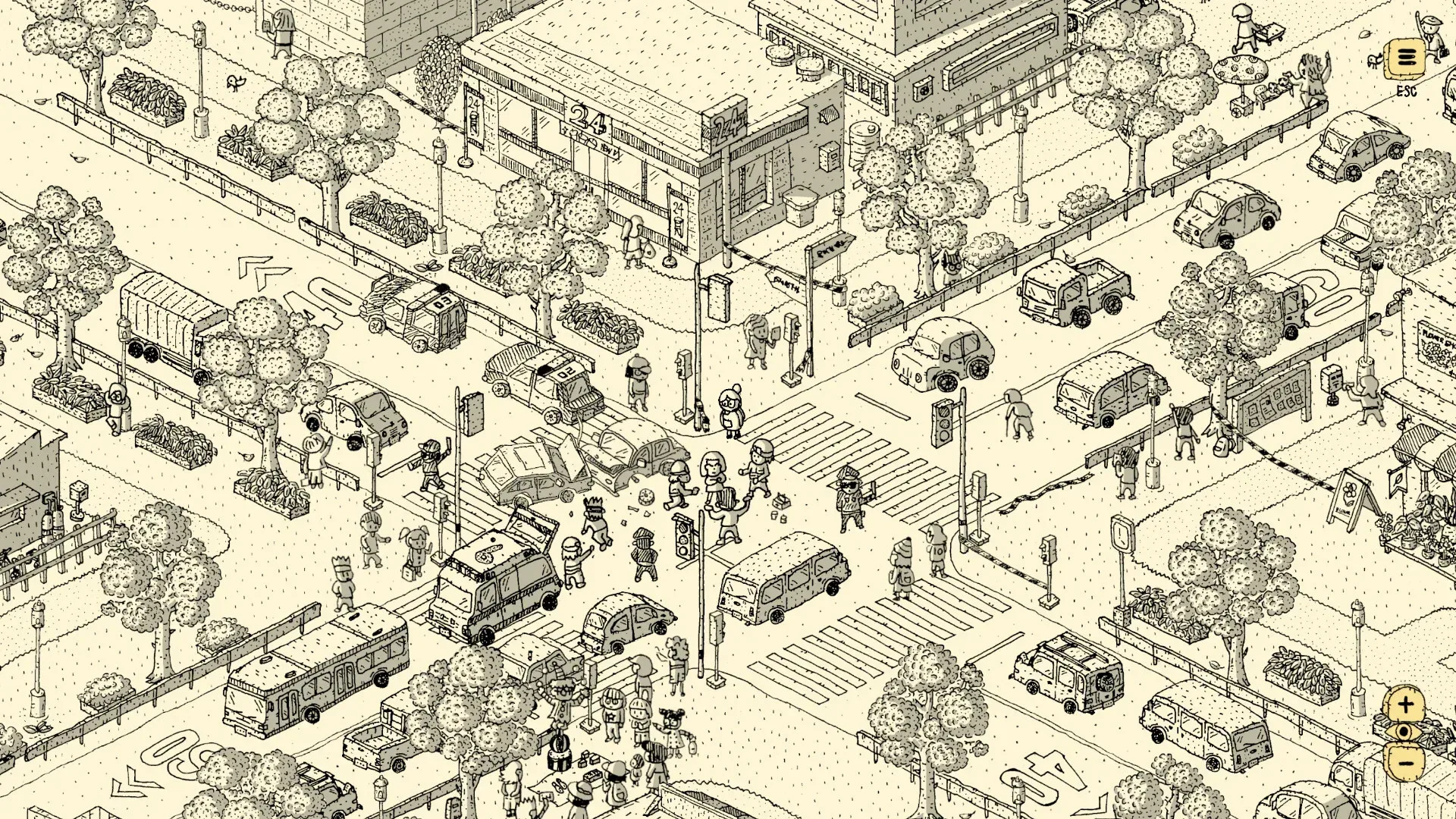
At Tokyo Game Show, this approach was visible not only among individual creators but also among publishers whose wider businesses reach beyond games. Finding Polka won the Selected Indie 80 Platinum Prize for best game at the event. The game follows a search for a missing dog through a dense town, and every character and animation is rendered in a hand-drawn sketch style. It had also received major prizes at Gamescom and BitSummit.
Finding Polka is being published worldwide by Parco Games, a games publisher created by the Japanese department-store company Parco. That connection is central to the publisher’s approach. Parco’s stores also host pursuits beyond clothing, including art exhibitions and stage plays. Its games division is working in adjacent spaces as well, including a Kojima Productions pop-up store, and it has extended its work with indie projects into merchandise. Finding Polka shirts, for example, are sold through Parco alongside major fashion brands online.
That does not mean a shirt is a substitute for a strong game. It means the publisher can help present a game in ways that suit its particular visual identity and build awareness in places a normal release campaign may not reach. For an illustration-led project such as Finding Polka, an arts-oriented presentation is a logical fit.
“We aren’t a game-centric company, but we have a long history of discovering new talent and innovative forms of expression, and bringing their appeal to a wide audience,” Parco Games’ Yudai Kawamura said. “Parco has physical spaces where people can gather such as stores, event spaces, galleries and theaters, and allowing people to experience games not just by selling them but through exhibitions and events is something unique to what we offer.”
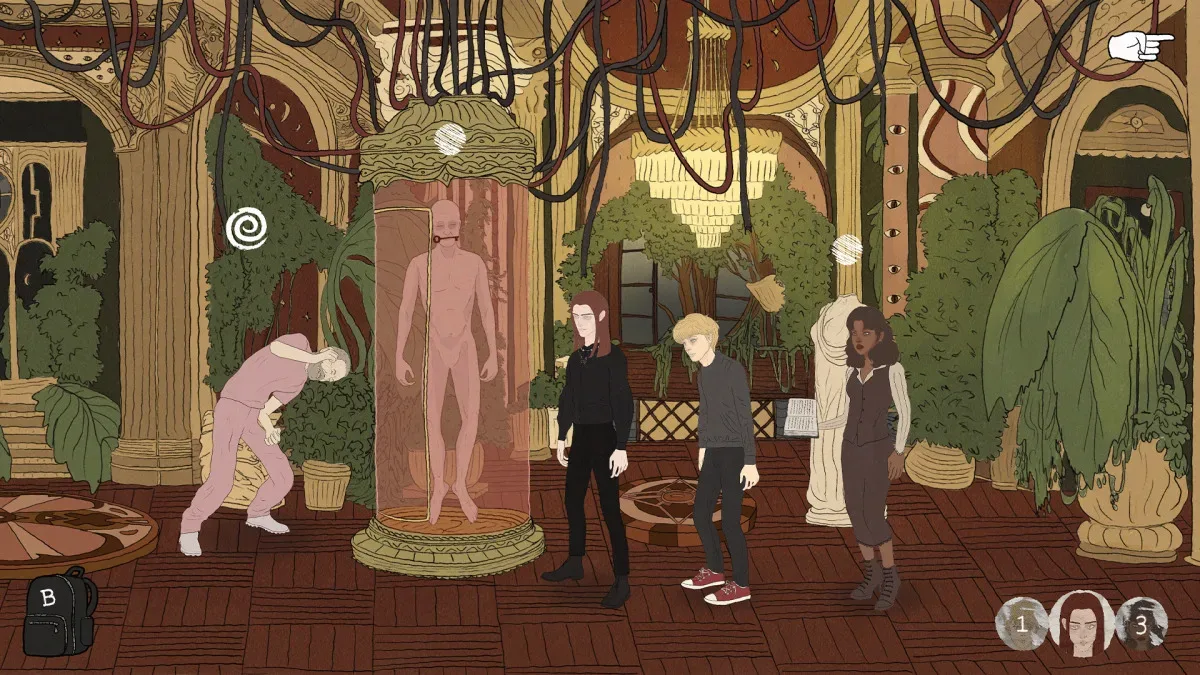
Parco Games is also set to publish Deperson worldwide from Turkish team Error Thing. The psychedelic horror game takes place in a mental hospital and uses hand-drawn art as players speak with other patients, learn about their conditions and deal with the protagonist’s amnesia. It is not a Japanese game, but its inclusion clarifies that this is an arts-led publishing philosophy rather than a purely national one.
Shueisha Games provides another example of a publisher using experience outside game publishing. Drawing on its parent company’s history in manga, it has supported successful games through additional media such as novels and physical pop-up retail stores. In industry terminology, this is often called multimedia expansion: carrying a game’s characters, setting or ideas into other formats. Done carelessly, it can be empty branding. In the cases outlined here, the intended value is to give a project more ways to be encountered and remembered.
Why this model is worth watching
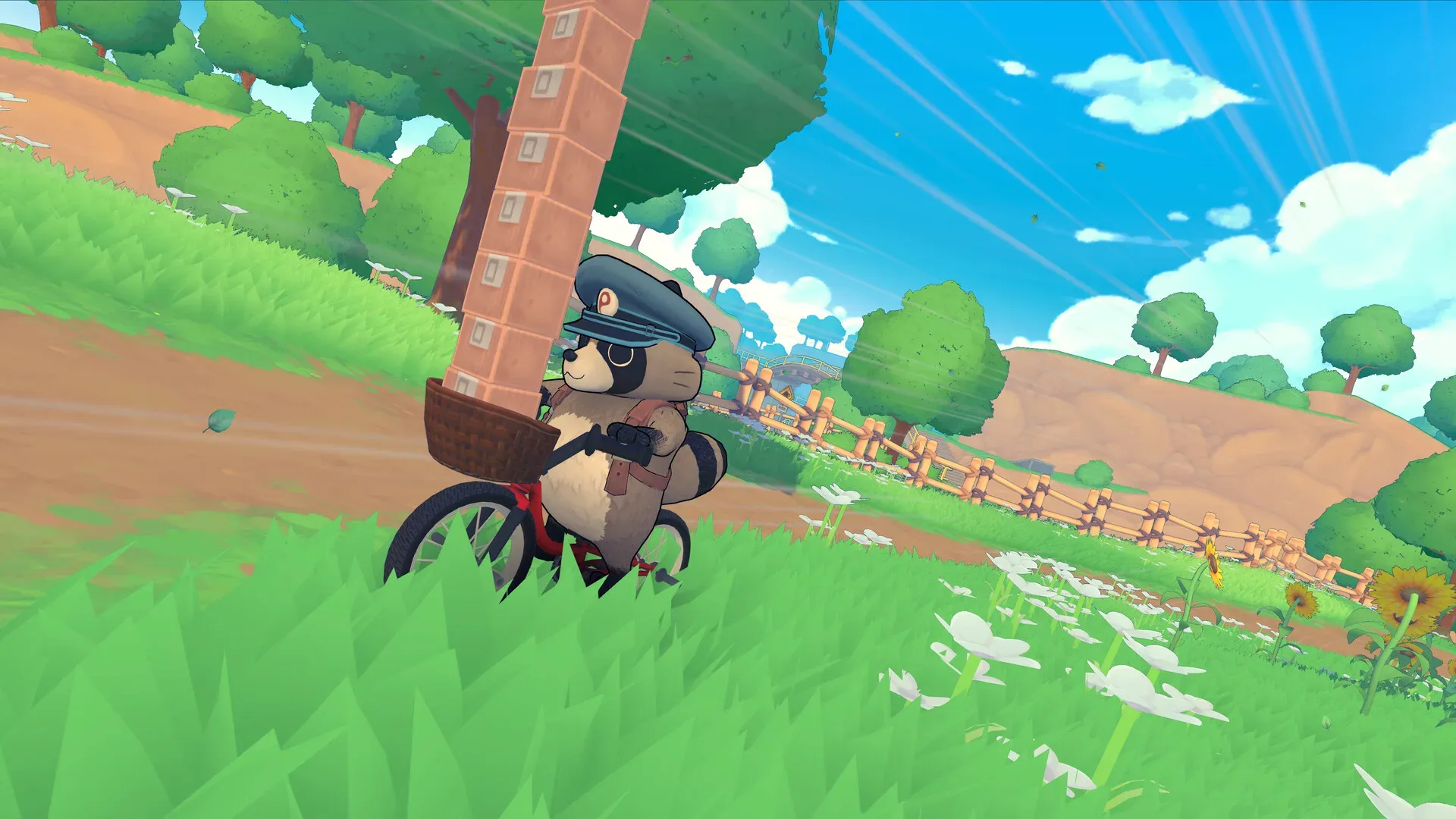
Tokyo Game Show also featured projects such as Tanuki: Pon’s Summer, about a bicycle-riding tanuki who runs errands and performs trick moves, and Iron Bramble, a Metroidvania built around a distinct grappling-hook movement system. Together with Mask It, Timemoon and Late Fee Girls, they show a field defined less by a single genre than by confidence in unusual premises.
The larger takeaway is that visibility does not have to be confined to algorithms, trailers and launch-day placement. Doujin magazines can nurture a fandom during development. Large conventions can introduce a game to new people. Stores, pop-ups, galleries and merchandise can give it a life in physical spaces. Publishers with backgrounds in art, fashion, retail or manga can use resources that a game-only company may not possess.
Viral successes such as Meccha Chamelion and Exit 8 remain the most visible international face of Japanese indie games. Yet the projects on display suggest that a sustainable creative scene cannot rely on virality alone. It needs creators able to take chances, communities willing to engage before release, and partners who understand that a game may be both software and a piece of culture people want to discuss, display and revisit. The most promising part of this model is not that it guarantees success. It is that it gives original work more than one chance to find its audience.