Tokyo Game Show 2026 will close a day earlier than planned after organizers canceled the event’s full September 21 program because of Typhoon Dujuan’s approach toward Japan’s Kanto region, including Tokyo.
The decision ends the convention’s planned five-day run on four days. That expanded schedule was intended to mark the show’s 30th anniversary and took advantage of a Japanese holiday falling on September 21. It would have been the first five-day edition in the event’s history.
Organizers said strong wind and rain were expected to intensify later in the day, while transportation disruptions were also a concern. The cancellation was framed around the safety of attendees, exhibitors and event staff, as well as their ability to return home safely. The show is still scheduled to proceed on September 20.
September 21 ticket holders are due refunds
Everyone holding admission for September 21 will receive a refund. That is the clearest immediate answer for people who had planned to attend on the holiday, though it does not erase the lost opportunity for visitors who selected that specific day for a demo, stage program, meeting or booth visit.
The available information does not establish how arrangements will work for developers and other exhibitors that paid for space across the full five-day show. That distinction matters. A public-admission refund addresses a ticket purchase; it is separate from the planning, construction, staffing and promotional commitments involved in operating an exhibit at a major convention.
For anyone with September 21 plans, the practical takeaway is uncomplicated: the event is not merely closing early or trimming individual sessions. The entire day has been canceled. Attendees should not assume that a ticket, reservation or scheduled booth activity can be used as normal on that date.
Why weather can reshape a convention beyond the venue
A convention cancellation is often understood as a building-access issue. In this case, organizers specifically pointed to the risk of disrupted transportation as well. That changes the decision from a question of whether an exhibit hall can open into one of whether thousands of people can travel to and from it safely and predictably.
Kanto is the region that includes Tokyo. The Japan Meteorological Agency forecast winds that could reach up to 78 mph as Dujuan approached the region around Monday night, local time. The expected escalation of wind and rain later in the day is particularly relevant for an event whose visitors, workers and exhibitors may be traveling at different times and through different routes.
Related coverage includes Typhoon Dujuan Cancels Tokyo Game Show 2026’s Final Day.
That context also explains why retaining the final day as a shortened program would not necessarily solve the problem. A reduced schedule could still leave people attempting return journeys as conditions worsen, while public transport interruptions can affect both arrival and departure. Canceling the entire day gives visitors and exhibitors a clearer instruction than trying to manage a changing timetable around severe weather.
PlayStation’s final-day program is also off
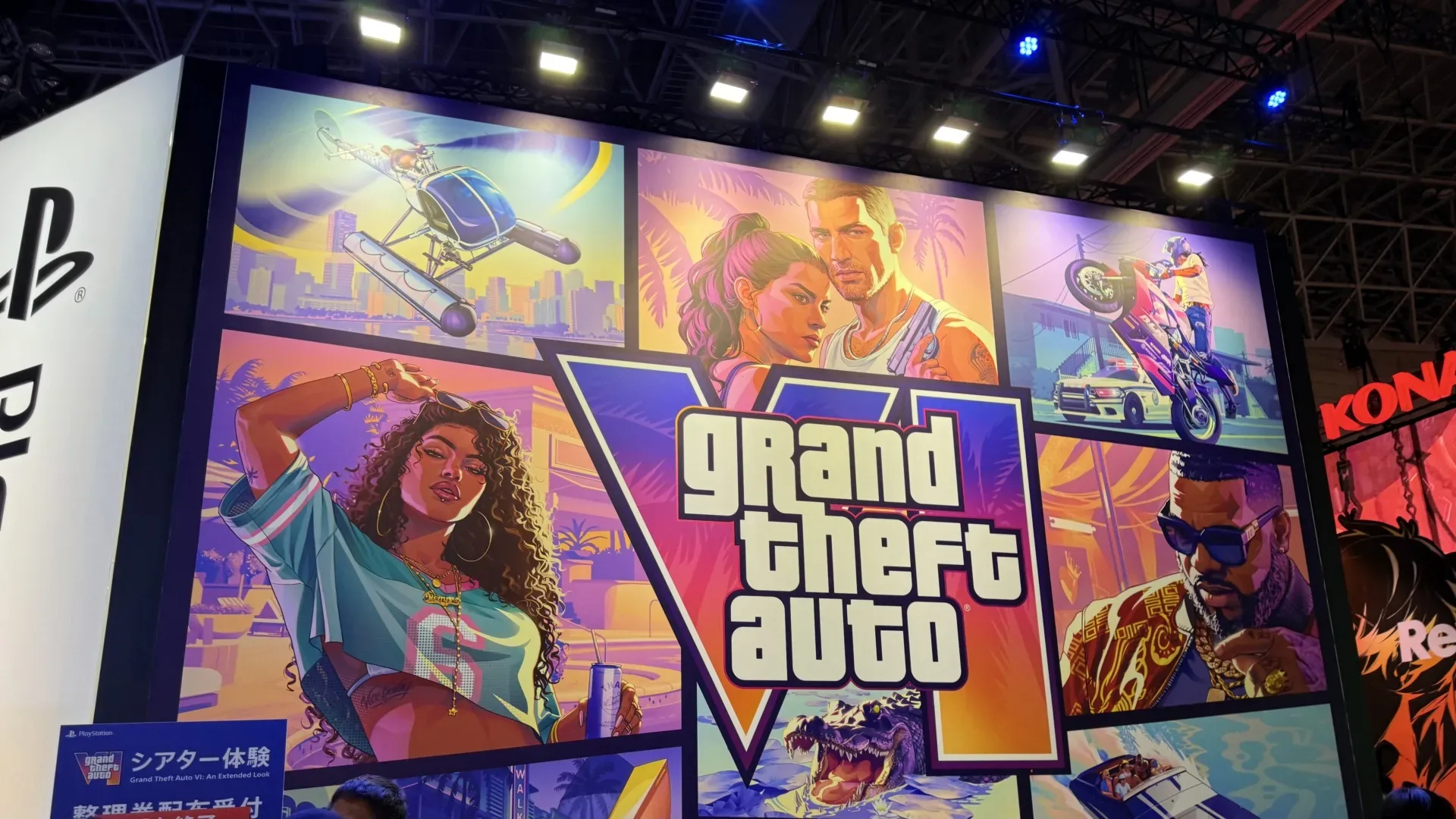
PlayStation separately confirmed that its hands-on demos and streaming events scheduled for September 21 will be canceled. The company’s booth had been one of the major show-floor attractions, including large screenings of the Grand Theft Auto 6 extended-look trailer accompanied by real-world special effects.
The wording is important for fans who may have been focused on a specific PlayStation booking rather than the show’s broader schedule: those final-day activities are not moving forward as planned. The information provided does not say that the demos or streams will be rescheduled, moved online or transferred to another convention date. It is best read as a cancellation rather than a promise of replacement programming.
For publishers, demonstrations are more than decorations around a booth. A hands-on demo is a playable build presented to attendees, usually with staff, equipment, queue management and a defined amount of visitor time. When an event day disappears, that is one less day for people to play the build and one less block of appointments for the team operating it. Streaming events similarly depend on technical crews, presenters and an audience schedule that can be difficult to reconstruct at short notice.
A shortened anniversary show with major booths still in focus
The weather interruption lands during what was designed as a milestone edition of Tokyo Game Show. Its 30th anniversary expansion gave exhibitors an additional day to present games and visitors an additional holiday date to attend. Instead, the anniversary event will end before that fifth day arrives.
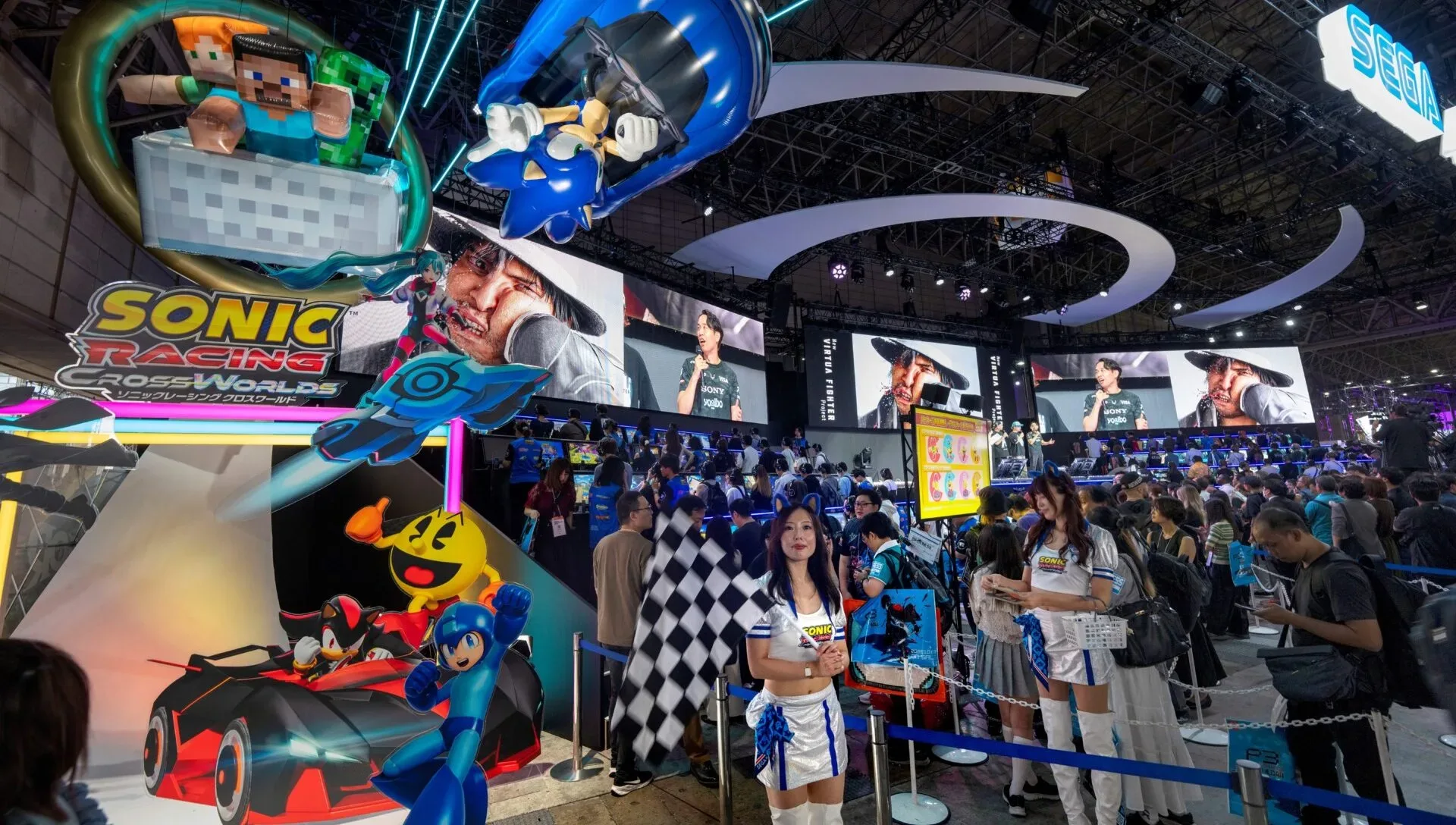
The show floor had still been busy, even without a heavy slate of major announcements or new game reveals. That distinction is useful. A games convention can generate attention through news conferences and unveiled projects, but it can also function as a place for public demos, elaborate displays and presentations that give established games a physical presence.
Square Enix’s area illustrated that latter role. It included a new hands-on demo for Final Fantasy VII Revelation, beneath a large Sephiroth statue posed with Masamune as if about to drive the sword into the ground. The display underscores the scale of planning behind a convention booth: playable software is only one component, alongside staging, art, staffing and crowd flow.
PlayStation’s theatrical trailer screenings offer another example. An extended look trailer is a longer promotional video presentation rather than a playable game session. The added real-world effects turned the screening into an event in its own right, using the physical venue to make a familiar format feel more immediate. With September 21 canceled, visitors who planned to see that presentation on the holiday lose that particular in-person opportunity.
What remains scheduled—and what is not yet known
The convention remains scheduled to operate on September 20 despite the storm’s approach. That does not mean the September 21 cancellation is provisional: organizers have said the final day is canceled in full, and ticket refunds will be issued for that date.
- September 20: The event is scheduled to continue.
- September 21: Tokyo Game Show is canceled for the entire day.
- Tickets: September 21 attendees will be refunded.
- PlayStation: Its September 21 hands-on demos and streaming events are canceled.
- Exhibitor arrangements: No detail has been provided on how the lost fifth day will be handled for companies that purchased booth space for the full run.
- Replacement programming: No rescheduling plan for the canceled PlayStation activities has been specified.
For the wider games business, the cutoff is a reminder that convention value is not confined to the biggest reveal. A single lost day can affect public play sessions, promotional presentations, creator and media appointments, merchandise operations and the staff required to keep all of those pieces moving. It also creates uneven consequences: somebody with a multi-day visit may still have another chance to see a booth, while someone whose only visit was booked for the holiday may have none.
That unevenness is one reason a clear full-day cancellation is preferable to ambiguity, even if it is disappointing. Visitors can make travel decisions with a firm answer; exhibitors can stop preparing for a day that will not happen; and crews are not placed in the position of trying to maintain an entertainment schedule while weather and transport conditions deteriorate.
The immediate priority is safety as the typhoon nears. The final-day cancellation means Tokyo Game Show’s first planned five-day edition will not complete its intended schedule, but the remaining September 20 program still gives the anniversary event one more active day before the weather forces the curtain down. The lost fifth day also arrives amid ongoing questions about the cost and value of large-scale promotional appearances, an issue explored in a look at indie developers questioning expensive promotion packages.