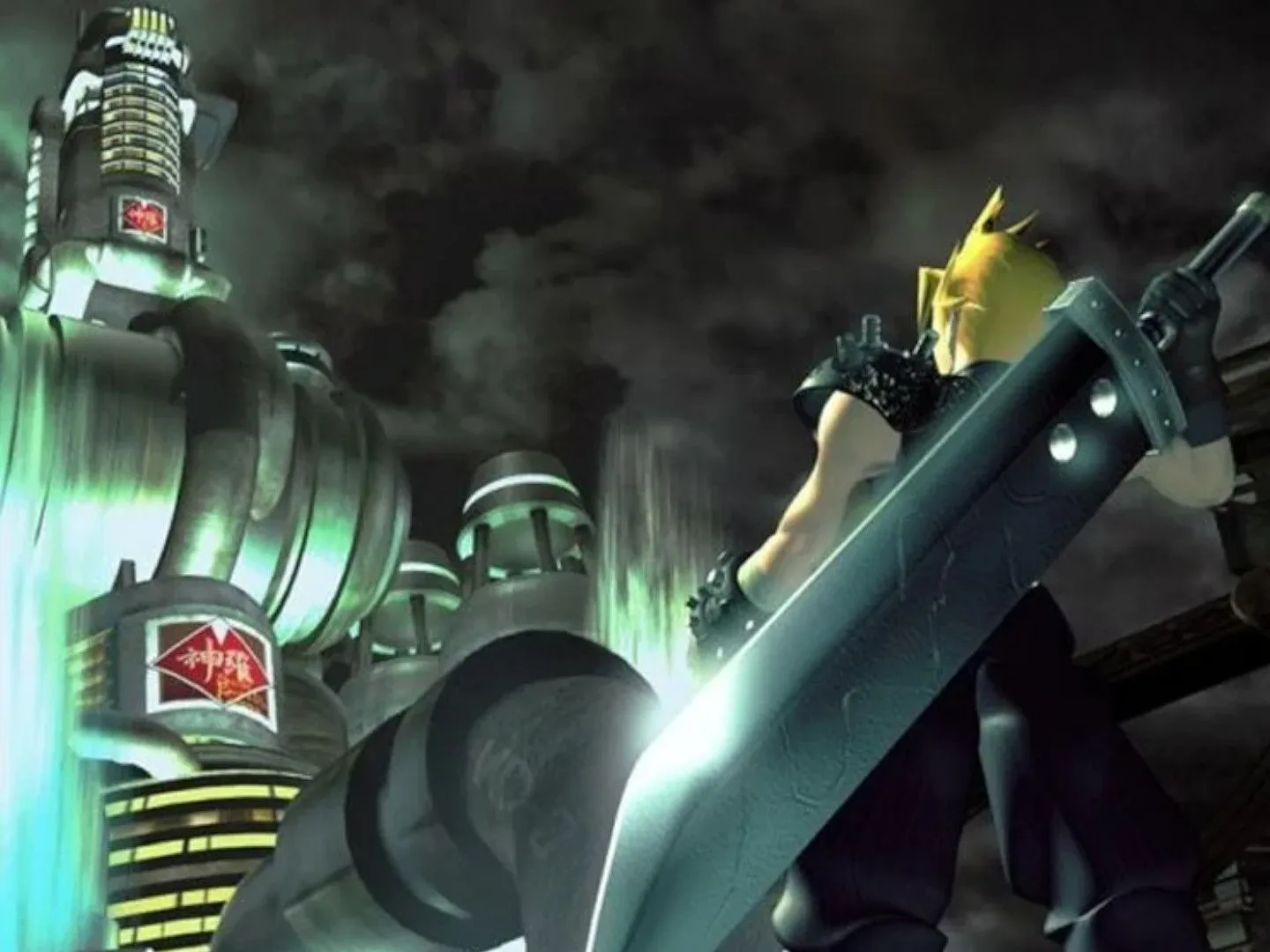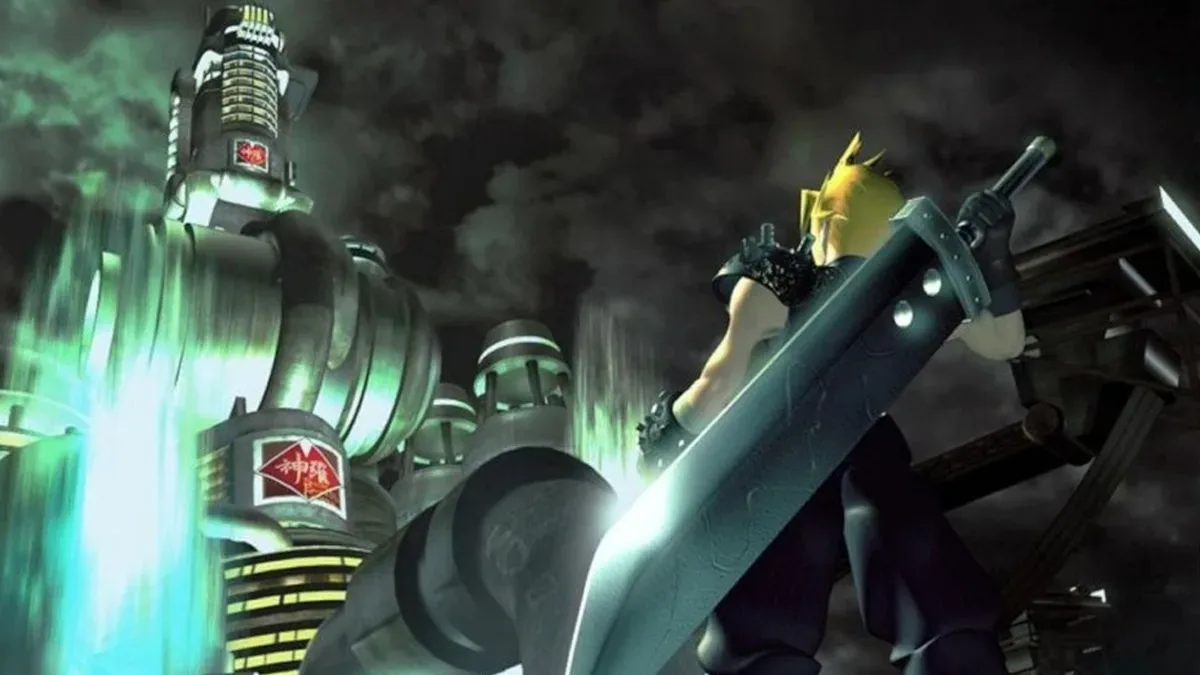
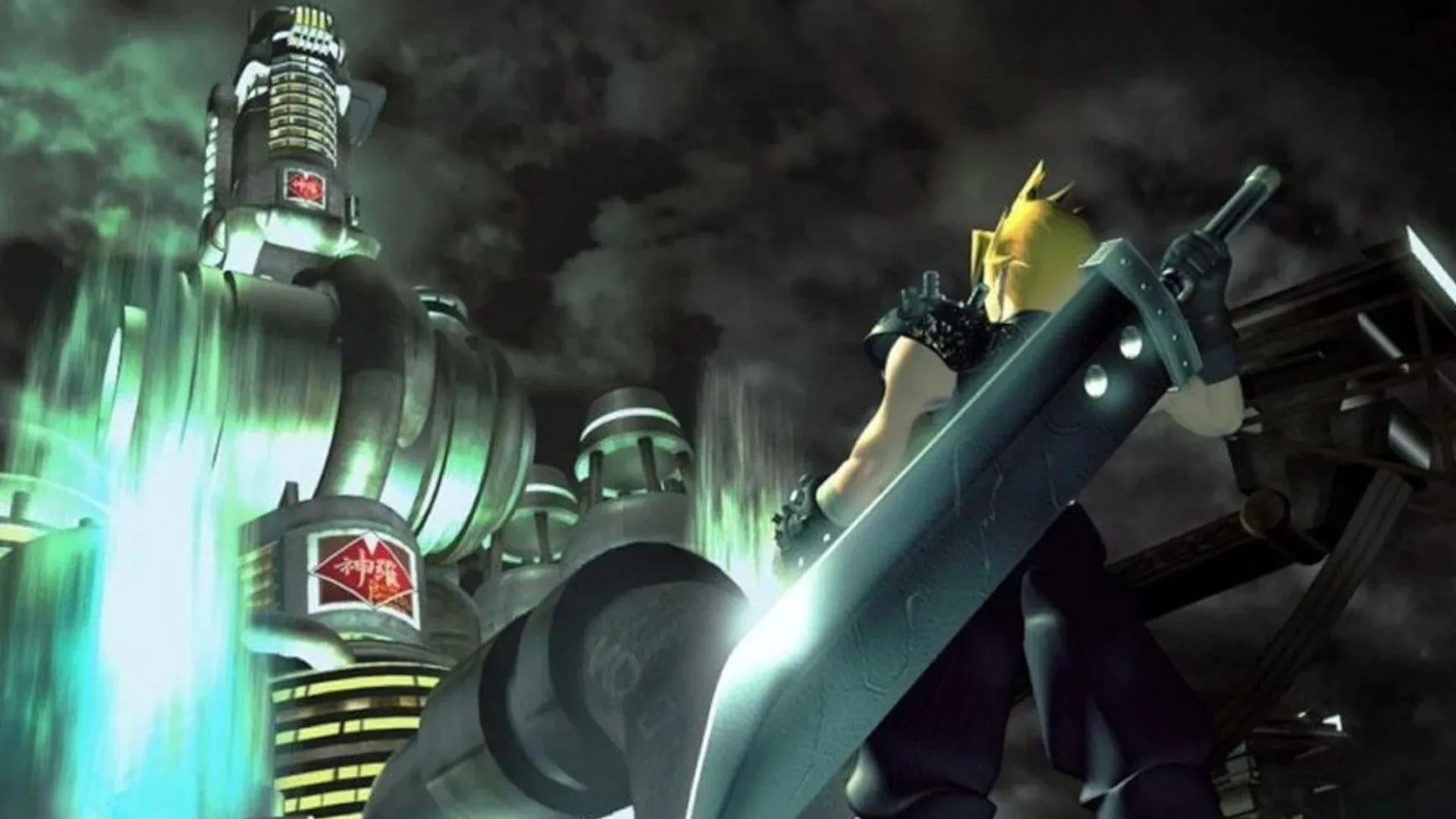
Former PlayStation president Shuhei Yoshida has identified Square’s decision to bring Final Fantasy VII to the original PlayStation as one of the proudest moments of his career. It is a strikingly direct assessment of a decision that became much bigger than one game: it represented a high-profile vote of confidence in Sony’s then-new console from a publisher closely associated with Nintendo’s 16-bit era.
Yoshida was working in PlayStation’s third-party department at the time, serving as Square’s account manager. He described a straightforward but enormous objective for Sony: convince major publishers to put their best-known properties on PlayStation. In Japan especially, role-playing games were a formidable part of that contest. Yoshida pointed to the huge demand that accompanied new Dragon Quest releases as evidence of the genre’s importance.
Square—still separate from Enix at the time—ultimately moved the Final Fantasy franchise from Nintendo’s systems to PlayStation. Yoshida remembers Square ordering roughly 200 PlayStation development kits when that direction was chosen. A development kit, or dev kit, is specialized hardware supplied to creators so they can build, test and optimize software for a particular console. An order of that scale suggests Square was committing substantial development capacity to Sony’s machine rather than merely experimenting with it.
A format decision with creative consequences
Yoshida’s account places series creator Hironobu Sakaguchi’s creative ambitions at the center of the platform change. Sakaguchi wanted to make a cinematic, narrative-led game using computer-generated cinematics. Nintendo’s continued use of cartridges, in Yoshida’s telling, made Sakaguchi conclude that he could not execute that vision on the company’s hardware.
The distinction here is not simply “old technology versus new technology.” A cartridge is a solid-state game medium, while the PlayStation used CD-based discs. For a game built around extensive computer-generated cinematic sequences, the medium could shape what creators considered practical for their project. Yoshida’s recollection frames the decision as one where storage and presentation goals were inseparable: Square wanted a game whose storytelling could lean heavily on computer-generated imagery, and PlayStation’s disc format better matched that goal.
That also helps explain why the shift carried such symbolic weight. Platform competition is often discussed in terms of specifications, logos and exclusive games, but publishers make choices around the work they are trying to produce. Sony’s task was not only to sell a console; it was to persuade developers that the console could accommodate their next ambition. In this case, the attraction was tied to an approach to RPG storytelling that Sakaguchi wanted to pursue.
It is tempting to treat the decision as inevitable because Final Fantasy VII is now so strongly linked with PlayStation. Yoshida’s recollection instead highlights the contingent nature of the moment. The series had been a major Nintendo-associated property, while Square was a publisher whose Super Nintendo catalogue included Chrono Trigger, Secret of Mana and Final Fantasy. Its move therefore changed the competitive picture in a way that a brand-new, unproven series could not have done.
Why third-party support mattered so much
“Third party” means a publisher or developer independent of the platform holder. Nintendo makes hardware and publishes its own games, as does Sony; Square was a third-party publisher. For a console maker, winning third-party support can be decisive because those companies bring established series, varied genres and release schedules that the hardware owner cannot create alone.
Related coverage includes Shuhei Yoshida Calls Final Fantasy VII's PlayStation Move a Career-Defining Moment.
Yoshida said PlayStation’s third-party team was working to secure popular intellectual properties from publishers. In this context, intellectual property—or IP—means a recognizable game series and its associated characters, setting and identity. Final Fantasy was not simply another release for a launch-era challenger. It was a proven RPG name from a studio with deep credibility among Nintendo players.
The broader transition described by Yoshida and the surrounding history was significant. Nintendo stuck with cartridges for the Nintendo 64 while the market had moved into a CD-based era. The result was difficult for Nintendo on the third-party front, with major publishers and major series increasingly appearing on PlayStation instead. Mega Man, Dragon Quest, Metal Gear and Street Fighter all had prominent releases arrive on Sony’s platform.
Square’s decision was particularly consequential because role-playing games were not a marginal category in Japan. The genre could generate substantial consumer attention, and Final Fantasy had already helped define the Super Nintendo library. Securing the next numbered installment gave PlayStation a game capable of communicating Sony’s ambitions to both publishers and players: the console was a home not just for technically advanced software, but for an established Japanese RPG series attempting a different scale of cinematic presentation.
That does not require dismissing the Nintendo 64 itself or its audience. Hardware eras are remembered for beloved games as well as missed opportunities. But from a publisher-relations perspective, the format divide mattered. A platform’s media choice can influence production plans, which can influence third-party lineups, which in turn can influence how players understand the platform. The Final Fantasy VII move is a clear example of those connected decisions.
The PlayStation era that followed
Final Fantasy VII went on to become one of the best-loved entries in the series. Its PlayStation release also began a lengthy period in which mainline Final Fantasy games were PlayStation exclusives, ending when Final Fantasy XIII came to Xbox 360. That sequence is why Yoshida’s pride is understandable even beyond the immediate business win: the Square relationship helped set a durable expectation that a numbered Final Fantasy release and PlayStation belonged together.
It also illustrates why one game can have effects beyond sales or review scores. A flagship release can function as a signal to other publishers, to retailers and to players deciding which hardware ecosystem to join. For Sony, the message was that a key Nintendo-era partner had chosen PlayStation for one of its most important creative projects. For Nintendo, it was the loss of a prominent franchise at a time when platform media choices were becoming a central publisher concern.
The relationship between Nintendo, Square and the Final Fantasy series was not permanently frozen by that split. The supplied timeline notes that next year’s Final Fantasy VII Revelation is set to be the first major entry to arrive on a Nintendo console on day one since Final Fantasy VI. If that release proceeds as described, the contrast with the original PlayStation era will be hard to miss: a series once used as evidence of a severe platform divide would again reach Nintendo players at launch.
That prospective return should not erase the importance of the earlier switch. Rather, it shows how unusual and long-lasting the consequences were. The original decision was not a routine change of platform. It became a dividing line in the history of a major RPG franchise and a central episode in PlayStation’s successful pursuit of third-party software.
What Yoshida’s memory clarifies
Yoshida’s perspective is necessarily that of a Sony executive who worked directly with Square, so it emphasizes PlayStation’s opportunity and achievement. Still, the details he provides are useful. The account does not reduce the deal to corporate rivalry alone. It identifies a creator’s desire for computer-generated cinematics, a hardware format that did not fit that goal, and a publisher response substantial enough to involve around 200 PlayStation dev kits.
Those facts give the story practical texture. The move was not just a famous logo appearing on a different box. It affected development equipment, internal staffing and the type of game Square believed it could make. For modern players, accustomed to games releasing across several systems, the episode is a reminder that platforms can shape projects long before an audience sees a trailer or a release date.
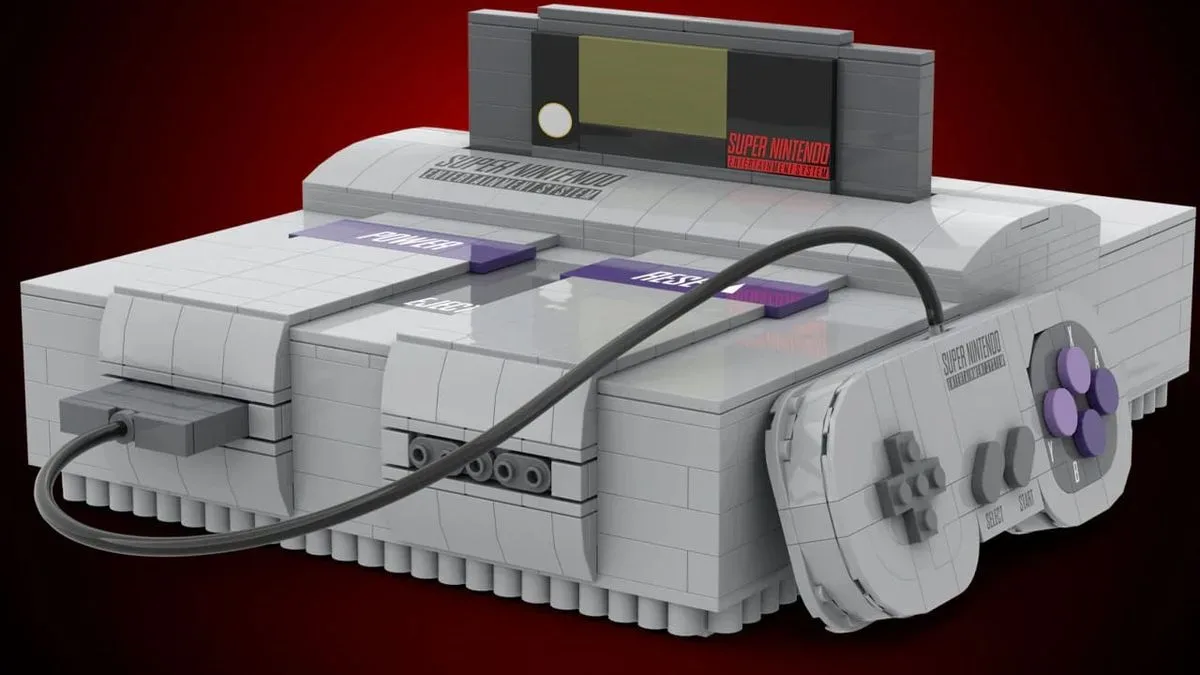
Nintendo’s earlier relationship with Square also remains part of the story’s emotional pull. The Super Nintendo era helped establish the context in which a switch could feel seismic. For a little extra perspective on that 16-bit legacy, see this look at an SNES-inspired LEGO Ideas concept.
Yoshida’s “proudest moment” description ultimately speaks to the stakes Sony placed on earning publisher trust during PlayStation’s rise. Winning Final Fantasy VII was a major result of that strategy. More importantly, it showed how a platform transition can emerge from a creative requirement as much as a commercial calculation—and how that requirement can alter the identity of an entire console generation.