Paying full price for a game feels like a simple transaction: money leaves your account, a game joins your library, and that game is yours to return to whenever the mood strikes. But the approaching shutdown of NBA 2K25 is a sharp reminder that the practical reality is more complicated. Digital-game customers generally receive a license to access software under a platform holder’s and publisher’s terms—not a permanently guaranteed copy with every feature preserved forever.
That distinction matters because 2K removed NBA 2K25 from digital storefronts on October 30, 2026, and plans to close its online servers on December 31, 2026. Players who already have the game can still download it and use its offline content afterward. Yet MyCareer, the basketball series’ story-focused single-player mode, is dependent on those servers. It will no longer function when they go offline. MyTeam will be affected too, while Play Now, MyNBA, The W and MyWNBA remain available as offline modes.
For somebody who bought the $99.99 All-Star Edition when it launched in September 2024, that leaves only a little over two years of access to MyCareer. The key issue is not merely that an annual sports game is being superseded by a newer entry. It is that a mode presented as a single-player experience relies on infrastructure outside the player’s control. Once that infrastructure is retired, the locally installed game is no longer the complete product the player originally used.
Three different problems: delisting, shutdowns and revocation
The word “removed” gets used broadly in conversations about digital games, but it can describe several very different outcomes. Understanding those outcomes is essential for anyone weighing a digital purchase, a disc release, or a game with substantial online dependencies.
For more context, explore How to Move Google Authenticator to a New Phone Without Losing Your Codes.
1. Delisting limits new purchases
Delisting means a game is no longer offered for sale through a digital storefront. In NBA 2K25’s case, it means people who do not already own a digital license can no longer simply purchase it there. Existing owners keep the title in their libraries and can redownload it. That is inconvenient for prospective buyers and harmful to long-term availability, but it is not automatically the same as losing access for people who already purchased it.
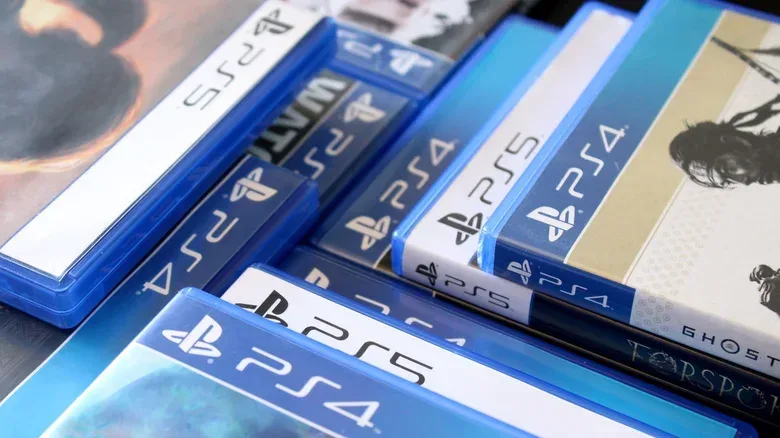
A disc can sometimes be an alternative after a game has been delisted, provided a physical edition exists and can be found. However, that fallback only helps when the disc contains a usable game and that game does not require services that have since disappeared. A box on a shelf is not, by itself, proof of an enduring playable copy.
2. Server shutdowns can remove major parts of a game
A server shutdown ends support for functions that require the publisher’s online systems. Obvious examples include multiplayer matchmaking and shared online economies. The NBA 2K25 situation demonstrates the less obvious version: modes that may be played by one person but still depend on a remote service can disappear too.
MyCareer’s fate is therefore not about whether a player has an internet connection on December 31. It is about whether the publisher still operates the servers the mode needs. If those servers are no longer running, an online check-in, profile service, progression system or other required component cannot be reached. The mode ceases to be playable regardless of whether the purchaser retained a download, a console, or even a physical package.
This is an important practical distinction. “Single-player” describes how many people are participating in a match or campaign; it does not necessarily describe how the game is technically delivered. A single-player mode can still be online-dependent. Before buying, players should not assume that an absence of competitive multiplayer makes a game self-contained.
3. License revocation is the harshest outcome
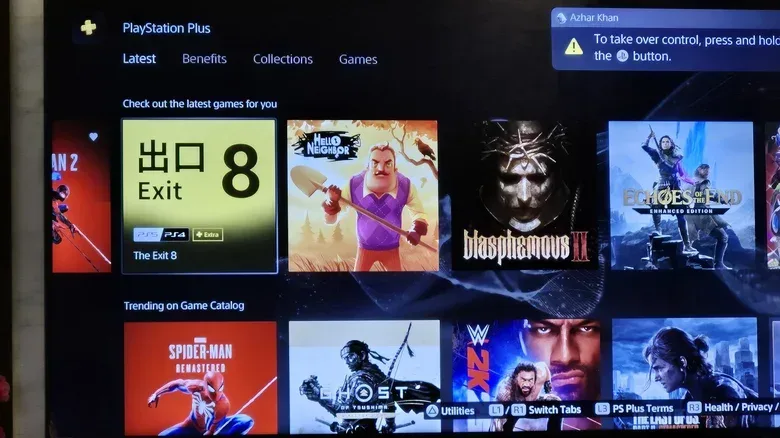
License revocation is the most severe category: the game is removed from the customer’s library or is otherwise made unavailable for download. There is a recent precedent in the case of The Crew, Ubisoft’s always-online racing game. Its servers were closed in March 2024. Players subsequently reported that the title was shifted into an “inactive games” area of Ubisoft Connect where downloading was no longer possible.
The Crew also illustrates why a physical edition is not an automatic preservation tool. It was sold on disc, but the game required a continuous connection to Ubisoft’s services. Its physical copies became unplayable when those services went away, just like the digital version. The physical object existed; the necessary running game service did not.
That is the uncomfortable hierarchy behind a modern purchase. A delisted game may remain usable for existing digital customers. A game with retired servers may lose entire modes. An always-online title can become unusable altogether. And a revoked license can remove the installer route as well. These are different risks, and storefront language often does little to make the distinction obvious at the moment a customer clicks a purchase button.
Why discs are no longer a universal safety net
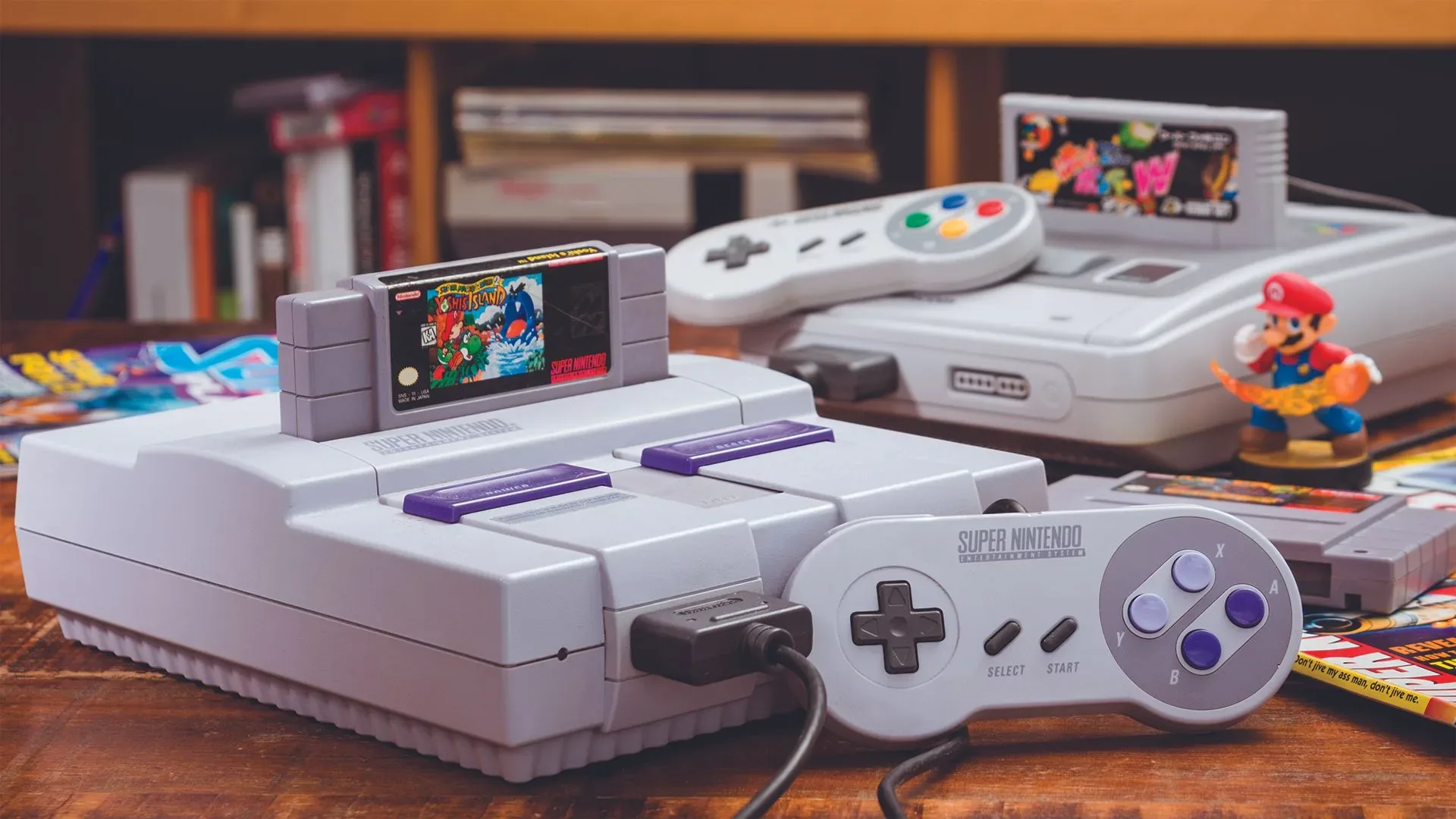
For decades, a disc or cartridge gave players a straightforward physical fallback: keep the media, keep compatible hardware, and there was at least a tangible route back to the game. That model is becoming less reliable—not because physical media is meaningless, but because the contents and requirements of physical releases can differ radically.
Sony has said it will stop producing disc-based PlayStation games in January 2028. Titles released on disc before then are not affected by that decision. The announcement also did not specify whether future digital-only releases sold by retailers might be represented by boxed download codes, cards or another format. Still, the broad direction is clear: new PlayStation releases will move to digital formats.
Grand Theft Auto VI provides a particularly clear example of the physical-versus-digital divide. Rockstar’s boxed version, offered ahead of the game’s November 19 launch, contains a download code rather than a disc. Once redeemed, the box does not provide a disc-bound copy that can be freely lent or resold. In preservation terms, its value is packaging and a redemption mechanism, not an independently installable game.
That does not mean every disc currently offers a complete offline game, nor does it mean every digital release is equally fragile. The question is more specific: what is actually stored on the item, and what must remain available elsewhere for the game to launch and work? A disc with a complete offline build has different implications from a disc that installs only part of a game, a box containing a code, or a game that needs permanent server authentication.
Nintendo’s Switch 2 game-key cards offer another model. These cards do not contain the complete game. A user must download the game after inserting the card and complete an online check the first time it launches; the card must stay inserted to play. That is more tangible than a code-only package in one sense, since a card still participates in access, but it remains dependent on an initial download and network-based validation.
There is also a notably different approach on PC. GOG has said customers will be able to download an offline installer for every game they purchase there and retain that installer without needing the store’s continuing permission to play. An offline installer is a locally saved installation package that does not need the storefront to authenticate access each time. It cannot preserve a game mode that fundamentally relies on a publisher-run online service, but it does reduce the risk that a storefront account or a later policy shift becomes the sole gateway to installing a game again.
Licenses are not just legal fine print
Platform rules make the legal arrangement explicit. PlayStation’s license agreement says software is licensed rather than sold. In an August 2026 court filing, Sony argued that reasonable consumers would not be misled into believing otherwise. Earlier, PlayStation users spotted a 30-day timer attached to new digital purchases and worried it meant a recurring check-in requirement. Sony said it was a one-time license verification, not a monthly requirement.
Even with that explanation, the episode exposed the underlying anxiety. A digital library can look permanent inside a console menu while being governed by terms, account status, licensing checks and platform infrastructure that the customer does not administer. A player may have paid once and may have downloaded the game many times, but continued access can still depend on systems operated by somebody else.
California’s AB 2426, effective from January 2025, addresses one part of that confusion. The law bars digital storefronts from using terms such as “buy” or “purchase” without also telling customers they are receiving a license rather than buying a copy they own. It is a disclosure rule, not a requirement that publishers maintain servers or build offline alternatives before ending support.
Its application is being tested in a proposed class action filed against Sony in June, which alleges that PlayStation Store purchase buttons fail the law’s disclosure requirement. Sony has asked for the case to be dismissed or moved into arbitration. Whatever happens in that dispute, the limitation of disclosure-based protection is easy to see: clearer labels can help buyers understand a transaction, but labels alone do not keep MyCareer available after its servers are turned off.
What stronger consumer protection could look like
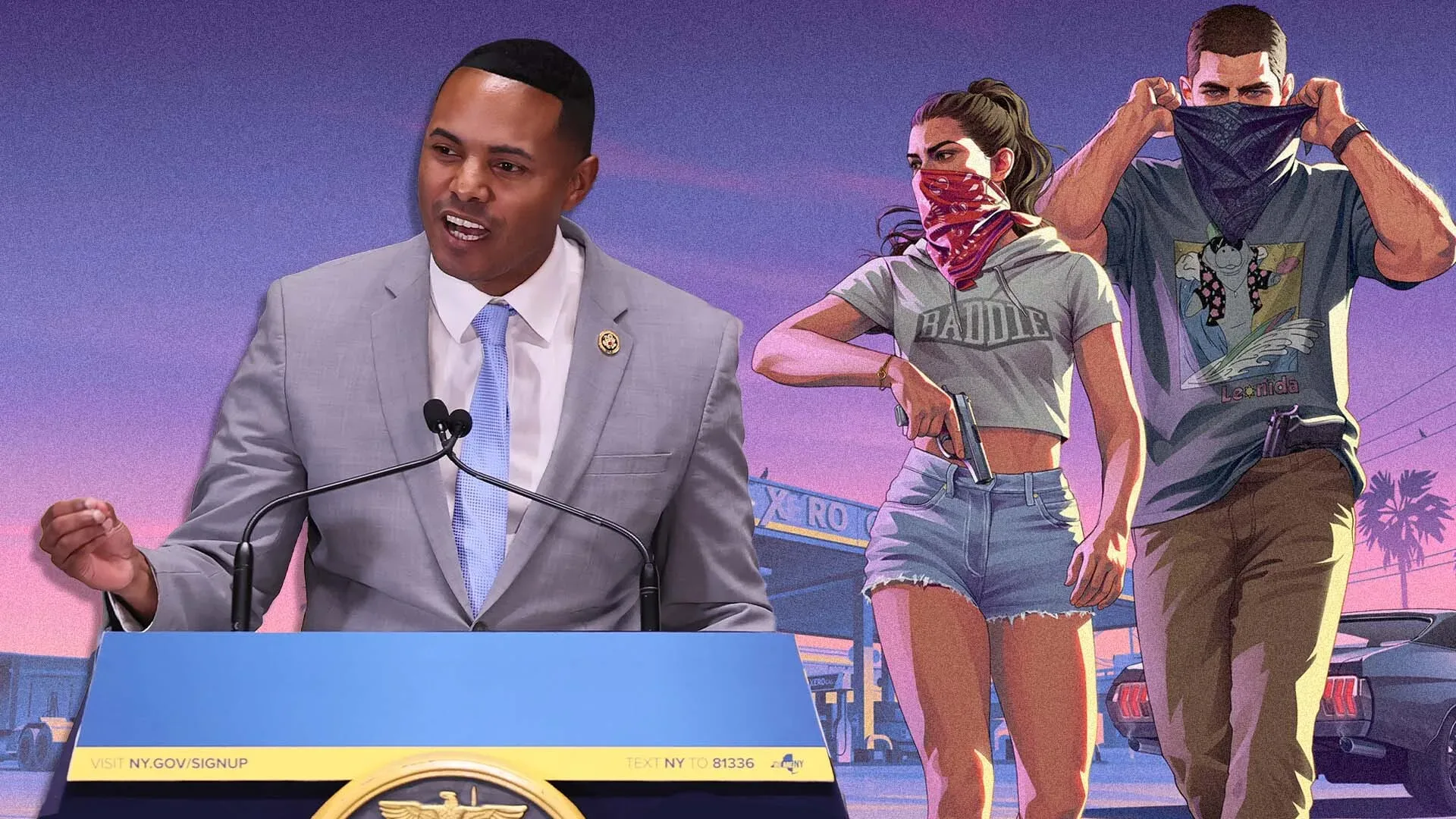
Representative Ritchie Torres of New York has said he will introduce legislation aimed at protecting video-game ownership. The proposal would have the Federal Trade Commission develop rules that treat purchased games as owned and require an offline mode before servers are closed. Such a rule would target the core failure exposed by games that depend on online services for single-player content: customers could retain a functional version rather than simply a disabled entry in a library.
In Europe, the Stop Killing Games citizens’ initiative collected more than 1.29 million valid signatures. The European Commission declined to put forward new legislation in June, opting instead for discussions with publishers and consumer groups toward a voluntary code of conduct. A voluntary code could encourage better end-of-life practices, but it is distinct from a legal obligation with enforceable requirements.
There are genuine technical boundaries here. An offline mode cannot necessarily replicate a living online economy, matchmaking population or service designed around shared servers. But an offline conversion does not need to reproduce every network feature to be valuable. For a mode such as a single-player career, the relevant question is whether the core experience can remain available in some workable form after the service closes. The source material shows that, today, customers often do not have that assurance.
What players can check before they spend
No individual purchase decision can solve a licensing system built around remote access, but players can assess risk more clearly. For a game they expect to revisit years later, these questions are more useful than simply asking whether it comes in a box:
- Is the game delisted often or tied to annual sports-release cycles? Delisting can make a later purchase impossible even if existing owners keep downloads.
- Which modes need publisher servers? Check whether campaigns, career modes, saves, progression or other solo features require an online connection.
- Is it always online? If the answer is yes, a server shutdown can end the entire product, including a disc version.
- What does the physical package actually contain? A disc, a game-key card and a download voucher create very different long-term access situations.
- Can an offline installer be retained? A downloadable installer does not solve every preservation problem, but it provides more independence from a storefront than an access model based solely on a continuing account license.
NBA 2K25’s approaching cutoff is not a story about a game vanishing in one dramatic instant. Its offline modes will remain available to existing owners, while MyCareer and MyTeam will not. That split is exactly why the word “ownership” needs more scrutiny. In a digital marketplace, owning an entry in a library, being able to install software, and retaining access to every part of a game are three separate things. The loss of one can happen long before the others.
As digital-only releases become more common, the most meaningful information for players may not be the word “buy” on a storefront button. It is whether the game can function after a publisher, platform or server eventually moves on.