Digital game libraries solve real problems. A player can move between installed games without reaching for a case, avoid shelves full of boxes, and sidestep the ordinary risks of a disc being misplaced, scratched or broken. On a current console, that convenience can make a large library feel instantly accessible rather than physically burdensome.
But the same arrangement makes the platform holder the continuing gatekeeper. A player may pay for a game, invest money and hundreds of hours into a library, and still have little say over whether that purchase works on later hardware, remains accessible after an online service changes, or can be handed to someone else. The issue is no longer merely whether digital is better or worse than a disc. It is whether the rights attached to a digital purchase are strong enough to deserve the word ownership.
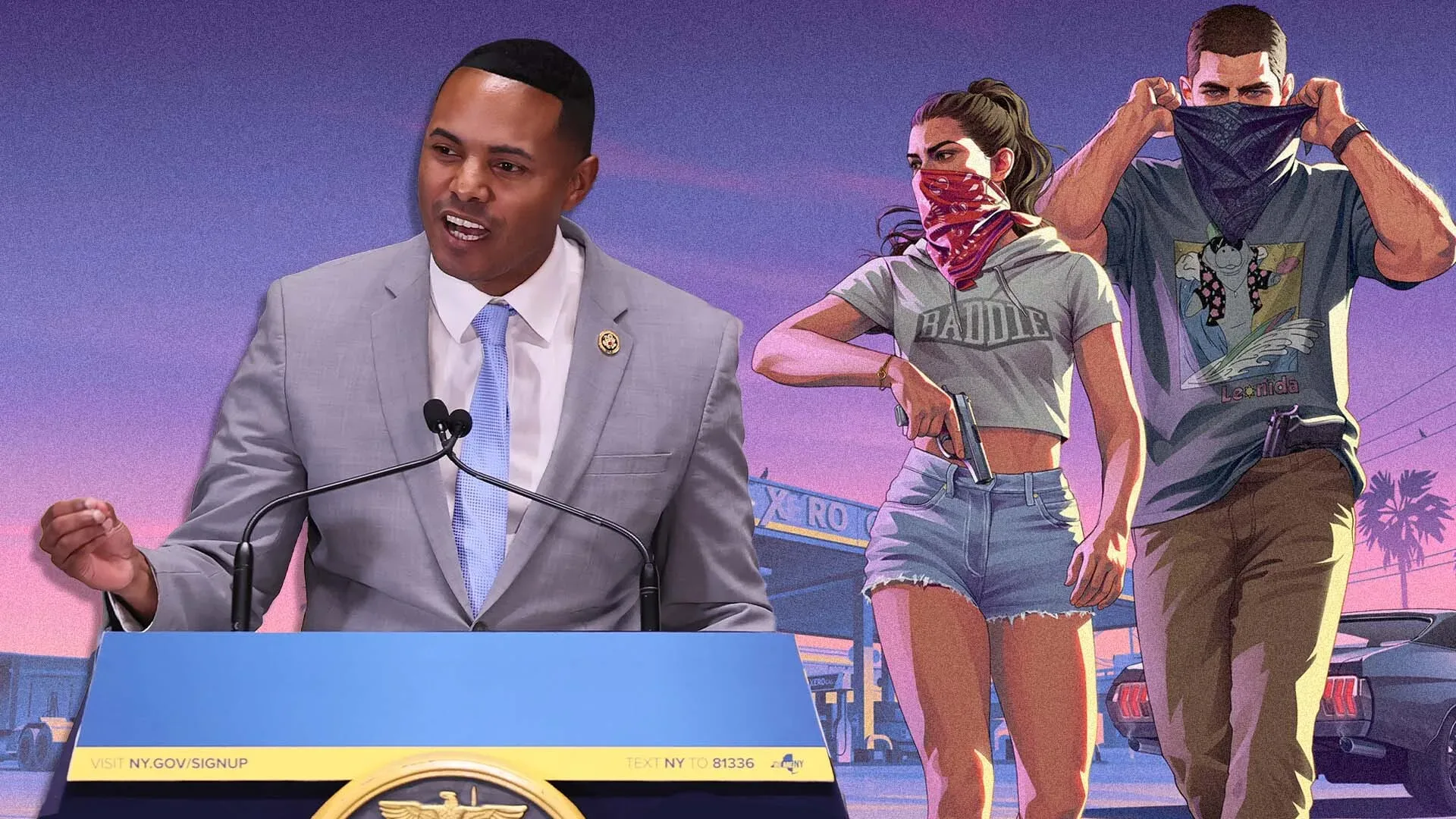
Rep. Ritchie Torres has announced plans to bring legislation to Congress aimed at establishing digital-ownership rights. His stated framework asks the Federal Trade Commission to guarantee three basic rights for people who buy games: the right to own them, the right to play them, and the right to transfer them.
“Consumers must have the right to own, the right to play, and the right to transfer the games they buy. A game that can be taken away the moment a company pulls the plug is not a purchase. It is a rental disguised as a sale.”
That is a concise consumer principle, but turning it into a workable rule would require more than a slogan. Games are not one uniform kind of product. A downloadable solo game, a game dependent on a publisher-operated multiplayer service, and an account containing dozens or hundreds of purchases all raise different practical questions. Any useful ownership framework must distinguish those problems rather than treat access, preservation and resale as identical.
Why digital ownership is a different bargain
In an all-digital ecosystem, the buyer’s relationship is not simply with a game file. It is also with the account and storefront used to obtain and authenticate that file. That distinction matters because an account is typically where a player’s library lives. If access to that account is restricted, a large collection can become unavailable at once.
The central concern is control. The buyer may have paid for individual games but cannot necessarily decide how long they remain available, whether they will work on later devices, or who receives them after the original account holder no longer wants or can use the library. A platform can make digital access feel permanent in day-to-day use while retaining the power to alter the terms under which that access operates.
This is why the wording used at checkout deserves scrutiny. A purchase ordinarily suggests durable control over the thing bought. A license, by contrast, is permission to use something under specified conditions. The policy argument here is not that every digital game must behave exactly like a physical disc in every circumstance. It is that companies should not present a transaction as a sale while leaving consumers with a fragile, non-transferable permission that can disappear when a service is withdrawn.
Related coverage includes Digital Game Ownership Needs a Better Deal Before an All-Digital Future Arrives.
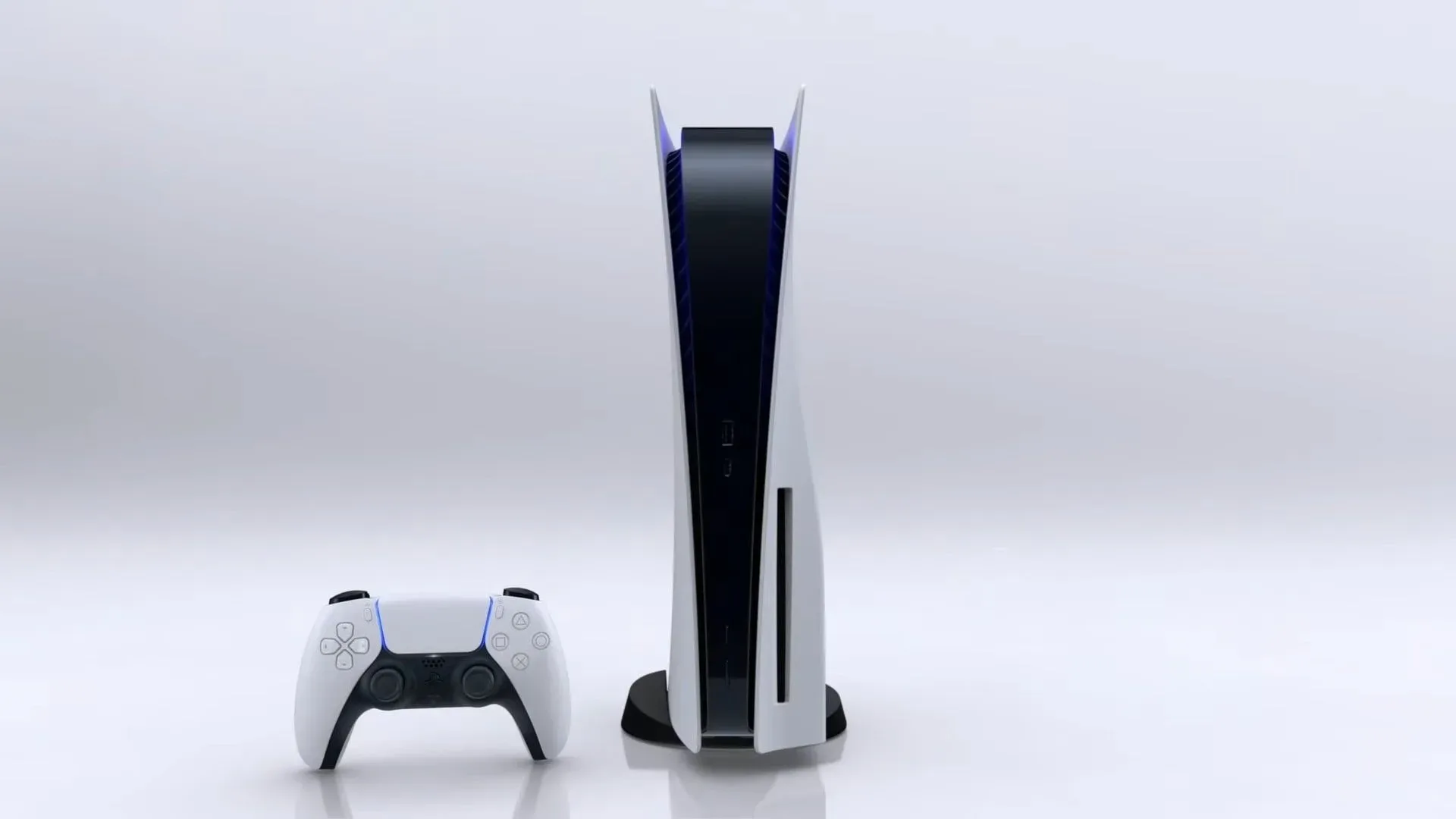
The discussion arrives alongside concern over a move away from PlayStation discs. Whether players value physical media for collecting, resale, lending or simple independence from an account, removing the physical option raises the stakes. Once there is no disc alternative, consumer protection in the digital store is no longer a secondary issue. It becomes the principal safeguard for a person’s library.
The three rights, separated
The right to own
“Ownership” needs an operational definition. At a minimum, it should mean a platform cannot unilaterally destroy, disable or lock a buyer out of a paid collection without a compelling, clearly defined basis. The consumer’s claim is not just that a download button existed on the day of purchase; it is that a paid library should retain meaningful value afterward.
That does not settle every edge case. A game can change because of updates, rights issues or its reliance on a service. Yet a durable ownership right would at least put the burden on platforms to provide a path that preserves purchased access instead of treating a shutdown as the natural end of the transaction.
The right to play
The right to play is related to ownership but more concrete: a player needs a practical way to launch and use what they bought. Compatibility is a major part of that. Digital storefronts can make old purchases easy to redownload on supported systems, but future hardware support is ultimately a platform decision unless a rule requires otherwise.
Service closure is the more difficult test. A game that works alone has a clearer preservation path than a title built entirely around centralized online matches. Even so, the fact that an experience depends on a server should not end the conversation. The question becomes what, if anything, a publisher must do when it no longer wishes to operate that server.
One proposal is peer-to-peer, often shortened to P2P. In a P2P setup, players’ devices connect with one another rather than relying exclusively on a company’s central servers to host every match. It could potentially allow communities or third parties to keep matches running after official support ends. But it is a design and implementation question, not an automatic cure. A law would have to decide whether multiplayer-only games receive exceptions, whether P2P support is required in some cases, and what obligations are feasible for games that were never built for it.
The broader preservation question also connects to who controls the technical foundations of games. Efforts to reduce dependence on closed game-development technology reflect a parallel concern: long-term access is harder when the essential systems behind a game remain under a single entity’s control. That does not make open technology a complete answer to store-account rights, but both debates ask how much of a game’s future should rest on a private gatekeeper.
The right to transfer
Transferability is arguably the sharpest break from today’s standard digital-store model. Physical games can generally be lent, given away or resold because the buyer possesses a particular copy. Digital stores instead connect purchases to a personal account, and the supplied discussion notes that gifting a Steam account to one’s children is not currently permitted.
A right to transfer could take several forms. It might allow a player to move individual games to another person, create a controlled resale system, or permit a whole library to pass to family members. Those are not interchangeable. Transferring one game is different from transferring an account that may include personal data, payment history, saved games, social connections and a much larger collection.
That distinction suggests a practical policy target: platforms may need a safe mechanism for inheritance or designated beneficiaries rather than forcing families to share credentials or lose a library. Such a system would have to handle identity, fraud prevention and the separation of personal information from game entitlements. Still, complexity is not a persuasive reason to deny the issue exists. It is precisely the sort of detail legislation and enforcement rules would need to confront.
Can digital games be resold?
Resale is the most commercially disruptive part of the debate because a used digital game cannot be handled the same way as a used disc. A disc is a tangible object that moves from one owner to another. A digital resale system would need to ensure that a seller loses access when a buyer obtains it, preventing one transaction from silently becoming two usable copies.
One suggestion has been blockchain technology: a database system intended to record unique digital copies that could be traded on private marketplaces. The attraction is clear on paper. A record could identify which person holds a particular copy and track its transfer. But “blockchain” describes a type of recordkeeping mechanism, not a full consumer-rights policy. It does not by itself answer who operates the market, how fraud or mistaken transfers are corrected, how accounts are protected, or how a game still reaches the buyer’s hardware.
Most importantly, a resale system only matters if platform holders recognize its transfers. The key policy decision is therefore not which buzzword underpins a database. It is whether platforms must permit a secure change in ownership at all, and under what limits. The source discussion observes that an arrangement giving consumers that degree of independence would run against the level of control platform holders currently exercise over their ecosystems.
There are smaller examples of flexibility. Xbox’s disc-to-digital initiative is cited as an approach that can give people more options with their purchases. But flexibility offered by a company remains different from a right that a company is legally required to honor. Optional programs can change or disappear; enforceable baseline protections are designed to remain in place when business priorities shift.
A practical standard for an all-digital market
The proposed rights should be evaluated by what they let an ordinary buyer do after the storefront excitement has faded. Can that person keep opening a paid single-player game? Can they understand, before buying, whether it relies on a continuing online service? Can they pass a library to family? Can they move a purchase without surrendering the security of their account? Can a game survive in some usable form after its publisher stops supporting it?
Clear answers would benefit companies as well as players. A platform that makes its durability rules explicit gives buyers a better basis for deciding what they are purchasing. Ambiguity may be convenient during a sale, but it becomes a long-term trust problem when customers discover that “owned” means something far narrower than expected.
The hard cases should not be ignored. Multiplayer-only games, account security, technical compatibility and transfers all require detailed rules. Yet those complications strengthen rather than weaken the case for a serious framework. As disc-based access recedes and game libraries become permanently tied to online accounts, consumer rights cannot be left to vague marketing language or a platform’s voluntary goodwill. The all-digital future needs a deal in which paying for a game gives players more than temporary permission to hope it stays available.