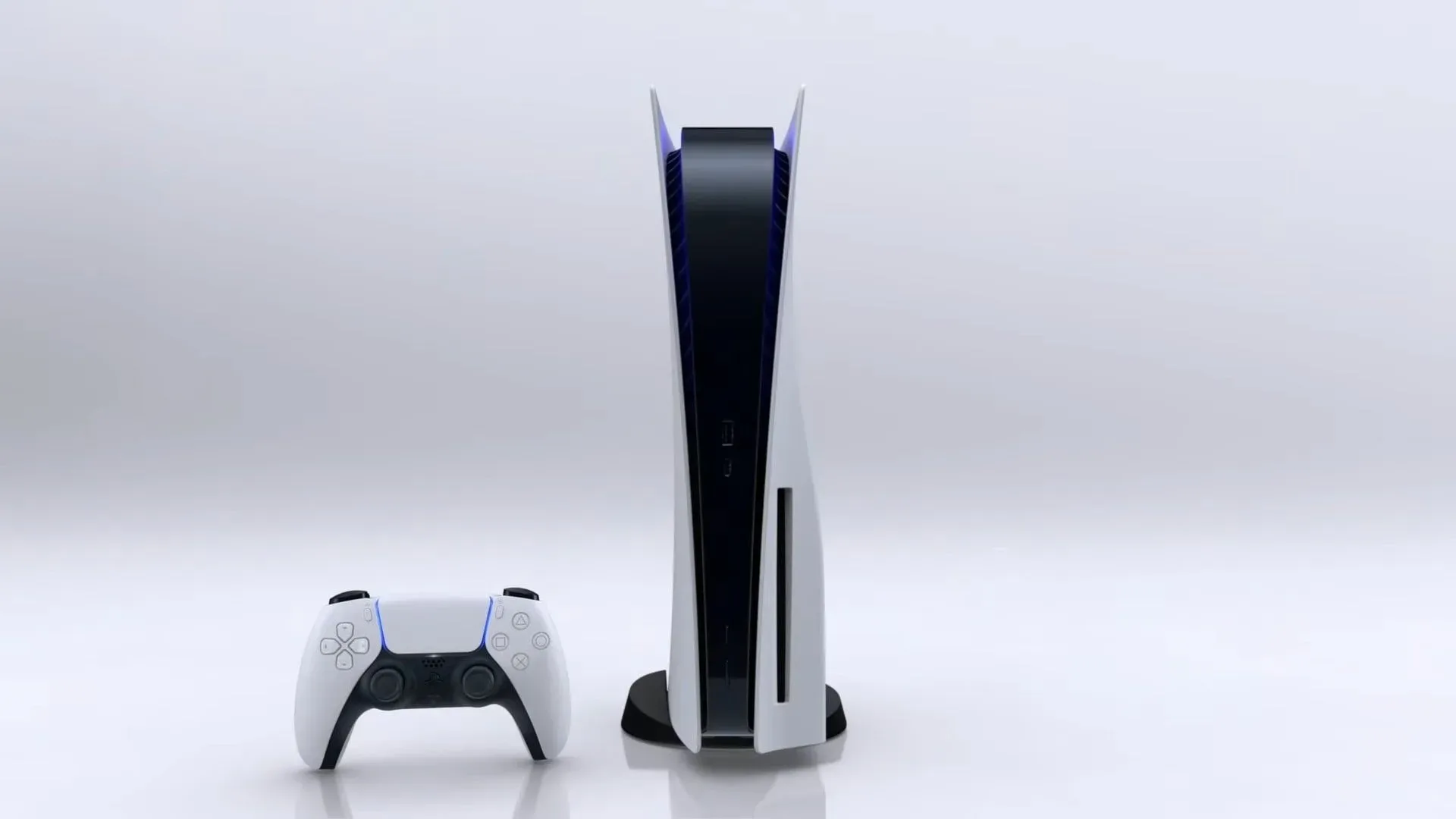
The next console generation may face an unusually direct question from buyers: what, exactly, makes the upgrade worth the money?
Shawn Layden, a former PlayStation executive, has questioned whether consumers would embrace a potentially $1,000 PS6 or Xbox Project Helix if the pitch is chiefly a modest rise in graphical specifications. His point is not that faster hardware has no value. It is that a high price demands a benefit players can quickly recognize, rather than a set of improvements that are technically real but difficult to feel in ordinary play.
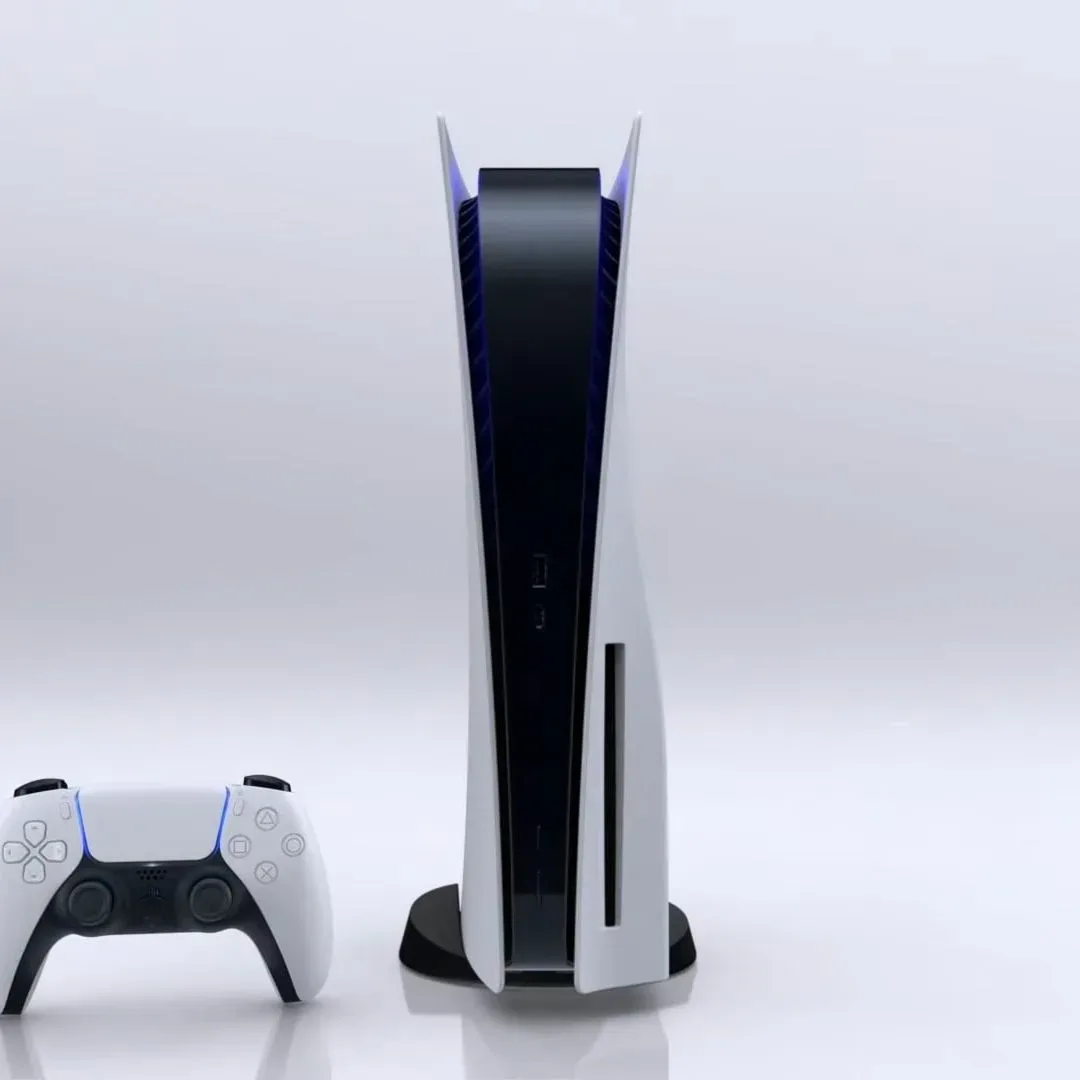
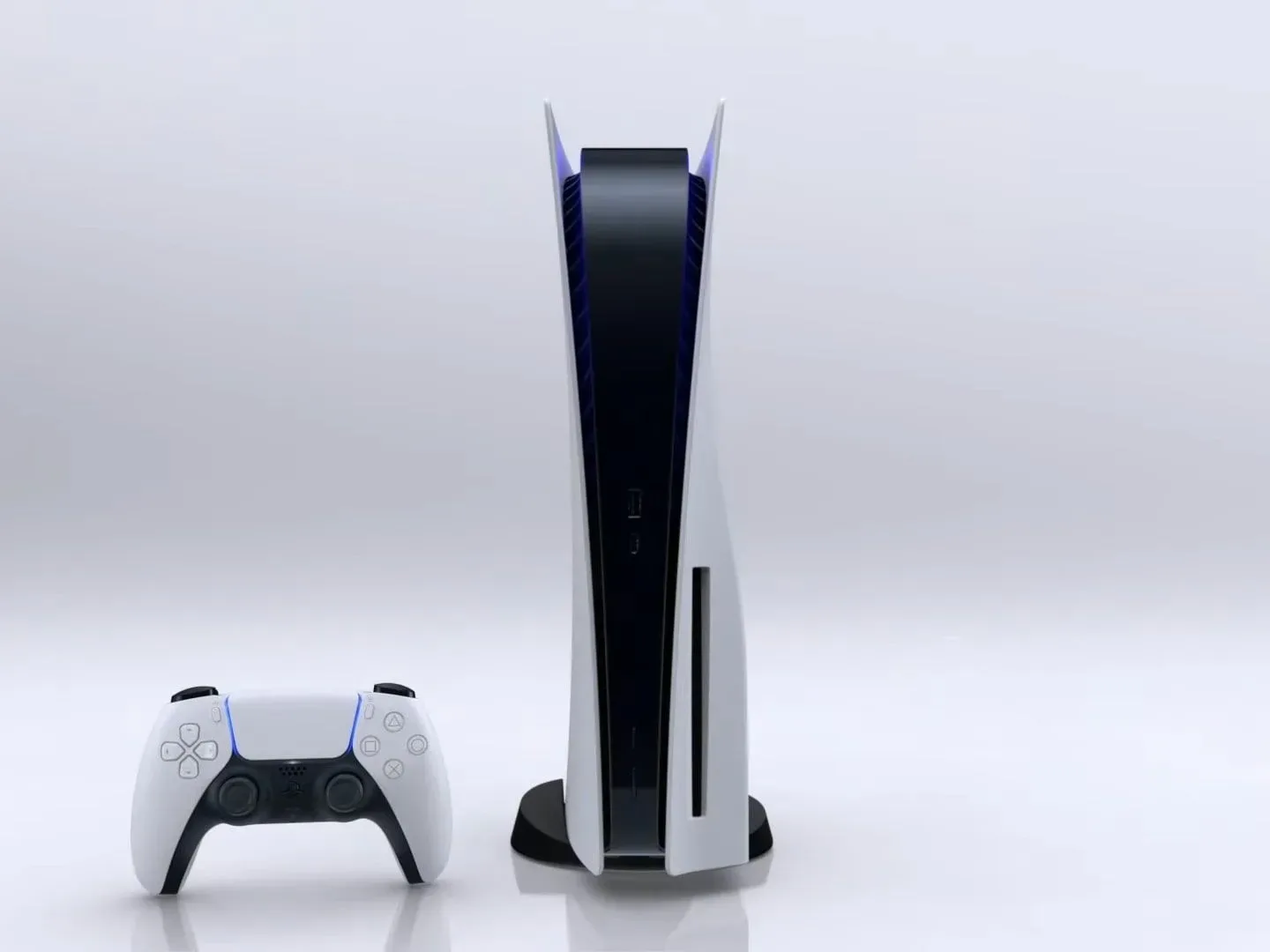
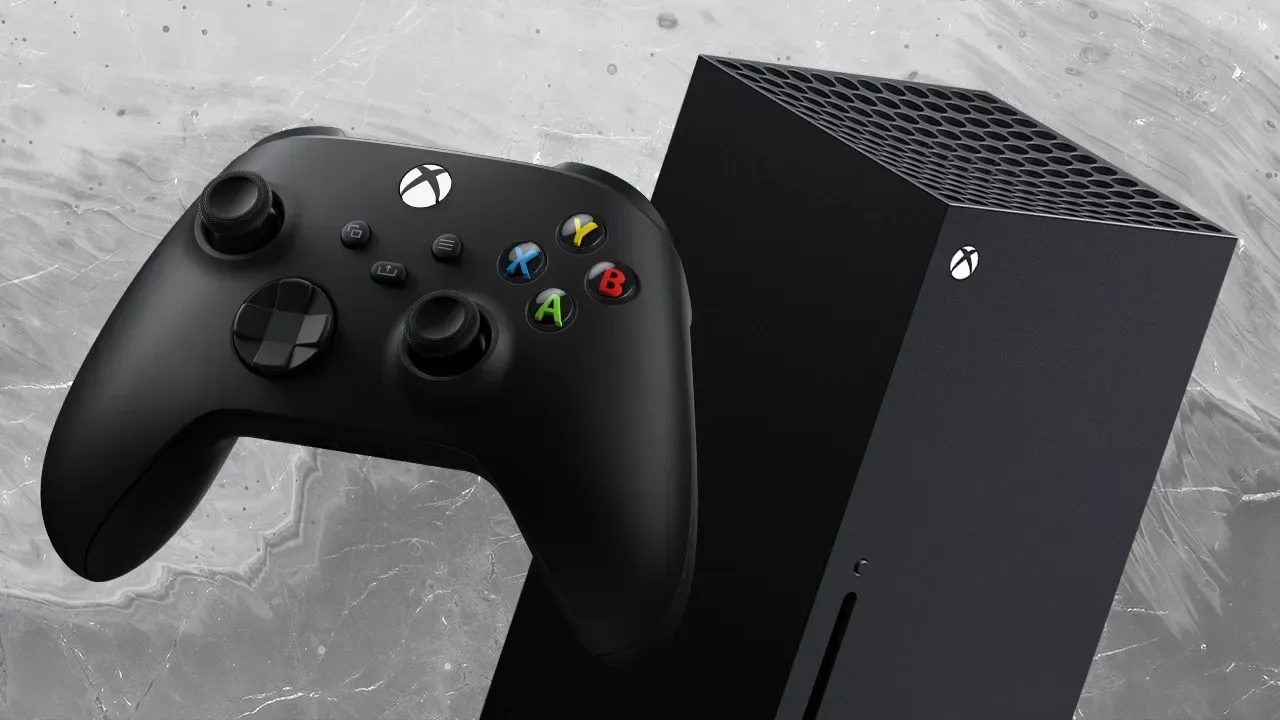
That distinction matters because a console is not purchased like a component selected from a PC specification sheet. It is a living-room product, a platform for games, and often a long-term household purchase. A shopper weighing a major outlay is likely to ask whether their current PS5 or Xbox Series X/S no longer does what they need. If the answer is only that the new model makes lighting more accurate in certain scenes or raises a performance ceiling that existing games rarely reach, the decision becomes substantially harder.
“If all we're going to do is… increase ray tracing and jump the teraflops, I don't know if that message resonates to the consumer to reach into their pocket and pull out $1,000,” Layden said.
Importantly, neither a $1,000 PS6 nor a $1,000 Project Helix has been established here as an announced price. The figure is an expectation attributed to analysts amid rising prices for current-generation hardware. Likewise, the supplied information identifies Project Helix as Xbox’s next-generation console name in this discussion, but does not provide a formal product specification, release plan, or price confirmation. Those unknowns are central: the eventual systems could be positioned, equipped and priced very differently from the scenario Layden is addressing.
Why the wording of the upgrade pitch matters
Layden’s argument rests on the possibility that the familiar cycle of “more powerful than before” has become less persuasive by itself. He asks whether technology has reached a kind of plateau, where “more faster, more colorful” is no longer a sufficient differentiator.
That does not mean progress has stopped. A plateau in this context means the visible curve of improvement may feel flatter to consumers than it did in earlier generations. Each new machine can still improve speed, image quality and rendering capability, yet the subjective leap may be smaller. A person can acknowledge that a newer console produces a better image while also feeling that their existing console remains more than good enough.
Two of the technical terms Layden mentioned help explain why this communication challenge exists:
Related coverage includes Shawn Layden Questions Whether Costly Next-Gen Consoles Can Sell on Small Upgrades.
- Ray tracing is a rendering technique used to improve the simulation of light, reflections and shadows. It can produce more convincing scenes, but its effect can vary greatly depending on a game’s art direction, implementation and the player’s display.
- Teraflops are a measurement associated with computing performance. They can be useful shorthand in hardware discussions, but they are not a simple score for how good every game will look or run. A larger number alone does not explain the specific experience a player will receive.
Both are valuable examples of features that hardware enthusiasts may understand immediately, while a broader audience may not consider sufficient reasons to replace working equipment. The challenge is not merely explaining the terminology. It is translating it into consequences: what changes when a game starts, how it plays, how it looks, and what becomes possible that was not practical on the older platform.
Layden’s DVD comparison is about clarity, not nostalgia
To describe the kind of transition that can make an upgrade intuitive, Layden compared the move from the original PlayStation to PlayStation 2 with the shift from VHS to DVD. His point was that seeing a DVD made returning to VHS much less appealing. The improvement was obvious and immediate enough to be understood without a lengthy technical case.
That comparison should not be treated as a claim that every future console must reproduce the exact conditions of that era. Nor does it establish that present-day consoles offer no meaningful advances. Instead, it frames a consumer-perception test: can people immediately see why the new thing is preferable, and can they see it often enough to justify the price?
For a high-end next-generation machine, the difference between measurable and meaningful is likely to be decisive. Measurable improvements can include higher technical limits and more advanced rendering methods. Meaningful improvements are the changes a player recognizes without being told to inspect a side-by-side comparison. Layden’s concern is that if the latter are too subtle, an expensive box becomes a difficult proposition.
That is particularly relevant in a market where current-generation PS5 and Xbox Series X/S systems have become more expensive. A future price near the figure discussed by analysts would not exist in isolation. Buyers would compare it with the cost of keeping their present system, the games still available to them, and every other demand on the same budget.
What would count as a compelling reason is still unanswered
The supplied information does not say what features Sony or Microsoft will present for their next consoles. It therefore would be premature to declare that either company lacks a convincing answer. Layden is raising a strategic warning, not reviewing announced machines.
Still, his observation identifies the burden future platform holders may face. A technical leap is easier to sell when it changes an experience in a way people can describe plainly. A less compelling sales case is one that requires buyers to accept an expensive upgrade largely on trust that slightly improved specifications will matter over time.
There is also a practical distinction between a new console’s potential and its launch message. Hardware can offer developers more headroom, but that does not automatically produce a single, easily communicable reason for every player to buy in immediately. The consumer decision may depend on whether there are games and experiences that make the difference clear, not only whether the machine possesses superior capabilities.
For players, the sensible takeaway is not to assume a price, date or feature set before official details exist. It is to decide which changes would actually matter in their own setup. Some may prioritize visual fidelity, others responsiveness, a particular game catalogue, or the length of support for their current console. Layden’s comments underline that a universal technical claim may not carry equal weight for all of those groups.
The subscription-service concern sits beside the hardware question
Layden also discussed subscription services such as Xbox Game Pass, arguing that it is much more difficult for developers to make a profit when games enter such a service on day one. This is related to the hardware conversation because platform strategy is larger than the plastic box beneath the television. Console makers must make a case for the machine, while developers need a viable route to sustain the games that give that machine its purpose.
The comments supplied do not offer financial figures, individual developer examples, or a detailed account of how any particular subscription agreement works. As a result, the firmest reading is simply Layden’s stated position: day-one inclusion in a subscription service makes profitability harder for developers. It is not evidence, on its own, of a universal outcome for every game or studio.
Even so, the observation sharpens the broader debate. A next-generation platform cannot be assessed only through teraflops, ray tracing or a rumored price band. It also depends on the economic environment in which games are funded, distributed and sold. If the business model changes alongside hardware expectations, developers and players may feel the consequences in different ways.
PS6 timing remains speculation, not a schedule
There is no confirmed PS6 launch date in the information available here. Some analysts believe Sony may be considering 2028 or 2029, but that is not the same as an announced release window. It should be handled as informed market speculation, not a calendar entry.
That uncertainty is worth keeping in mind whenever next-generation talk gathers momentum. A long lead-up gives current consoles more time to remain relevant, but it also leaves plenty of room for assumptions to harden into alleged facts. The same caution applies to projected prices and to the idea that small improvements are all future systems will provide. No official PS6 or Project Helix feature list is presented here.
For now, Layden has articulated the pressure point cleanly: if the eventual upgrade looks merely incremental to ordinary players, an extraordinary price becomes far harder to defend. The next generation will need more than a stronger spec sheet to avoid that perception. It will need a clear, tangible answer to the question every prospective buyer asks: why now?
That question will sit alongside the wider rhythm of major releases and platform competition, including the attention drawn by high-profile launch windows such as this look at a GTA VI and Ocarina of Time release-rivalry sketch. But before any future console is judged, Sony and Microsoft will need to provide the details that are presently missing: the price, the timing, the games and the everyday benefits.