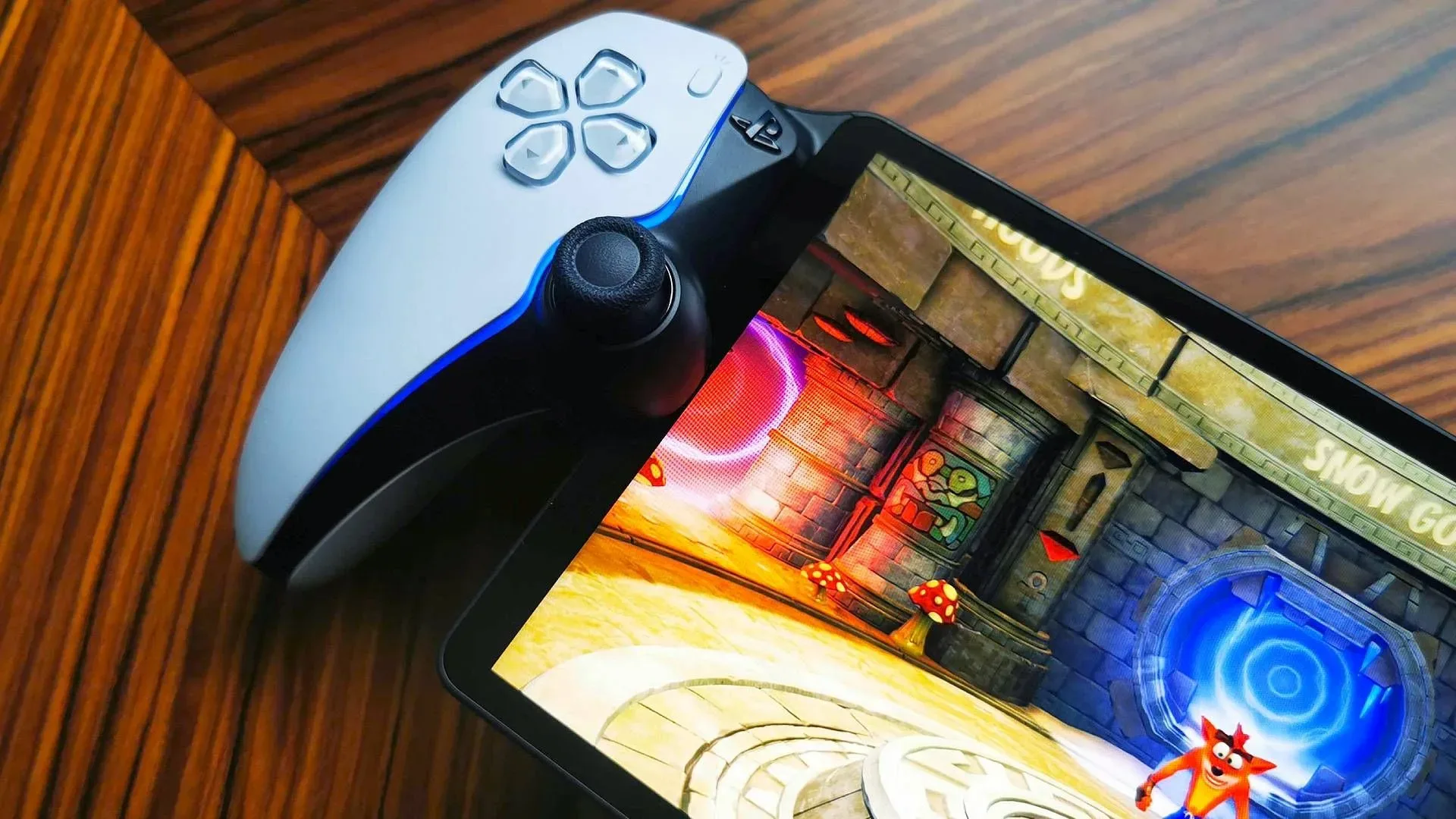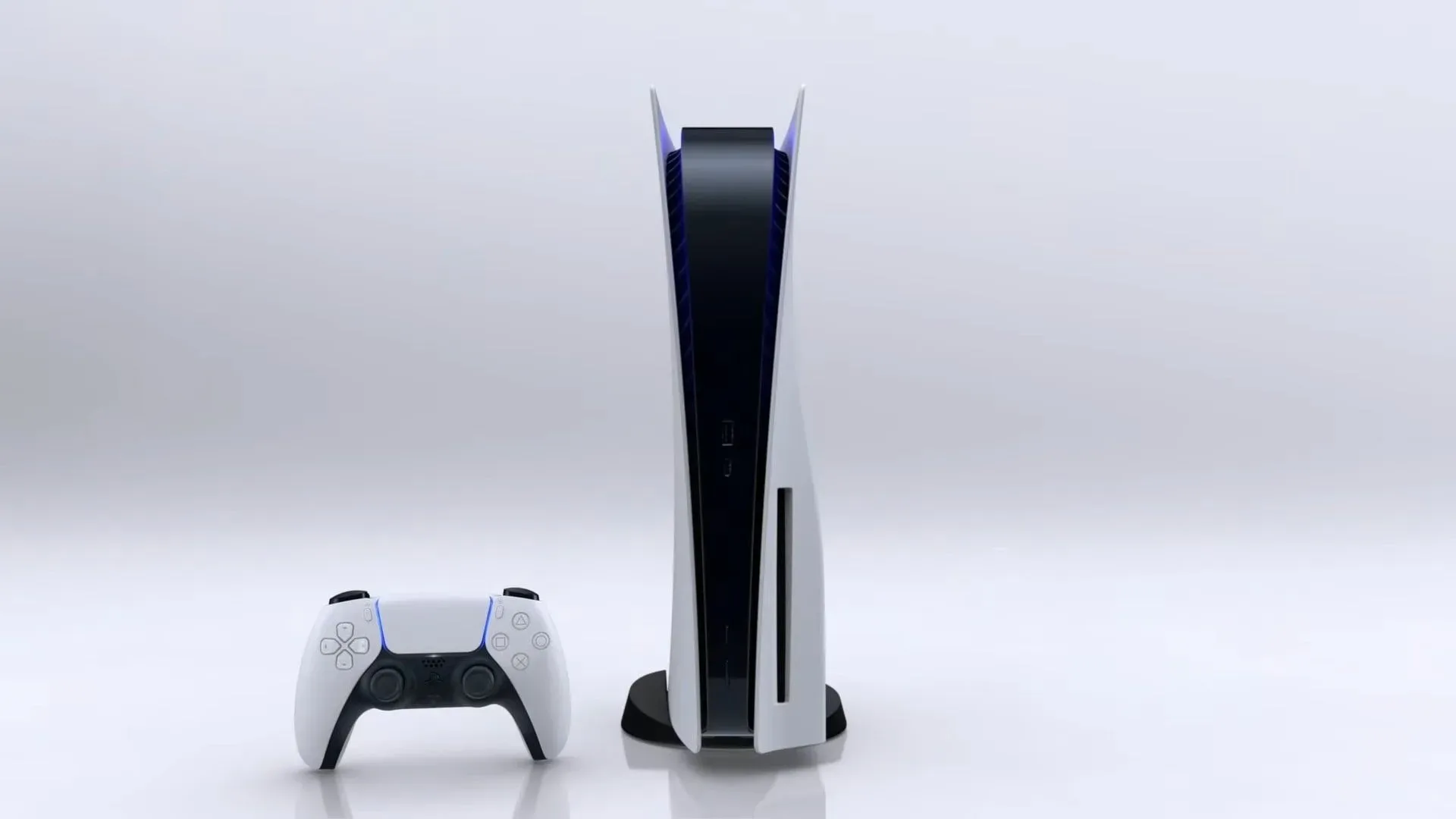
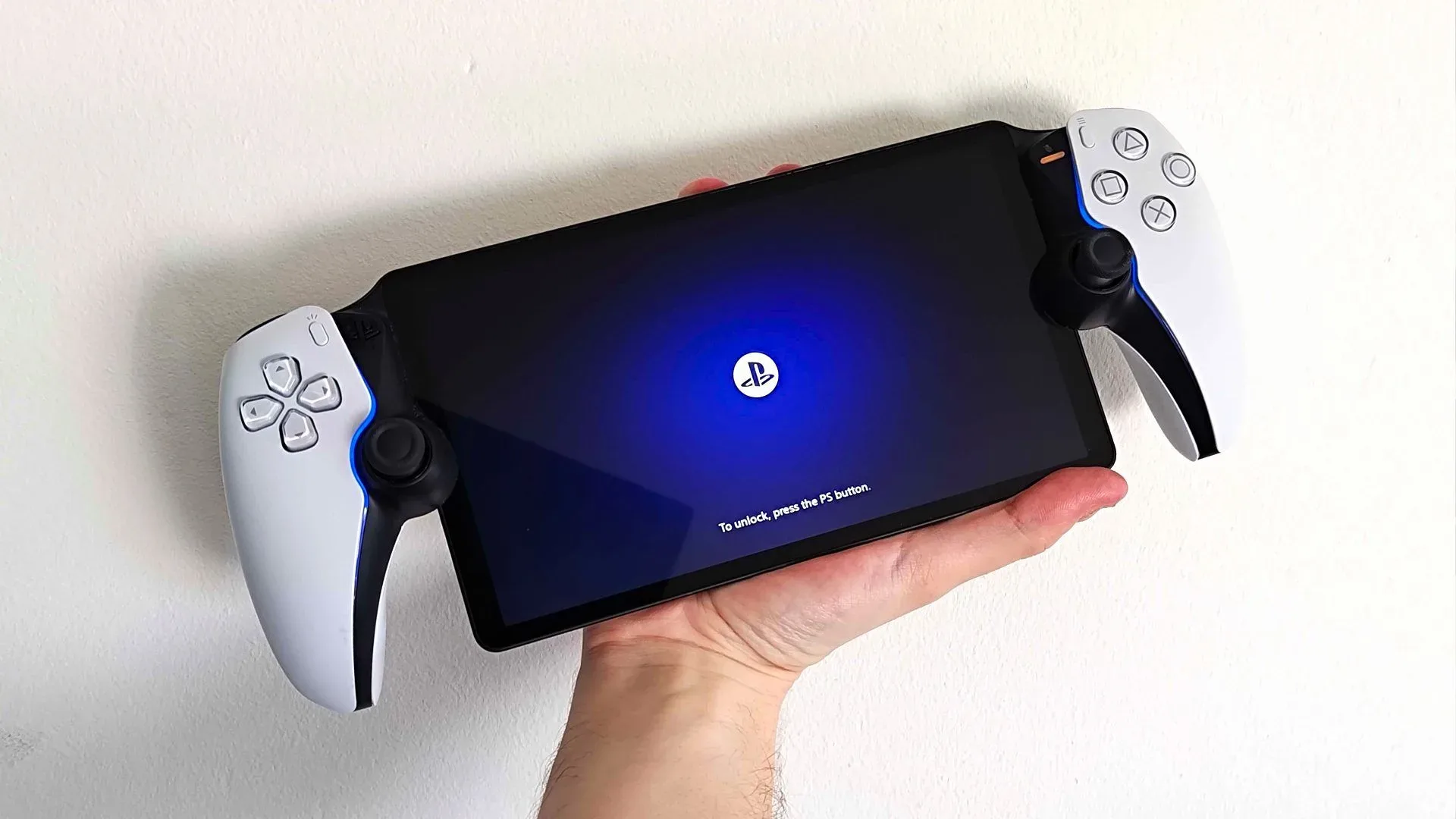
Talk of a next-generation PlayStation handheld has made the prospect of a two-device launch an increasingly tempting thought experiment: a new home console for the television, plus a portable machine for games away from it. But Shawn Layden, a former chairman of Sony Interactive Entertainment Worldwide Studios, believes that pairing the two at launch could create a problem far larger than deciding which screen players prefer.
Layden’s argument is not that a handheld and home console cannot coexist. It is that asking one platform holder to introduce, market and support both at once can split attention at the exact moment each system needs a clear reason to exist. In a recent podcast appearance, Layden said supporting a console and handheld simultaneously was difficult enough that it was “almost” like creating two companies.
That is an important caveat amid the speculation. Neither a PS6 home console nor a dedicated PS6 handheld is confirmed in the material available here. The discussion is about reported possibilities and a former executive’s assessment of the business challenge—not a revealed product plan, release schedule, price or specification sheet.
The warning is about resources, not simply hardware power
It is easy to frame a potential handheld alongside a home console as a technical question: can the portable machine run the same games, and how close can its performance come to the larger box? Layden’s comments point somewhere else. His core concern is organizational focus.
A platform launch needs more than a device. It needs a coherent message for consumers, continued software support, relationships with development partners and enough promotion to make its purpose unmistakable. When those obligations apply to two different machines, trade-offs begin. A portable system may require different game designs, performance targets, features or publishing decisions than a home console. Even when games are shared, the teams and campaigns behind them can still be competing for time and budget.
Layden described the machines as complementary, but also potentially in tension over direction and messaging. His practical observation was that the home console carries the bigger audience and larger commercial weight in the marketing room. In that environment, he said, promotional spending for the PSP could simply disappear.
“Marketing resources” means the money and planning used to make potential buyers aware of a product and explain why it matters. It includes advertising, launch events, retailer-facing activity and the wider campaign around games. The phrase does not mean the handheld automatically lacks an audience; it means the company may decide that its bigger platform is the safer place to put attention when priorities collide.
“Development resources” are similarly broader than the number of people writing game code. They can include internal studios, external partners, production support and the decisions that determine which games are built, optimized or promoted for which system. A dual launch could therefore be a challenge even if the devices share a brand and parts of their game library.
Related coverage includes Former PlayStation Leader Warns a PS6 Handheld Could Struggle Alongside a New Home Console.
Past PlayStation launches inform Layden’s view
Layden was with PlayStation during the launches of both the PSP and PS Vita, giving his warning a perspective rooted in the company’s earlier handheld era. He recalled a period in which PSP sales were “off the chart” while he was still challenged by Sony’s chief financial officer over PS3 sales. The anecdote illustrates the pressure behind his broader point: strong results for one product do not necessarily soften expectations around another, especially when the larger home console is treated as the central business priority.
That history does not prove that any future dual-device launch would fail. The current hardware landscape, product strategy and software pipelines are not established by the information available here. It does, however, explain why Layden is wary of assuming that two PlayStation machines would automatically strengthen each other just because both bear the same name.
His prescription was unusually blunt. If Sony were to make only a handheld next, he said, it would have “a good chance of winning.” If it were to launch a handheld and console at the same time, he said he did not believe the company—or any company—could successfully handle both. He has previously tied this concern to the same two pressure points: development resources and marketing resources.
“If Sony only does a handheld next, then I think they have a good chance of winning.”
The significance of that statement lies in its conditional nature. It is not a claim that a handheld is inherently a better successor to a home console, nor is it a confirmation that Sony is choosing one route over another. It is an argument that concentration could be more valuable than trying to serve two major launch propositions in parallel.
What a split launch message could mean for players
For players, the clearest risk in Layden’s scenario would be confusion over the role of each machine. Are they meant to play the same games? Is one the premium destination while the other receives separate experiences? Does one offer convenience while the other is the main platform? Those are questions a launch campaign would need to answer quickly and consistently.
A home console typically has the advantage Layden identified: a larger expected audience and a more prominent place in the company’s commercial planning. A handheld would need a sharply defined proposition to avoid being regarded as an accessory to the headline system—or, from the other direction, to avoid making the home console seem less essential. That is a messaging problem before it is a processor or screen problem.
The software question matters just as much. Separate platforms can expand choice, but they can also require choices about which games receive which versions and how much support each receives. Shared releases can reduce the divide, yet still place extra demands on development teams. Distinct games can clarify a device’s identity, but may leave audiences wondering whether they need both. None of those outcomes is confirmed for PlayStation’s next generation; they are the practical tensions embedded in Layden’s warning.
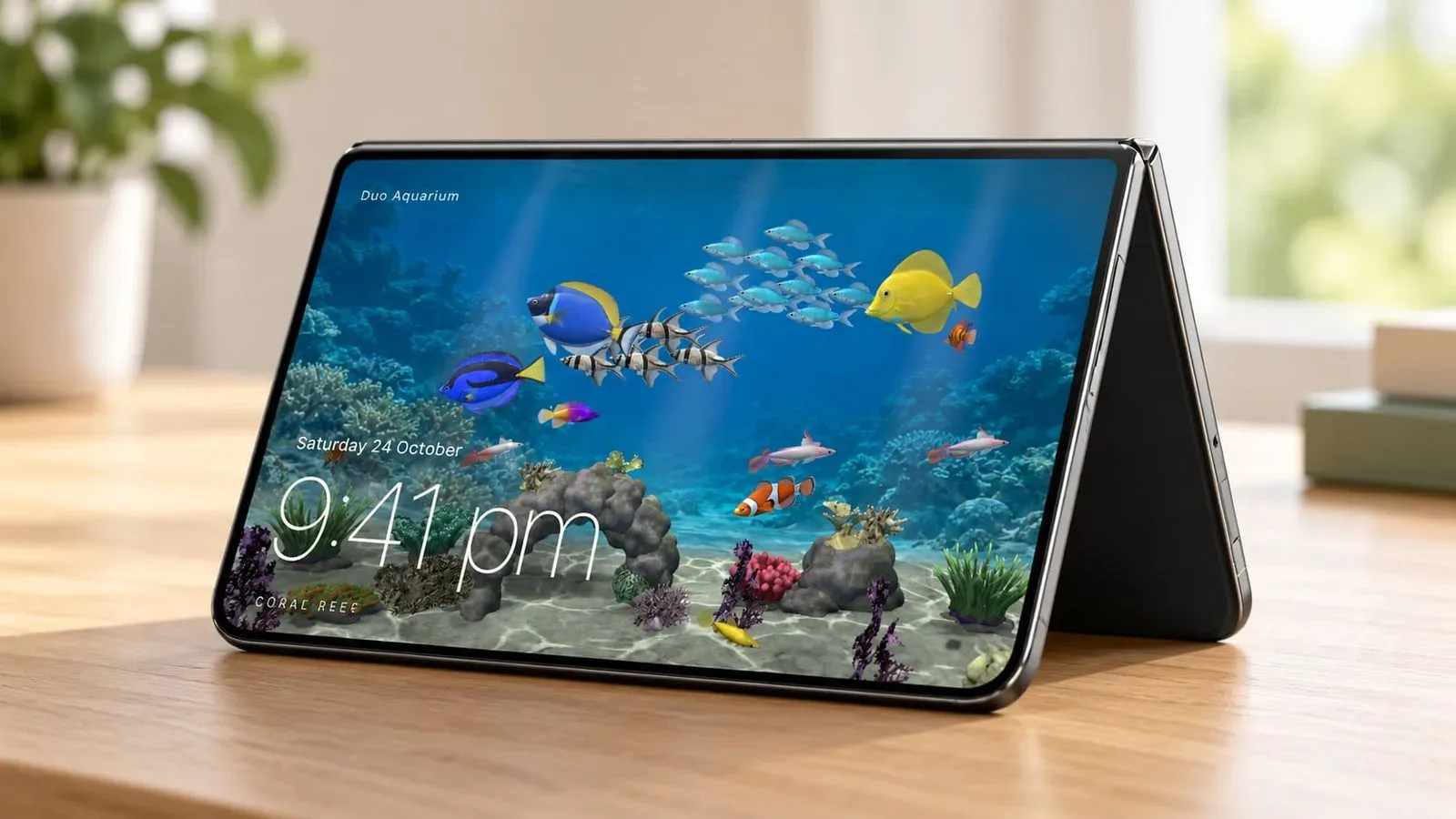
The broader industry is also grappling with devices that blur categories between portable play, living-room hardware and connected ecosystems. That makes software, accounts, performance expectations and the product’s day-to-day role crucial parts of the conversation. Elsewhere in consumer tech, the way new form factors affect app design is already visible in projects such as apps built around folding-device gestures and modes. It is not a direct comparison to an unannounced PlayStation device, but it reinforces the basic point: hardware categories shape how developers and audiences understand software.
PS6 progress and the memory constraint
The discussion comes alongside an indication that PS6 development is progressing as scheduled. At the same time, PlayStation is described as navigating a RAM shortage and balancing memory procurement. RAM, or random-access memory, is fast working memory used while a system and its software are running. “Memory procurement” refers to securing the required supply of that component.
Those details should not be read as evidence of what the next console will contain, when it will arrive or whether a handheld is part of the plan. They do show that supply considerations remain relevant to future hardware planning. Hardware development is not only about designing an intended machine; it also involves obtaining the components needed to manufacture it at scale.
Layden’s comments add another layer to that reality. Even if component planning and technical development are progressing, the company would still face decisions about product positioning, software support and launch marketing. Those are separate problems, and his argument is that trying to solve them for two major platforms at once may dilute the execution of both.
A useful reality check for PS6 handheld speculation
The most concrete takeaway is restraint. Reports and rumors about a PS6 handheld have generated understandable interest, but the available information does not establish that such hardware exists, that it will launch with a home console, or what form it would take. Layden is offering an informed opinion shaped by past PlayStation handheld and console launches, not disclosing a current roadmap.
Still, his view identifies the questions worth watching if Sony eventually addresses its next hardware generation: whether the company presents one platform or more than one; how clearly it differentiates their roles; where games are being developed; and whether its promotional effort gives each device a durable identity. A second machine may sound like an expansion of choice. Layden’s experience suggests it can also become a contest for the same finite attention, budget and creative support.