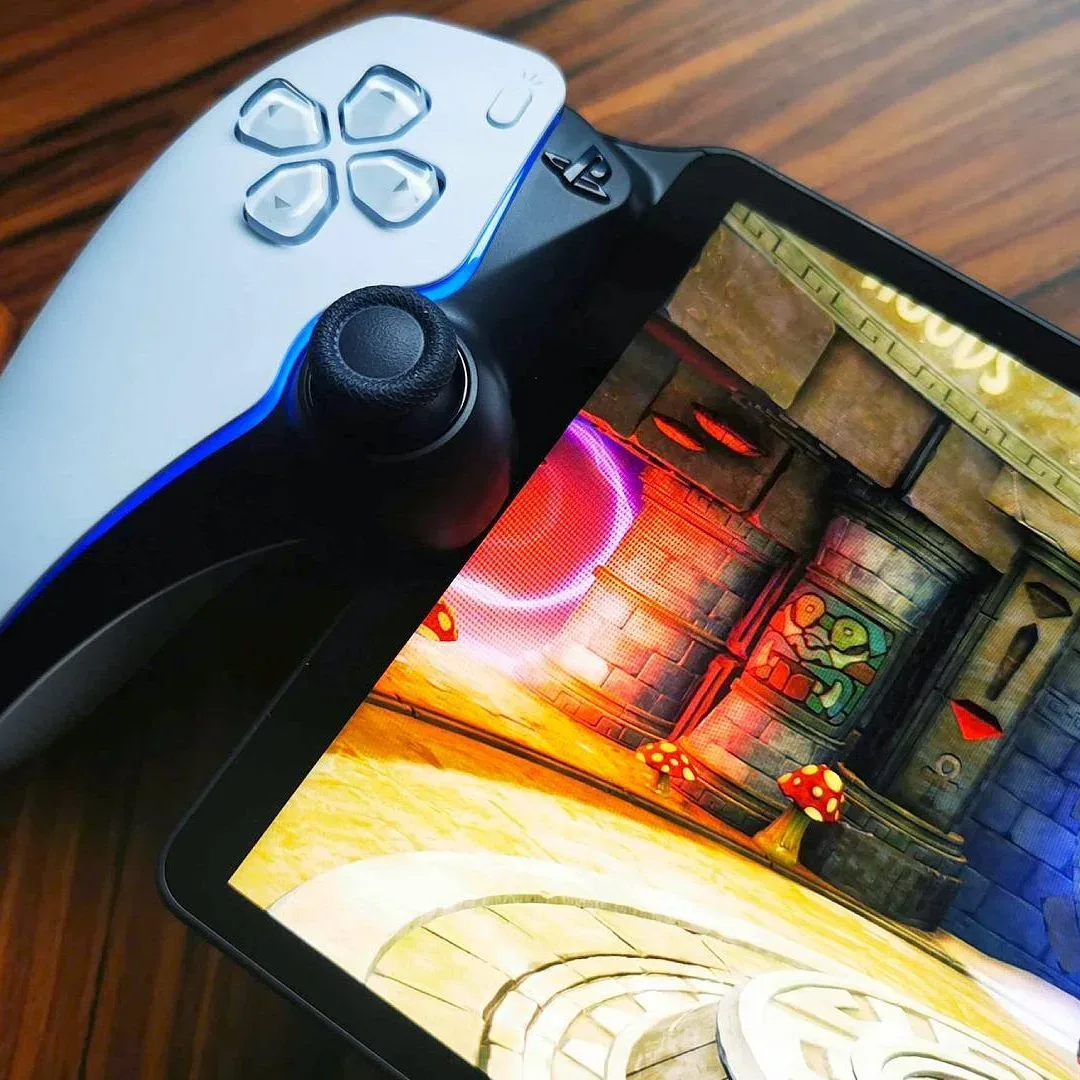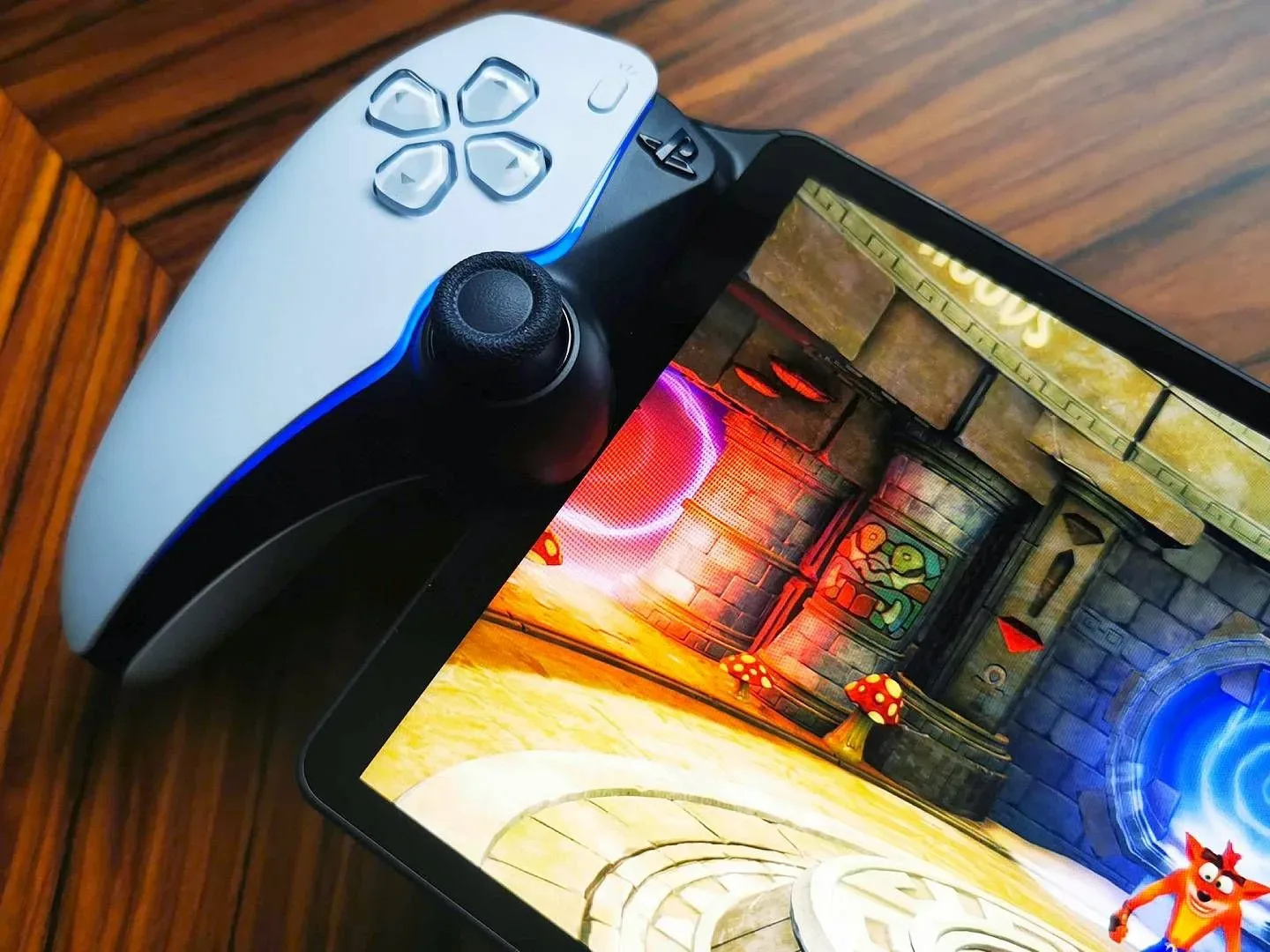
PlayStation’s next-generation hardware plans remain unannounced, but the possibility of a new Sony handheld arriving alongside a PS6 has created a very practical question: can one company give two major machines the attention they need at the same time?
Shawn Layden, the former chairman of Sony Interactive Entertainment Worldwide Studios and former president and CEO of SIE America, believes history gives the question some weight. Discussing reports of a possible future handheld, Layden reflected on an organizational issue he says became clearer in hindsight: PlayStation has had difficulty selling two distinct pieces of gaming hardware simultaneously.
That is not an argument that handheld gaming cannot work for PlayStation. Rather, Layden’s point is that a successful device on one side of the business does not automatically mean its sibling receives enough of the company’s development, promotion, and leadership attention. In the console business, the fight is not just over chips, screens, launch games, and retail shelf space. It is also a contest for internal focus.
The PSP example does not erase the wider problem
The obvious counterexample is the PlayStation Portable. The PSP was a real hit, and its position in PlayStation history makes it difficult to argue that the company simply cannot sell a dedicated portable. Layden acknowledged that success, but paired it with the other half of his experience: while the PSP was gaining momentum, selling the PlayStation 3 was a struggle.
That distinction matters. A platform holder can have a popular handheld and still face serious pressure on its home-console business. The result is not necessarily a failure for either device, but it can mean executives must choose constantly where to put the next marketing push, which game gets the largest campaign, and how teams communicate a complicated product lineup to shoppers.
For players, “two platforms” sounds like an exciting abundance of choice. For a hardware maker, it can become two launch strategies, two customer pitches, two competitive landscapes, and a recurring argument over where the next dollar of promotion or development support should go.
Layden’s central concern is that separate hardware lines divide not only development resources, but also marketing resources and management attention.
His description is less about one team being incapable and more about incentives. When two platforms answer to the same organization, the hotter product, more promising game, or more urgent commercial challenge can pull resources away from the other. A campaign intended for one title might be redirected to another. A feature that was supposed to explain one machine may be delayed because the other machine needs the spotlight first. Those tradeoffs can gradually blur the overall strategy.
Related coverage includes Former PlayStation Executive Sees Risks in Launching a PS6 Console and Handheld Together.
Why a PS6-and-handheld launch would be unusually demanding
Nothing has been confirmed about a PS6, a standalone next-generation PlayStation portable, their specifications, release window, or whether Sony intends to launch multiple devices close together. That uncertainty is essential. Rumors can point toward possibilities, but they are not product roadmaps.
Still, Layden’s comments offer a useful lens for thinking about the challenge if Sony does pursue both a new home console and a handheld. A home machine generally needs a simple promise: this is where players get the biggest versions of new games, the strongest technical performance, and the generation’s marquee software. A handheld needs an equally clear identity. Is it a lower-cost entry point? A companion system? A fully independent platform? A device designed for the same games in a different form?
If the answers overlap too much, consumers may wonder which purchase makes sense. If they differ too sharply, Sony has to persuade studios and players that both ecosystems will receive enough support. The communications task becomes especially awkward if one device is perceived as the “real” next PlayStation and the other looks like an expensive accessory, or if software parity turns the larger console into a less urgent buy.
This is why Layden’s warning is fundamentally about focus. It is not merely a warning about manufacturing two boxes. Hardware becomes viable when its software pipeline, feature set, messaging, pricing, and audience expectations all align. Doubling the number of devices risks multiplying every one of those decisions.
A mid-size platform could change the equation
Layden floated one possible answer: if Sony does make a handheld, it could consolidate gaming efforts around a mid-size platform. That is a provocative idea because it reframes a portable from “secondary hardware” into the central piece of the business.
A mid-size system could theoretically occupy ground between a traditional home console and a smaller mobile-style device. But the exact meaning of that concept—and whether it is technically, commercially, or strategically plausible for PlayStation—remains open. Layden was offering an interpretation of how Sony might avoid splitting its efforts, not reporting a confirmed plan.
The appeal is easy to understand. One main platform means a more unified message for customers and potentially fewer fights over which device gets the prestige game, the marketing budget, or the clearest place in a retailer’s display. It could also match how many people now play: moving between televisions, monitors, and smaller screens rather than treating one location as the only place games belong.
The risks are just as evident. A mid-size approach would have to satisfy people expecting a powerful living-room console while also meeting the battery, heat, control, display, and portability demands of handheld play. It would have to make sense to developers targeting ambitious games. And it would need a name and message clear enough that no shopper walks away wondering what exactly it is.
Sony’s public comments leave room for many forms
Sony has not validated the current handheld rumors. What has been said publicly is broader: SIE CEO Hideaki Nishino has indicated that the company expects to use technologies that can work across different forms and locations in future console development.
That language naturally invites interest from handheld fans, but it does not confirm a device. It could describe many approaches to gaming hardware and services. It is best read as a statement of flexibility rather than a specification sheet.
Other unconfirmed reports have suggested that a potential PlayStation handheld could be more powerful than Xbox Series S. That claim should likewise be treated cautiously. Without Sony confirming the machine itself, comparisons of performance, architecture, price, display, games, or launch timing are all preliminary at best. Raw power alone also would not resolve the business challenge Layden describes. A capable device still needs a convincing role and sustained support.
For a reminder of how much uncertainty can surround even the timing and regional details of major PlayStation releases, see the current discussion around GTA 6 PS Store timing clues. Hardware rumors deserve the same restraint: interesting signals are not settled facts.
The larger issue is a changing cost equation
Layden’s assessment lands as industry observers increasingly debate the price of future high-end console hardware. One analyst has suggested that, if a PS6 and the next Xbox—reportedly referred to in rumors as Project Helix—were each priced at $1,000, their first five years of sales could be 40% lower than the PS5 generation’s. That is an analyst scenario, not a forecast confirmed by Sony or Microsoft, and neither company has announced pricing for its next console.
Even so, the scenario illustrates why platform clarity matters. If dedicated hardware becomes more expensive, companies may find it harder to ask consumers to buy more than one device, particularly in the same ecosystem. A handheld and a home console may complement each other beautifully, but only if players can quickly see why each exists and how their libraries, accounts, accessories, and game experiences fit together.
That does not mean a future PlayStation handheld is doomed, nor does it mean Sony must abandon the traditional console model. The PSP’s success shows that PlayStation can make a portable people want. Layden’s point is more useful—and more modest—than a prediction. Running parallel hardware businesses asks for unusual discipline, because every resource decision can turn the company’s devices into rivals for their own maker’s attention.
Until Sony shares concrete next-generation plans, the PS6 handheld discussion remains a hypothetical one. But it is a revealing hypothetical. The biggest question may not be whether PlayStation can build two desirable machines. It may be whether it can tell two equally persuasive stories without allowing either one to lose the plot.