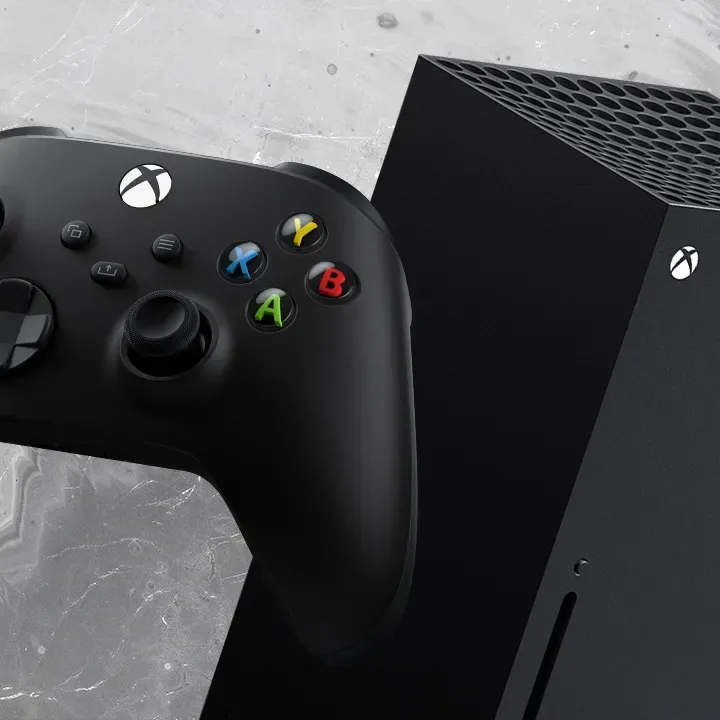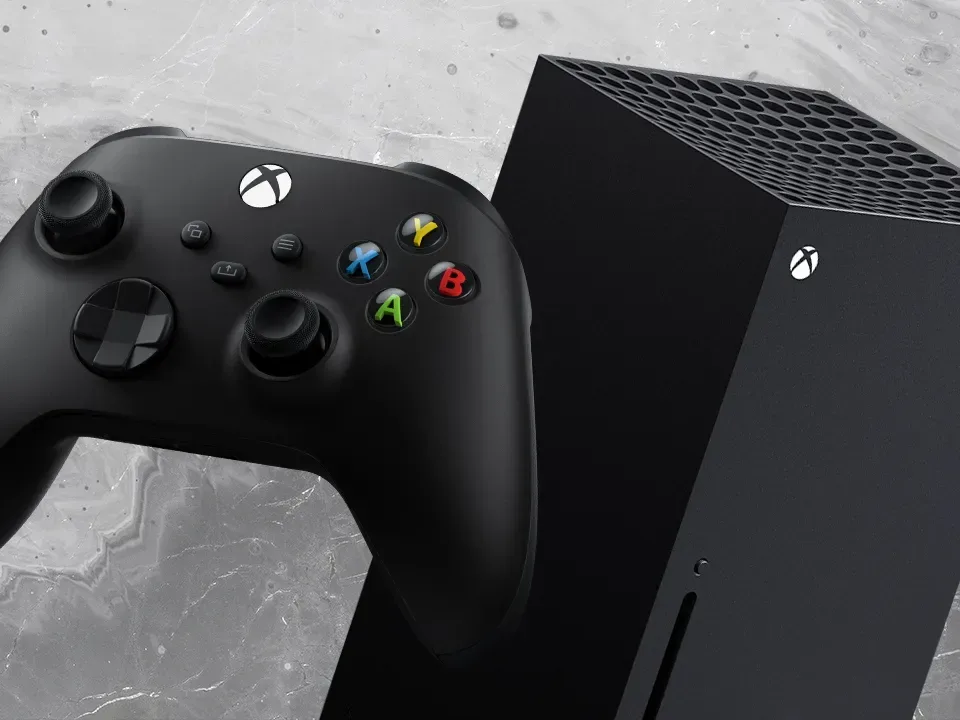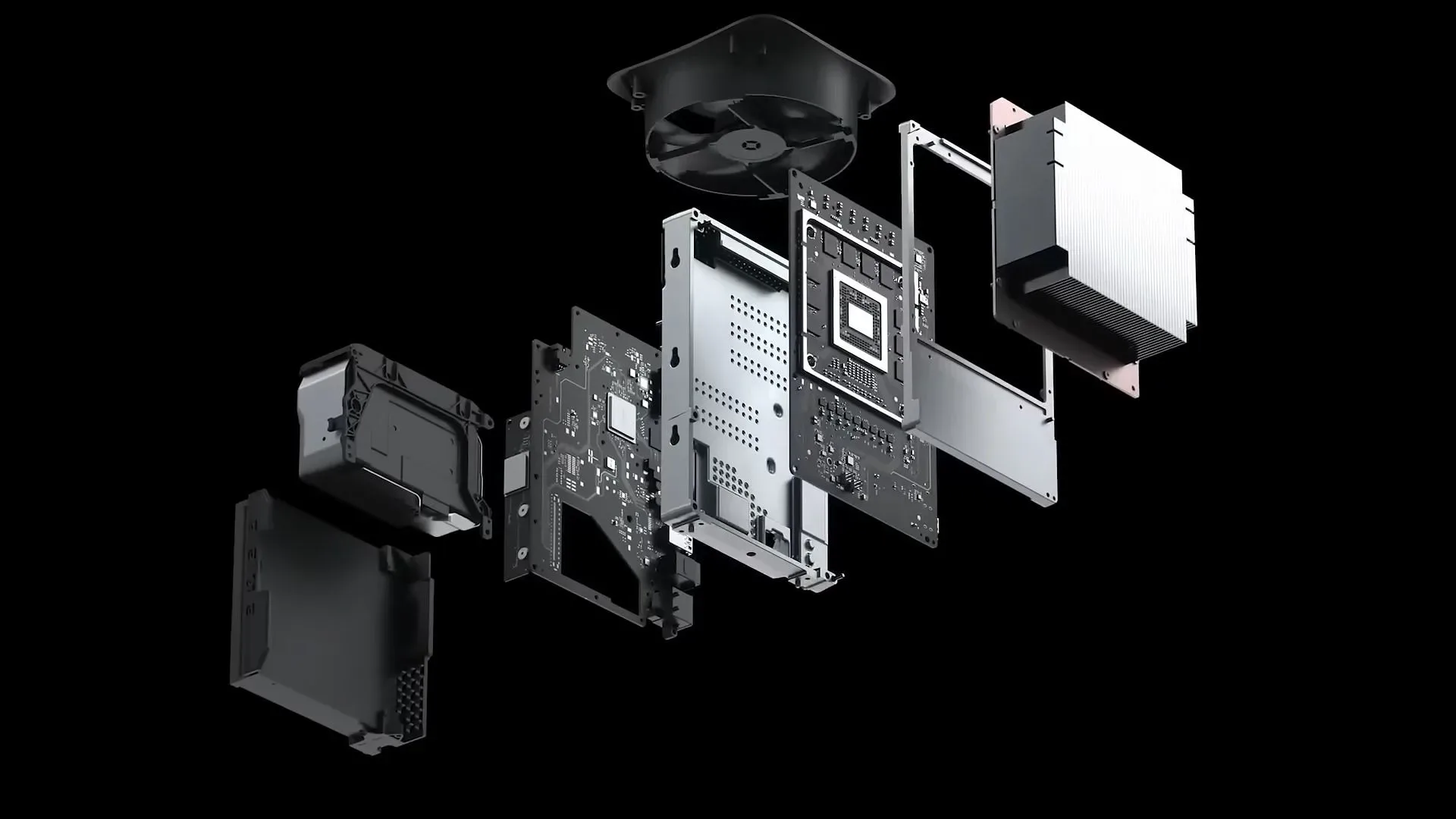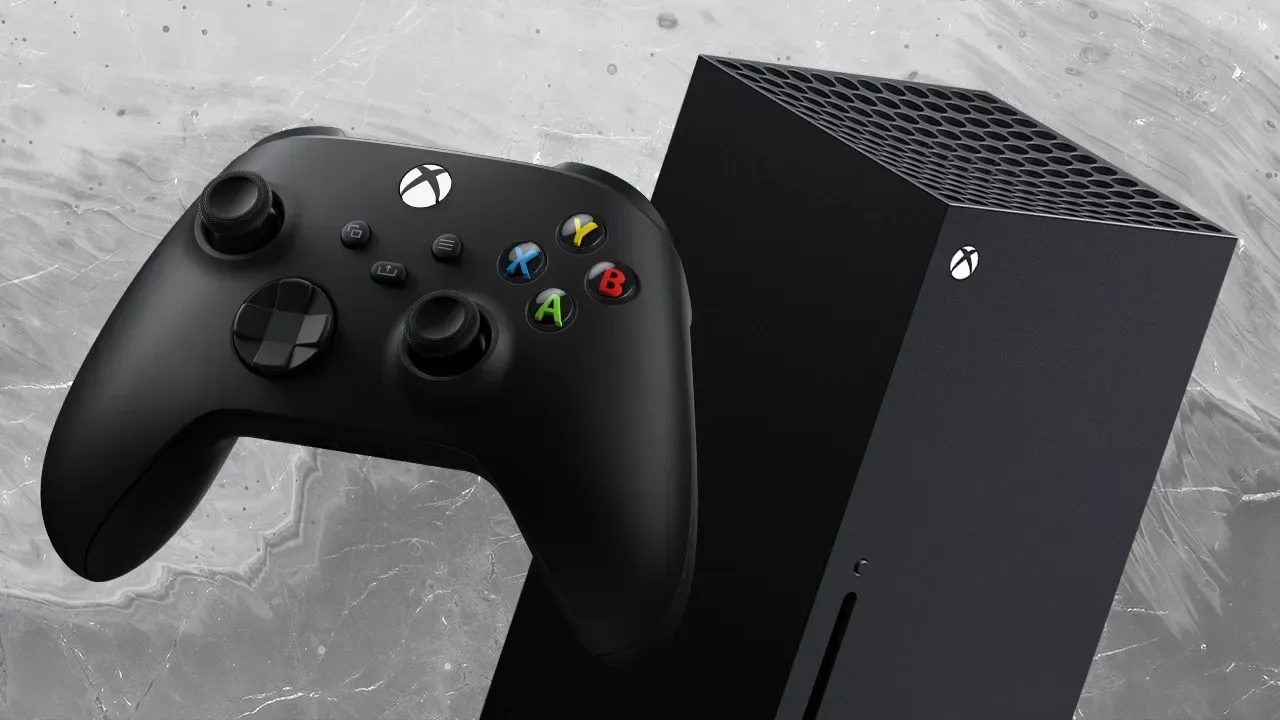
Shawn Layden, the former head of Sony Interactive Entertainment America, has framed Xbox’s current strategic crossroads in unusually stark terms. His advice to Xbox CEO Asha Sharma is simple: “pick a lane.”
Layden’s comparison is deliberately loaded. He described the decision facing Xbox as a potential “Dreamcast moment,” invoking Sega’s decision to stop making consoles after the Dreamcast’s commercial failure and continue as a software publisher. That shift, made in early 2001, ended Sega’s hardware era after systems including the Genesis, Game Gear and Saturn, while allowing its games to appear on former rival platforms such as PlayStation 2.
The analogy is not a declaration that Xbox is leaving hardware, and it should not be treated as one. Microsoft and Sharma have publicly maintained that console hardware remains central to Xbox’s plans. But Layden’s point is that a company cannot indefinitely avoid resolving the tension between two very different objectives: building a platform that stands against PlayStation, or prioritising the reach and economics of a huge multi-platform publishing operation.
For Xbox players, developers and prospective console buyers, that distinction matters. It shapes which games are exclusive, what third-party support looks like, what a next-generation machine needs to offer, and whether Xbox’s business is ultimately designed around selling a destination or publishing games everywhere audiences already are.
What Layden means by a “Dreamcast moment”
“Dreamcast moment” is shorthand for a strategic pivot rather than a prediction of identical circumstances. Sega’s exit from console manufacturing was an enormous change because it transformed the company from a platform holder into a publisher whose games could reach customers through competitors’ hardware.
Layden’s argument is that Xbox could face an equivalent fork in the road. On one path, Microsoft would commit fully to being a console platform competitor: develop Project Helix as a compelling next-generation Xbox machine, secure meaningful third-party participation, and make deliberate choices about exclusive games and the reasons people should choose that hardware.
On the other, it would embrace the scale it has accumulated as a publisher. Layden noted the weight of Activision, Blizzard and Bethesda within Microsoft’s gaming organisation, alongside major franchises including The Elder Scrolls, Fallout and Minecraft. He also acknowledged Tencent as a possible larger publisher globally, while characterising Xbox as the biggest in the Western market.
That publishing route would not mean games suddenly become less important. It would mean the opposite: the company’s games, rather than a proprietary box under the television, would become the unquestioned centre of the strategy. The key idea is focus. A platform business and a publishing business can overlap, but they require different trade-offs.
Related coverage includes Shawn Layden Calls Xbox's Crossroads a 'Dreamcast Moment' for New CEO Asha Sharma.
The platform route: more than making another console
Calling Xbox a platform competitor does not merely mean releasing Project Helix. A platform is the wider system around a piece of hardware: the audience it reaches, the software catalogue it supports, the commercial terms offered to developers, and the reasons customers remain in its ecosystem.
Layden’s comments put particular emphasis on exclusivity and third-party support. Exclusivity is the practice of making a game available only on one platform, or first on one platform. It can give a console a clear identity, but it may also limit the number of people who can buy a game. For a publisher that owns some of gaming’s biggest series, every exclusivity choice carries a more visible opportunity cost.
Third-party support means games from companies outside the platform holder’s own studios. A console can have impressive internal franchises and still need consistent outside releases to feel like a complete, reliable place to play. Layden’s question is how a platform holder incentivises that support in a meaningful way. He did not prescribe a particular method, but the question identifies a practical challenge: a new console needs a persuasive proposition not only for players, but also for the companies deciding where to put their games.
The situation is complicated by the uncertainty surrounding Project Helix. The next-generation Xbox console is confirmed, but major questions remain about what it will actually be. Without a detailed public picture of the hardware, its business model, its software plan or its exclusivity policy, it is difficult to assess how aggressively Xbox will pursue the traditional console race.
Xbox’s recent corporate structure makes that ambiguity more pronounced. The business is concentrating on fewer, larger franchises, while Halo has moved to Activision, the publisher behind Call of Duty. At the same time, the organisation has undergone a major restructure that has resulted in nearly 2,000 job losses, studios leaving Xbox or facing closure, and game cancellations. Those developments make the demand for strategic clarity feel less like a branding exercise and more like a question of where the remaining investment and creative resources will go.
The publishing route: reach versus platform identity
The alternative Layden outlined is to treat Xbox primarily as a software publisher. That would put Microsoft’s owned studios and franchises at the forefront, with success measured principally by the ability to bring games to audiences across the platforms where they play.
There is an obvious appeal to that approach. Microsoft owns a large collection of studios, labels and globally recognised series. Publishing across more platforms can increase the potential audience for each release. It also makes Xbox less dependent on persuading customers to buy a particular piece of hardware before they can engage with its games.
But the approach would create a different challenge: preserving the meaning of the Xbox platform. If the largest games are increasingly available beyond Xbox hardware, the company has to provide other reasons for customers to choose its console ecosystem. Those reasons could be services, convenience, performance, community or a distinct approach to how games are bought and played, but Layden’s broader argument is that those choices must become coherent rather than merely coexist.
It is also worth separating a software-first strategy from an exit from hardware. They are related possibilities, not synonyms. A company can publish widely while retaining console hardware. Microsoft’s public commitment to hardware is still the relevant stated position, and Project Helix remains part of its future plans. Layden is urging the company to decide how central that hardware ambition really is, not revealing a decision that has been made.
Rising component costs are part of the decision
Sharma has already identified a financial issue that makes the next console generation harder to plan. In June, she said escalating costs for consoles and components could require “radically different business models” in the next generation. She linked the affordability problem to global crises and the rise of AI, describing a future in which it may be difficult to imagine a mass audience paying thousands of dollars for a new generation of hardware.
The reference to the “RAMpocalypse” points to concern about higher memory costs. RAM, or random-access memory, is a key component that allows a system to rapidly handle active data while software runs. It is not the only expensive part inside a modern console, but increases in component pricing can make the familiar console model more difficult: manufacturers must balance performance ambitions, retail price, and the amount of money made or lost on the hardware itself.
That pressure is not limited to Xbox. Former PlayStation executive Shuhei Yoshida has also argued that Sony and Nintendo need their current consoles to last as long as possible as costs rise, following price increases for PlayStation 5 and Switch 2. The takeaway is not that every platform will make the same move, but that the conditions around hardware are becoming more demanding across the industry.
For Microsoft, higher costs sharpen Layden’s platform-versus-publisher distinction. A dedicated console push may demand expensive hardware investments and a strong case for why developers and players should support the machine. A publishing-led path may reduce reliance on that proposition, but it also asks the company to accept that wide distribution can dilute the role of console exclusives in defining Xbox.
What Xbox players should watch next
There is no confirmed answer yet to the biggest question: whether Xbox will ever leave the console business. The available public position remains a commitment to hardware. The more immediate signals will come from decisions that reveal how Microsoft defines the purpose of that hardware.
- Project Helix details: Its design, positioning and model will show whether Microsoft is pursuing a conventional generational console play or something more structurally different.
- Exclusivity decisions: Where future Xbox-owned games launch will clarify the balance between platform differentiation and publishing reach.
- Third-party support: The breadth and consistency of outside games will be a practical measure of confidence in the next Xbox platform.
- Franchise priorities: Xbox is focusing on fewer, bigger properties. How those properties are handled will indicate whether the company’s main competitive asset is its console ecosystem or its publishing catalogue.
- Hardware economics: Sharma’s warning about component costs suggests the next generation’s price and business structure cannot be taken for granted.
Layden’s formulation is useful because it cuts through speculation without pretending the answer is known. Xbox has meaningful assets whichever direction it chooses: established hardware expertise, a confirmed next-generation console project, and a collection of publishers and franchises with exceptional reach. The difficult part is not identifying those assets. It is deciding which one is supposed to lead.
That is why “pick a lane” lands harder than a routine call for better messaging. It is an argument that the next major Xbox decisions should be mutually reinforcing. If Xbox wants to challenge PlayStation as a platform, it must build the machine, relationships and software identity to do so. If it wants to be defined first by its games, it must make the most of its publishing scale without leaving its own ecosystem strategically adrift.
Until Project Helix is more clearly defined, both futures remain possible. Readers tracking how platform economics are changing can also see the same hardware-versus-accessibility questions reflected in rumors surrounding a more gaming-focused iPad Mini. For Xbox, however, the stakes are unusually direct: the company’s next move may determine whether its console is the centre of the business or one part of a far broader publishing operation.