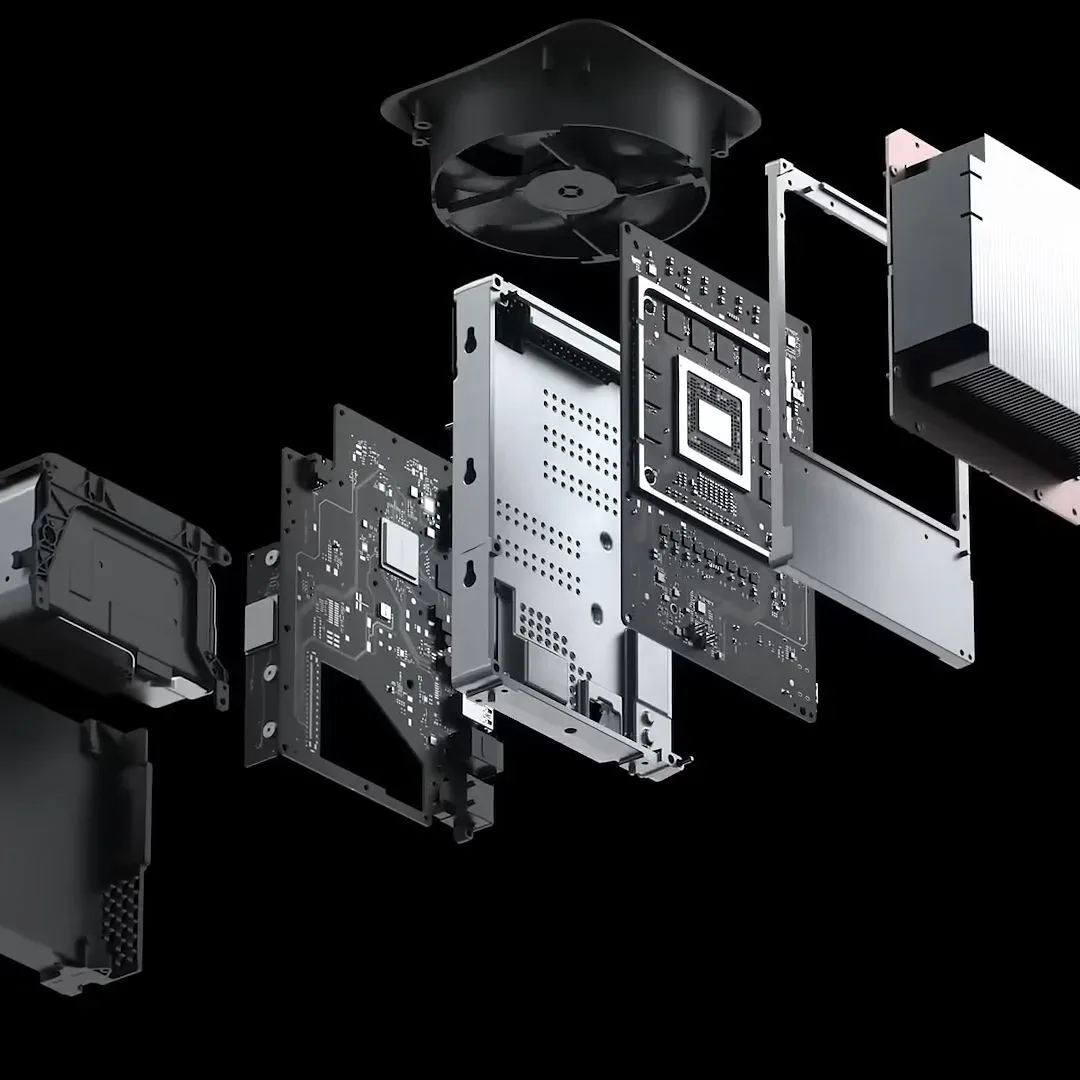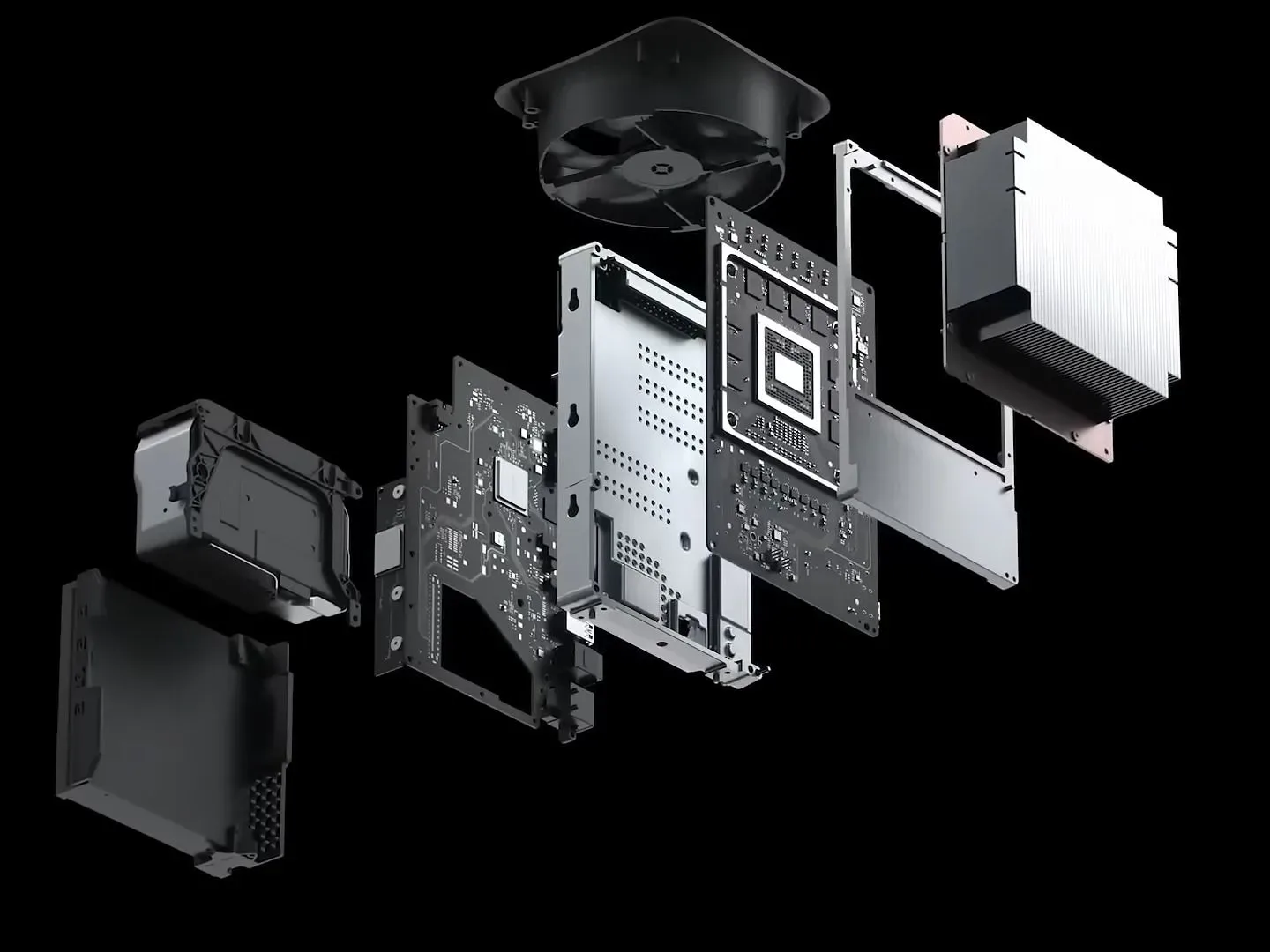
Project Helix, Microsoft’s next Xbox console effort, has become the center of a much bigger question than processor specifications or a list of compatible PC games: what exactly is Xbox for?
Jon Kimmich, whose 16 years at Microsoft included the early conceptual period of the Xbox brand, has argued that Microsoft needs to settle that question before Helix reaches the market. His core distinction is between Microsoft Gaming, the broader commercial operation that publishes and distributes games, and the Xbox platform, the player- and developer-facing ecosystem built around hardware, software, commerce, identity, tools, ownership and community.
Those may sound like two descriptions of the same enterprise, but Kimmich’s point is that they can move in different directions. A game publisher can grow by putting its releases in more places. A platform, however, has to give customers, developers and hardware partners a reason to choose and remain inside its particular ecosystem. In Kimmich’s view, Microsoft Gaming can expand while the distinct value of Xbox weakens.
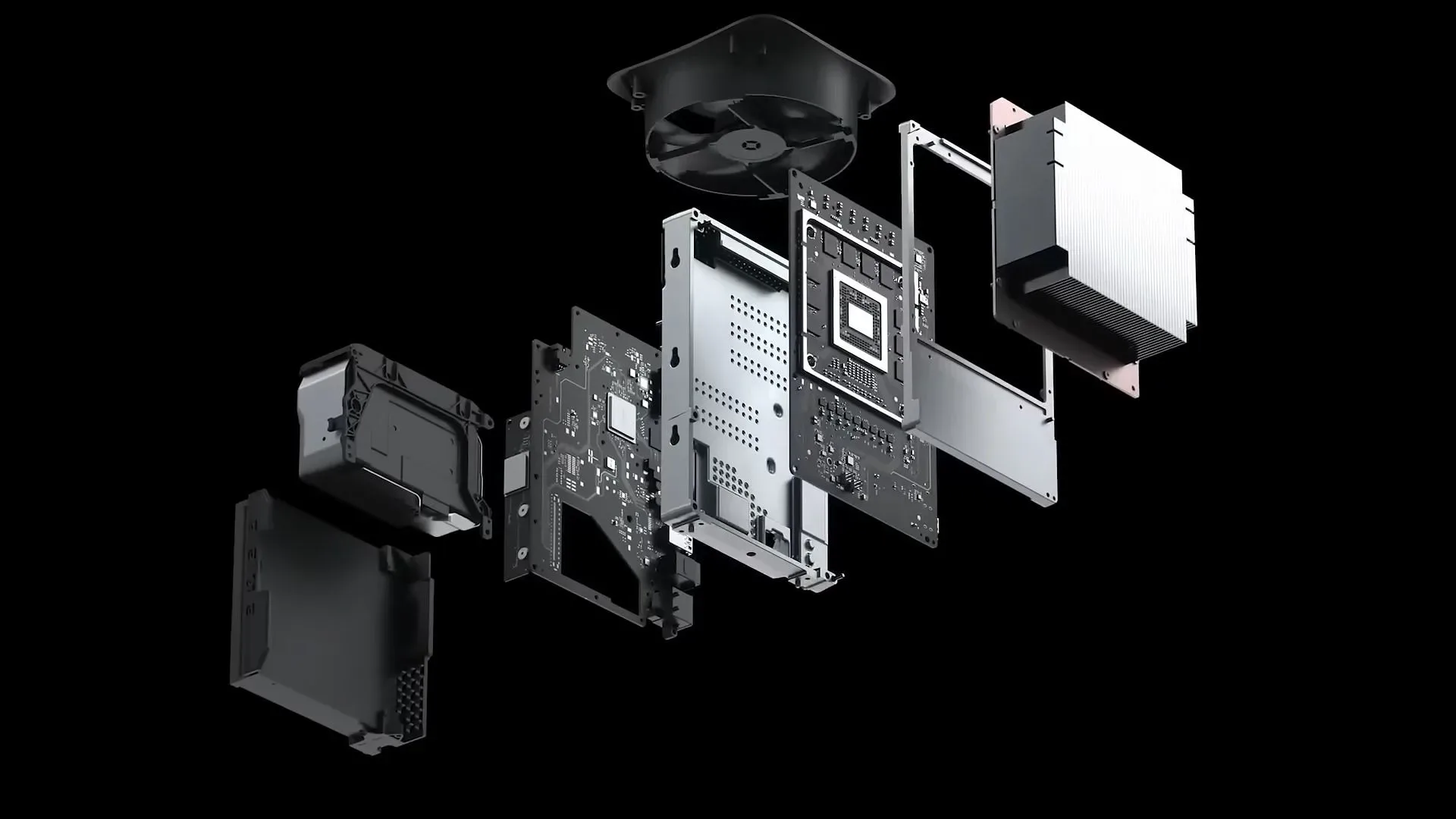
That is why Helix matters. The project is presented as an Xbox console that will run PC games, but its challenge is not merely to run them. It is to make a persuasive case for being the box connected to a living-room television rather than an expensive route to stores, services and libraries that already exist elsewhere.
The platform-versus-publisher split
Publishing and platform ownership are related, but they do different jobs. A publisher funds, markets and releases games. A platform operator sets the rules and technical foundations for a place where games are sold, discovered, played and supported. That can include the storefront, account system, social features, developer tools, certification process, cloud integration and hardware experience.
For Kimmich, the latter is the strategic prize. Owning the platform layer can mean setting commercial terms, building direct relationships with customers, attracting developers and establishing leverage with other businesses. It also creates a reason for first-party games to exist beyond their individual sales: they can make the ecosystem itself more valuable.
He recalls that the original Xbox ambition was not simply about selling more consoles than a rival. The concern was that another company could control the operating and commerce layer in the living room. In that framing, first-party games helped Xbox earn its place in that environment; they were a means of establishing the platform rather than the end goal on their own.
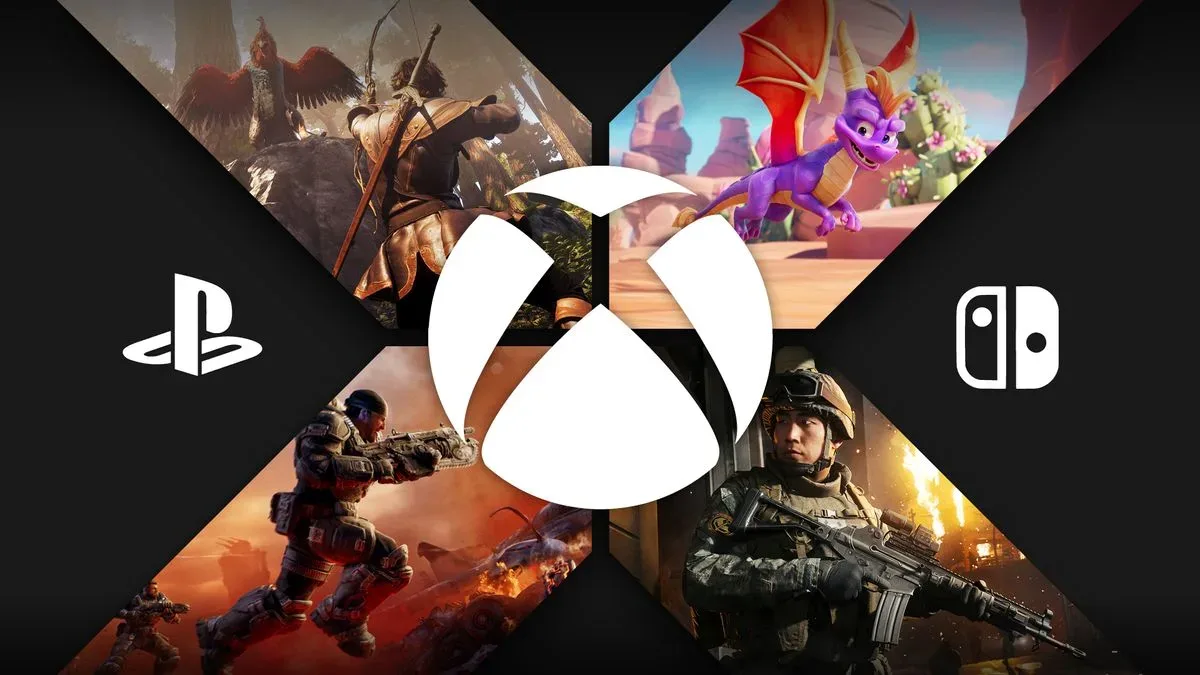
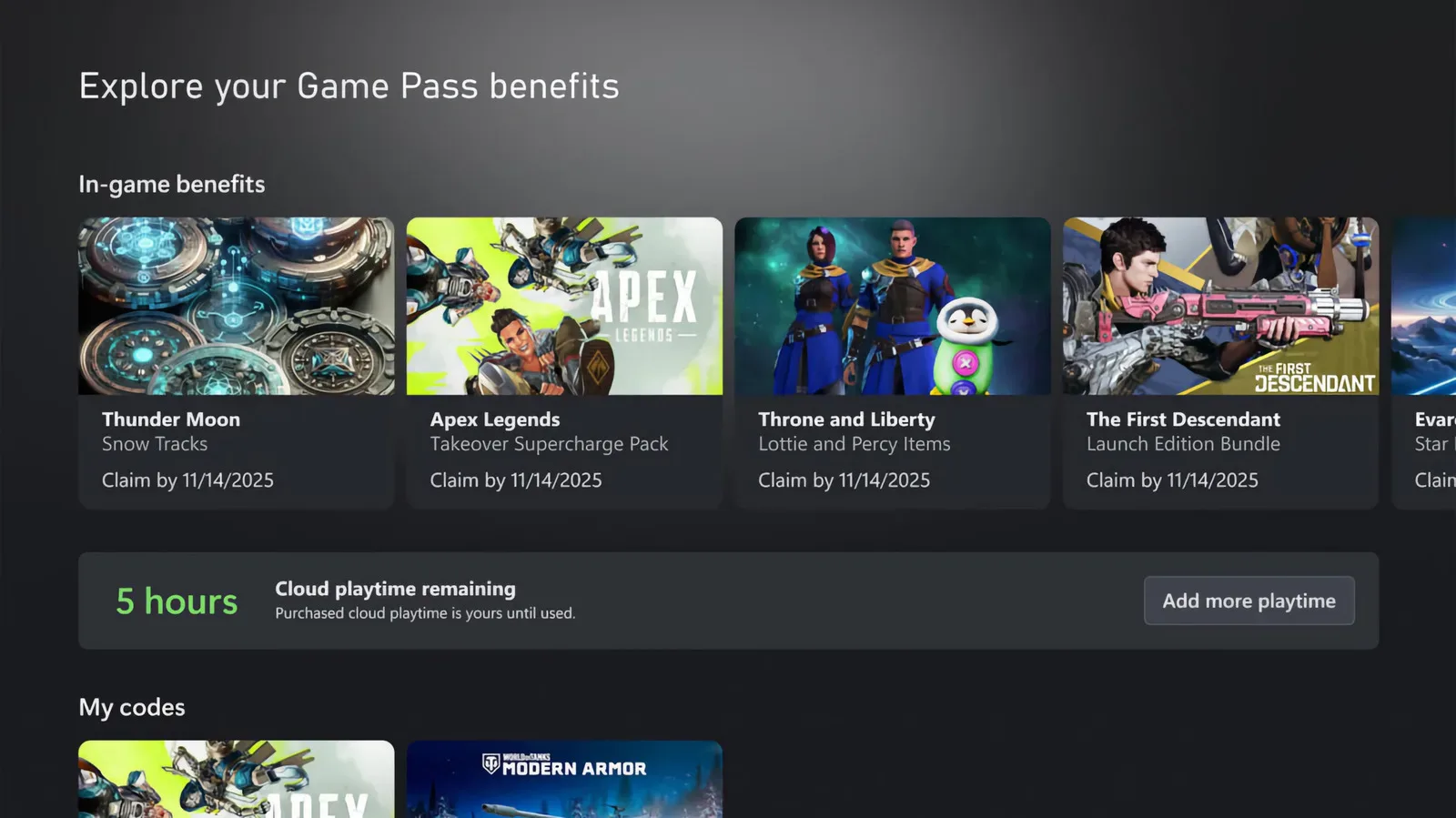
That history makes the current moment awkward. Microsoft has expanded Xbox into PC gaming and cloud services while continuing to publish games broadly. Its Play Anywhere promise naturally reaches more people by making games available across more devices. But availability alone is not the same as a reason to select Xbox over another storefront, console or PC setup.
Related coverage includes Xbox Faces a Defining Question as Project Helix Takes Shape.
Kimmich’s criticism is that Xbox has attempted to be universally available without making the Xbox layer indispensable. His comparison point is Steam, which has concentrated on the PC customer. The issue is not that a PC-friendly Xbox is inherently misguided; it is whether Xbox Mode, the PC store, Game Pass, cloud play and console hardware combine into a coherent proposition that is not simply Windows plus somebody else’s shop.
Why Steam is the uncomfortable comparison
The sharpest line in Kimmich’s argument is also the easiest to understand: an Xbox that is chiefly useful for starting Steam would be subsidizing Valve’s cash register. It is deliberately blunt, but it describes a practical commercial problem.
If Helix lets players buy hardware, sit on an Xbox-branded interface and then make most purchases through another store, Microsoft could provide the device and user experience while a third party captures much of the commercial relationship. That would leave Xbox with a less clear role in the transaction it helped enable.
Steam is not merely a launcher in this discussion. It represents a mature PC ecosystem with an established store, customer library, discovery systems and developer reach. A launcher is the software that starts games and can organize a library, but a platform is broader: it is the set of services, rules and relationships surrounding those games. Kimmich’s concern is that a launcher without a valuable wider platform can become a decorative doorway to someone else’s business.
The same logic applies to Windows. If XboxOS offers no meaningful benefit over standard Windows and Xbox Mode offers nothing distinct from Steam, the argument for a separate Xbox platform becomes hard to sustain. Kimmich says Microsoft must own a “scarce layer” that players, developers and hardware makers actively value. In plainer terms, Xbox needs to offer something that cannot be replicated simply by installing familiar software on a PC.
That does not require isolating Helix from PC games or outside stores. Rather, it requires Microsoft to decide what it wants its own layer to accomplish. Kimmich’s proposed doctrine is to stabilize the console as a reference device while turning Xbox Mode into a coherent XboxOS across Windows machines and third-party hardware. The store, Game Pass, cloud gaming, mobile efforts and first-party releases would then reinforce that core promise instead of pulling in separate directions.
The stakes are especially high because the hardware market is described as difficult, with AI demand contributing to pressure on the broader component environment. Kimmich sees an unclear, PC-focused Helix as vulnerable to being overshadowed by third parties on its own turf. A premium-priced device with no distinct benefit would make that risk impossible to ignore.
The messaging problem behind “This is an Xbox”
Kimmich also revisits the “This is an Xbox” campaign. He believes the underlying idea was worth pursuing: Xbox could be more than one console. But in his assessment, the messaging did not match a sufficiently clear product experience or promise. The campaign therefore became an example of Xbox’s broader identity problem rather than a solution to it.
There is an important tension here. “Play anywhere” is consumer-friendly language. Players benefit when purchases, saves and access follow them across devices. Yet a platform still needs a center of gravity. If everything is Xbox, the name may describe an audience reach strategy rather than a product identity. Kimmich argues that Xbox has too often allowed that ambiguity to remain unresolved.
For people who already own Xbox libraries, the practical questions are straightforward: Will Helix make ownership easier to understand? Will games and purchases move reliably between devices? Will the Xbox Store be a credible destination on PC? Will the console interface be a meaningful advantage in the living room? None of those questions is answered merely by confirming that PC games can run.
Developers face a related set of questions. A coherent Xbox platform could offer faster publishing, useful tools, a large reachable audience and predictable commercial policies. A muddled platform creates duplication and uncertainty: another store, another launcher, another technical target, but without an obvious customer or business upside.
Microsoft has major services already in its orbit, including Azure and PlayFab. Azure is Microsoft’s cloud-computing infrastructure, while PlayFab provides back-end services used by game developers. Kimmich argues these assets could be applied more effectively if they served a clearly defined Xbox platform strategy. The existence of large technical resources alone, however, does not settle the customer-facing case for Helix.
What Kimmich says to watch over the next two years
Kimmich outlines a concrete set of signals for the next 12 to 24 months. He wants Microsoft to demonstrate third-party XboxOS devices, growing use of Play Anywhere and the PC Store, and Disc to Digital moving into Helix. He also highlights meaningful development in Minecraft’s creator economy, faster publishing processes for developers, clarity on the relationship between Battle.net and the Xbox Store, and an exclusivity policy stable enough to survive beyond a single reporting cycle.
Each marker tests a different part of the platform argument. Third-party XboxOS devices would indicate that hardware makers see value in the software layer. Greater Play Anywhere and PC Store use would suggest customers are actually choosing Microsoft’s commerce and ownership systems. A decision on Battle.net would help clarify how Microsoft intends to manage overlapping PC-game storefronts and communities. Consistent exclusivity rules would tell players and partners what an Xbox release means.
The Minecraft creator economy point is also revealing. A creator economy is the system through which players make, share and potentially earn from user-created content. Progress there would show that Xbox is thinking beyond game launches toward long-term participation, tools and commerce. That is platform work, not merely publishing work.
Kimmich’s negative indicators are just as specific: a costly Helix without a clear selling point, an Xbox launcher that chiefly feeds rival stores, weakened stewardship of major properties, and money flowing back into Microsoft without being meaningfully reinvested in Xbox. His comments arrive amid layoffs and studio consolidation, closures and spinoffs, developments he says risk turning a promised platform into a portfolio managed primarily for extraction.
Halo is part of that concern. The series, long identified with Xbox, has moved under Activision after Halo Studios was dismantled following the PC, Xbox and PlayStation 5 release of Halo: Campaign Evolved. For Kimmich, moves involving cornerstone franchises are not just organizational charts; they are evidence that can either strengthen or erode the sense of Xbox as a unified platform.
There is no guaranteed answer in Kimmich’s argument, and Helix has not yet had to make its full case to customers. But it lays out a useful standard for judging what comes next. Compatibility is not identity. Reach is not loyalty. And a console that can do everything still needs a compelling reason to be the thing people choose first.
For a recent reminder that PC storefronts remain a major part of the games conversation, see our coverage of the GOG Autumn Sale and its PC game discounts.