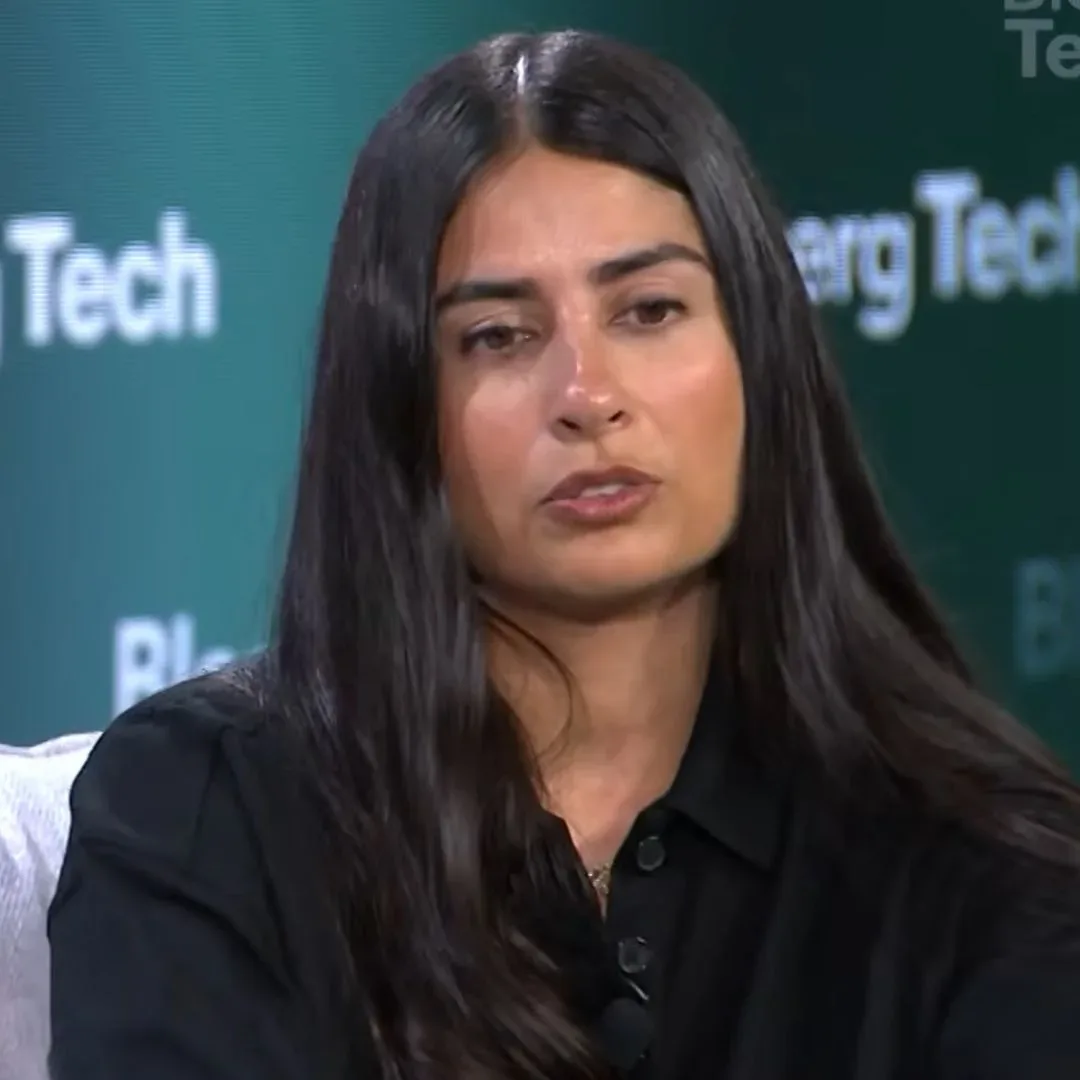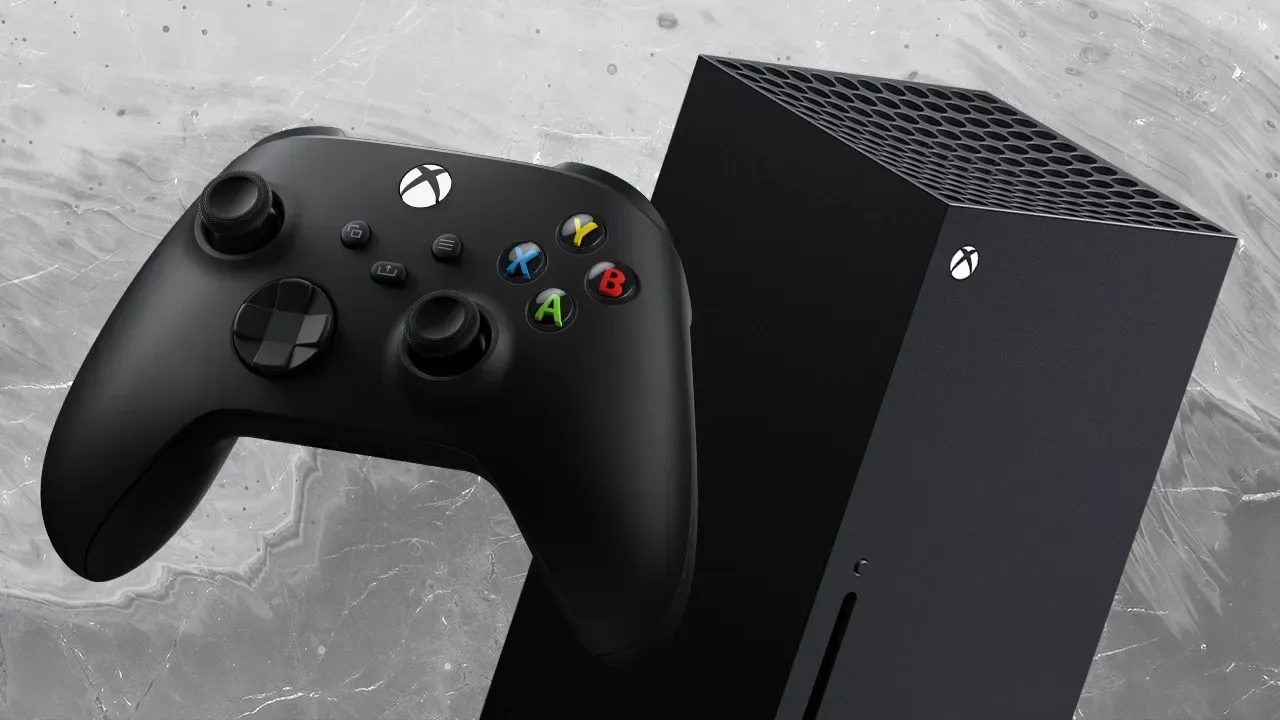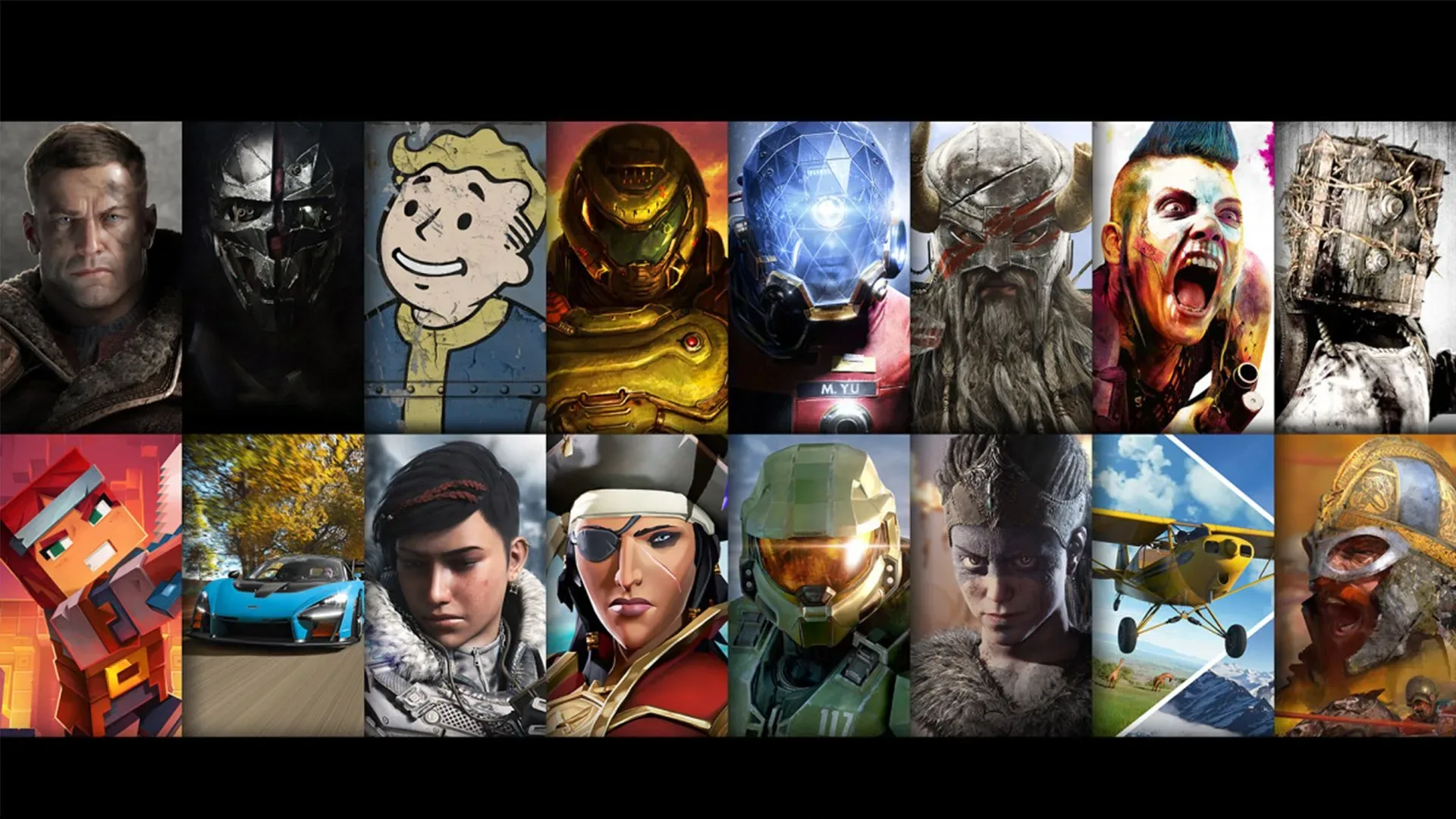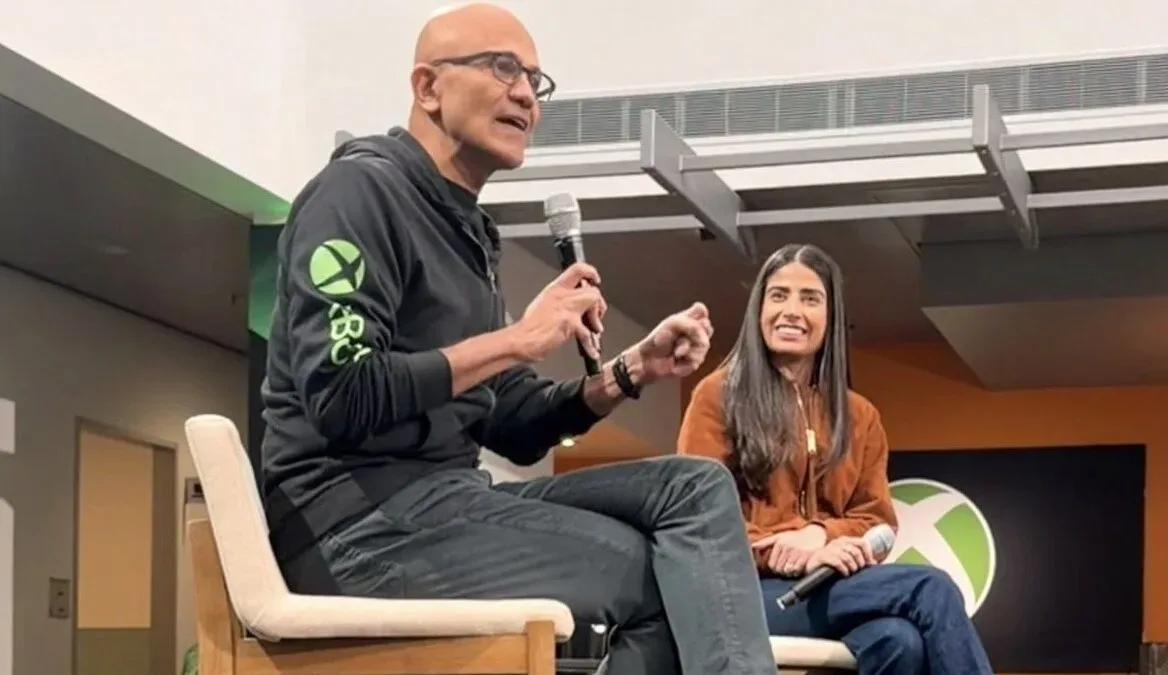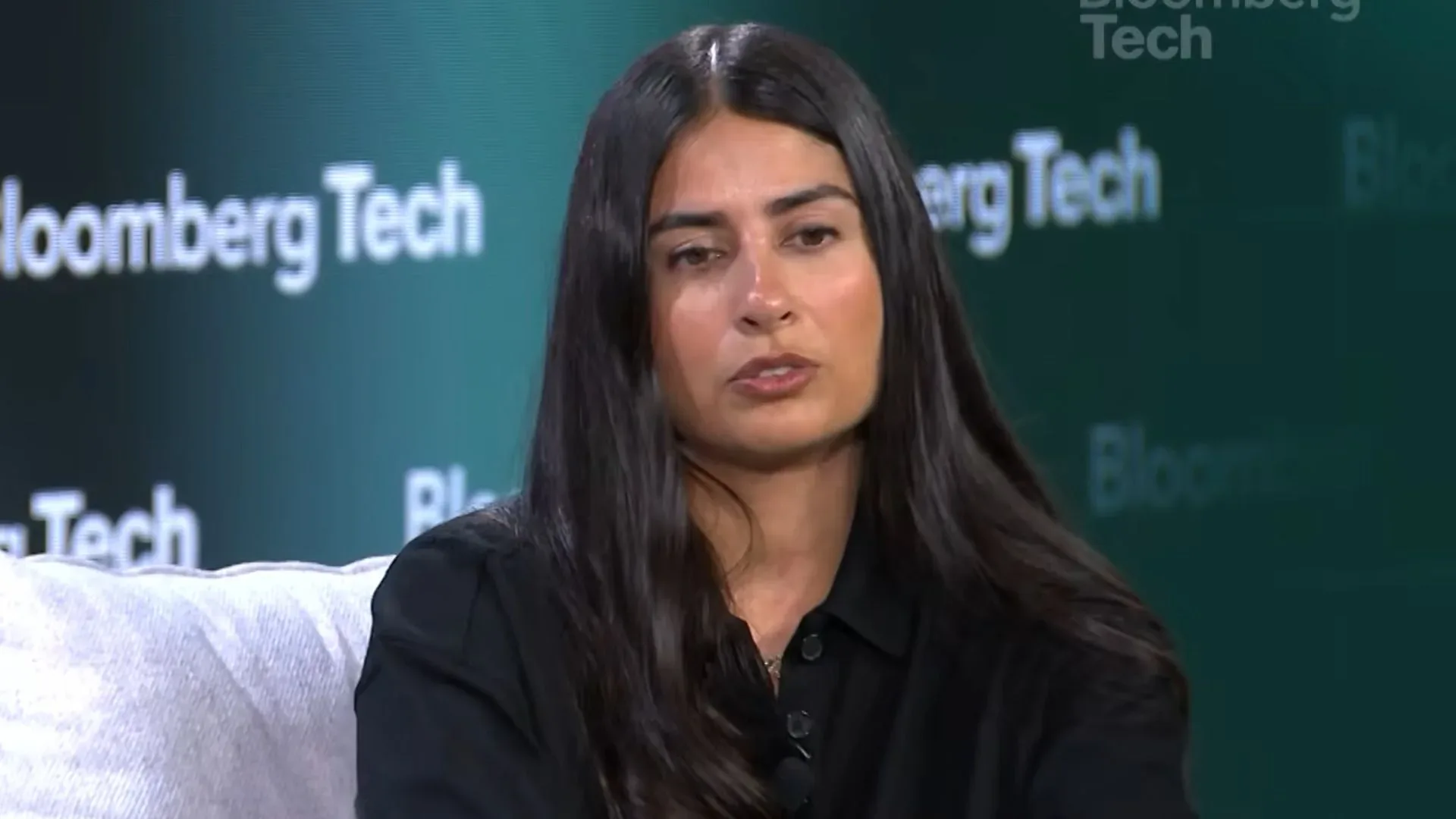
Xbox CEO Asha Sharma has said plainly that Xbox is “not for sale”, addressing speculation that Microsoft could separate or sell its gaming business during a sweeping period of restructuring.
“Xbox is not for sale,” Sharma said. “We will do whatever it takes to set the company up for success, and we will look at the right partnerships, the right operating model and everything needed to achieve that.”
The statement is significant because it provides the clearest public denial yet of a potential divestiture while still leaving room for substantial change inside the Xbox organization. Sharma’s wording does not describe a fixed plan for the business’s structure. Instead, it frames Xbox’s current direction around flexibility: partnerships, an operating model, and whatever other changes management believes are necessary to improve its prospects.
That distinction matters. Saying a division is not for sale rules out one particular outcome; it does not mean the division will look, operate, or employ people the same way in the future. Xbox is in the middle of what Sharma has called the company’s most significant restructure in its history, with job losses, canceled games, studio closures, and reduced teams all forming part of the reported picture.
What Sharma’s denial does—and does not—settle
Rumors earlier this year suggested Microsoft had considered a spinout or a restructuring that could place Xbox in a wholly owned subsidiary before a possible sale. A spinout generally means separating a business unit from its parent’s main corporate structure. A wholly owned subsidiary, by contrast, remains fully owned by the parent company but can have a distinct legal and operational identity.
Neither concept necessarily means an immediate sale. Companies can use separate subsidiaries to organize finances, management, partnerships, reporting, or long-term strategy. But the possibility of either route naturally prompted questions about whether Microsoft’s commitment to the games business was changing.
Sharma’s comments address the ultimate question directly: Xbox is not being sold. Yet her reference to examining the “right operating model” indicates that organizational questions remain active. There is no detail here on what model Xbox will ultimately adopt, which partnerships might be considered, or which parts of the operation could be affected.
For players, that means the statement is a reassurance about ownership, not a complete roadmap for hardware, game releases, subscriptions, studios, or platform strategy. It is sensible to separate those subjects rather than treating a no-sale declaration as a promise that every existing Xbox initiative will continue unchanged.
Related coverage includes Xbox CEO Says Gaming Business Is "Not for Sale" Amid Restructuring Rumors.
A restructure measured in jobs, studios, and canceled work
The background to Sharma’s comments is unusually severe. Xbox is expected to see 3,200 people lose their jobs by the end of the current fiscal year. In July, 1,600 workers were laid off as Sharma announced the major restructure. A further roughly 250 employees were let go in September, alongside cuts involving The Coalition, the studio behind Gears of War, and World’s Edge, the developer associated with Age of Empires.
Beyond headcount, studios have reportedly been closed and games canceled. Halo Studios has also reportedly been reduced to a skeleton crew. Those are consequential changes because game development depends on specialized teams and lengthy production timelines. A studio can be more than a brand name; it is also a collection of staff, tools, institutional knowledge, leadership structures, and projects at different stages of production. When a team is cut back or shut down, the effects can extend beyond one cancellation.
At the same time, the evidence available does not specify which future projects remain in development, how individual teams will be staffed after the restructure, or how the reorganization will affect Xbox’s release schedule. The clearest established point is the scale of the reset, not a comprehensive account of its eventual creative output.
Profitability is the stated pressure point
Management’s explanation is centered on creating a sustainable and profitable Xbox. Sharma said the process could take years and described Microsoft as taking a long-term view.
“We’ve got a long way to go with Microsoft,” Sharma said, “and we’re going to take the long-term view.”
That long-range framing sits beside a more urgent internal concern. An id Software employee said the only concrete message communicated internally was that Xbox needed higher profits “and they want it now.” Taken together, the remarks illustrate the difficult balance facing the organization: improve financial results quickly while attempting to build a business designed to last.
Sustainable profitability is not simply a one-quarter target. In plain terms, it means an operation should be able to generate more value than it costs to run over time, without depending on continual emergency cuts or short-lived gains. In games, pursuing that goal can influence decisions about staffing, project scope, distribution, licensing, platform support, subscriptions, and outside partnerships. The precise mix Xbox will choose has not been outlined here.
The immediate pressure is easier to see than the detailed remedy. A large restructuring often aims to lower costs and simplify management. But reductions can also make it harder to maintain a broad development pipeline, particularly when teams are already being asked to create high-budget games over long cycles. That is an analysis of the tension inherent in the stated goals, not confirmation of a particular upcoming Xbox policy.
Hardware, multiplatform efforts, and the unanswered strategy question
Xbox has dealt with sluggish hardware sales for years. It also pursued a multiplatform shift connected to Xbox Game Pass, but that pivot did not materialize as hoped. These two points help explain why the debate is larger than whether the Xbox name remains under Microsoft ownership.
Multiplatform means releasing games across more than one platform rather than reserving them for a single console ecosystem. The approach can potentially reach more players, but it also changes the role of exclusive software in encouraging consumers to buy particular hardware. Game Pass, meanwhile, is central to Xbox’s broader subscription-based strategy. A subscription model is often evaluated differently from a one-time sale: the business must consider ongoing membership, engagement, content costs, and the role games play in retaining customers.
The material available does not establish why the effort failed to meet expectations, nor does it reveal whether Xbox will abandon, expand, or rework its multiplatform ambitions. Sharma’s promise to explore partnerships and operating models does, however, make clear that the company is not presenting the present arrangement as untouchable.
That uncertainty is part of why the no-sale statement will not end the conversation. Ownership is one issue; strategic identity is another. Xbox can remain a Microsoft business while materially changing how it funds games, distributes them, organizes studios, or approaches hardware. A recent discussion of Xbox’s strategic crossroads reflects how closely that second question is being watched.
Why the language around partnerships deserves attention
“Partnerships” is broad corporate language, and no specific arrangement was named. It should not be read as confirmation of any particular deal, hardware collaboration, publishing agreement, or studio transaction. Still, Sharma singled it out alongside operating-model changes, which suggests outside relationships may be part of the search for a more viable Xbox business.
Partnerships can take many forms in the games industry, including publishing, development support, technology, distribution, or access to new audiences. The source material does not identify which of those possibilities, if any, Xbox is actively pursuing. The useful takeaway is narrower: management says it is willing to consider structural and commercial options while retaining Xbox within Microsoft.
That is consistent with a company trying to preserve the value of a major entertainment business while confronting the costs and risks attached to it. It is also why definitive claims about Xbox’s final form would be premature. The CEO has answered the sale question, but not the many operational questions created by the restructuring itself.
What to watch next
The most meaningful follow-up will be concrete information rather than further speculation: how Microsoft defines success for Xbox, what the long-term operating model becomes, whether additional partnerships are announced, and how the remaining teams and projects are positioned after the cuts.
For now, the confirmed message from Xbox leadership is straightforward. Microsoft is not selling Xbox. The business is nevertheless being reshaped under intense profitability pressure, following major layoffs, canceled projects, and studio disruption. Sharma is asking observers to judge the process over a longer horizon, even as employees face an immediate demand for higher profits.
That leaves Xbox in a notably uncertain but not ownerless position: still part of Microsoft, still subject to a profound reset, and still without a fully public explanation of what its next stable form will be.