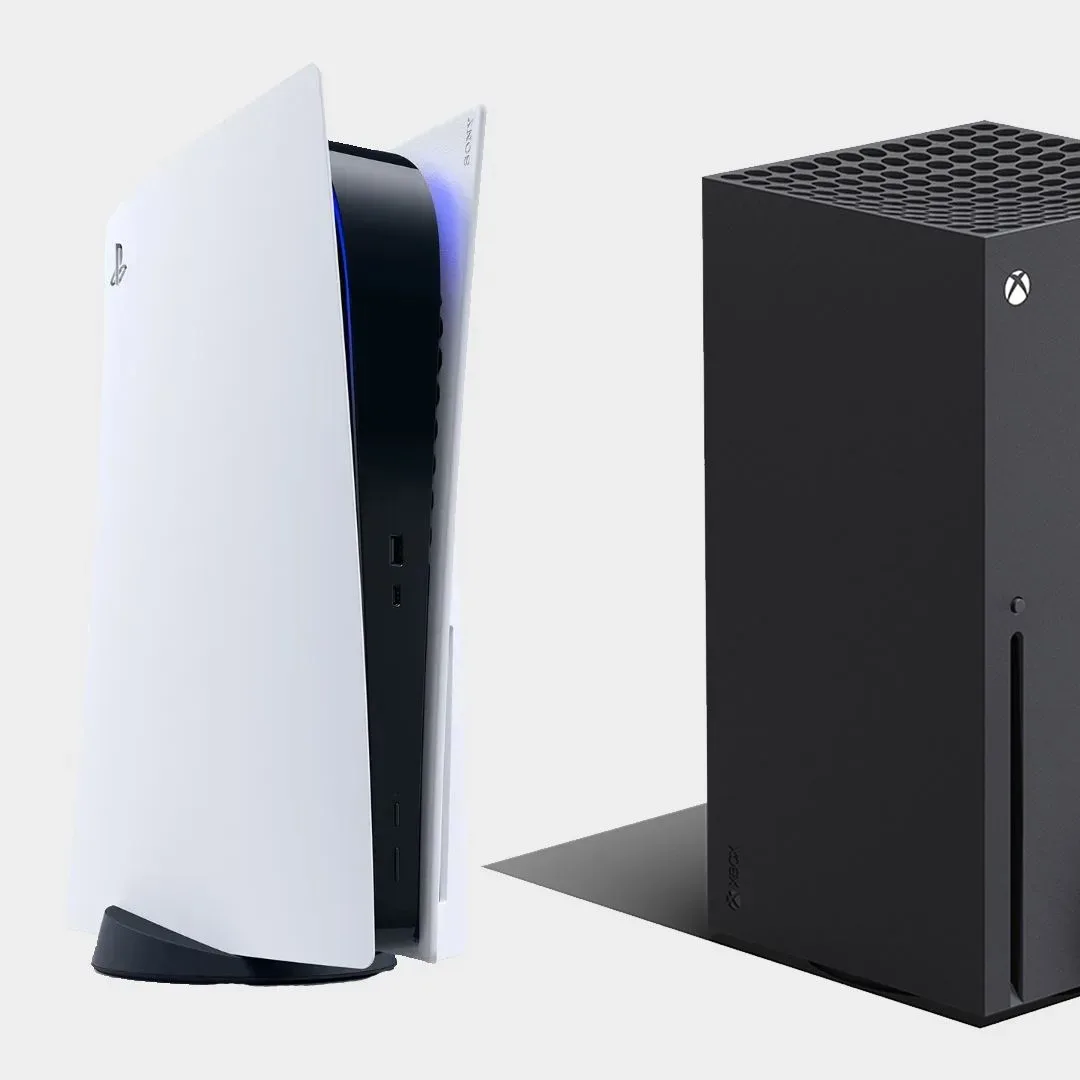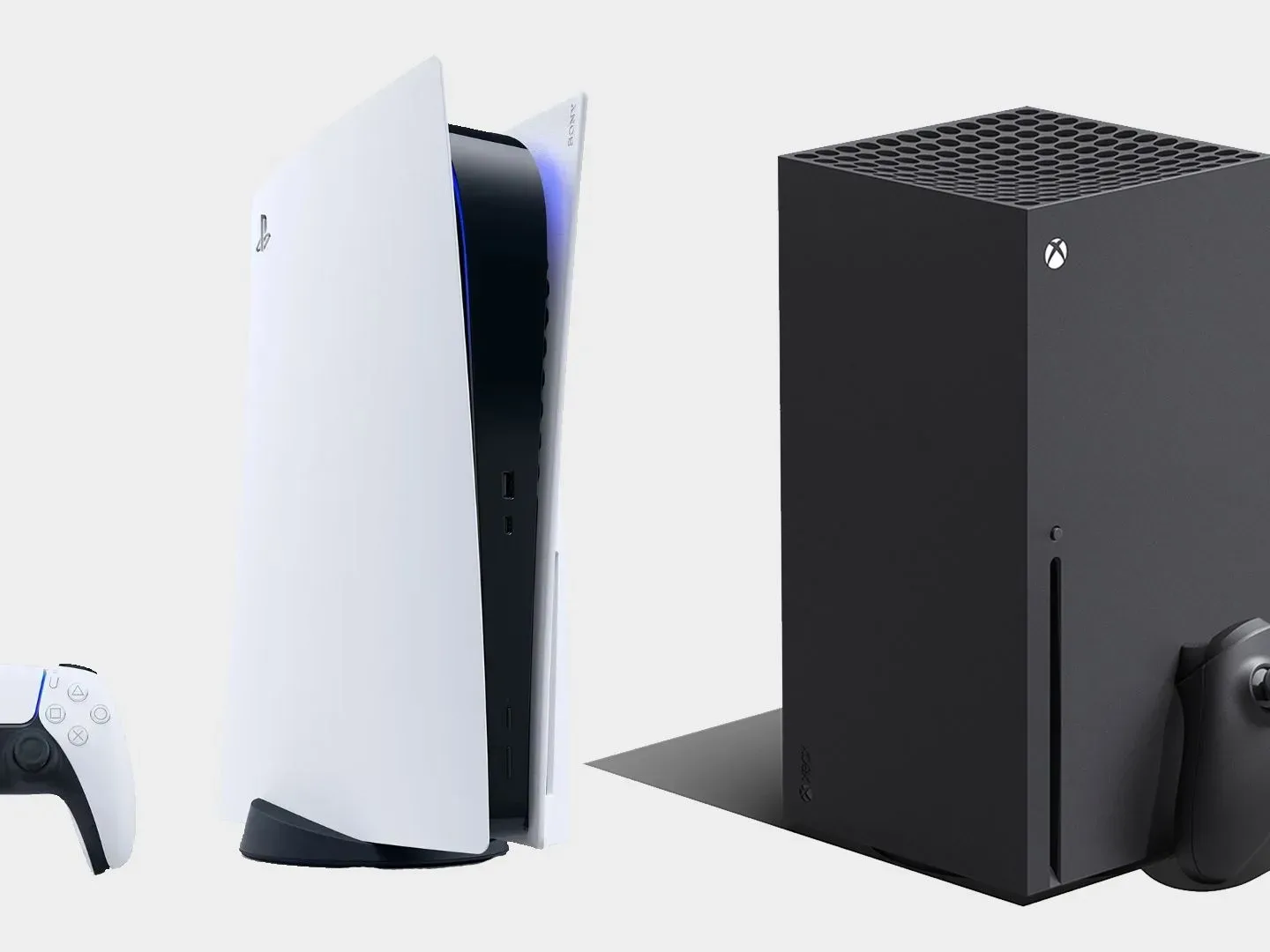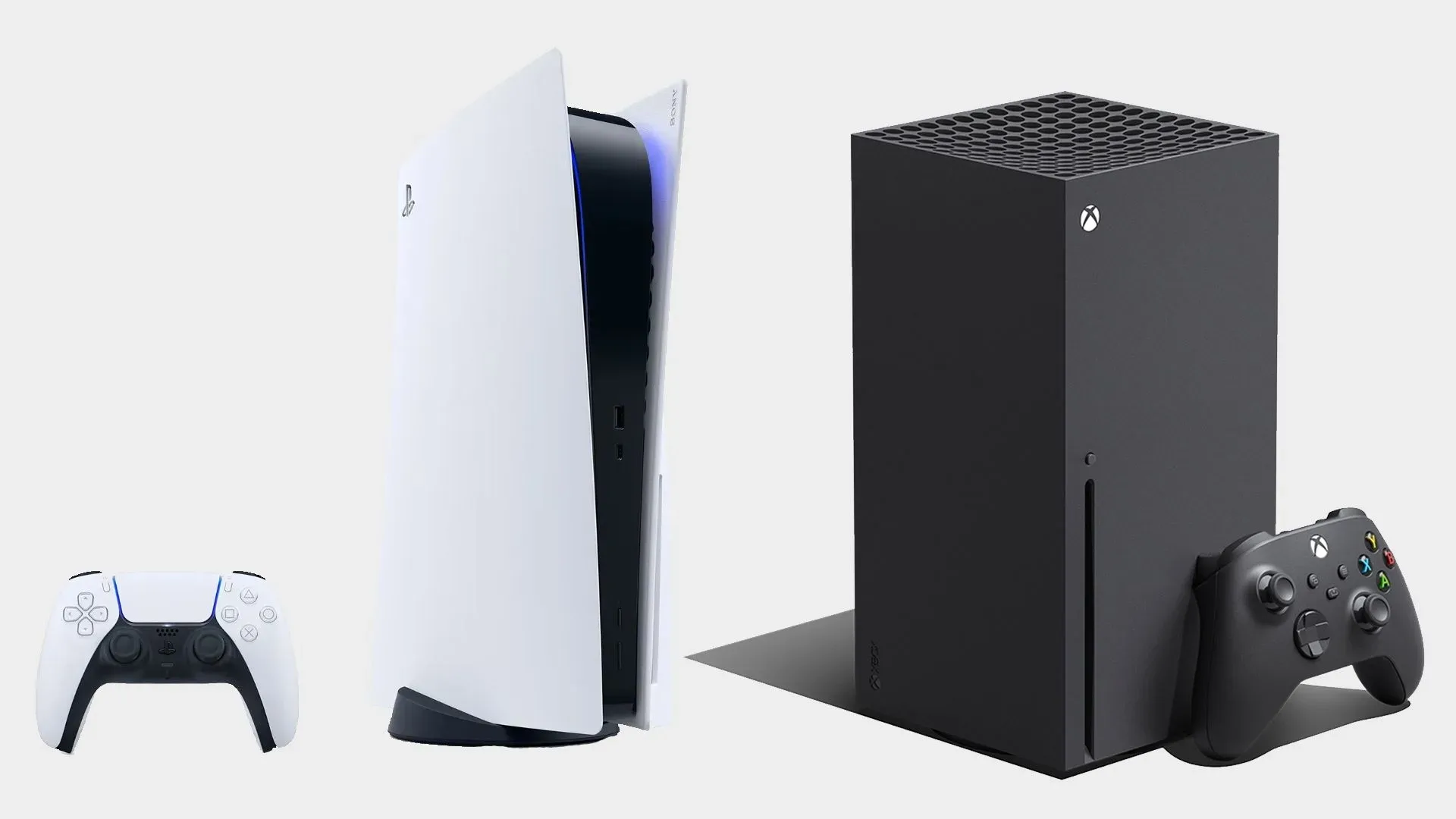
The US console business is entering the holiday stretch with a problem that no firmware update can patch: buying the hardware has become much more expensive. Fresh retail-tracking figures through August 2026 show both Xbox and PlayStation console unit sales declining year over year as the average price paid for each brand reaches an all-time US high.
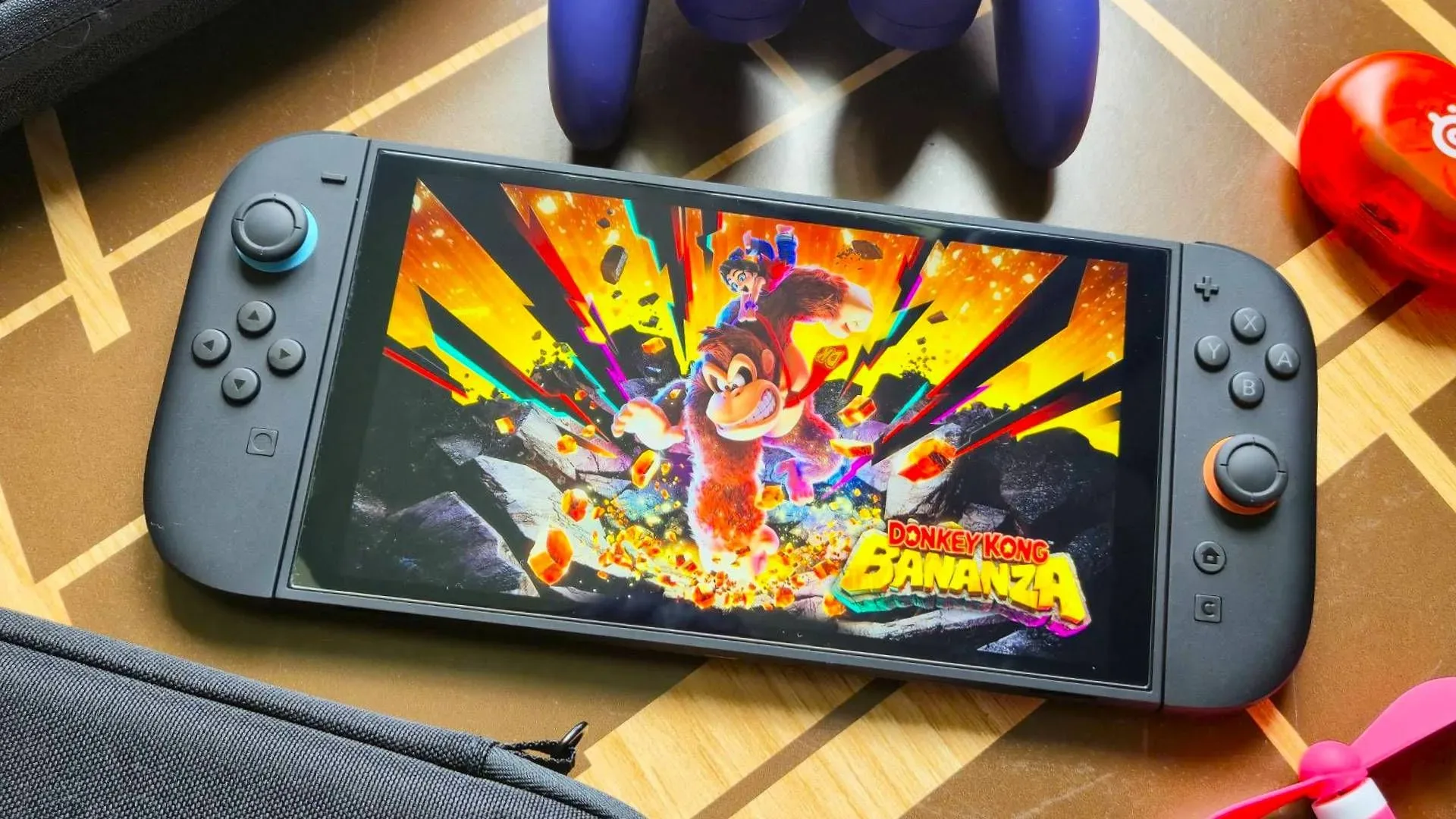
The central issue is not difficult to spot. RAM shortages and tariff-driven hardware cost increases have coincided with multiple price rises from Sony, Microsoft and Nintendo in less than two years. A new PS5 Pro is priced at $900, the disc version of Xbox Series X is $800, and Nintendo’s base Switch 2 is $500 following its second price increase. Those figures do not make any one purchase decision for consumers, but they dramatically change the starting point for anyone considering a current-generation console.
Mat Piscatella of Circana described the resulting market as increasingly constrained by price sensitivity: the likelihood that shoppers will delay, change or abandon a purchase as its price rises. It is a plain term for an increasingly plain consumer calculation. A console might be desirable, but the entry price can still exceed what a household is willing or able to pay right now.
The numbers behind the pressure
For the 2026 year to date ending in August, US Xbox hardware unit sales were down 33% from the same period a year earlier. PlayStation hardware unit sales fell 25%. Xbox’s year-to-date US hardware-unit result is at an all-time low, while PlayStation is at its lowest point since 2013.
Average selling prices moved in the opposite direction. The average price paid for a new Xbox console in the same year-to-date period was $529, 26% higher than the prior year. PlayStation’s average was $597, a 20% increase. Both are record US highs.
Those are averages, not a claim that every model costs those exact amounts. That distinction matters. An average selling price reflects the mix of products consumers actually bought during the period. Higher-priced models, price increases across a lineup, and fewer lower-cost options can all push that number upward. But the direction here is unmistakable: shoppers are paying more on average while fewer Xbox and PlayStation units are being sold.
“Both prices are at all-time US highs. Price sensitivity is becoming a real problem.”
That diagnosis should not be confused with proof that price alone caused every unit decline. Retail results can be affected by product availability, the age of a hardware cycle, consumer demand and the mix of machines on store shelves. Still, the timing supplies a strong practical warning: a market facing large price jumps cannot count on the same level of buyer tolerance it had at lower prices.
Related coverage includes US Console Sales Face Their Most Precarious Moment in Decades as Prices Climb.
Why the average price matters more than a headline MSRP
Sticker prices are easy to understand because they are visible in a store listing. Average selling price is useful for a different reason: it captures what customers collectively spent on new units. In this case, the $529 Xbox average and $597 PlayStation average show the cost environment being felt at checkout across each ecosystem, rather than only at the premium end.
For shoppers, that difference may be subtle but important. A consumer might see a cheaper configuration than the flagship machine, yet still confront a market in which the average purchase is becoming steadily more costly. Conversely, someone looking at a $900 PS5 Pro or an $800 disc-based Xbox Series X is seeing the upper edge of a lineup whose broader transaction prices have also climbed.
The practical implication is that console makers have a narrower path to growth. Raising prices may respond to higher hardware costs, but it also risks reducing the pool of people ready to buy. That tension is especially difficult during a period when the machines are established products rather than brand-new launches, because potential customers can choose to wait.
Waiting is not the same as leaving a platform. A player can continue using an existing console, hold out for a promotional period, or defer a purchase until a specific release gives them a reason to upgrade. But each delayed purchase lowers the immediate hardware tally and makes sales less predictable. The industry’s challenge is therefore not merely to persuade people that a console is valuable; it is to persuade them that it is valuable at today’s price.
A major November game could help, but it cannot solve every constraint
Piscatella suggested that a major game expected in November could ease some of the declines. The possibility is logical: a huge release can create urgency around a platform purchase, bring dormant buyers back into stores and focus attention on the current console generation. Hardware sales often benefit when consumers see a particular game as a reason to buy now rather than later.
Yet the same assessment included two major caveats: availability and pricing. A must-play release cannot fully convert interest into hardware sales if systems are hard to find, and it cannot erase the effect of a price point that causes buyers to pause. A blockbuster can be a catalyst, not a guarantee.
That makes the coming period a test of conversion. There may be substantial enthusiasm for software, but console manufacturers and retailers need the right hardware stock and a price proposition that buyers will accept. The difference between those factors matters. Demand for a game can be high even when a consumer decides to play on hardware they already own, or decides that purchasing a new machine can wait.
The broader industry is also dealing with a component crisis cited alongside the RAM shortage. The available information does not establish when those pressures will ease, so any prediction of imminent console price relief would be speculation. For shoppers hoping that prices will quickly reset to earlier levels, the evidence does not support confidence in that outcome.
“Precarious” is a warning, not a declaration of a crash
Piscatella’s comparison is deliberately severe: the US hardware market has not been in a more precarious position since the early 1980s. The obvious historical frame is the 1983–1985 US video game crash, when revenue attributed to US home-video-game sales fell from roughly $3.2 billion in 1983 to $100 million in 1985—a 97% drop.
Today’s figures do not describe that kind of collapse. The current evidence is about weakening unit sales for Xbox and PlayStation, record-high average prices, and pressure from component shortages and tariffs. Treating the comparison as a claim that the market has already repeated the 1980s crash would overstate what the data says.
What “precarious” usefully communicates is vulnerability. The market is exposed to several difficult conditions at once: higher costs, repeat price rises, falling unit sales and uncertainty over supply. A major software launch could improve the picture, while product availability and pricing could limit the improvement. None of those forces operates in isolation.
There is a broader entertainment-business lesson in that mix. Big products can drive attention, but attention does not automatically overcome affordability. Similar questions about cost discipline and consumer choice are surfacing across media businesses, as explored in a look at a major studio reset and its implications for film output. In consoles, the immediate version of that question is particularly concrete: how much can the gateway device cost before potential players decide the gateway can stay closed for now?
What consumers should realistically expect
Nothing in these numbers proves that every buyer should postpone a console purchase. Individual needs differ, and a particular platform, game library or hardware configuration may still be worth the asking price to a given household. The figures do, however, suggest that consumers are responding to higher prices as a meaningful constraint—not simply absorbing them without changing behavior.
For people who are not in a hurry, large sale periods may be the most plausible opportunity for relief. The present market conditions offer no basis to assume permanent reductions are close, and supply conditions remain a factor. A temporary promotion, where available, is different from a structural reversal in hardware pricing.
For the console business, the next few months will reveal whether software excitement can offset the hesitation implied by the sales data. Xbox and PlayStation start from steep year-over-year unit declines through August; Nintendo is also selling a system whose base price has increased twice. The industry is not being judged solely on how exciting its next games look. It is being judged at the register.
That is why the record averages deserve as much attention as the premium model price tags. The $900 PS5 Pro and $800 Xbox Series X disc model are striking symbols of the shift. The $597 PlayStation and $529 Xbox average selling prices show that the pressure is broader than a niche upgrade tier. With buyers becoming more price-sensitive, the holiday question is no longer just which game will be biggest. It is how many players will decide that a new console is still within reach.