Shuhei Yoshida, the former president of Sony Interactive Entertainment Worldwide Studios, believes Sony and Nintendo may have a strong reason to resist the usual hurry toward a fresh console cycle: players may simply not need, or want to pay for, another major hardware upgrade yet.
In a recent discussion about the business models and pricing questions facing console makers, Yoshida argued that platform holders should try to make the current generation last as long as possible. His reasoning was direct. He sees players as satisfied with PlayStation 5 and Switch 2, while the cost of components used in consoles and gaming PCs has risen sharply.
“People have a finite budget,” Yoshida said, arguing that owners of a PS5, Switch 2, or a sufficiently capable PC may be content to continue playing on what they already own rather than replacing it.
The comments are not a report of new plans from Sony or Nintendo. They are an informed view from a longtime games executive, and they arrive as the conventional expectations around console timing look less certain. Sony’s major PlayStation generations have historically been marked by new hardware roughly every six or seven years. PS5 and Xbox Series X|S will turn six in November, which puts the familiar next-generation conversation within sight. But a familiar timetable and a sensible timetable are not necessarily the same thing.
The case for staying put
A console generation is the period in which a platform holder supports a particular machine as its primary hardware target. Traditionally, a new generation has provided a clean reason to buy in again: substantially stronger processors and graphics capabilities, newer storage technologies, different controller features, and games that are no longer designed around the limits of the older box.
Yoshida’s argument questions whether that rhythm still maps neatly onto what players and developers need. “More power” is often treated as the automatic answer in hardware discussions. Yet he said he does not think large numbers of consumers are demanding it, and he also does not believe developers are broadly calling for better hardware as an urgent requirement.
That distinction matters. Raw performance is only one part of a gaming platform’s value. A player’s decision to stay with a console can also be shaped by the games they already own, familiar online services, accessories, friends lists, time constraints, and the simple fact that their existing system still delivers the experience they want. If the improvement offered by a new machine does not feel essential, a higher price can make waiting feel like the rational choice.
The same calculation applies on PC, where upgrading is often more flexible than replacing a console but can still be expensive. Yoshida used his own PC as an example: he bought it five years ago and considered another upgrade, only for a price increase to arrive before he made the purchase. He said he was late to replace it and wished he had acted a year earlier, before costs surged.
Related coverage includes Shuhei Yoshida Says PS5 and Switch 2 Could Benefit From Longer Console Generations.
His personal experience is not proof that every player will delay an upgrade. It does, however, illustrate the consumer behavior he expects: when prices rise, people who already have usable hardware can postpone replacing it. For hardware makers, that can make a longer generation more appealing than asking their audience to buy again on a rigid historical schedule.
What “component costs” mean for a console
When Yoshida refers to the cost of goods, he is talking about the physical inputs required to build the device. For a console or gaming PC, that includes the specialized parts that make it run: processing hardware, graphics hardware, memory, storage and other electronics. These are not abstract costs. They influence how expensive it is to manufacture hardware and, in turn, how difficult it may be to set an attractive retail price.
A platform holder balancing those costs has competing priorities. It wants a new console to be powerful enough to justify a new generation. It also needs the system to be affordable enough that people will buy it in meaningful numbers. If the parts required to produce a more powerful machine are expensive, either the consumer price rises, the manufacturer accepts a tougher financial equation, or the product’s ambitions must be reconsidered.
That is why Yoshida’s point is broader than a request for companies to “wait.” A delayed generational transition can be a way to let the installed base—the number of people who already own and actively use the current systems—continue generating software sales and engagement without imposing another immediate hardware purchase.
It can also give developers a longer runway. Instead of shifting their work toward a new technical baseline immediately, studios can keep building for machines with an established audience. That does not automatically make game development easier, and Yoshida did not claim that it would. But a mature hardware base means developers have a known target and players have the devices needed to run their work.
There is a cultural side to this, too. The most visible improvements in a generation are not always the only improvements players care about. Continued software support, better use of existing hardware, and games that give people reasons to return can be more persuasive than an early invitation to replace a console. Visual enhancement remains part of the conversation—see the changing look of The Witcher 3 Remastered’s famously low-poly flying pigeons for one lighthearted example—but visual upgrades alone do not settle the question of when an entire hardware generation should end.
Nintendo’s situation is not the same as Sony’s
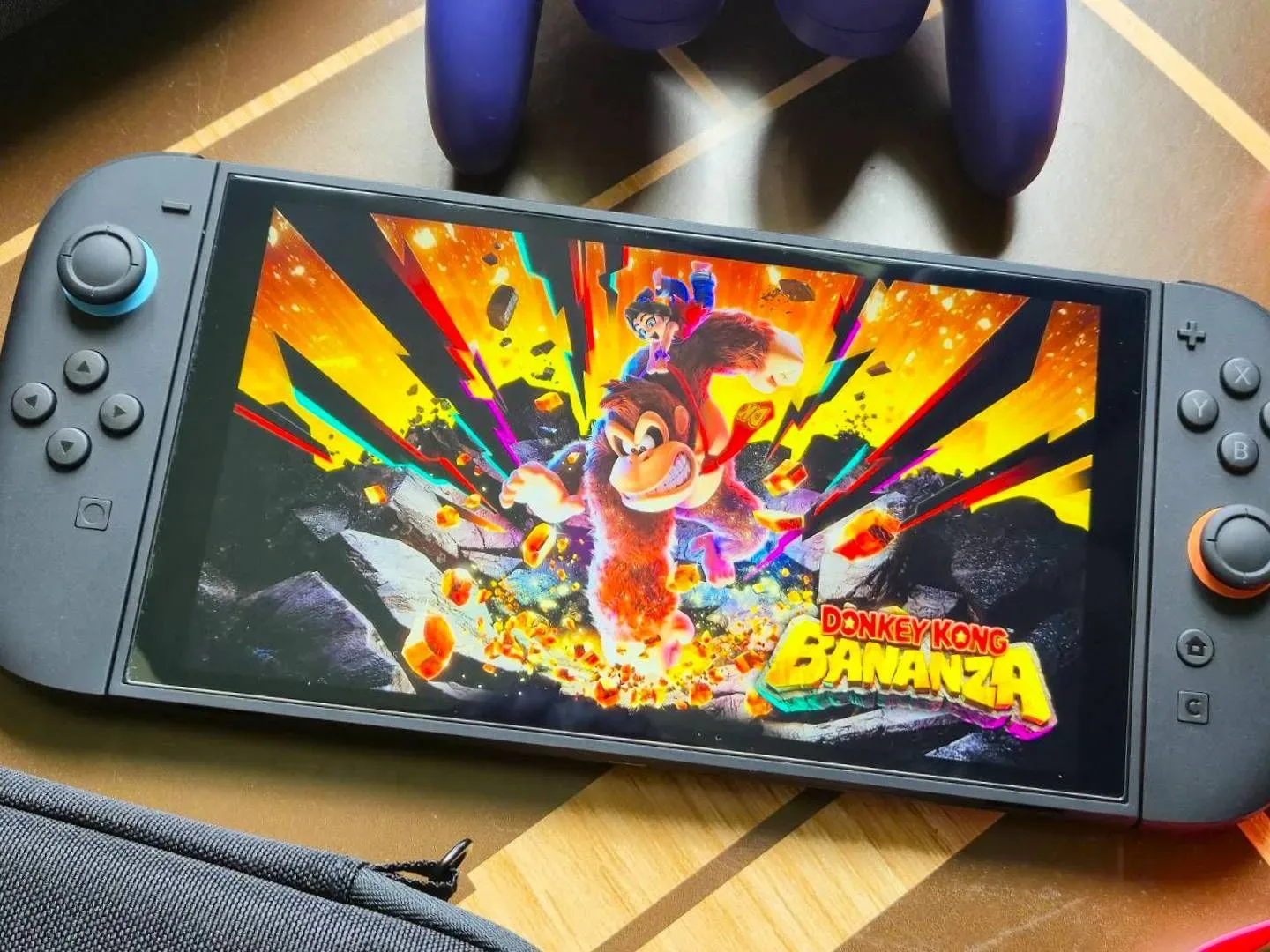
Yoshida grouped Sony and Nintendo together in arguing for longevity, but the two companies are in different stages of their respective cycles. Switch 2 only launched last year, and Nintendo is still supporting the original Switch. That makes an extended life for Switch 2 less of a break from expectation than it would be for PS5.
The continuing support for Switch 1 is also a reminder that a transition does not have to be absolute from day one. Supporting an older platform alongside a newer one can help a company reach people who have not moved on, though it can also require developers to account for more than one hardware target. The supplied information does not establish how long Nintendo intends to maintain that support or how it will organize its future releases, so those details remain open.
For Sony, the question carries a different weight because of the PlayStation brand’s historical cadence. If the next major PlayStation followed the prior six-to-seven-year pattern, expectations would point toward a relatively near arrival. A launch later than next November would be unusual by that measure. Yoshida’s comments amount to a challenge to the assumption that unusual equals wrong.
Why “people are happy” is strategically important
Yoshida’s central claim is not merely that people might tolerate their existing systems. He believes they are happy using them. That is a much stronger proposition. A platform with satisfied users has room to prioritize continuity: more games, longer support, and fewer forced purchasing decisions.
For players, a longer cycle could mean more time to get value from a PS5, Switch 2, Xbox Series X|S, or current PC before facing a new buying decision. It could also reduce the pressure to make an upgrade based solely on fear of missing the next technical leap. That does not mean every game would remain available everywhere, nor does it promise that prices will stop changing. It means the value proposition of existing hardware can remain credible for longer.
For publishers and developers, the appeal is the size and stability of the audience. A mature platform can provide a substantial pool of potential customers. At the same time, developers may eventually want capabilities that an older generation cannot provide efficiently. Yoshida’s view is that the demand for better hardware does not presently appear overwhelming, but that is an assessment of the moment—not a claim that technical ambition will never push the industry forward.
There is therefore a trade-off. Extending a generation can protect consumers from a costly transition and allow current hardware to keep earning its place. Moving to new hardware can enable new technical targets and renew excitement around a platform. The right answer depends on costs, player appetite, development needs and how effectively the current machines continue to serve their audiences.
Xbox faces a separate challenge
Yoshida said Xbox is in a different position, describing it as a team trying to change the competitive landscape. He acknowledged that this makes the task difficult, while characterizing the coming period as Xbox’s time to make its move.
That observation should not be read as a specific forecast about Xbox hardware, software, pricing, or timing. None was offered. Its importance is that console makers do not all enter the next phase with identical goals. Sony and Nintendo may be weighing the durability of successful current systems, while Xbox may be pursuing a different strategic response to the same changing market conditions.
The next year may clarify whether Yoshida’s preferred approach gains traction. His remarks set out a simple but consequential idea: an industry accustomed to selling the next box may need to place more value on the box people already own. With budgets limited and component prices elevated, the strength of the current generation may be measured less by how quickly it is replaced than by how long players remain glad to use it.