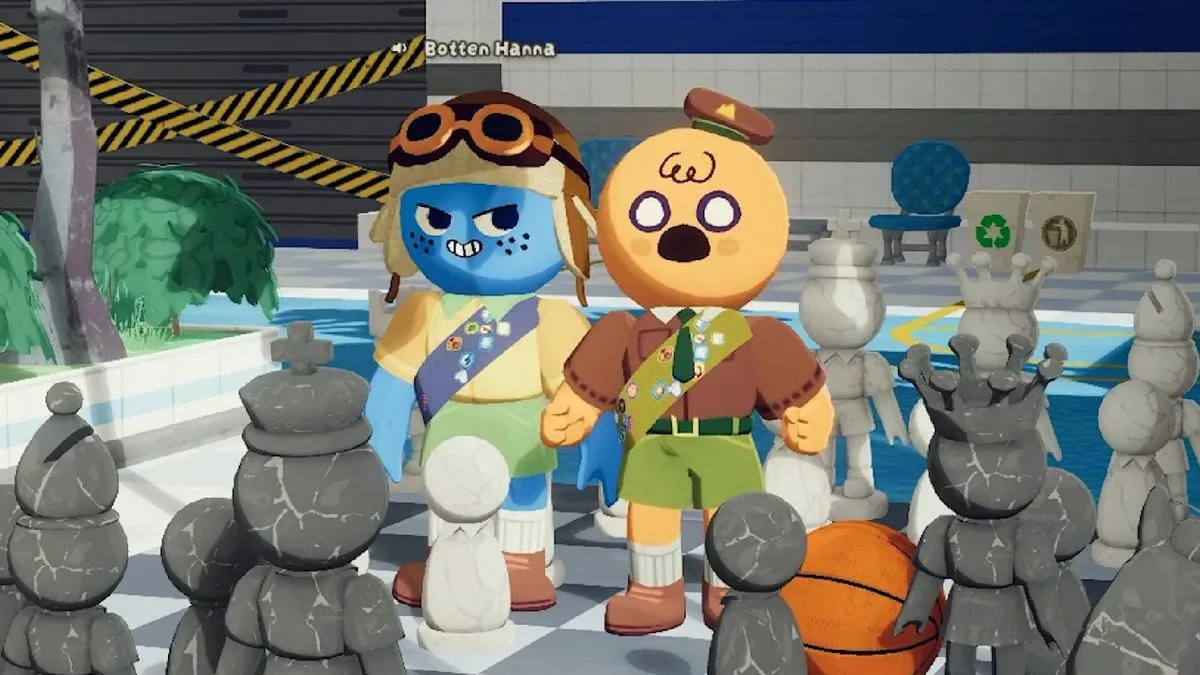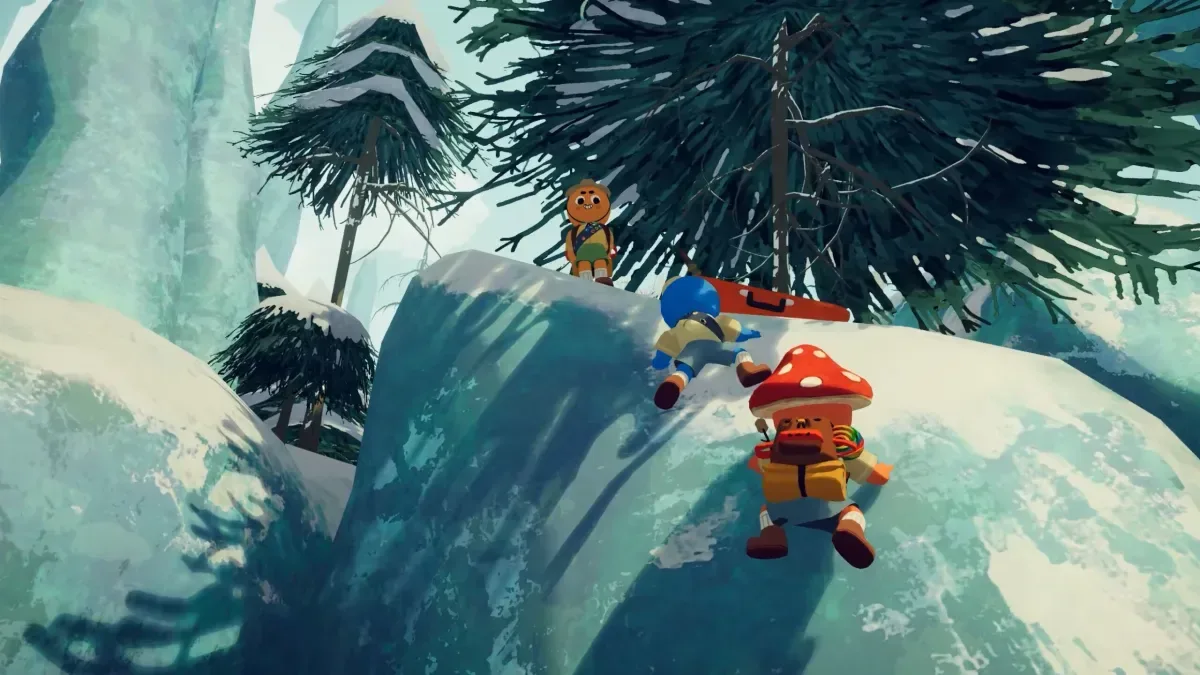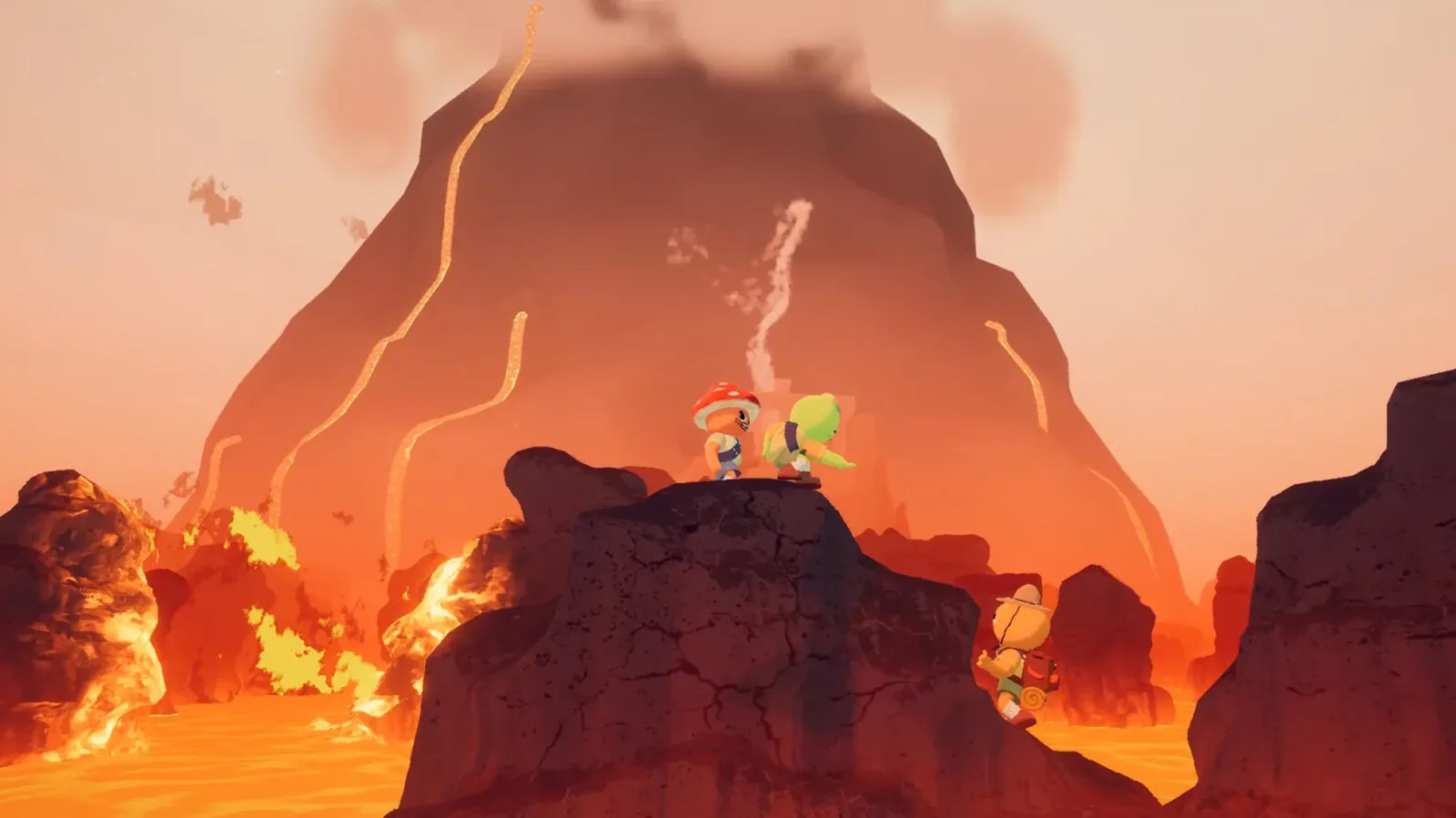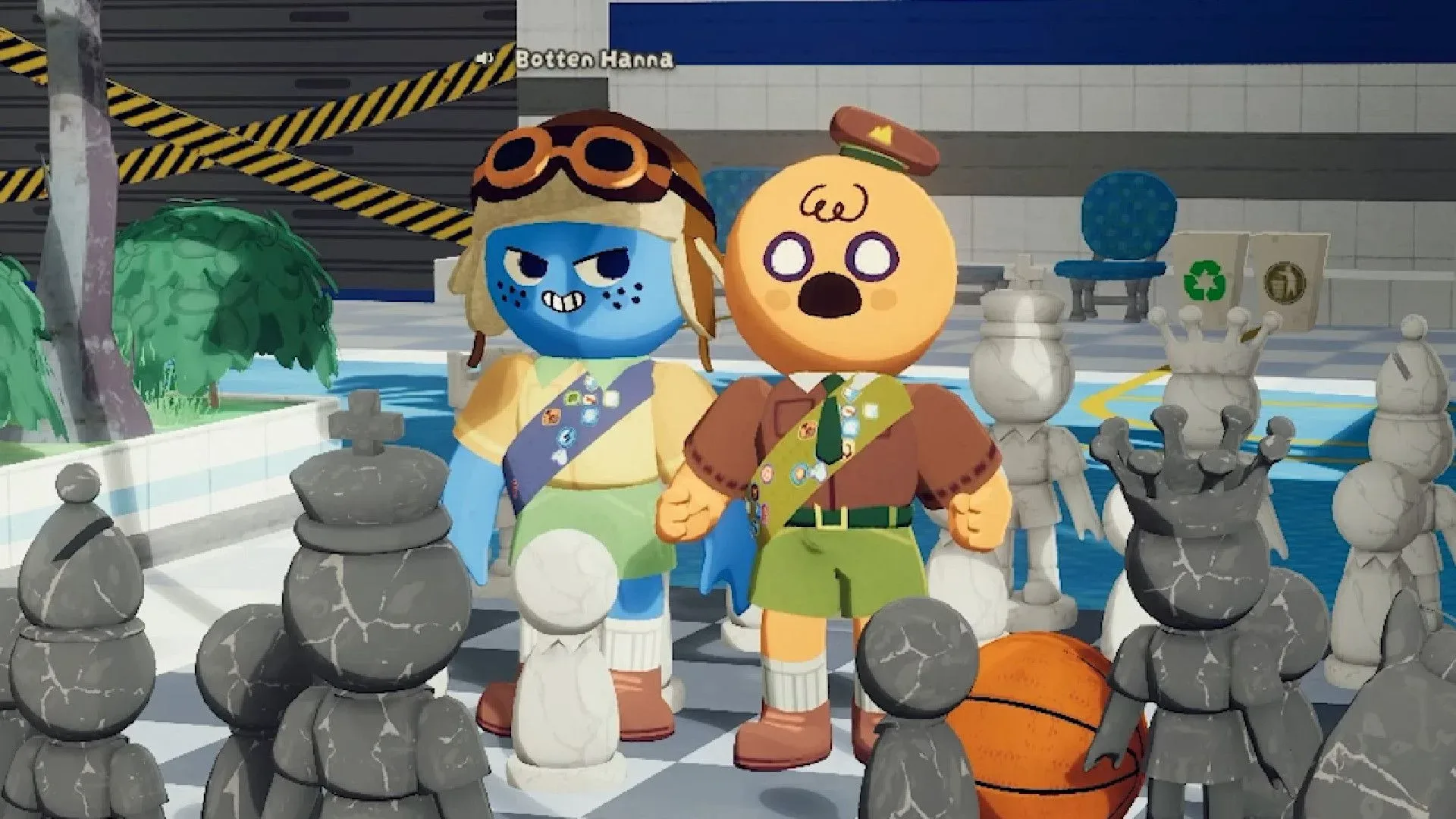
Peak’s arrival on PS5, Nintendo Switch 2, Xbox Series X|S and Xbox PC comes with a hefty side effect for Steam players: a new update of roughly 10GB has taken the co-op climbing game’s total PC footprint to about 15GB. The extra space is not being framed as a conventional pile of new modes or a permanently expanding live-service calendar. Instead, Team Peak says it has put 208 maps into the game’s ongoing daily-map rotation, replacing the much smaller roughly 30-map set that previously had to be swapped through recurring patches.
That is a material change to how Peak can sustain replayability as major development begins to wind down. Rather than repeatedly downloading a newly prepared batch of maps every few weeks, players will have a much larger set installed locally for the game’s daily rotation to draw from. It is an unusually direct answer to a familiar co-op-game problem: how to keep sessions fresh without committing a small team to indefinite, rapid content delivery.
The launch also enables cross-play across the newly supported platforms and PC. That means players on the different versions can play together, although the team has acknowledged several platform- and region-specific issues that are either fixed or still being addressed.
Why Peak is substantially larger now
Before this update, the daily-map system worked through a smaller active pool. Team Peak says it would upload about 30 new maps in a Steam patch, then repeat that process every few weeks as the rotation needed refreshing. In practical terms, the game’s variety was being delivered in batches: the available set changed, but the installation did not need to contain every planned map at once.
For more context, explore Offset Moves ‘GMFU’ to November 13 After Its October 23 Release Misses Midnight.
The new model changes that storage trade-off. Peak now has 208 maps rotating indefinitely, according to the developers. Keeping that entire collection available naturally demands more disk space than retaining only the current smaller batch. The move accounts for why an update around 10GB can produce a total installation size of around 15GB.
It is worth separating the two ideas here. A daily rotation is a schedule that selects or presents a limited portion of content on a given day. It does not necessarily mean the game is creating a map in real time. Peak’s earlier approach required the team to manually generate maps and distribute a new set through patches. The new approach places a far larger bank of those maps in the installed game, allowing the rotation to continue without the same recurring content swaps.
For players, the immediate cost is simple: more storage is needed on a PC or console. The potential benefit is less obvious but more durable. A 208-map pool should make repeat appearances less frequent than a pool of roughly 30, and it reduces the chance that the game’s long-term routine becomes locked to the same compact selection after large updates slow down.
A preservation-minded answer to the update treadmill
Peak’s developers have described the project as approaching the end of its development cycle, while continuing to fix bugs. That context makes the map expansion more significant than a standard content drop. It appears designed to leave the game with a broader foundation for repeat play rather than requiring the studios to keep producing and shipping fresh rotations at the former pace.
That does not mean Peak has become an endless-content game. In fact, the design choice points in the other direction. The team is increasing the map library already available to it, then letting that selection circulate over time. The distinction matters because a game can support social replayability without promising a constant stream of newly made material.
For a co-op climbing game, variety is especially valuable even when the underlying objective remains recognizable. A different map can change the route, the hazards, the coordination required among teammates and the kinds of mistakes that turn a clean ascent into slapstick disaster. A larger rotation cannot guarantee that every daily selection will feel equally novel to every returning group, but it gives the schedule many more combinations to work through before repetition becomes unavoidable.
The studios behind Peak are Aggro Crab and Landfall. Aggro Crab is associated with Another Crab’s Treasure, while Landfall is known for titles including Totally Accurate Battle Simulator and Haste. Their approach here offers a useful counterpoint to the idea that every popular multiplayer game must chase a permanently accelerating service model. The goal, based on the team’s explanation, is to preserve a satisfying rotation after the most substantial updates have slowed—not to turn the game into an endlessly expanding obligation.
That is a practical consideration for both developers and players. A perpetual roadmap may sound reassuring, but it also establishes an expectation that every lull needs to be filled with a new season, event or feature. Preloading a deep map library is a less flashy solution, yet it can be more honest about a project’s finite development runway. Peak is effectively spending storage space to buy future variety.
What cross-play changes—and what it does not
Cross-play is the other major part of the console launch. The term means people using different platforms can share multiplayer sessions. For Peak, that spans PS5, Nintendo Switch 2, Xbox Series X|S, Xbox PC and the existing PC audience.
The practical upside is broader: friends do not all need to own the same hardware to climb together. It can also help concentrate the multiplayer population across versions instead of splitting it into isolated platform groups. For a cooperative game built around assembling a group, that flexibility can matter as much as an additional map.
Cross-play, however, does not erase the technical differences between platforms. Peak’s team has flagged issues tied to particular versions and situations. Steam users may have encountered lobby joins that placed them in a different region than expected. The developers say a fix for that issue is already live.
Regional matchmaking is the system used to place players in online sessions associated with a geographic area. It is commonly intended to help connections behave more consistently, since physical distance and network routing can affect responsiveness. A lobby placed in an unexpected region can therefore be more than a label problem; it may create a less desirable online experience for the people trying to join it. Players who saw the Steam lobby issue should ensure their game is updated before assuming it remains unresolved.
Known platform issues remain on the checklist
Team Peak has also identified a Nintendo Switch 2 problem in which players can clip through the floor after jumping too high. In game-development language, clipping generally refers to an object passing through a surface that should block it, such as a character moving through a floor. The team says it is working on a fix.
Xbox players have reported frame-rate drops, which are likewise being addressed. Frame rate is the rate at which a game displays individual frames of animation. When it drops, movement can look less smooth and controller response can feel less immediate. The information available does not establish the exact circumstances, severity or scope of the reported Xbox performance issue, so players should avoid assuming every Xbox session is affected in the same way.
There is also a purchasing wrinkle for some PlayStation users. The developers warned that players in certain regions, including Brazil, could see unusually high regional pricing. Their advice was to wait a few days before purchasing while the issue is corrected. That guidance is unusually clear: affected players who notice a price that seems out of step should not feel pressured to buy immediately.
- Steam lobby-region bug: Team Peak says a fix is live.
- Nintendo Switch 2 floor clipping: a fix is in progress.
- Xbox frame-rate reports: the team says it is working on them.
- PlayStation regional pricing: players in impacted regions, such as Brazil, have been advised to wait a few days while pricing is fixed.
What players should do with the new install size
For existing Steam players, the headline number is an approximate 15GB total installation after the 10GB update. That is the number worth planning around if storage is tight, rather than treating the update’s size as the final game size by itself. The update is large because it includes the expanded map library, not merely because the game now supports additional hardware.
For new players, the decision is a trade: a larger download in exchange for a broader long-term selection of maps and access to cross-platform groups. Anyone playing with friends on different systems should also make sure everyone is on the current build, especially given the recently resolved Steam lobby problem and ongoing platform-specific fixes.
The broader lesson is that download size alone does not tell players much about what has changed. Sometimes an update is bigger because it adds higher-resolution assets or a new game mode. Here, the stated reason is more structural: Peak is stocking its future daily rotation with 208 maps rather than repeatedly replacing an active group of about 30. The extra gigabytes are, in effect, content the game expects to use gradually over a much longer period.
That makes Peak’s console launch a little more than a platform expansion. It is also a handoff from a patch-driven content rotation to a larger, more self-sustaining catalogue. There are still bugs to clean up and a regional price problem to resolve, but the map change provides a concrete plan for keeping the climb unpredictable after the biggest updates have passed. For more on the update and console expansion, see this overview of Peak’s 208-map update.