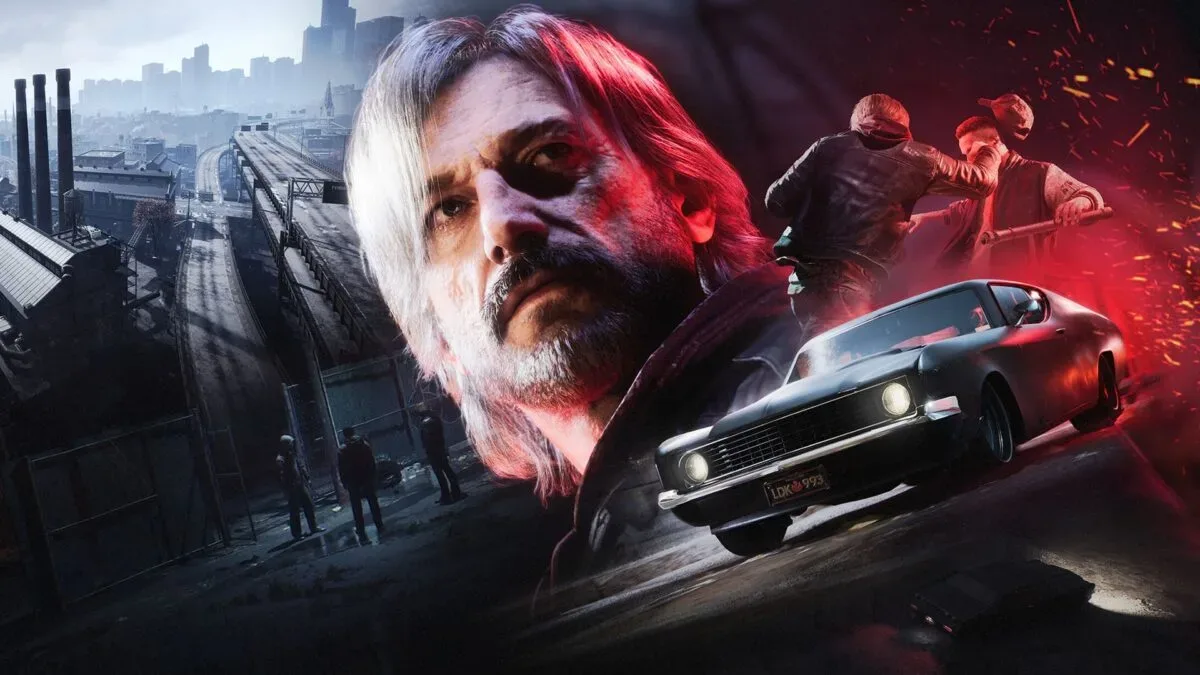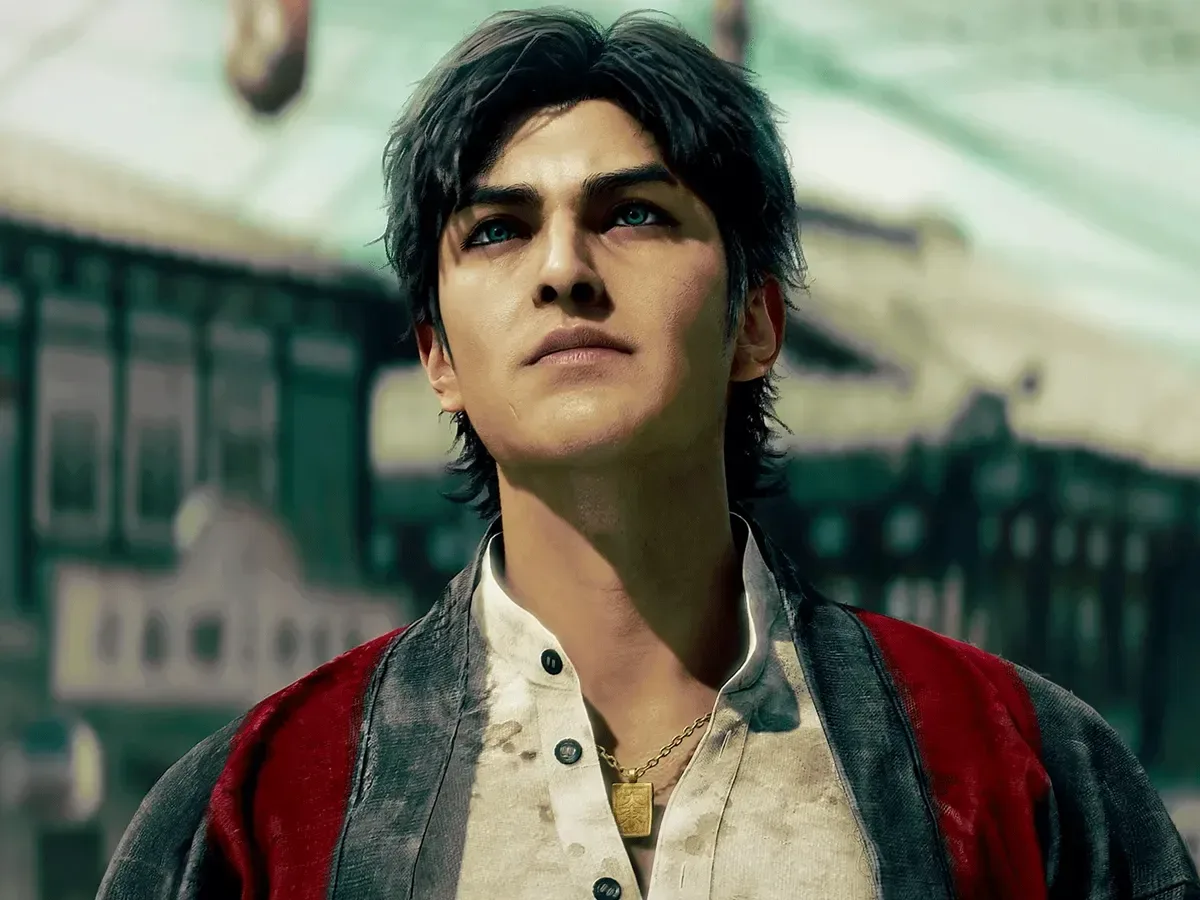
RGG Studio’s Stranger Than Heaven is being built without PlayStation 4 or Xbox One support, a platform decision the team says has allowed it to pursue its most technically ambitious work yet. The game is scheduled to arrive on January 15, 2027 for PlayStation 5, Xbox Series X|S and PC.
Producer Hiroyuki Sakamoto has described the project as a wholly new game intended to deliver the best quality the studio can achieve now. The central production choice was to target current-generation consoles natively rather than continue designing around older hardware. In practical terms, that means the team says it did not need to make the same hardware-driven concessions that accompanied its cross-generation releases.
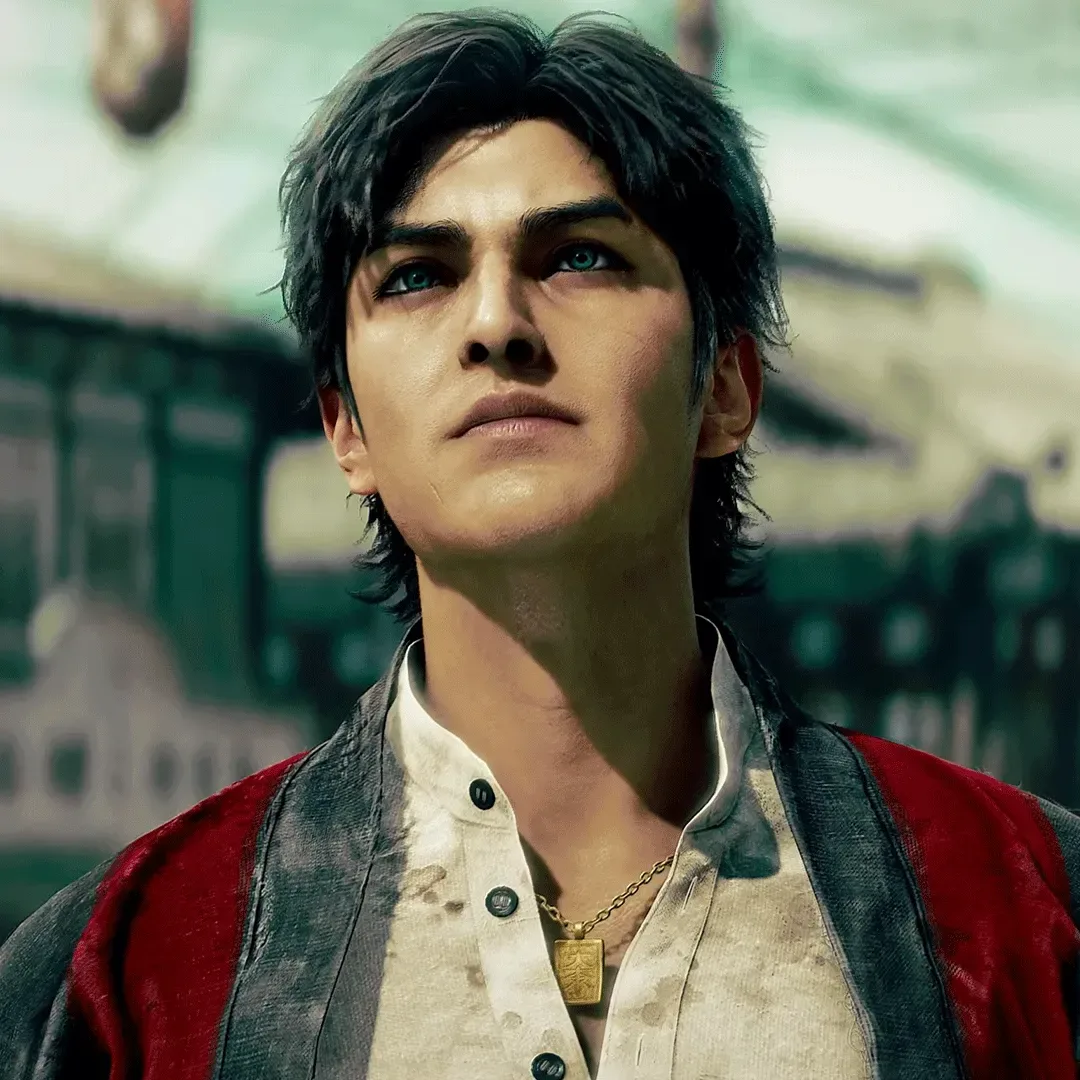
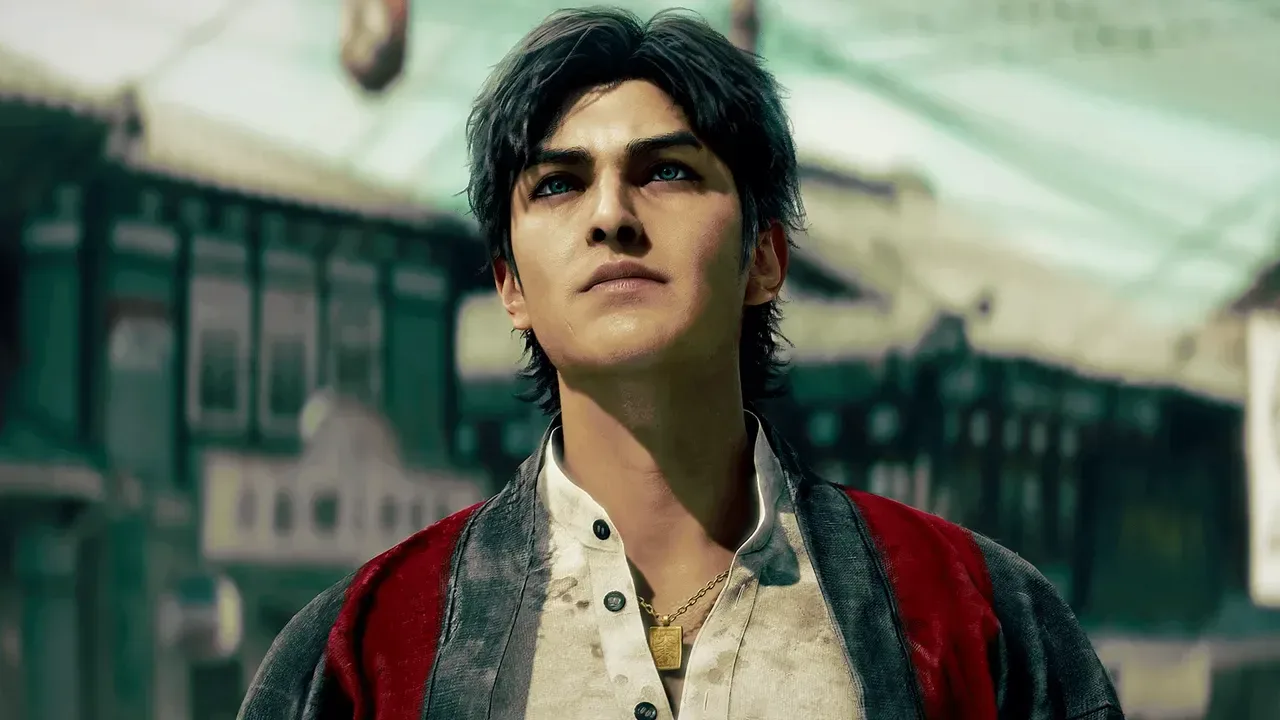
For players, that does not automatically translate into a checklist of promised frame rates, resolutions, map sizes or loading times; none of those specifications have been detailed here. What has been identified more clearly is the studio’s visual target: more characters visible simultaneously and a higher standard of character detail, supporting a richer presentation with a stronger artistic identity.
A clean break from cross-generation development
Both PlayStation 5 and Xbox Series X|S launched in 2020, but RGG Studio continued releasing games that bridged the old and new console eras. Like a Dragon: Infinite Wealth, released in 2024, was developed for hardware spanning two generations of PlayStation and Xbox systems. More recently, Yakuza Kiwami 3 & Dark Ties moved on from Xbox One support, but PlayStation 4 remained part of its platform lineup.
Stranger Than Heaven is the first of those examples to make the more complete break: it is headed only to PS5, Xbox Series X|S and PC. That matters because cross-generation work is not merely a matter of scaling down textures or reducing graphical settings at the end of production. A game’s worlds, scenes and systems have to be built with the limits of every supported machine in mind.
Cross-generation development refers to releasing one game across console generations with substantially different hardware capabilities. It can broaden the audience, particularly while players are still transitioning to newer consoles, but it also requires developers to ensure essential gameplay and presentation work within the lowest relevant hardware ceiling. A studio may create improvements for stronger devices, yet foundational choices can still be shaped by the older platforms.
Sakamoto specifically pointed to the number of characters that can appear on screen as one historic constraint. The team had previously needed to limit that number, among other compromises. With PS5 capabilities fully in play, he said Stranger Than Heaven can show more characters at once than any prior RGG Studio game while also lifting character quality.
Why crowd density is more than a numbers game
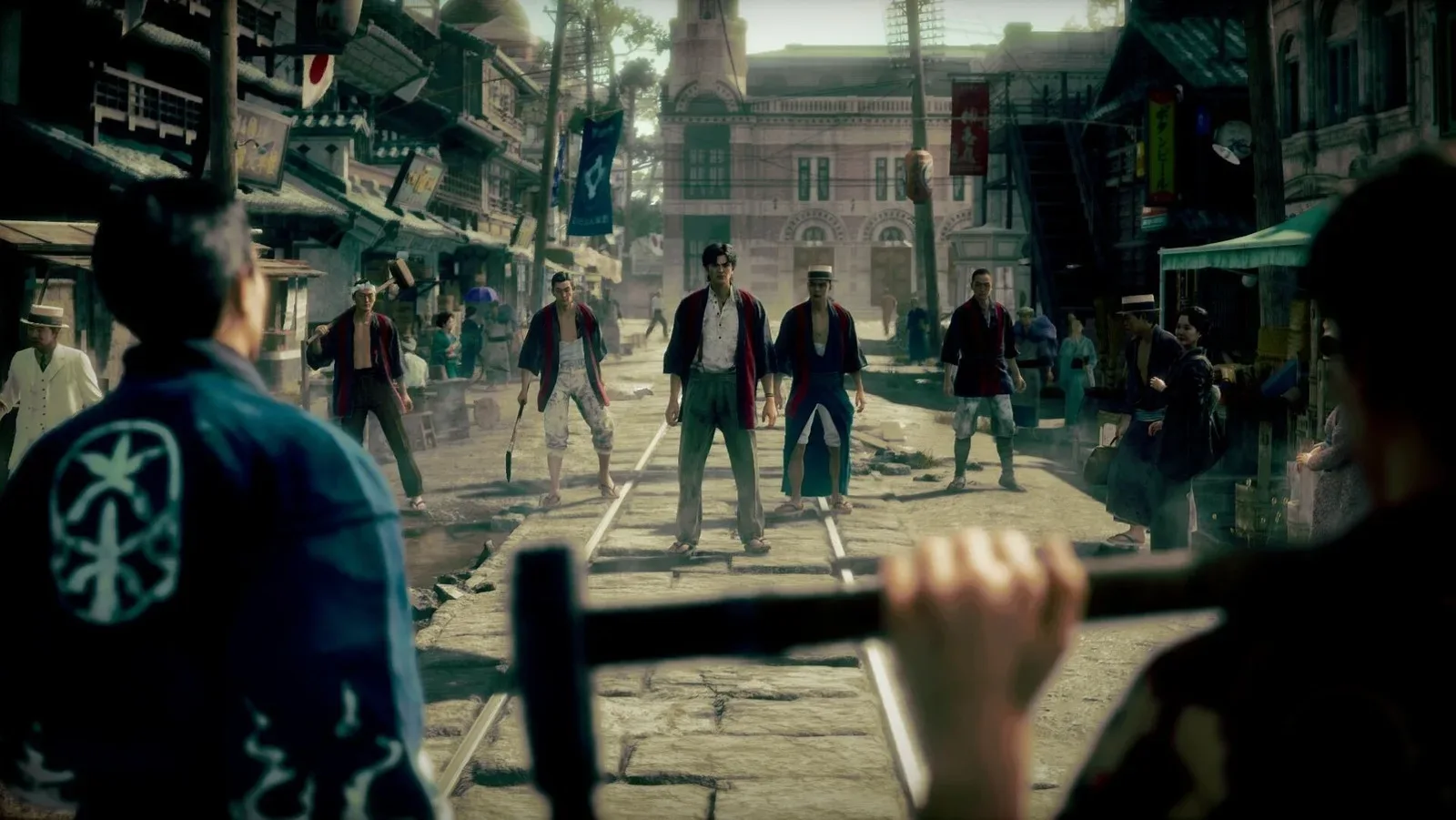
“More characters on screen” can sound like a narrow technical bullet point, but it can affect how a setting reads to the player. Crowds help establish the rhythm of streets, public venues and major events. They make a space feel active, whether the player is simply moving through it or witnessing a dramatic moment. For a game charting a journey across multiple decades in early 20th-century Japan, the ability to stage more people at once may be especially useful in conveying changes of place, social atmosphere and scale.
Related coverage includes Stranger Than Heaven Leaves PS4 Behind as RGG Studio Targets Its Most Ambitious Visual Leap Yet.
That is an interpretation of the studio’s stated goal rather than a confirmation of particular locations or missions. The available information does not establish the size of individual crowds, the nature of the game’s world structure, or exactly how those characters behave. Still, the technical direction is significant: RGG Studio is identifying density and visual fidelity as creative tools, not presenting the generation change solely as a raw performance upgrade.
Character quality is also a broad term. It may encompass the visual construction of people in the game—such as model detail, materials, hair, clothing, animation, lighting or facial work—but the studio has not broken its claim down into those components. The safer reading is that it aims for a visible overall improvement in how people are represented, alongside the ability to show more of them in a scene.
There is an important distinction here. RGG Studio has not promised that every scene will be packed with crowds, nor has it laid out a technical comparison against a specific earlier title. It has said that removing prior-generation requirements created headroom for a larger number of simultaneous on-screen characters and higher-quality characters. The result will need to be judged when the final release is available.
Early 20th-century Japan is a demanding canvas
The setting is another reason the studio’s emphasis on visual identity stands out. Stranger Than Heaven follows a multiple-decade journey through early 20th-century Japan. Period settings ask developers to sell more than scenery: architecture, clothing, crowds and the overall texture of public life all contribute to whether a location feels coherent. The studio’s comments suggest it sees contemporary hardware as an opportunity to make that presentation more expressive, rather than simply sharper.
Sakamoto’s description of a “richer visual experience” and a stronger artistic identity should not be read as a detailed feature list. It is a statement of direction. But paired with the focus on bigger on-screen populations and upgraded characters, it provides a reasonable picture of where RGG Studio believes the benefits of current-generation-only development will be most visible: scenes with people, atmosphere and period-specific presentation.
That creative focus is worth separating from the phrase native current-generation development. Here, it means building the console version around the PS5 and Xbox Series X|S baseline rather than bringing an older-console design forward. It does not, on its own, mean that the PC version will have identical settings, performance or hardware requirements to the console editions. Those details have not been provided.
What RGG Studio has—and has not—promised
The case for Stranger Than Heaven rests on a clear set of stated ambitions:
- It is a new game developed for PS5, Xbox Series X|S and PC, with no PS4 or Xbox One version announced.
- The team says it avoided the hardware compromises that can come with supporting prior-generation machines.
- RGG Studio expects to place more characters on screen at once than it has in previous games.
- The studio says it has raised character quality and achieved a richer visual presentation with a stronger artistic identity.
- The game’s story spans several decades in early 20th-century Japan.
Just as important are the open questions. There are no supplied details on performance modes, resolution targets, PC specifications, storage needs, accessibility options, game length or the complete gameplay structure. There is also no detailed explanation of how the decades-spanning premise is organized. Current-generation exclusivity expands the team’s options; it does not by itself answer those design questions.
That restraint matters in discussions of technical ambition. Terms such as “next-gen” and “current-gen” are often used as shorthand for an automatic leap in every area. Development is more complicated. A team still has to decide where to spend its added resources. RGG Studio’s comments indicate that its priorities include scene population, character presentation and art direction. That is more informative than a vague assertion that the game will merely look better.
The wider design trade-off
Leaving behind legacy systems is also an audience decision. A PS4 version can reach players who have not moved to newer hardware. By choosing PS5, Xbox Series X|S and PC alone, RGG Studio is narrowing the console hardware pool compared with a cross-generation release. The stated rationale is that the creative and technical benefits outweigh the compromises required to keep older platforms in the mix.
For prospective players, the immediate practical implication is straightforward: a PS4 or Xbox One will not run Stranger Than Heaven. Anyone planning to play on console will need one of the supported current-generation systems. PC is also confirmed, though requirements and feature support remain unannounced.
The project’s presentation has already attracted attention for a separate reason: a recent preview raised reservations about its digital resurrection of the late rapper Tupac Shakur, even while finding much to like in the game overall. The information available does not clarify that element further, so it is best treated as an unresolved creative and ethical question rather than a basis for assumptions about the finished product.
More than graphics: the production choice behind the promise
There is a tendency to reduce a platform transition to graphical polish. In this case, the interesting part of RGG Studio’s position is that it frames the decision in production terms. Older hardware had imposed ceilings on what could be placed on screen at the same time. Removing that ceiling, the studio argues, has enabled it to reconsider the scale and quality of its scenes rather than merely enhance assets made for prior machines.
Whether that produces the studio’s most accomplished technical game will remain a claim until players can assess the finished version. But the reasons behind the claim are concrete enough: no previous-generation console target, a wider on-screen cast, improved character presentation and a period setting that can make meaningful use of those choices.
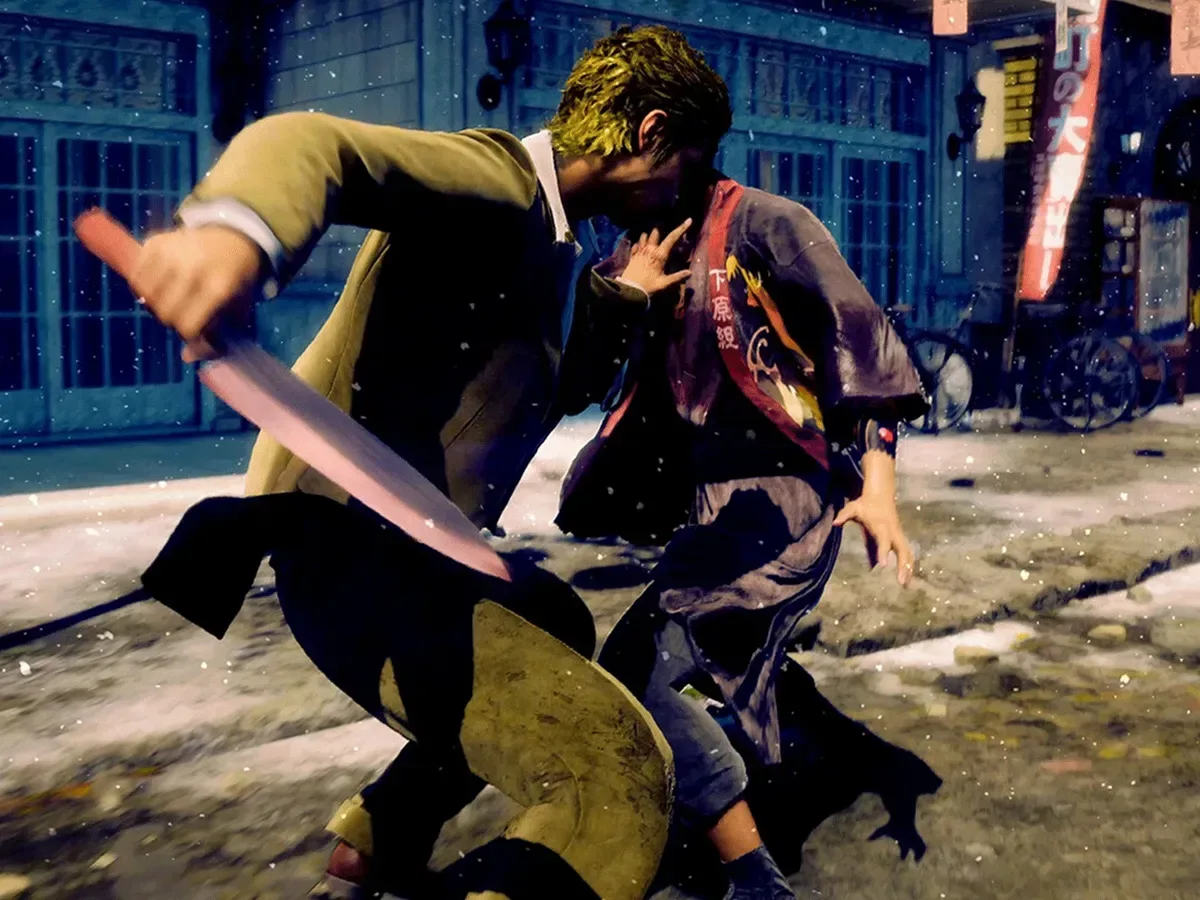
The studio has also confirmed that the game will include wearable in-game combat “cheats,” a feature covered in more detail in our look at Stranger Than Heaven’s visible combat cheats. That system is separate from the hardware discussion, but it reinforces the impression of a game trying to establish a distinct identity rather than simply extend an existing cross-generation template.
For now, Stranger Than Heaven is notable less for a numerical technical specification than for a firm development boundary. RGG Studio has drawn a line under prior-generation console support and is betting that the freedom it gains will be apparent in the density, detail and character of its world when the game arrives on January 15, 2027.