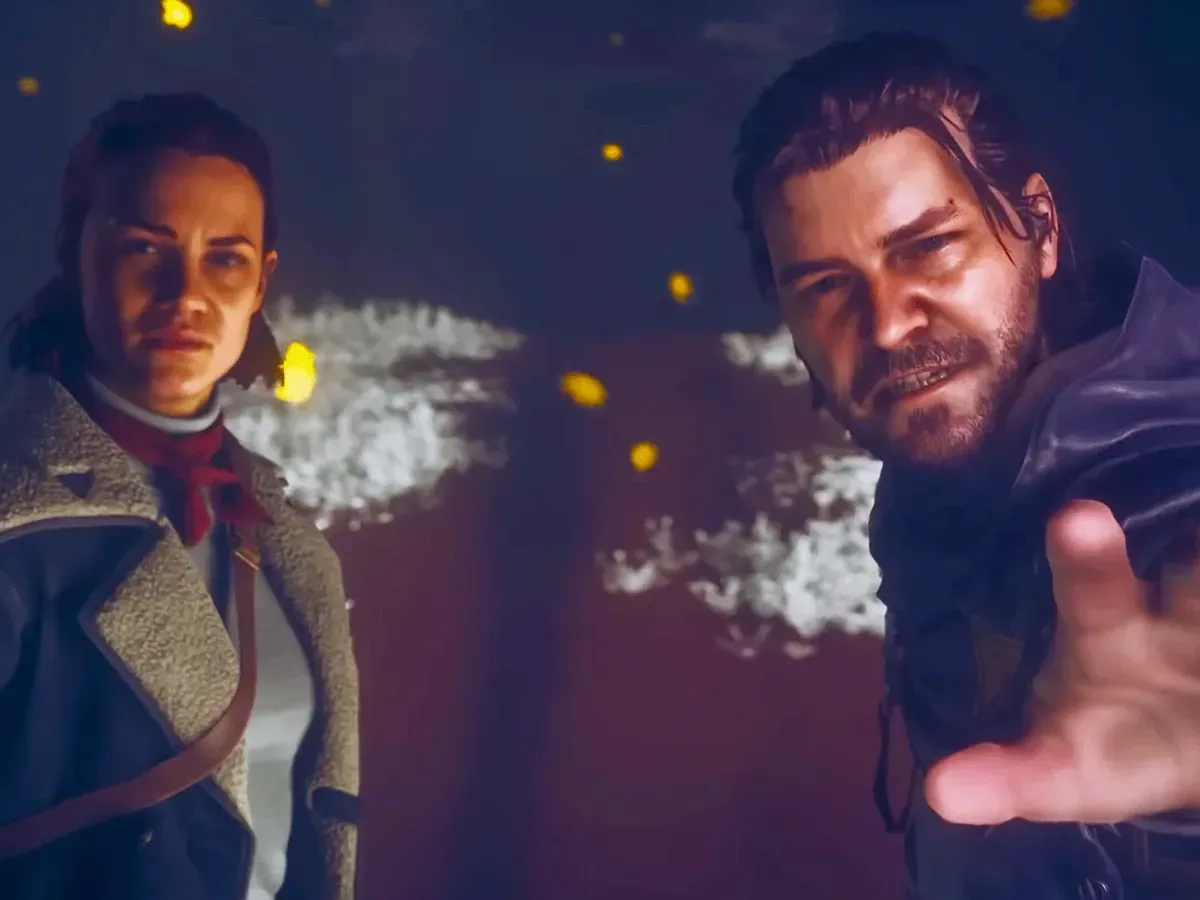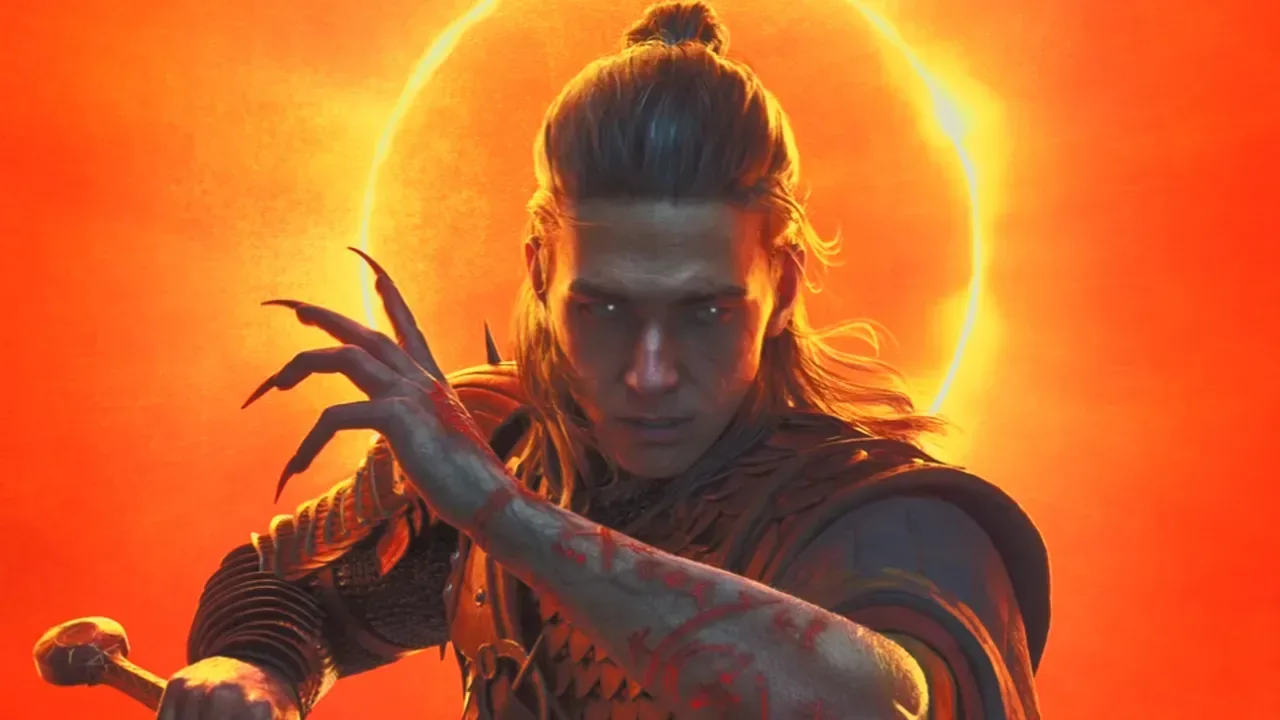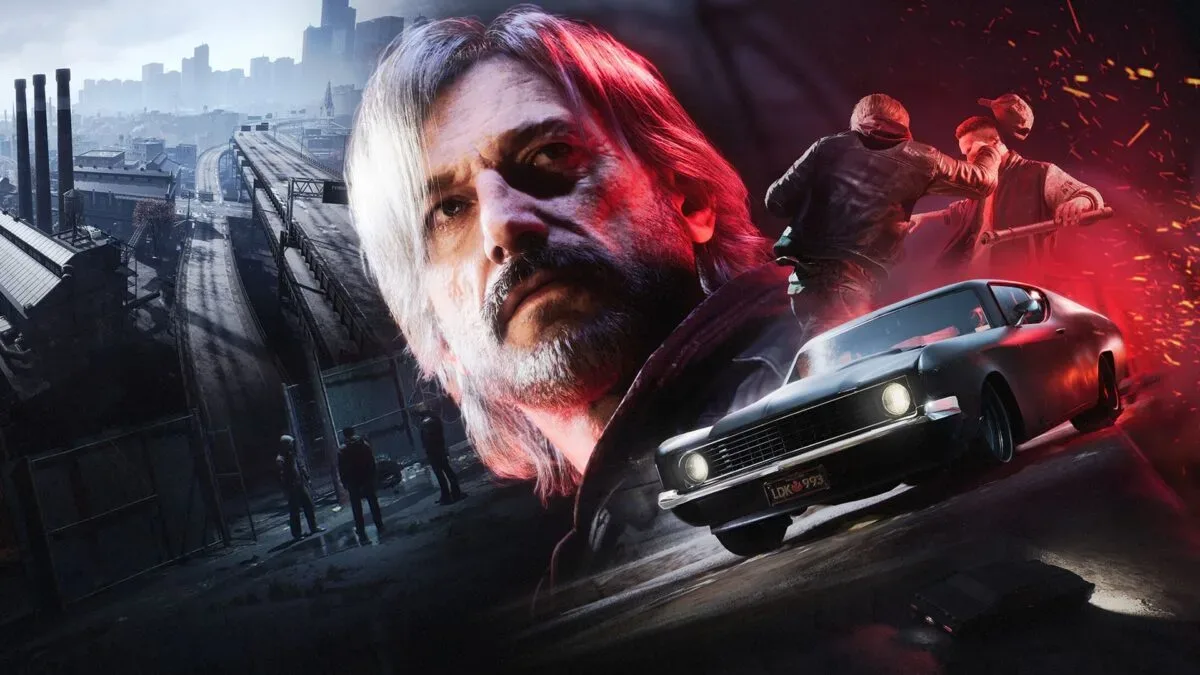
Liquid Swords, the Swedish developer and publisher behind open-world action game Samson, has entered bankruptcy following an order from the Stockholm District Court. The order was issued on October 12, placing the company’s work, assets and sole released game into an uncertain period only months after Samson reached players.
The immediate question for existing players is simple but difficult to answer: will Samson keep receiving patches? The studio’s assets, including the game, have been put up for sale by the appointed administrator, Cirio Law. Bidding is scheduled to close on October 21. Until that process produces an outcome, there is no confirmation that the title’s post-launch support will continue.
The bankruptcy follows a notably active stretch for the team. Samson launched on Steam on April 8, 2026, received a Steam update as recently as October 8, and arrived on PlayStation 5 and Xbox Series consoles on September 21. Those recent releases and updates make the uncertainty especially relevant for players who may be waiting for fixes, or who bought the console editions expecting continued work on the game.
A troubled first release for Liquid Swords
Founded in 2020, Liquid Swords released Samson as its first and only game. The project was positioned as a GTA-like open-world game, a description that signals an experience built around player freedom in a large setting rather than a tightly linear campaign. That is an ambitious lane for a debut title, and it requires many interlocking systems to function reliably: world streaming, missions, combat, traffic or crowds where applicable, saves, physics, menus and platform-specific performance.
At launch, players and critics widely raised concerns about bugs and performance. The game currently has a 51 percent score on Metacritic. Criticism focused particularly on technical faults, including problems severe enough to disrupt play, rather than just minor visual oddities or isolated inconveniences.
Christofer Sundberg, Liquid Swords’ founder and COO, responded publicly on Steam after launch with an apology. He described the state of the game at release as unacceptable and committed the studio to addressing game-breaking bugs and performance problems in later patches. In practical terms, a game-breaking bug is an issue that can prevent normal progress or make the game unusable in a meaningful way. Performance issues can encompass unstable frame rates, crashes, hitches or other technical behavior that undermines responsiveness and consistency.
Liquid Swords did issue several updates after release. That work matters when assessing the current situation: the studio was not simply leaving the game untouched after its difficult debut. But patches are not the same as a guarantee of an ongoing support roadmap. Bankruptcy means future development is no longer solely a question of what the team intended to fix; it may depend on what happens to the intellectual property and development assets in the sale process.
What the bankruptcy means for Samson players
There are several important distinctions to make. The bankruptcy order does not, by itself, establish that Samson will disappear from storefronts, that current versions will stop working, or that a buyer will definitely continue development. None of those outcomes has been confirmed. The known fact is narrower: the company and assets, including Samson, are being offered for sale, and the bidding window has an October 21 close date.
Related coverage includes Liquid Swords Declares Bankruptcy Months After Samson Launch.
That distinction is useful because modern games often rely on post-launch maintenance even when their core content is available immediately. Players awaiting a particular technical fix should treat it as unconfirmed rather than promised. The October 8 Steam update demonstrates that development work continued close to the bankruptcy order; it does not establish the status of patches after the order.
For PlayStation 5 and Xbox Series owners, the timing is also unusual. The console release arrived on September 21, less than a month before the court order. There is no supplied confirmation of different support plans between Steam, PlayStation 5 and Xbox Series versions. As a result, it would be unsafe to assume that any platform is more secure than another, or that a patch released on one will necessarily reach the others.
More broadly, the case is a reminder that releasing a game and supporting it are separate operational challenges. A launch can be followed by updates, ports and attempts to repair a game’s reputation, yet the business behind that work can still face a sudden interruption. For an open-world title dealing with launch performance criticism, the time and resources needed for technical follow-through can be especially consequential.
Staff reportedly went unpaid
Liquid Swords reportedly employed close to 30 developers. Those employees reportedly had not been paid since August 2026. That report adds a serious human dimension to what might otherwise read as a question about patches and storefront listings. The people credited with continuing to update and port Samson were reportedly working amid an unresolved pay situation.
It also puts the recent development timeline in sharper focus. The game’s October 8 update and September 21 console release occurred after the reported missed-pay period began. The available information does not explain how the studio reached that point, what work was completed by which individuals, or what decisions may have preceded the bankruptcy. It does show that visible product activity continued while the company’s financial position was deteriorating.
Liquid Swords and Sundberg had not publicly addressed the bankruptcy order on their social media accounts at the time of the report. That leaves major questions unanswered, including whether any arrangement is being pursued for the game, whether staff will be retained by a potential buyer, and whether the existing patch work is in a state that another owner could pick up.
Sundberg’s background and the stakes of a first project
Sundberg previously co-founded Avalanche Studios and oversaw development on all four Just Cause games during his time there. That background made Liquid Swords’ move into a large-scale, GTA-like open-world project notable. It also helps explain why expectations around Samson were substantial despite it being the new studio’s first release.
Experience on major open-world games, however, does not remove the pressures associated with building and publishing a debut project under a new company. A studio has to manage the game itself, its workforce, updates and platform releases at the same time. The record currently available for Liquid Swords is stark: it was founded in 2020, released Samson in April 2026, expanded it to PlayStation 5 and Xbox Series in September, updated Steam in October, and then entered bankruptcy days later.
That sequence should not be read as proof of a single cause for the bankruptcy. The available details identify the court order, the reported unpaid staff, the weak critical response and the technical problems at launch, but they do not establish a complete financial explanation. Keeping that uncertainty intact is important, particularly when the fate of an ongoing game and the jobs of its developers are involved.
October 21 is the next key date
The sale process is now the clearest near-term milestone. If a buyer acquires Liquid Swords’ assets and Samson, that could clarify who controls the game and whether fixes or future updates are viable. It would not automatically tell players what will happen next: a new owner could choose different priorities, and no continuation plan has been announced.
If no immediate path forward is publicly outlined after bidding closes, players should be cautious about assuming that previously discussed improvements remain on the way. The safest current reading is that Samson has received multiple updates, its latest known Steam update arrived October 8, and its future support is unresolved while the company’s assets are for sale.
It is another difficult entry in a crowded year for smaller PC releases, a landscape also reflected in a recent look at a crowded week of indie games to watch. For Liquid Swords, though, the immediate story is more fundamental than competition for attention: the studio’s first game, its technology and its future stewardship are now subject to the outcome of the sale.