The Blood of Dawnwalker has crossed 1 million copies sold just 48 hours after release, giving developer Rebel Wolves an unusually strong opening for its first major game and giving publisher Bandai Namco an early commercial win with a brand-new role-playing property.
The dark-fantasy action RPG launched on September 3 for PC, PlayStation 5, and Xbox Series X/S. Rebel Wolves confirmed the sales landmark in a community message, thanking players for playing, sharing the game, offering support, and joining the conversation around it.
A million copies in two days is a sizeable result in any context. It carries additional weight here because Dawnwalker is neither an annual sequel nor the newest chapter in a long-running game brand. It is the debut major release from a Warsaw-based studio founded in 2022, and it is introducing players to an original setting, protagonist, and long-term saga at once. In other words: the wolves have left the den, and the den appears to be full of receipts.
A fast start for an original RPG
Sales milestones never reveal the whole picture. They do not identify which platform drove the most purchases, how sales split by region, how many copies were bought at full price, or how many players will ultimately finish the story. Still, 1 million copies sold is a concrete commercial marker—and reaching it within two days signals substantial launch-week interest.
For Rebel Wolves, the result is especially notable because the studio has entered a crowded RPG landscape without the immediate recognition of an established franchise name. New intellectual property has to persuade people to take a chance on unfamiliar heroes, lore, systems, and future potential. Dawnwalker had to explain not only what it is, but why its vampire-centered medieval world deserves room in players’ already overloaded libraries.
The game’s broad simultaneous release on PC, PS5, and Xbox Series X/S gave it access to a large modern-platform audience from day one. PC remains a key home for large-scale RPGs, while the console launch expands its reach to people who may prefer to explore a dark fantasy kingdom from the sofa rather than at a desk with a suspiciously expensive keyboard. Players looking to tune that desktop setup can also check out our guide to remapping underused keyboard keys for a faster Windows and gaming setup.
None of that guarantees lasting momentum, of course. The first 48 hours are a starting line, not an ending. But they can establish a foundation for word of mouth, patches, future content discussions, and the difficult business of turning one successful game into a durable series.
Coen’s 30-day fight
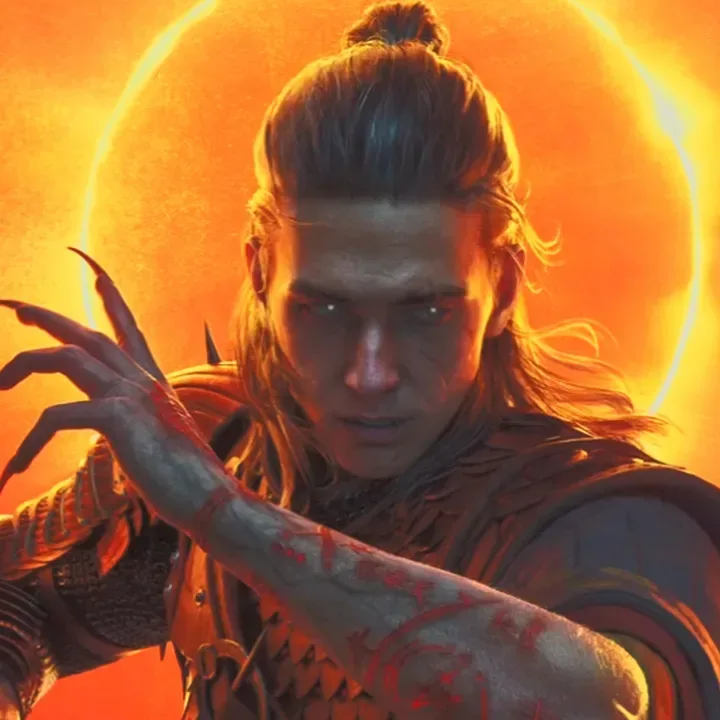
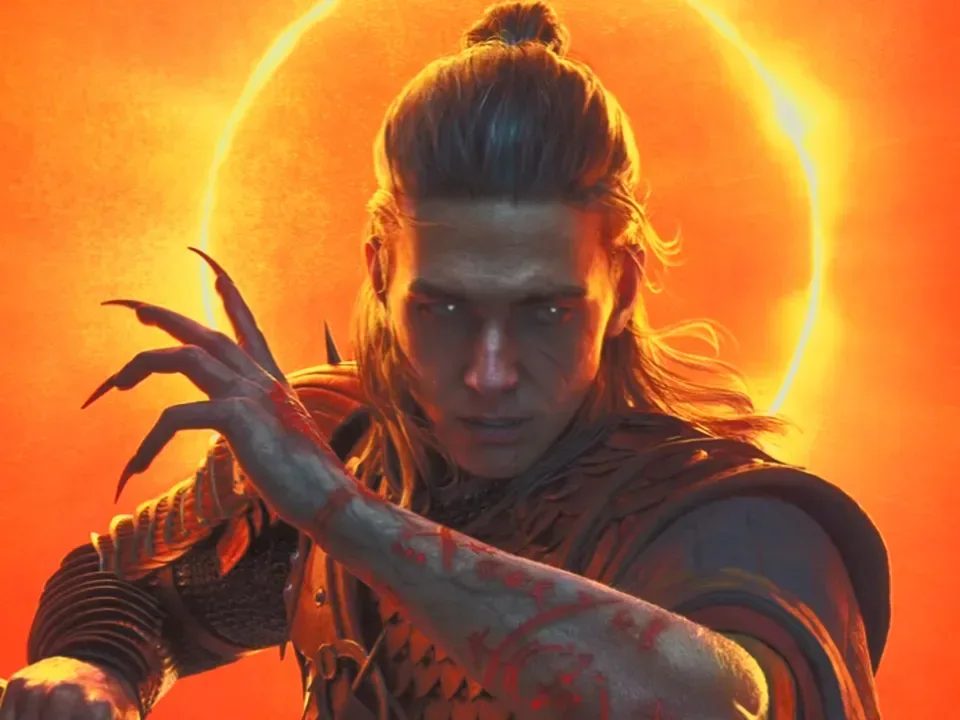
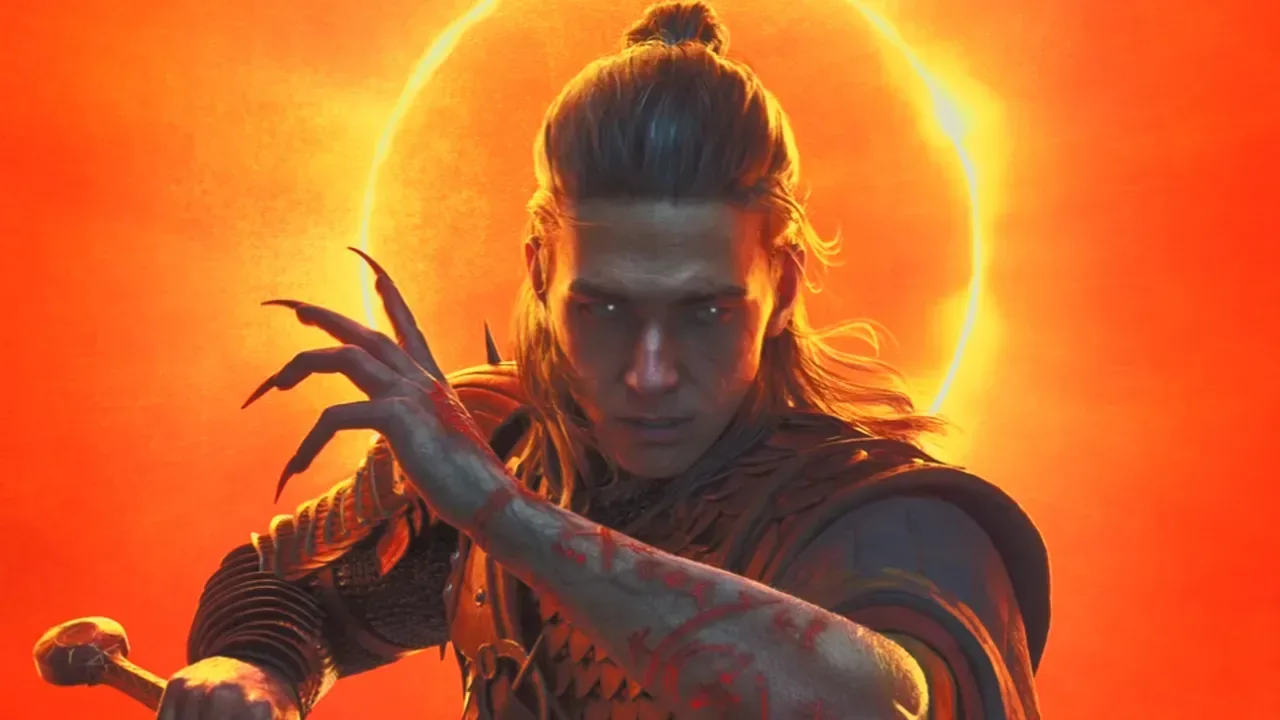
The Blood of Dawnwalker is an open-world dark-fantasy action RPG set in 14th-century Europe. Its central character is Coen, a man caught between two states of being: human during the day and vampire at night. His story centers on fighting for his family, with player decisions shaping the narrative along the way.
Related coverage includes The Blood of Dawnwalker Sells 1 Million Copies in 48 Hours.
That day-and-night identity is not merely decorative lore. It is part of the game’s premise and helps distinguish Coen from a more conventional fantasy protagonist. A hero whose abilities, choices, and circumstances are defined by the passing of daylight has obvious dramatic possibilities, especially in a setting built around fear, power, faith, survival, and monstrous transformations.
Another defining element is the in-game clock. Coen’s story unfolds across a 30-day period, making time a visible part of the adventure rather than an endlessly flexible backdrop. That concept has generated mixed reactions among players: some appreciate the structure and urgency it brings, while others are less enthusiastic about a mechanic that can make an open-world RPG feel like it has an appointment scheduled.
The split is understandable. Many fans approach open worlds expecting room to wander, delay the urgent main quest indefinitely, pick flowers during apocalyptic crises, and spend an alarming number of hours on side activities. A narrative clock pushes in the opposite direction by asking players to consider consequences and priorities. Whether that tension feels compelling or restrictive will naturally vary from one person to the next.
Importantly, the 1 million figure does not settle that design debate. What it does show is that the game’s central hook reached an audience quickly despite, or perhaps partly because of, its willingness to embrace a more deliberate structure.
Rebel Wolves’ experience and first release
Rebel Wolves was founded in 2022 and is led by Konrad Tomaszkiewicz, whose past credits include directing The Witcher 3: Wild Hunt and serving as co-director on Cyberpunk 2077. That pedigree placed expectations on the studio from the moment it became known, particularly among players looking for another narrative-focused RPG made by developers with experience in ambitious genre work.
But experienced leadership and a successful launch are different things. A new studio still must organize a team, make its production pipeline work, define its identity, ship a game, and convince people to spend money on it. Dawnwalker’s opening performance suggests that Rebel Wolves has cleared the first and most visible hurdle: getting its debut project into a great many hands.
The achievement also matters beyond one launch-week number. A new studio’s first game often determines how much confidence it can build with audiences and business partners. Strong early sales can make a company’s long-term goals feel more credible, even though they do not automatically confirm budgets, timelines, or green lights for future projects.
The larger Dawnwalker plan
Rebel Wolves and Bandai Namco have already indicated that Dawnwalker is intended as more than a single isolated adventure. A CGI teaser released earlier this year pointed toward a wider dark-fantasy saga, including imagery of Coen in a modern 21st-century environment rather than the historical setting familiar from the first game.
The stated ambition is for later entries to range across centuries, continents, and cultures. That is a big canvas, and it offers the series a way to evolve without remaining trapped in one period or location. The concept also raises intriguing possibilities about how the franchise could connect distinct stories while changing the world around them.
However, the plans described so far should not be mistaken for release commitments. No dates, settings, or platforms for follow-up games have been announced. The sequel talk is a statement of creative direction, not a calendar entry players can circle in red ink.
Tomaszkiewicz has said that each planned Dawnwalker installment is meant to stand on its own, with its own story rather than unresolved cliffhangers, dangling plot threads, or time-travel devices. That approach could make each game accessible to newcomers while still supporting a larger mythology. Narrative director Jakub Szamałek has also encouraged players to watch for small clues connected to the saga’s broader plot in The Blood of Dawnwalker.
For fans, that means the first game may contain more than immediate character drama and local conflict. It may also be quietly laying track for a larger route across time and place. For anyone hoping every mysterious artifact, offhand line, or suspiciously well-framed wall carving is meaningful: this is your permission to become professionally observant.
What the milestone means—and what remains unknown
The 1 million-copy milestone is a clear early success for The Blood of Dawnwalker, Bandai Namco, and Rebel Wolves. It demonstrates real demand for a fresh dark-fantasy RPG at launch, validates the studio’s ability to introduce an original world, and improves the commercial case for continuing the franchise.
At the same time, plenty remains unknown. The companies have not detailed future updates, expansions, sales by platform, or a timetable for the next Dawnwalker game. It is also too soon to know how the game’s longer-term sales curve will develop once the immediate launch rush fades.
What is certain is simpler: a studio founded only four years ago has launched its first major project, and that project sold a million copies in two days. For a new universe built around a protagonist caught between day and night, that is an impressively bright opening.