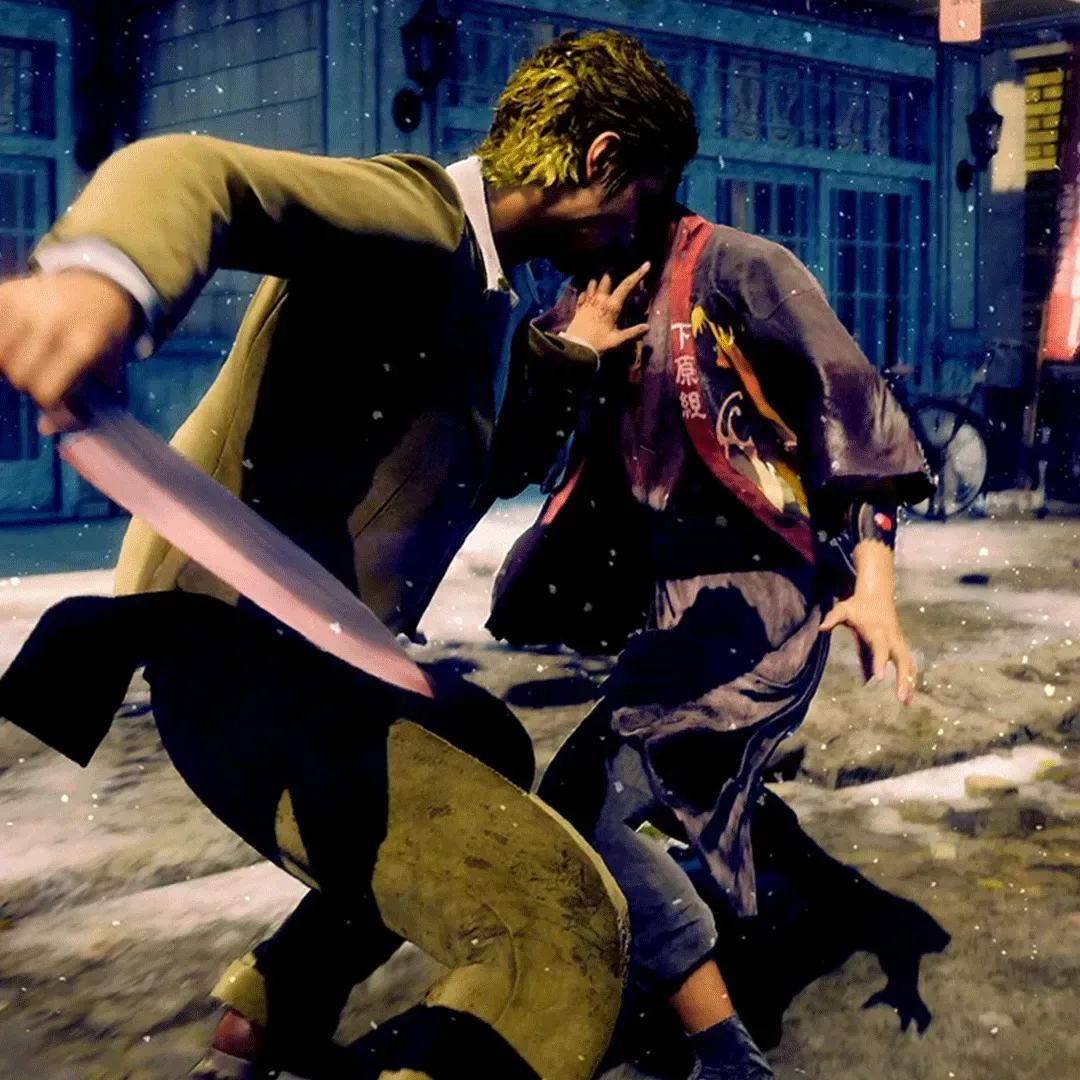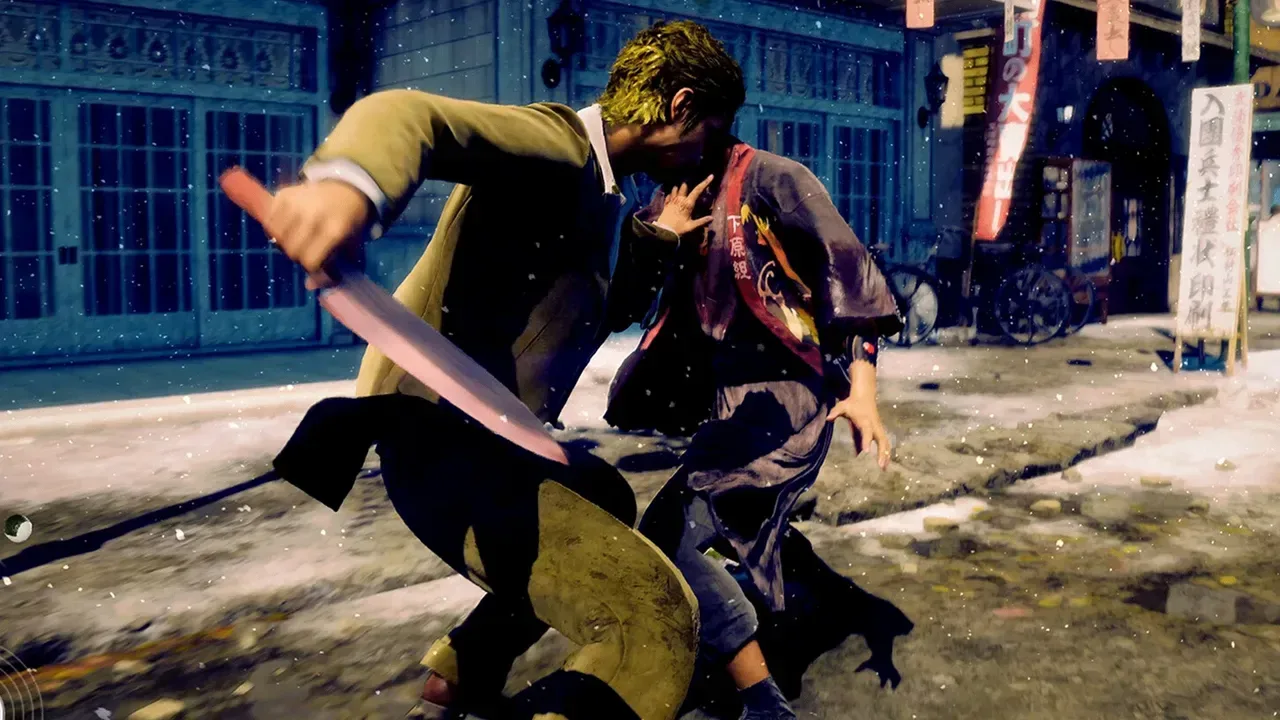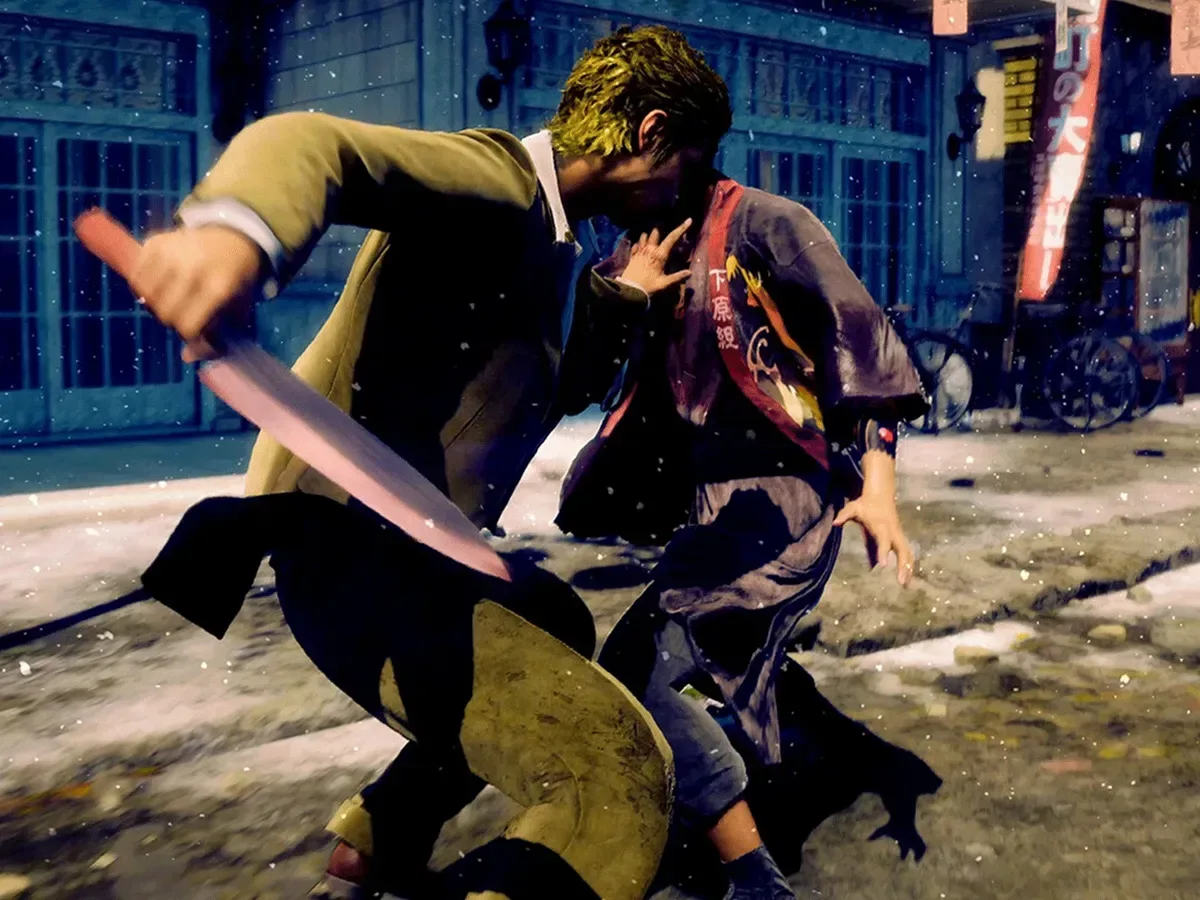
Stranger Than Heaven is asking players to do more than hammer out a favorite combo. Its combat centers on parries that require attention to an opponent’s attack animation and the direction an incoming blow is traveling. That is a meaningful step up in precision from a system where repeated strikes can carry a player through most encounters.
RGG Studio is also making a clear accommodation: players who do not want that level of pressure will have options. The upcoming street-brawler will include difficulty settings, a substantial early tutorial, and support items described as “cheat” or handicap items. Those items can be obtained at the beginning of the game, increase health regeneration, and provide other advantages intended to make combat more manageable.
The catch is wonderfully unstealthy. The assist items are worn as clothing or cloth garments, meaning their use will be visible on-screen. Players can absolutely choose the help, but they should not expect to pass the outfit off as standard high-fashion parry mastery during a stream.
A demanding combat idea with an escape hatch
A parry is a defensive response made at the right moment to interrupt, repel, or otherwise counter an enemy attack. In Stranger Than Heaven, the challenge is not merely hitting the command at a useful time. Players are expected to read the attack’s direction as well. That makes visual recognition part of the fight: the player needs to watch an animation, identify what is coming, and react with the appropriate defense.
For more context, explore Kirk Franklin Says He Declined Kanye West Beats That Would Have Left West Uncredited.
That approach can make fights more satisfying for people who enjoy studying enemy behavior and improving through repetition. It can also create a barrier for anyone who struggles to parse animations under pressure, has trouble with rapid defensive inputs, or simply wants to move through a story without repeatedly stopping at a difficult encounter.
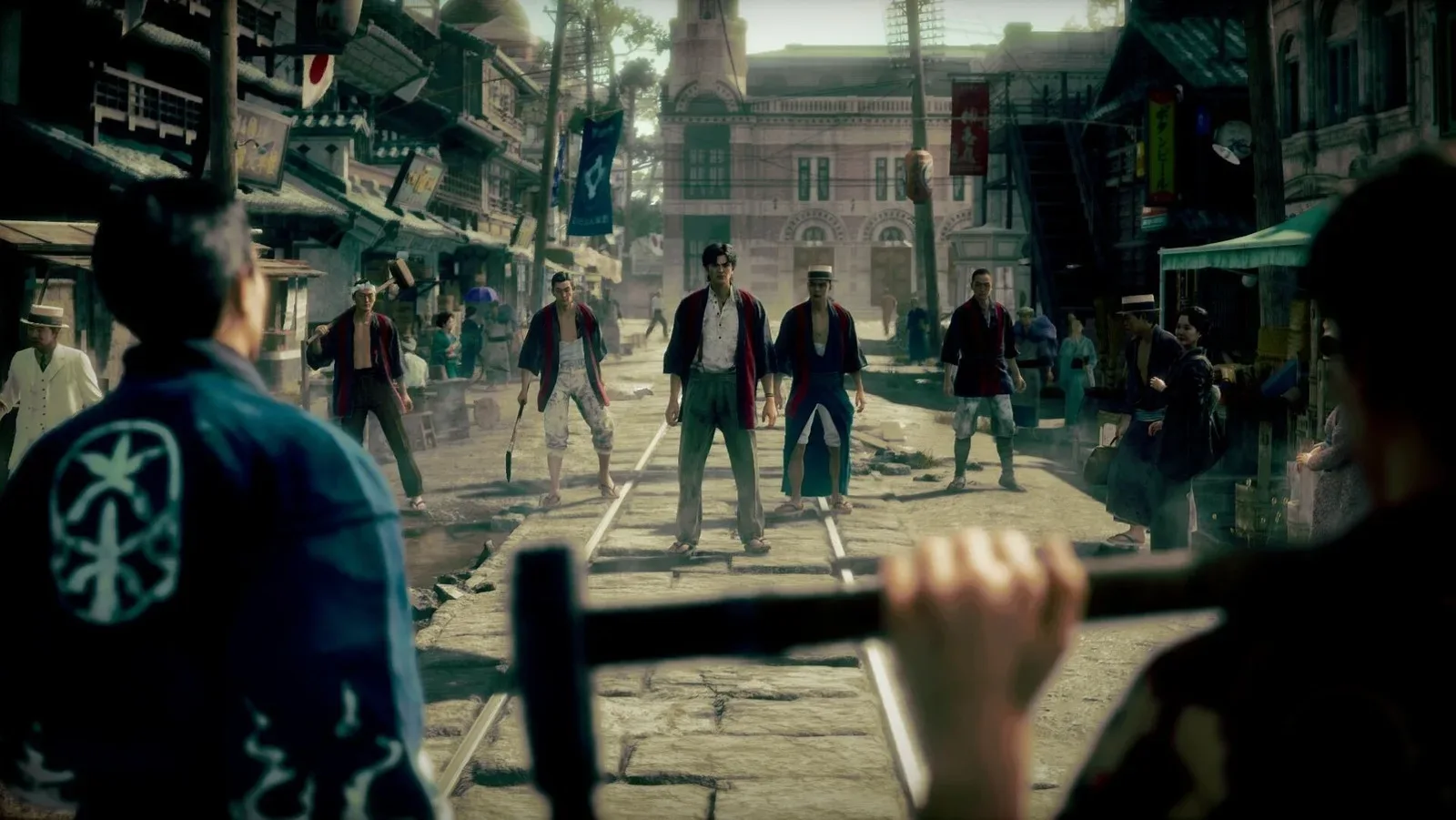
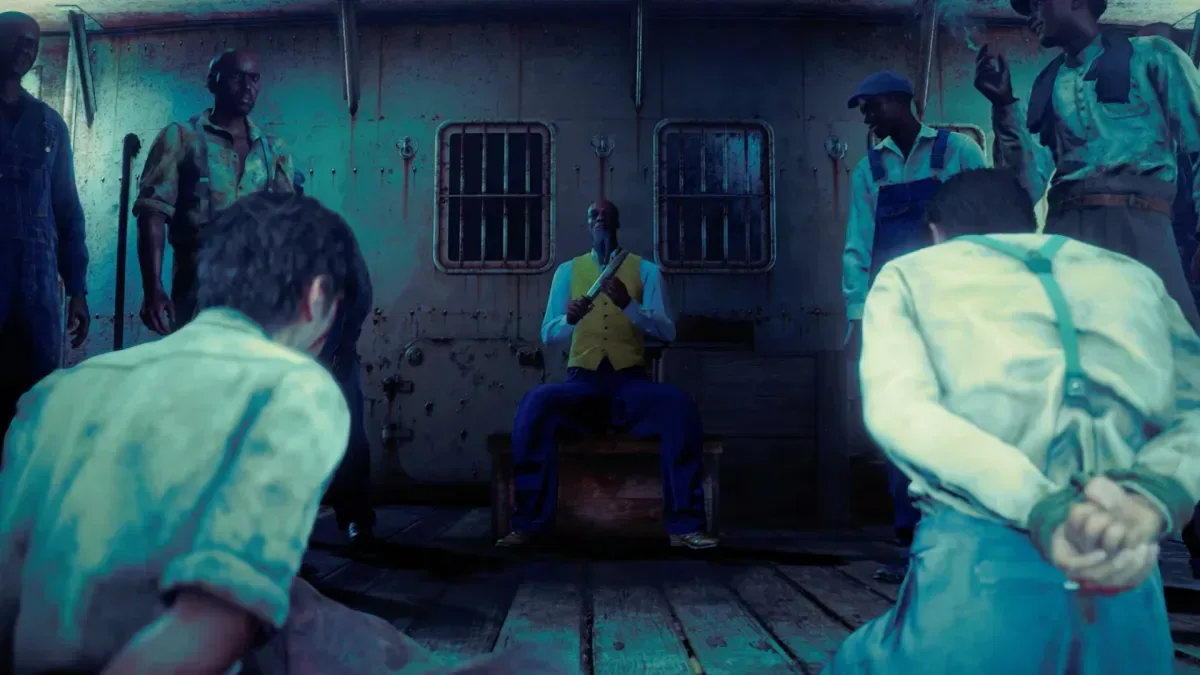
The studio’s solution appears to preserve both paths rather than flatten the combat for everyone. Players who want to learn the system can work with the tutorial, adjust to the timing, and improve their defensive reads. Players who primarily want the game’s story, which spans multiple decades, and its showbiz-focused side activities can select support that lowers the chance that a combat wall ends their progress.
That distinction matters. An easier option is not necessarily a claim that the original mechanics are unimportant. In this case, the support items are being positioned as a way to let more people reach the rest of the game while the directional parry system remains available for players who want to engage with it fully.
What the wearable assist items are said to do
The most concrete benefit described so far is automatic health restoration, alongside unspecified additional perks. Health regeneration is exactly what it sounds like: a player’s health refills over time, reducing the punishment for taking damage and giving more room to recover after a mistake.
RGG Studio has also described assistance for players who still have difficulty blocking. With those items equipped, encounters can be cleared using basic left and right punches alone. The exact limits of that assistance have not been detailed, so it is not yet clear whether it changes every encounter in the same way or how it interacts with other difficulty settings. What is clear is the intended audience: beginners and players who cannot reliably perform the game’s defensive demands.
- Difficulty settings offer a broad way to tune the game’s challenge.
- Early tutorialization gives players time to learn the fundamentals before the game expects confidence with its systems.
- Health-regeneration support makes failures less punishing by restoring survivability automatically.
- Basic-punch assistance is designed for players who cannot comfortably depend on blocking.
- Visible clothing turns the optional aid into an intentional, on-screen choice rather than an invisible toggle.
That last element is a small but distinctive design flourish. Games frequently include accessibility or difficulty aids without a visual marker. Here, the studio is tying the help to a garment. It gives the feature personality, acknowledges its use openly, and creates a lighthearted visual signal without preventing anyone from using it.
Why the visible outfit is more than a joke
Calling the garments handicap items could sound judgmental in isolation, but the implementation described is closer to a playful form of disclosure than a restriction. The items are available from the start rather than hidden behind a punishment, a challenge requirement, or a later unlock. Their visibility does not appear to reduce the mechanical benefits; it only means observers can tell that help is active.
For solo players, that may simply be part of the character’s look. For streamers, video creators, and friends watching from the couch, it creates an immediate piece of game literacy: that distinctive clothing tells viewers the player has opted into support. It is an amusing answer to the age-old temptation to claim a flawless win while quietly leaning on an assist.
More importantly, it lets players avoid a false choice between pride and progress. Someone can use the item, finish a difficult sequence, enjoy the story and side content, then decide later whether they want to remove it and revisit the combat at a higher level of challenge. The studio has expressed hope that persistence and the extended tutorial will eventually make the mechanics enjoyable for most players, but the support structure recognizes that enjoyment does not have to arrive on the same timetable for every player.
What players should and should not assume
The current information supports a straightforward expectation: Stranger Than Heaven will not require every player to become an expert at directional parries in order to complete it. The game is planned to give players assistance from the opening, and that assistance can substantially increase survivability and simplify encounters.
It does not establish the full detail of the difficulty system. There is no confirmed breakdown of every setting, no published list of every perk attached to the garments, and no indication that using an assist locks or unlocks particular content. Likewise, the visible clothing is confirmation of an in-game cosmetic signal, not evidence of a scoring penalty, achievement restriction, or multiplayer rule.
That restraint is worth keeping in mind because “cheat item” can mean very different things from game to game. Here, it is best understood as the studio’s informal label for optional assistance, not as proof of conventional cheat codes or a separate external menu. The items are presented as equipment players put on in-game.
A practical choice for players with different goals
Players excited by action-game mastery can treat the feature as optional and start with the regular combat tools. Because the game’s parry system emphasizes visual cues and directions, early practice should be useful: watch the opponent’s body language, identify the incoming line of attack, and avoid treating every defense as the same input.
Players more interested in the narrative or showbiz activities have a different, equally valid route. Selecting a lower difficulty or wearing an assist garment can reduce friction without requiring them to abandon the game when defensive timing becomes frustrating. The feature is particularly relevant for people who enjoy RGG Studio’s broad mix of drama and side content but do not necessarily seek high-pressure action systems.
The broader takeaway is refreshingly direct: the game is being built with a mechanically demanding core, but it is not insisting that everyone engage with that core at identical intensity. The visible garment makes that philosophy hard to miss. Stranger Than Heaven is effectively saying that players may take the training wheels, but they may have to coordinate an outfit around them.
Stranger Than Heaven is scheduled to launch on January 15, 2027 for PlayStation 5, Xbox Series X|S, and PC.
For another look at the wearable-assist concept and what it signals for players seeking an easier route through the action, this overview focuses on the game’s on-screen support items.