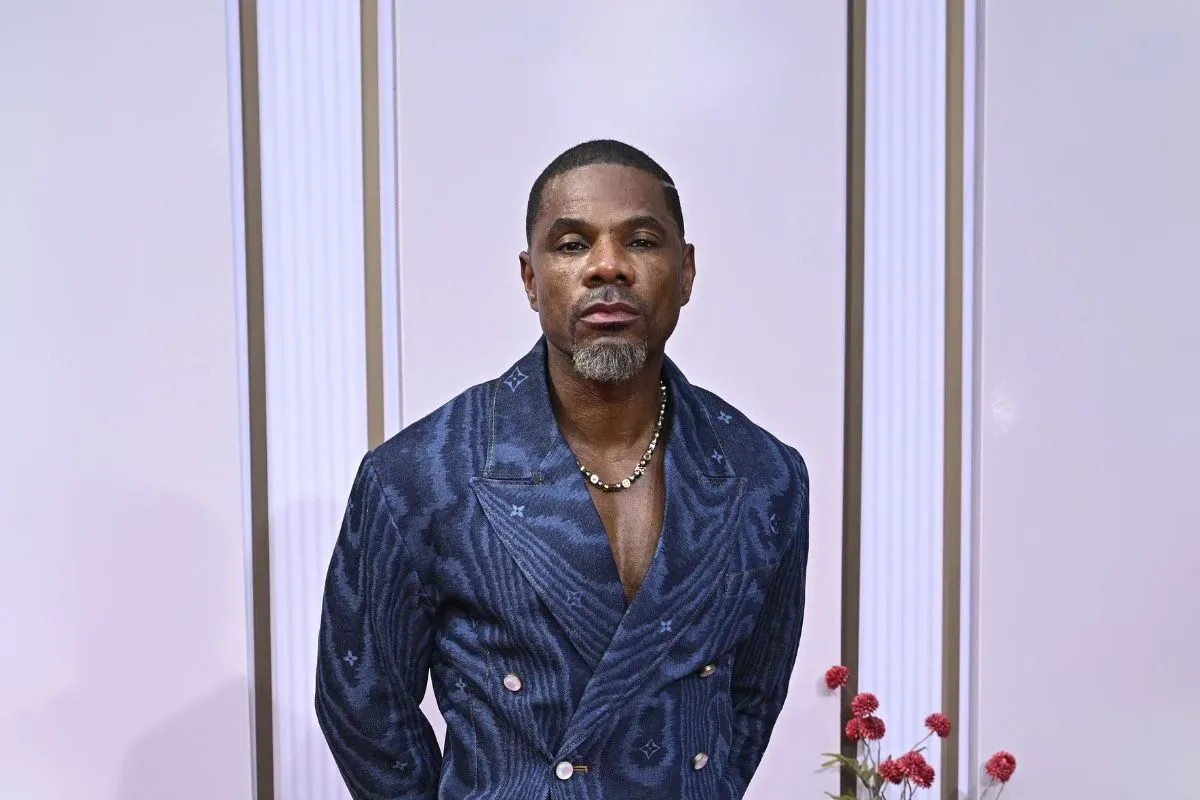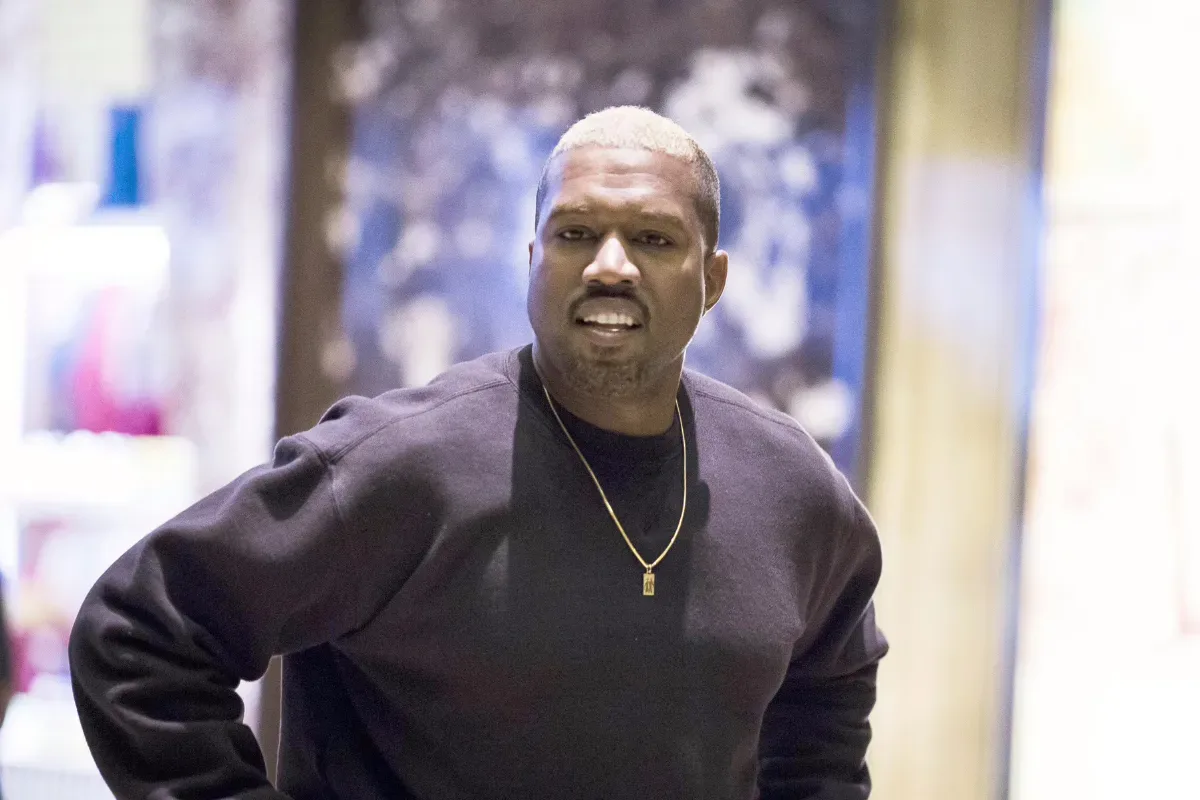
Kirk Franklin has described turning down an offer from Kanye West that came with an unusual condition: West would supply beats, but receive no public credit.
Franklin said he could not accept that arrangement because it would effectively welcome the music while excluding the person who made it. “Because that sends a message that your gift is good enough, but you’re not,” Franklin said in an interview with Nessa on HOT 97.
The account puts a sharp point on a question that has long followed Franklin’s career: who is allowed to participate in gospel music, and under what terms? For Franklin, the issue was not simply whether a prominent rap artist could contribute to a gospel project. It was whether that contribution had to be hidden to make the project acceptable to part of the faith audience.
His answer, as he tells it, was no. A credit is more than a line of small type in album metadata. It publicly acknowledges creative work, attaches an artist’s identity to a recording and, in this case, would have meant refusing a distinction between a collaborator’s musical value and their personal acceptability.
A 2014 visit and a larger conversation
Franklin recalled West coming to his home the day after Thanksgiving in 2014 with West’s father and cousin. West had been visiting relatives in Oklahoma and drove from there. Franklin said West and his father finished the Thanksgiving leftovers, an ordinary detail in a story centered on a much larger cultural tension.
Franklin characterized West’s interest as a desire to help gospel music. The proposed anonymous contribution, however, exposed the anticipated pushback around a public association. Franklin’s objection addressed that premise directly: if the work is welcome but the artist must be concealed, the collaboration carries a message of exclusion.
That framing matters because “credit” in music can mean several things. It can refer to an on-record acknowledgement for production, songwriting, performance or another role in the creation of a track. Franklin did not lay out the proposed contractual details, ownership terms or the specific songs involved. What he did explain was the public-facing condition: West’s name would not be attached to the beats in order to avoid offending Christians.
Franklin’s recollection should therefore be understood as his account of a private creative proposal, rather than evidence of a released collaboration from that encounter. It also does not erase the fact that the two artists later worked together publicly.
Related coverage includes Kirk Franklin Explains Why He Turned Down Kanye West Beats Without Credit.
Franklin and West did collaborate in public
In 2016, Franklin appeared on “Ultralight Beam,” the opening track on West’s album The Life of Pablo. He also appeared with West on Saturday Night Live, in a performance that put gospel, rap and R&B artists on the same stage.
Those appearances offer an important distinction. Franklin’s recent comments are not a blanket rejection of working with West, nor do they suggest that the artists never found a public way to intersect. Instead, they identify a boundary Franklin says he would not cross: participation that depends on denying the contributor visible acknowledgement.
The broader context is central to why that boundary carries weight. Franklin has spent decades making music that moves among gospel, R&B and hip-hop audiences. That crossover has drawn listeners while also inviting criticism from people who favor stricter ideas of what gospel performance should sound or look like.
Why the question is familiar to Franklin
In a 2016 interview with PBS, Franklin discussed criticism from traditional churchgoers over his sound and his stage movement. The same reporting noted that “Stomp” reached R&B and hip-hop charts and secular radio in 1997. The song’s reach is a concrete example of the tension: gospel music could enter spaces beyond its traditional base, but doing so could prompt concerns about style, audience and religious boundaries.
Franklin’s career had already shown that gospel could reach a large audience. His 1993 debut, Kirk Franklin and the Family, spent 100 weeks on gospel charts. He told PBS that religious rules can interfere with an individual’s relationship with God, and he connected the challenge of reaching people to falling church attendance among younger audiences.
That history helps explain why the proposed uncredited beats landed as more than a production choice. Franklin has argued through his work and public comments that access to faith should not be narrowed by cultural gatekeeping. In that context, concealing a collaborator because some listeners might object conflicts with his wider stance on who may be present in the music.
“Because that sends a message that your gift is good enough, but you’re not.”
The quote also separates acceptance of a product from acceptance of a person. Franklin’s concern was not that listeners might dislike a particular beat. It was that the proposed anonymity would imply the music could be used only after the musician behind it had been removed from public view.
Crossing lines can bring consequences
Franklin has also spoken about the personal cost of operating across musical and religious lines. Ahead of his album I Am What I Am, he said in a separate interview with Big Mack that rejection from his own faith community could hurt more deeply than creative conflict.
That distinction is revealing. A creative disagreement can be about arrangement, genre or a project’s direction. Rejection from one’s religious community can feel more fundamental, because it calls into question belonging. Franklin said the album title reflected how much of his life has been spent demonstrating his love for Jesus even when others questioned him.
His account of the West proposal fits within that long-running experience. It is a story about artistic collaboration, but it is equally a story about belonging, visibility and the pressure to make cultural compromises for approval.
Franklin’s newest chapter also continues his connection to artists and labels beyond narrow genre divisions. In September, he signed with Uptown Records, the label founded by Andre Harrell. The label’s history includes Mary J. Blige, Jodeci and Heavy D & The Boyz, placing Franklin at a company with roots in R&B and hip-hop as well as a broad popular-music legacy.
I Am What I Am and its guest list
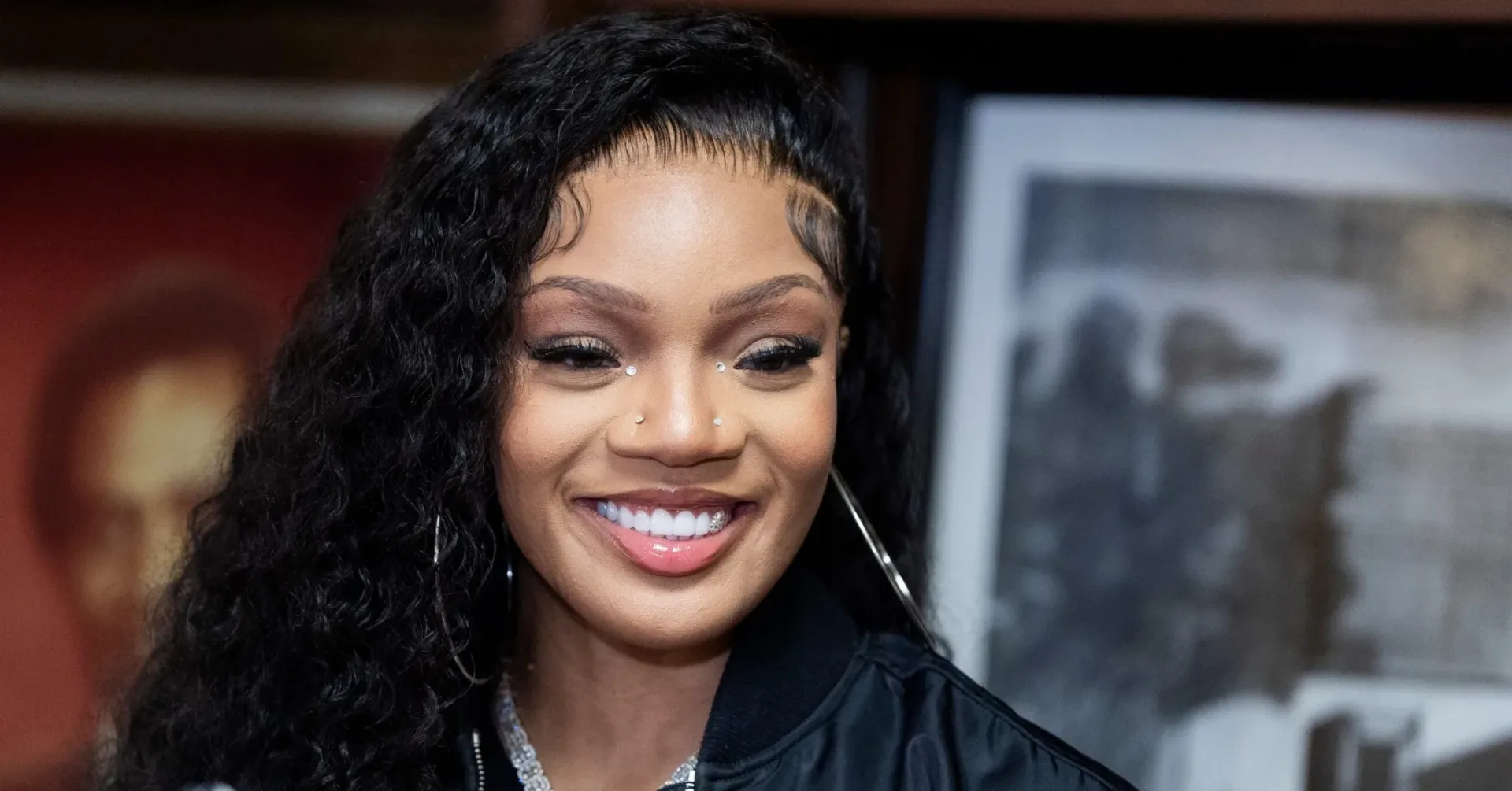
Apple Music listed I Am What I Am as a 14-track project for October 30, with GloRilla, Davido and Jelly Roll among the guests. The announced collaborators reinforce the wide musical field around Franklin’s current work: artists associated with different scenes and audiences appearing around a gospel figure whose career has repeatedly tested the limits of genre labels.
GloRilla’s involvement is notable in light of her current visibility in pop culture; she has also recently appeared in a Halloween-themed story with Brandon Ingram, covered here. But the more meaningful point in Franklin’s own account is not celebrity proximity. It is his stated refusal to turn a collaborator into an invisible presence for the sake of smoothing over objections.
Franklin has not presented his path as friction-free. His comments instead describe the emotional and professional reality of bringing gospel into conversation with artists, styles and listeners that some churchgoers may regard with suspicion. The earlier West proposal distilled that problem into a single condition: take the music, but do not name the musician.
Franklin says he rejected the condition. His later work with West, his history of genre-crossing releases and the guest list attached to I Am What I Am all point to the same practical principle: collaboration can be public, and creative inclusion should not require a person’s identity to be edited out.