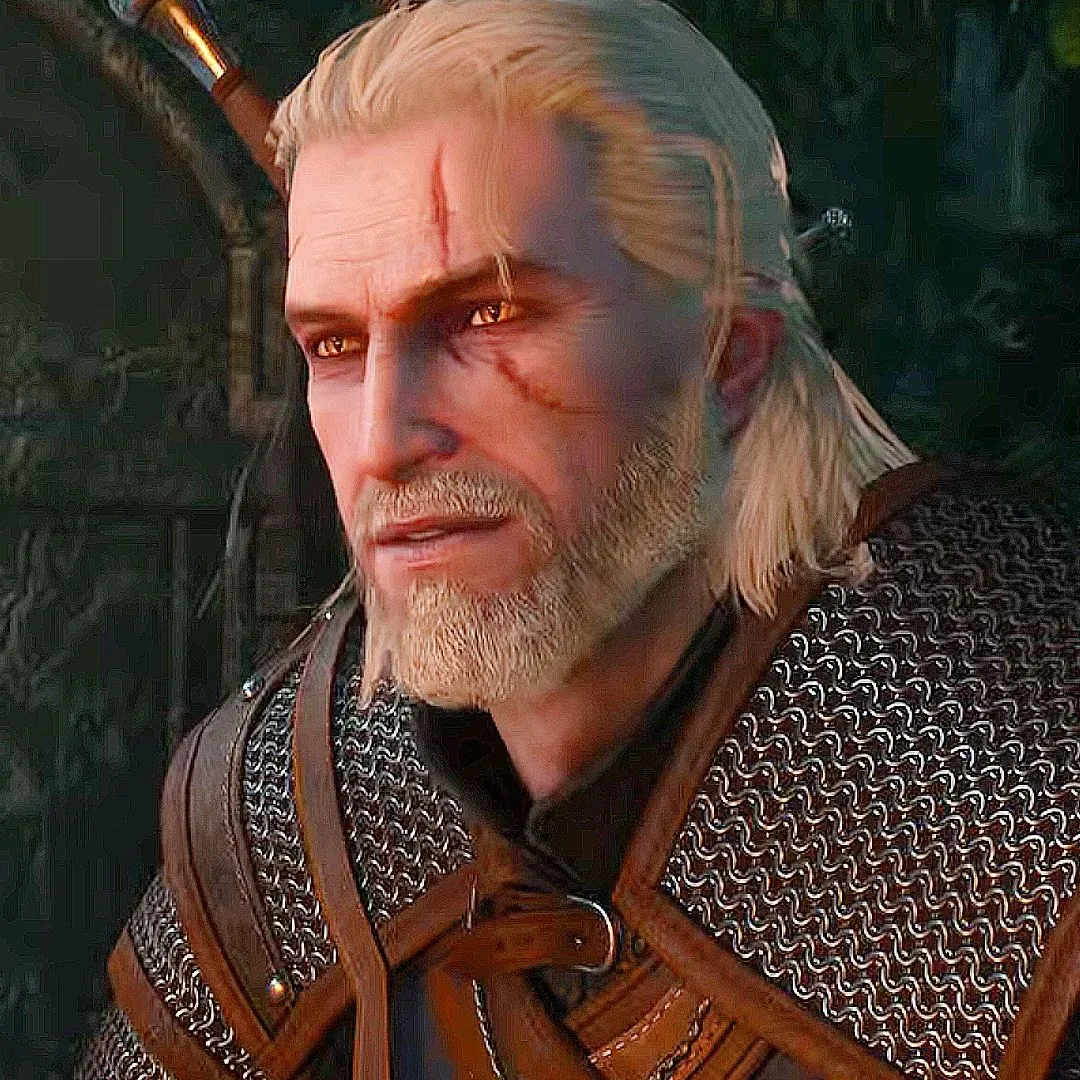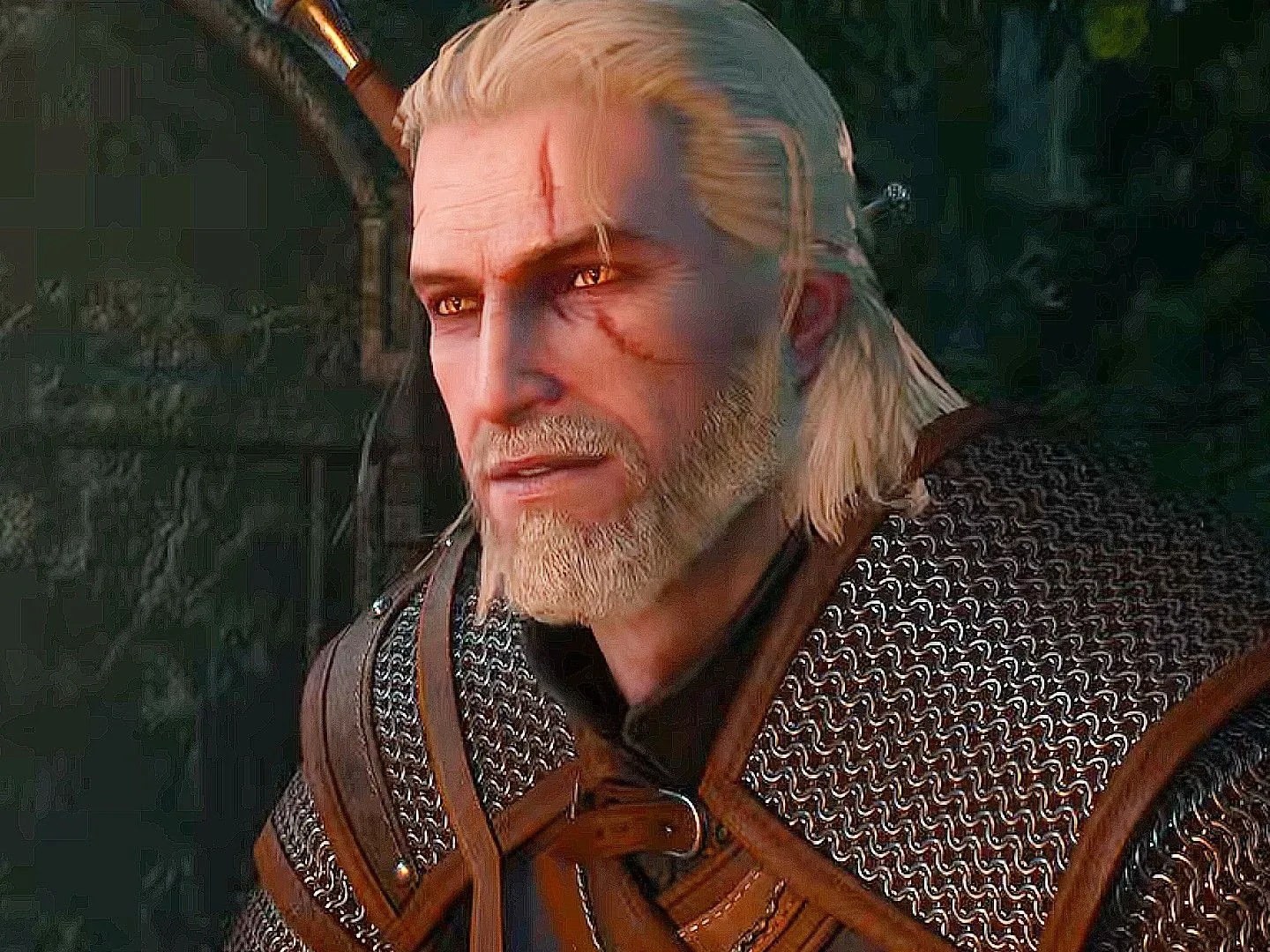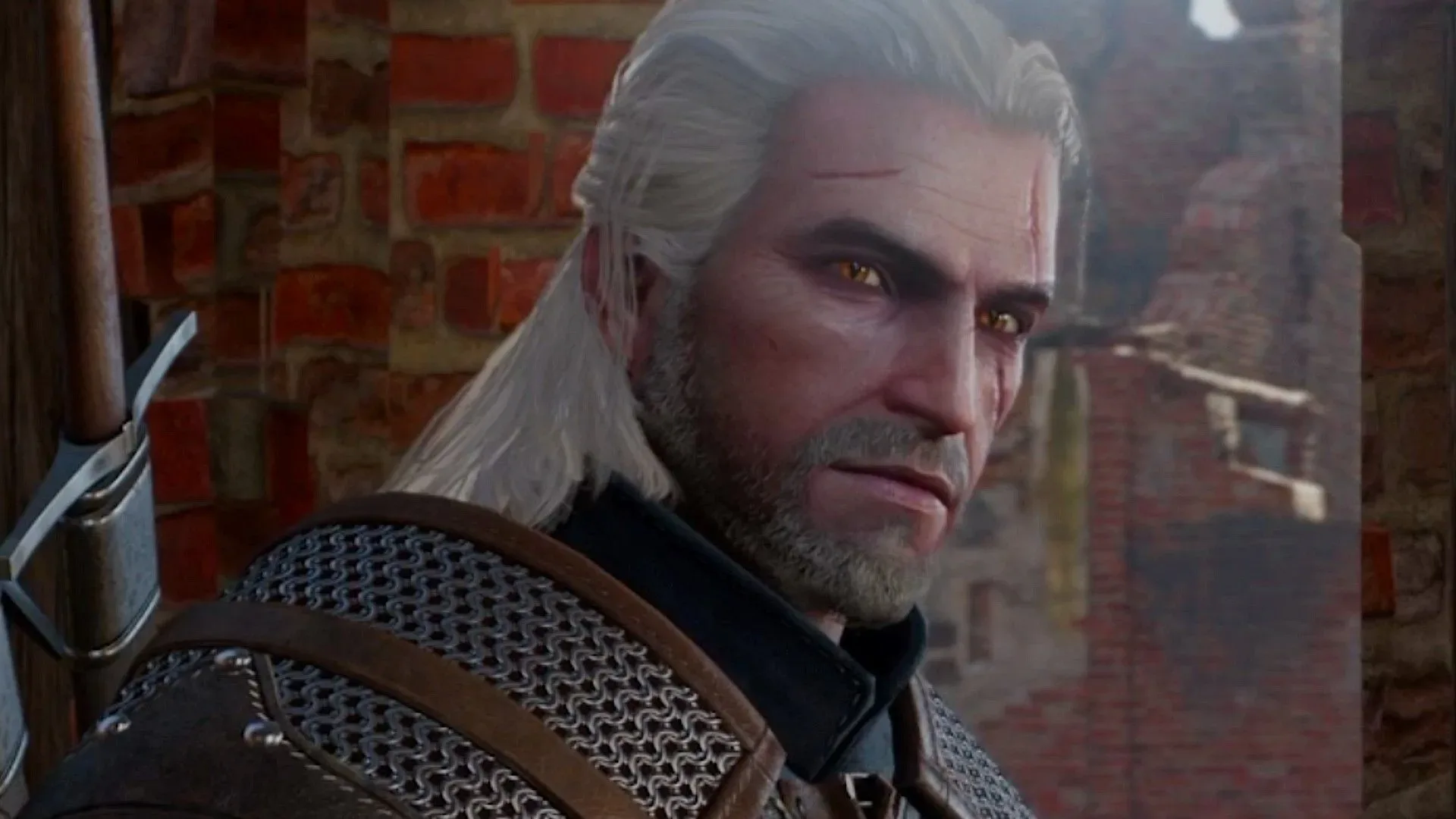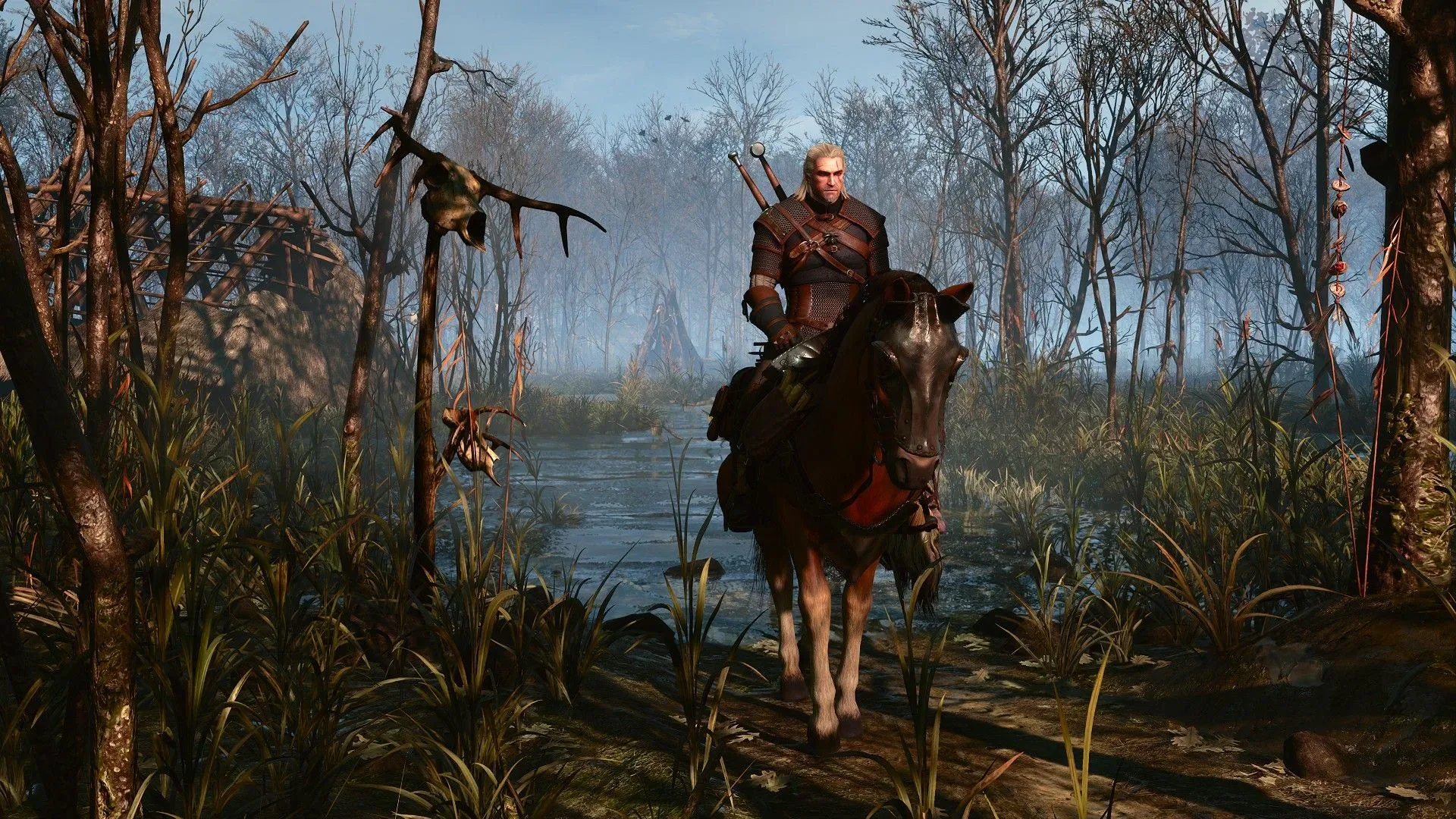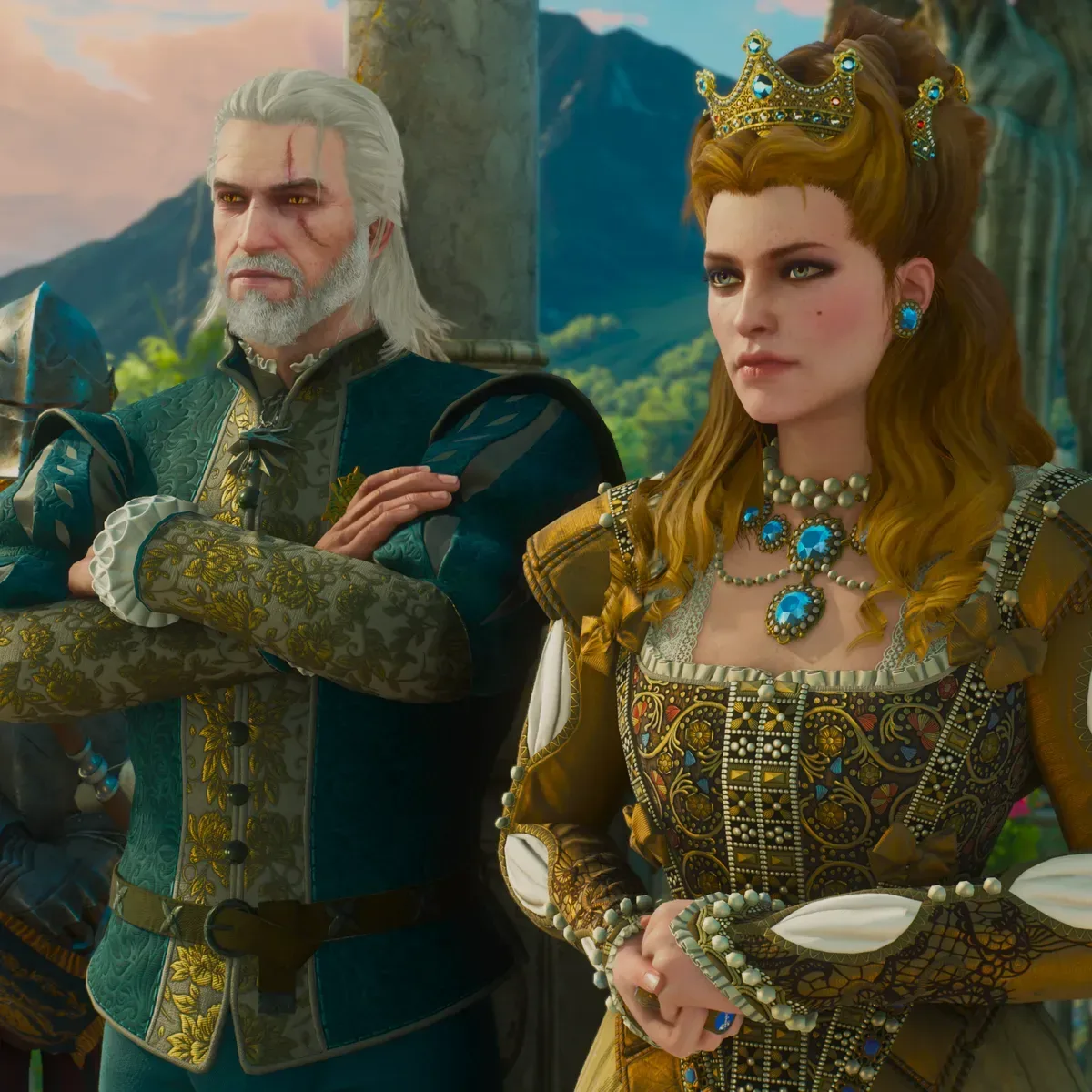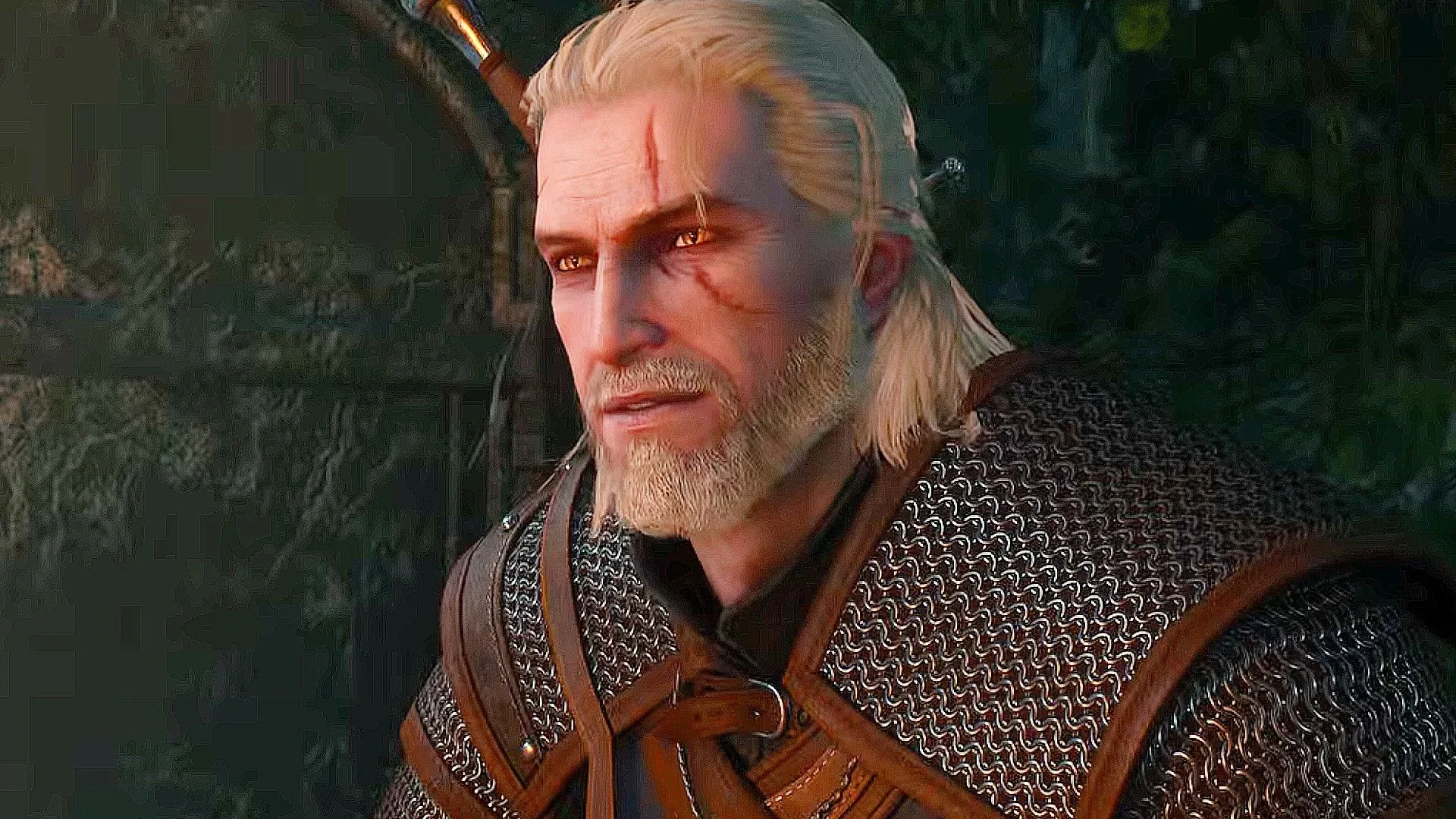
The low-poly pigeons are safe. The Witcher 3 Remastered’s broad visual upgrade briefly prompted fears that one of the role-playing game’s most wonderfully odd background details had been replaced: the angular, famously rough-looking pigeons seen flying around its world. It turns out the alarm was premature. Images interpreted as an updated flying-bird model showed a separate type of bird instead—the pigeons found on the street. The airborne low-poly originals are still present.
It is a tiny clarification beside the remaster’s wider changes, but it landed as a genuine relief for players who regard the birds as part of the game’s personality. A side-by-side image labeled “Pigeons Remastered” helped the apparent redesign travel quickly, and the response was suitably melodramatic. Once the distinction between street pigeons and flying pigeons became clear, the community verdict was concise: glory to low poly.
What actually changed—and what did not
The crucial detail is that not every pigeon in The Witcher 3 uses the same visual asset. The birds shown in the disputed comparison are street pigeons, rather than the low-detail birds that fly overhead. That difference was easy to miss in isolation, particularly because the remaster is explicitly a visual overhaul and players had every reason to expect models, lighting, and scene detail to receive attention.
But the beloved flying pigeons have not been removed or remodeled into a more elaborate form. They remain the same conspicuously angular creatures fans remember from the original 2015 release. In a game otherwise associated with expansive landscapes, dense settlements, and detailed character work, their simplicity has long made them a meme-worthy sight.
The mix-up also offers a straightforward lesson for anyone comparing old and revised game footage: before treating an apparent model replacement as a change, make sure the screenshots show the same object in the same context. NPC variants, distance-based models, lighting conditions, and background props can all produce comparisons that look decisive while actually comparing different things.
Why a low-poly bird became worth preserving
Low-poly describes a 3D model built with relatively few polygons. Polygons are the small geometric surfaces used to construct a digital object’s shape. Fewer polygons generally mean fewer visible curves and a more faceted silhouette; more polygons can create rounder forms and finer detail. A bird made from a minimal number of these surfaces can therefore look startlingly angular when paused, zoomed in on, or viewed against otherwise sophisticated scenery.
That does not automatically make a low-polygon model a mistake. Games make visual trade-offs constantly, especially for small, distant, fast-moving, or numerous background elements. A flying pigeon is usually not the focus of a scene. The model only becomes conspicuous when a player looks directly at it—or when the internet turns it into a mascot.
The Witcher 3’s pigeons sit in that oddly affectionate category. They are not a quest hook, a combat system, or a major story character. They are a piece of ambient world dressing that gained cultural weight precisely because they look so out of place in a prestigious, large-scale RPG. Their survival suggests that a remaster does not have to sand down every strange edge simply because newer rendering techniques are available.
Related coverage includes The Witcher 3 Remastered Keeps Its Beloved Low-Poly Pigeons.
There is a useful distinction here between technical polish and historical character. Better lighting, cleaner textures, revised systems, and more detailed scenes can make sense for a remaster. Yet the smallest imperfections can be inseparable from players’ memories of a game. Removing all of them may make an older release more uniform, but it can also erase the accidental details communities came to love.
Path tracing does not require a new pigeon
Part of the joke around the confirmation is that the birds can now coexist with “glorious path tracing.” Path tracing is a rendering approach that simulates the paths of light to produce more natural-looking illumination, reflections, and shadows. In plain terms, it concerns how light behaves in a scene, not whether every object needs to be rebuilt with a larger polygon count.
That contrast is what makes the pigeons amusing: sophisticated lighting technology can illuminate a deliberately or memorably simple bird model without changing its shape. A technical upgrade and a preserved old asset are not mutually exclusive. The remaster can pursue more advanced visuals while still leaving room for a familiar rough-edged detail in its world.
For players, the practical point is modest but clear. An attractive screenshot of a revised bird model is not evidence that the classic flying pigeons are gone. The street-bird model and the airborne model serve different visual roles, and the latter remains in place.
A visual overhaul with more than graphics on its mind
The pigeon concern emerged because The Witcher 3 Remastered is not framed as a minimal touch-up. Alongside reworked visuals and improved combat, the update changes skill trees and introduces new quest markers. It also includes a mode intended to “reduce cognitive load.”
Cognitive load refers to the amount of mental effort required to process information and make decisions. In a sprawling RPG, that can mean keeping track of objectives, interpreting map indicators, managing character progression, and navigating a long list of possible activities. The available details do not spell out exactly how the mode works, but its stated purpose places it alongside accessibility and usability-oriented options: features designed to make a complex game easier to parse rather than merely easier to win.
New quest markers have similarly practical implications. They can alter how players locate objectives and organize their time in a large open world. Skill-tree revisions can affect how clearly builds are understood or how readily players can pursue a preferred playstyle. Those are consequential adjustments because they touch the ongoing rhythm of play, not just the presentation of a scene.
Players thinking about returning to the game may also want to consider choices that carry over from its predecessor. Our guide to simulating a Witcher 2 save in The Witcher 3 Remastered explains the decision that can keep Letho’s questline available.
The real significance of the false alarm
On one level, this was simply a case of fans seeing a screenshot, reaching a reasonable but incorrect conclusion, and then celebrating a correction. On another, it reveals what audiences hope a remaster understands. Players do not always judge a new edition solely by frame-by-frame fidelity or the scale of its feature list. They also notice whether it retains the unplanned signatures of the older version.
That does not mean every dated asset must be untouchable. A remaster has to make choices, and its new street pigeons demonstrate that the game’s background life can be updated. Rather, the episode shows why selective preservation matters. When an old visual quirk has become a shared joke, removing it can feel less like a routine cleanup and more like a small loss of identity.
The wider response has been enthusiastic because the resolution permits both things at once: The Witcher 3 Remastered can expand on the original through visual and gameplay-facing changes, while its most charmingly primitive birds keep circling above. For a debate that began with an alarming pair of screenshots, that is about as good an ending as fans could have wanted.
What is next for The Witcher 3 Remastered
The remaster is currently the highest-scoring game of 2026 on Metacritic, placing two points ahead of the original RPG. Further support is also planned: an expansion called Songs of the Past is expected sometime next year. Specific details beyond that timeframe are not established here, so players should be wary of treating the pigeon clarification as a roadmap for future asset changes or features.
For now, the status of the matter is simple. Street pigeons may look different. The flying low-poly pigeons—the ones players feared had been polished out of existence—are still there. Path-traced lighting has not conquered every glorious triangle.