Cygames is opening a new lane for projects that do not need to carry the enormous backpack of a flagship production. The company has launched Cygames Edge, a publishing label intended for smaller and mid-sized games made internally with leaner development structures. Its stated purpose is straightforward: give teams room to build distinctive, self-contained games and bring them to players on a more regular schedule.
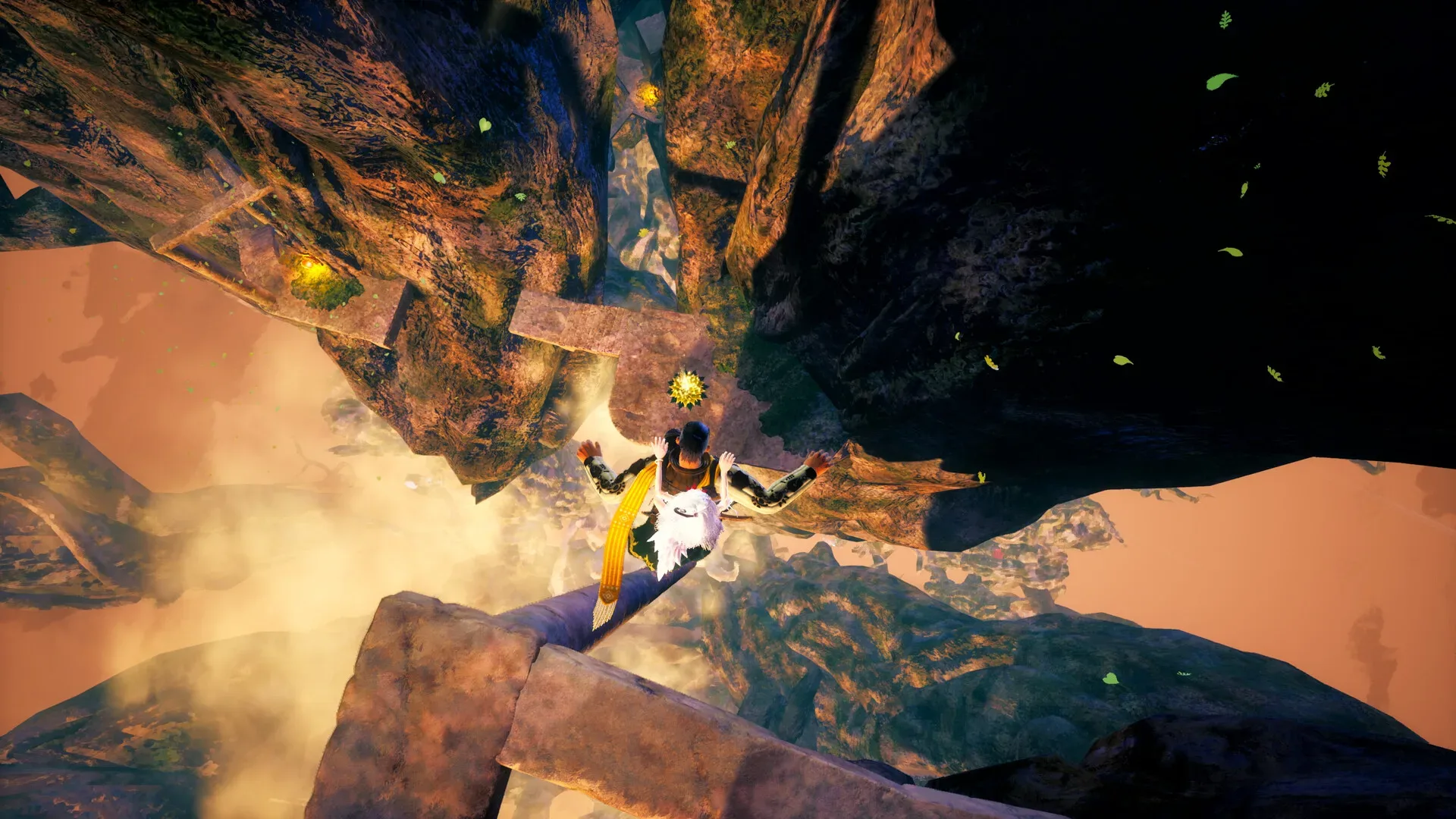
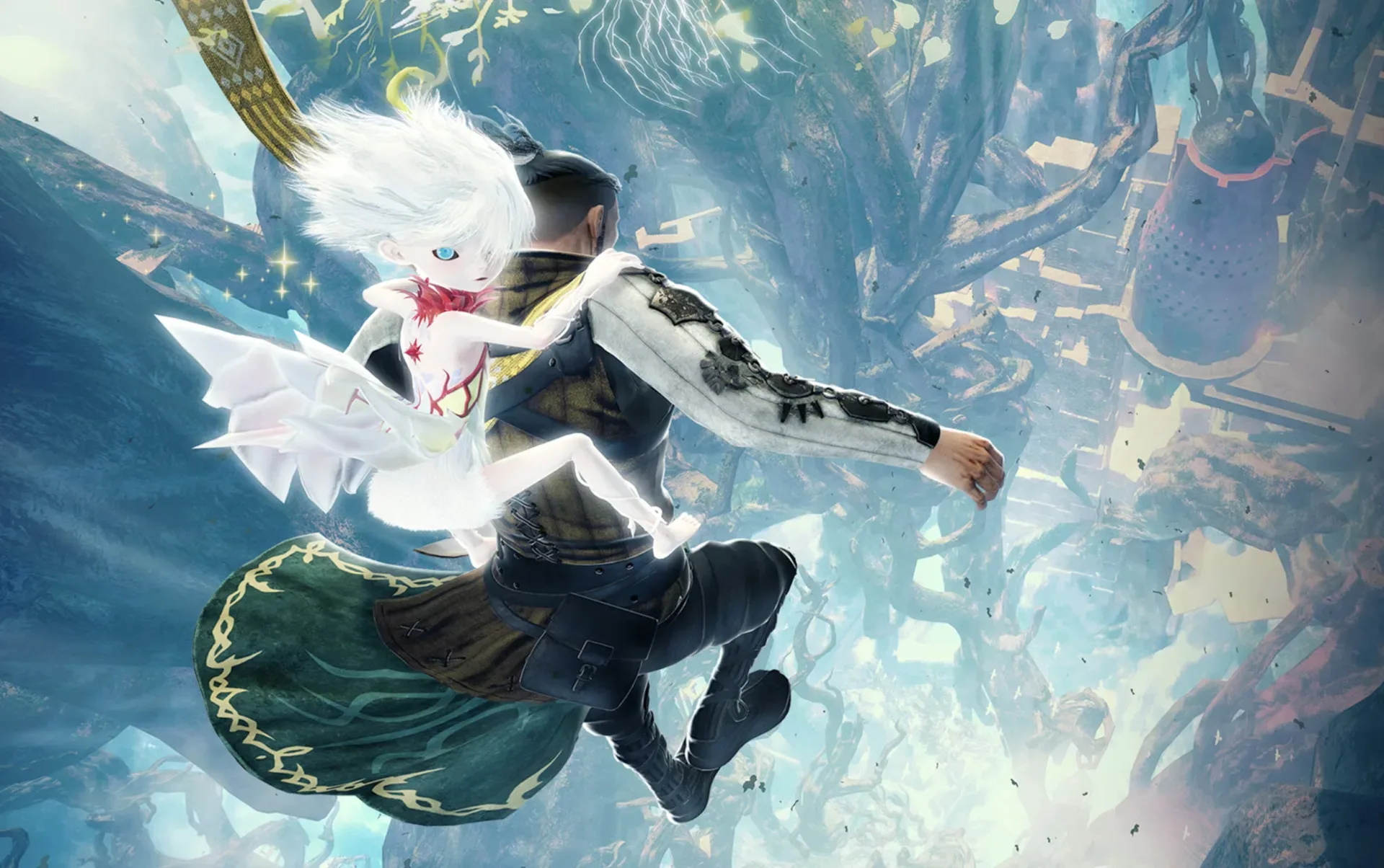
The first game under that banner is Where the Seeds Fall, an action-adventure platformer built around descending an enormous tree. It is planned as a compact experience rather than an epic campaign, with an estimated main run of roughly three hours. The game is set for a digital release on November 5 for Steam, PlayStation 5, and Nintendo Switch 2.
That may sound like a modest beginning for a company associated with massive franchises and long-running productions, but that contrast is exactly what makes the new label notable. Cygames Edge is not being positioned as a replacement for large projects. It is a parallel route: one designed to make smaller ideas possible without requiring each one to become a years-long, all-consuming blockbuster quest.
A label built for a different development rhythm
Modern game development has a habit of turning every promising concept into a gigantic undertaking. Big teams, broad platform plans, high visual expectations, ongoing support ambitions, and the need to satisfy an established audience can all make the distance between announcement and release feel very long. A smaller label can offer a counterweight to that process, at least in theory.
Cygames Edge will concentrate on small and midsize internally developed releases, with teams structured to move more efficiently than a major AAA-scale production. The aim is not simply speed for its own sake. A short production cycle can let creators test a focused gameplay idea, ship it before its personality has been sanded down, and then move on to the next experiment with what they learned.
That approach matters because Cygames has examples at both ends of the development-timeline spectrum. Granblue Fantasy: Relink, for instance, changed development partners after PlatinumGames’ involvement and was eventually completed in-house. It arrived in summer 2024, eight years after its initial announcement. The game later received an expansion earlier in 2026.
Other previously revealed Cygames projects remain less visible. Project Awakening, announced in 2016, and Garnet Arena: Mages of Magicary, announced in 2021, have each spent years without substantial public updates beyond confirmation that development continues. Silence does not automatically mean a project is troubled, but it does illustrate why a separate framework for contained games could be useful. Not every game benefits from becoming a mystery that ages several console cycles before release.
Where the Seeds Fall keeps its pitch compact
Where the Seeds Fall appears deliberately tailored to the goals of Cygames Edge. Rather than asking players to prepare for a vast open world or a hundred-hour RPG schedule, the game presents a single strong premise: navigate downward through a giant tree in an action-adventure platformer.
Related coverage includes Cygames Edge Launches to Bring Smaller Games to Players Faster.
The expected three-hour length is a meaningful part of that pitch, not merely a footnote. Short games can make a clear promise to players: this is a complete adventure with a defined shape, one that can fit into a weekend without demanding a month of calendar negotiation. Of course, duration alone does not determine whether a game feels satisfying. The route downward will need engaging movement, inventive spaces, and a rhythm that supports its compact scale. Still, choosing restraint from the outset can be a strength.
Replayability is also part of the plan. Additional modes are expected, including a time-trial option aimed at speedrunners. That is a natural match for a platformer with a clear route, where players can return to improve execution, discover faster lines, and chase cleaner runs after first seeing the ending. It provides a reason to revisit the game without pretending that every small project must expand into an endlessly serviced product.
There is an appealing bit of genre logic in the setup as well. Platformers have long thrived on a simple spatial hook: go up a tower, escape a dungeon, cross a mountain, race across a stage. A descent through a towering natural structure gives designers opportunities to make the surroundings change as players travel, shifting the hazards, tone, and sense of place along the way. Exactly how Where the Seeds Fall handles those ideas remains to be seen, but its concept is specific enough to stand apart from a generic action-platformer description.
Collaboration without losing the smaller-project focus
The game is being developed through a partnership between Cygames developers and ZEREO Inc.. That collaboration is worth noting because a smaller label does not necessarily mean a tiny project made in isolation. It can mean keeping the scope controlled while drawing on specialized talent and giving a focused team a clear target.
Programs like this have parallels elsewhere in Japan. Bandai Namco’s GYAAR Studio is one example of an initiative that has supported smaller-scale games and helped teams develop their craft around projects that can stand on their own. Cygames Edge enters a similar territory, though its identity will ultimately depend on the kinds of games it releases after this first one.
For developers, such labels can create a valuable middle ground. There is a major difference between being assigned to a massive franchise installment and being given the resources to make a concise, unusual game with a beginning, middle, end, and recognizable mechanical premise. Neither path is inherently better. Large productions can deliver spectacular worlds and elaborate systems, while smaller productions can prioritize a precise idea that might be harder to justify in a blockbuster planning meeting.
For players, the benefit is potential variety. A publisher known for major games can still make room for the unexpected: a quick platformer, an oddball puzzle game, a compact action title, or a genre blend that does not need an enormous roadmap to validate its existence. The important question will be whether Cygames Edge can maintain a steady output without treating smaller games as disposable side dishes.
A quick trip from reveal to release
Where the Seeds Fall was shown during a recent State of Play presentation and is arriving on November 5. That relatively tight reveal-to-release window fits the philosophy behind Cygames Edge. Players get to see the game, understand its scale, and anticipate a release that is near enough to remember without maintaining an elaborate corkboard of old trailers and calendar speculation.
The confirmed platforms cover three major audiences: PC through Steam, PlayStation 5, and Nintendo Switch 2. No physical edition, price, or additional platform has been detailed here, so those are matters for future information rather than assumptions. Its digital-first rollout also makes sense for an experiment built around a smaller scope and a prompt release cadence.
The platform mix is especially practical for a game that may appeal to both relaxed players and speedrunning-minded specialists. Steam provides a familiar home for PC platformer communities, while PS5 and Switch 2 put the game in front of console audiences with different play habits. The time-trial mode could become an important part of the conversation if the movement and course design invite repeat attempts, but its eventual competitive footprint cannot be known before players have had time with the final release.
Cygames Edge arrives amid an industry-wide interest in making development more sustainable without abandoning creative ambition. A label alone cannot solve the difficult realities of schedules, staffing, budgets, or changing player expectations. But a structure that acknowledges different games need different production models is more promising than forcing every idea through one enormous pipeline.
For Cygames, the immediate test is simple: can Where the Seeds Fall make a strong case for the label’s existence? A three-hour tree descent with replay modes is a much smaller proposition than the company’s best-known productions, and that is precisely the point. If it lands as a memorable, polished, clearly scoped adventure, it could establish Cygames Edge as a place where inventive games are allowed to be small on purpose.
And if the label does lead to more frequent releases, that could offer a welcome contrast to the long wait surrounding some larger Cygames projects. Players will still want updates on established games such as Project Awakening and Garnet Arena: Mages of Magicary, but a healthier release slate does not have to depend entirely on the biggest projects crossing the finish line. As another example of how development choices shape a game’s final form, Fable’s decision to build 1,000 NPCs by hand shows just how different a project’s priorities can be when scale and creative control collide.
For now, Cygames Edge has one announced mission and one very specific first game. On November 5, Where the Seeds Fall will show whether a quick descent down a giant tree can become the first sturdy branch of a new publishing experiment.