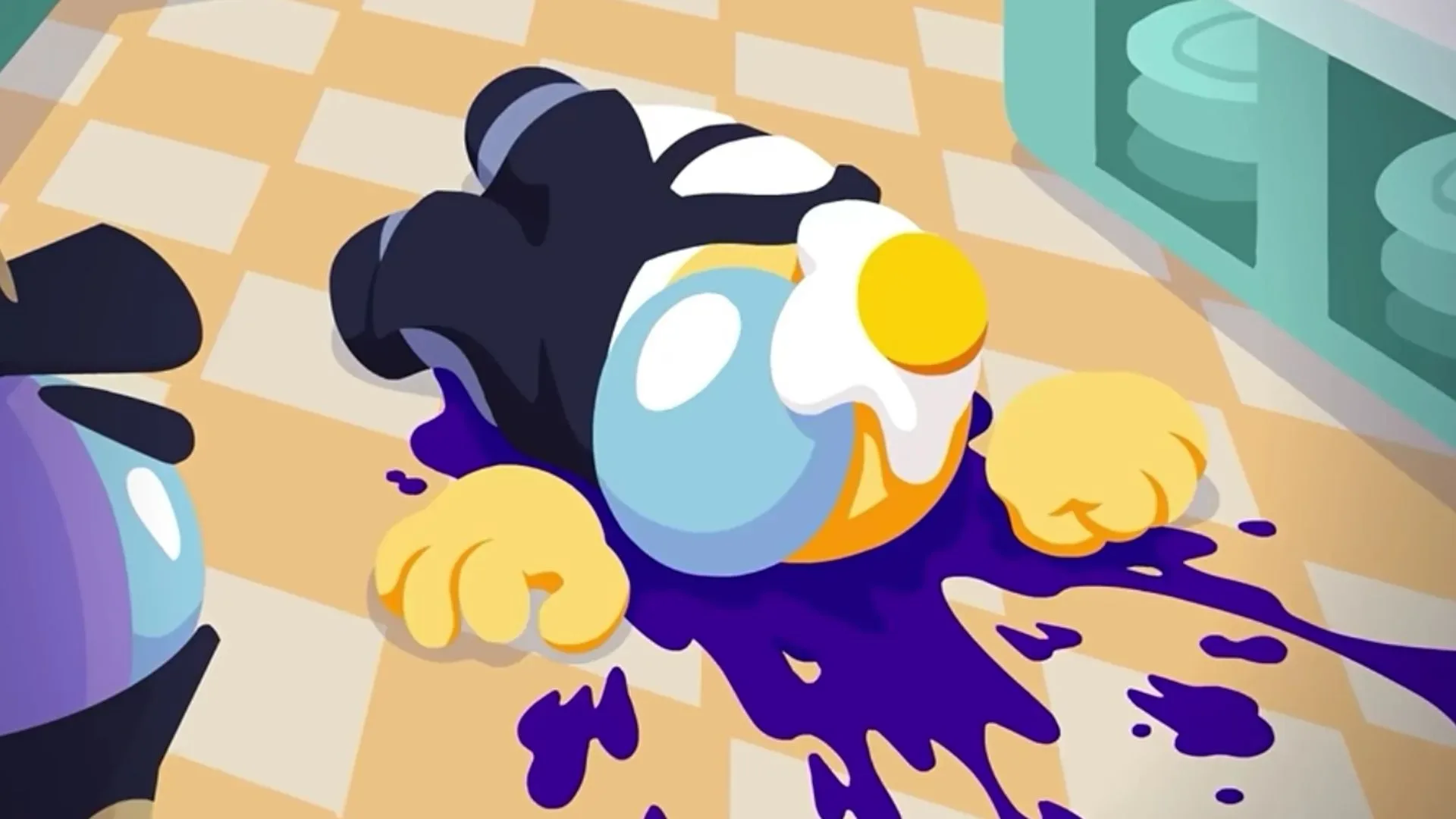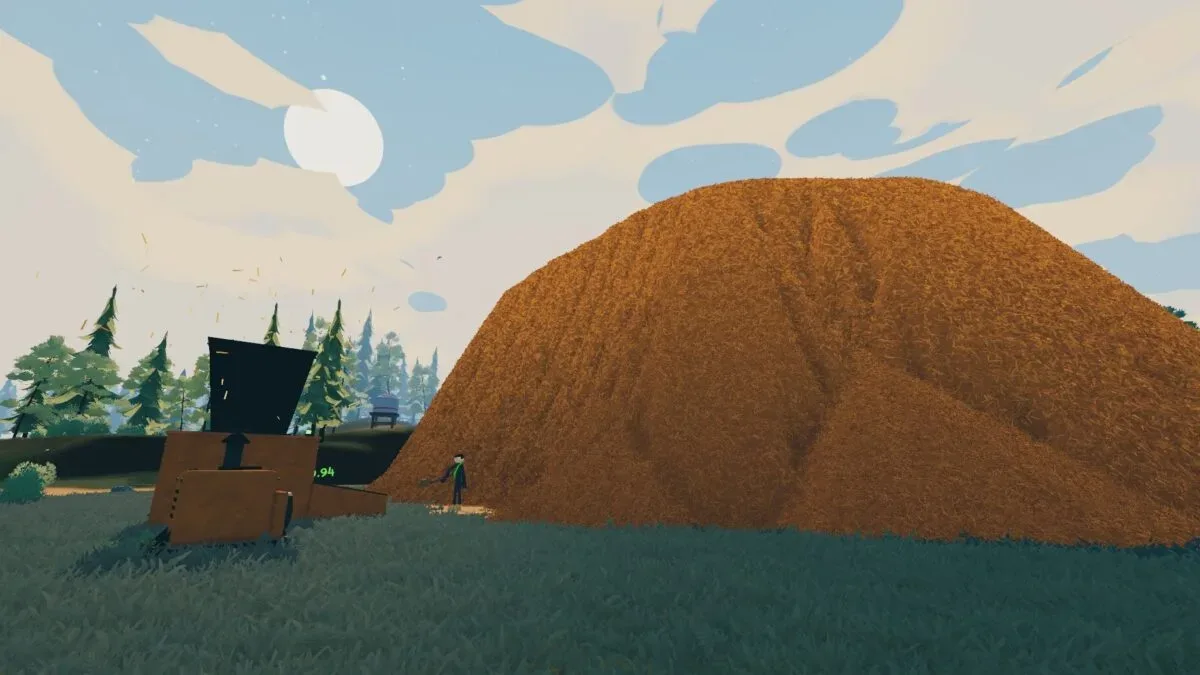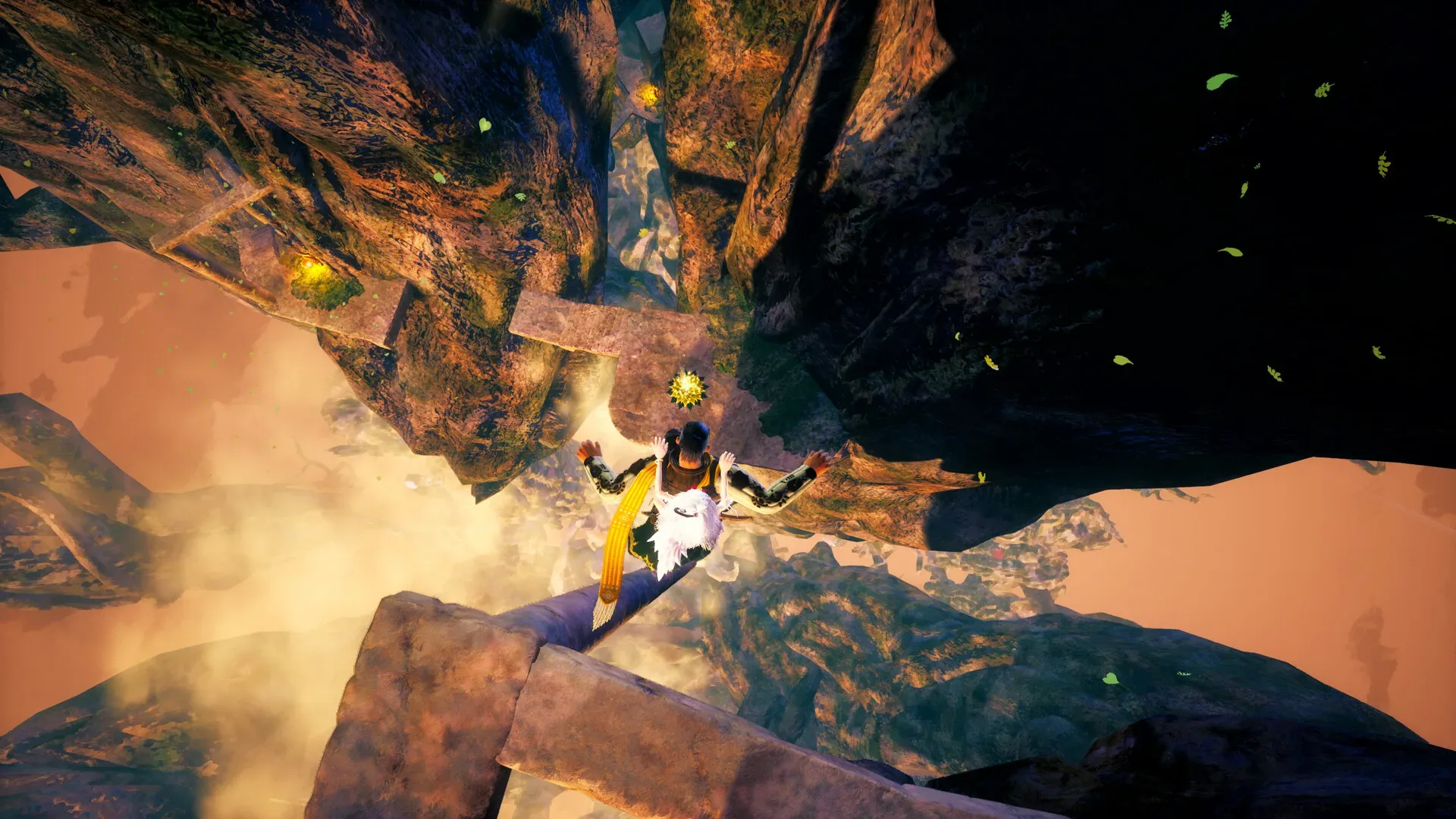
Cygames is building a new lane alongside its larger productions. The company’s recently created CygamesEdge label is focused on smaller, original games made by compact internal teams, with an ambition to release two or three projects a year at roughly the scale of its first title, Where the Seeds Fall.
Where the Seeds Fall is scheduled for release next month and is being positioned around a roughly three-hour playtime. That length is not being treated as an apology or a missing feature. It is central to the label’s argument: some players want a complete experience that fits around work, family, and the increasingly crowded competition for their leisure time.
CygamesEdge director Hamada Shouichiro has described the initiative as a way for the company to explore ideas that may be difficult to pursue inside a major, long-running production. The label intends to keep each project’s development period within three years from the start of work when possible, while acknowledging the usual uncertainty of game development.
A smaller-game label, not a claim to be indie
The terminology matters here. CygamesEdge is not presenting Cygames as an independent developer. It is a label operating within an established company that already works across very different scales, from the mobile-focused Umamusume: Pretty Derby to the large console release Granblue Fantasy: Relink.
Instead, the new division is borrowing a production logic commonly associated with indie games: smaller teams, narrower scope, shorter development timelines, and a greater willingness to build around a singular idea rather than a huge checklist of expected features. That can mean a project has fewer systems, fewer environments, or a shorter campaign. It can also mean the team can protect the point of the game rather than stretching it to fill dozens of hours.
“AAA” generally refers to high-budget game productions designed for broad commercial reach. These games can take years to make, require large teams, and tend to carry substantial expectations around technical presentation, amount of content, and sales. None of that inherently prevents creativity. But the larger the investment, the harder it can be to justify choices that seem unfamiliar, narrowly targeted, or commercially uncertain.
By contrast, a smaller project can test an unusual structure, mood, mechanic, or subject without requiring it to satisfy every possible audience. CygamesEdge’s stated strategy is built around that difference. Its games are meant to be smaller in scale, not necessarily lesser in intent.
Why a three-hour game can be a deliberate proposition
For years, game marketing has often treated bigger as self-evidently better: longer campaigns, larger maps, more activities, more collectibles, and more post-game content. CygamesEdge is making a noticeably different pitch with Where the Seeds Fall. A three-hour runtime can be valuable precisely because it gives players a clear, finite commitment.
Related coverage includes CygamesEdge Targets Two to Three Small Games a Year as Cygames Expands Beyond Blockbusters.
Shouichiro has pointed to developers in their 30s and 40s, including himself, who may have less time to finish games that demand dozens of hours. That observation should not be read as a claim that long games have lost their audience. It is a recognition that player routines are diverse. Someone might want a sprawling adventure one month and a concise game with a distinct ending the next.
A short game also changes the design conversation. If a team knows it has only a few hours, it has to decide what players must see, do, and feel. The result can be a concentrated experience, where mechanics are introduced with less obligation to support a vast amount of content. Of course, brevity alone does not guarantee quality. A short game still needs a compelling premise, careful pacing, and an ending that feels earned. But the length can be a strength when it matches the concept.
That distinction is important for players evaluating CygamesEdge’s output. The label’s stated direction suggests that individual games may not be designed as endlessly replayable commitments or enormous value-per-hour packages. Their appeal may instead lie in variety, completion, and the chance to encounter ideas that would be awkward to finance at blockbuster scale.
Faster release targets come with real constraints
The label is aiming for two or three games of the same general scale as Where the Seeds Fall in a year. That is an ambitious cadence, even with smaller projects. A release target of every few months does not mean every game is made from scratch in a few months; different projects can be at different stages simultaneously. The stated three-year ceiling from development start also makes clear that “small” does not mean instant.
Still, a more frequent stream of releases could give Cygames a way to respond to changing tastes without placing every experimental idea inside a single enormous project. It may also allow the company to build expertise in making tightly scoped games: identifying concepts early, assembling appropriately sized teams, and deciding what not to add.
Scope control is one of the less glamorous but most important ideas in this model. It means matching a game’s ambitions to the time, people, and resources available, rather than allowing every promising possibility to become a required feature. The goal is not simply to make games cheaper. It is to make a game that can be completed and released while its core idea remains clear.
There is a practical risk, too. Releasing more frequently can create pressure to standardize or rush. CygamesEdge’s emphasis on original games will matter most if the projects remain meaningfully distinct from one another. Small teams can move quickly, but they still need enough time for iteration: the repeated process of testing an idea, identifying what does not work, and refining it.
A catalogue strategy in a market where old games keep selling
The label’s role is not only creative. It is also connected to the long-term value of a back catalogue. Shouichiro noted that more than half of games sold on Steam are back-catalogue titles rather than new releases. In plain terms, that means players continue buying games that have already been available for some time, not only the newest arrivals.
For a newer company, that matters. A catalogue is built gradually, title by title. Successful smaller games can continue to introduce players to a publisher long after launch, particularly when a platform’s storefront gives older releases ongoing visibility through sales, recommendations, wishlists, and related browsing. The objective is not just a one-week launch event; it is a library that has value over time.
This also explains why compact original games can be strategically useful even beside a company’s biggest productions. A large project may take years to arrive. Several smaller releases can give players more regular reasons to pay attention, while creating a broader range of work for the company to learn from. Not every experiment needs to become a major franchise to contribute to that catalogue.
The Steam observation also underlines how fierce the discovery problem can be. A game does not automatically find an audience because it is new, small, or inventive. The platform is full of both recent releases and established favourites. For CygamesEdge, a reliable identity and a sequence of appealing projects could be as important as any individual launch.
That crowded environment is already visible in the PC space, where events can contain thousands of playable previews. Steam Next Fest’s enormous demo count illustrates the scale of the visibility challenge facing any team trying to put an original game in front of players.
What CygamesEdge’s plan could mean
CygamesEdge is not a declaration that blockbuster games are finished. Cygames continues to have experience with games made for different audiences and at different scales, and the company’s own reasoning acknowledges that AAA releases remain prominent. The new label is better understood as an expansion of the company’s portfolio: a place for projects whose value is not measured by length or production spectacle alone.
The company has been inspired by examples of indie games finding very large audiences, at times exceeding major AAA projects in sales. Recent success stories such as The Exit 8 demonstrate why a clearly communicated, distinctive idea can cut through. They do not establish an easy formula, however. A breakout is still exceptional, and creating a dedicated smaller-games label is not a guarantee that every release will become one.
What the strategy does offer is a more credible structure for attempting that kind of work. Smaller internal teams can pursue concepts that would be hard to defend inside a vast production framework. A planned cadence of two or three releases a year can turn experimentation into an ongoing practice rather than a rare side project. And a growing catalogue could give the company assets that remain relevant after their launch windows close.
For players, the most immediate signal is simple: watch for games that are designed to be complete, focused experiences. Where the Seeds Fall will be the first test of how CygamesEdge defines that promise in practice. Its advertised three-hour length sets a clear expectation, while the label’s broader plans suggest it wants to make room for more games that choose precision over sprawl.