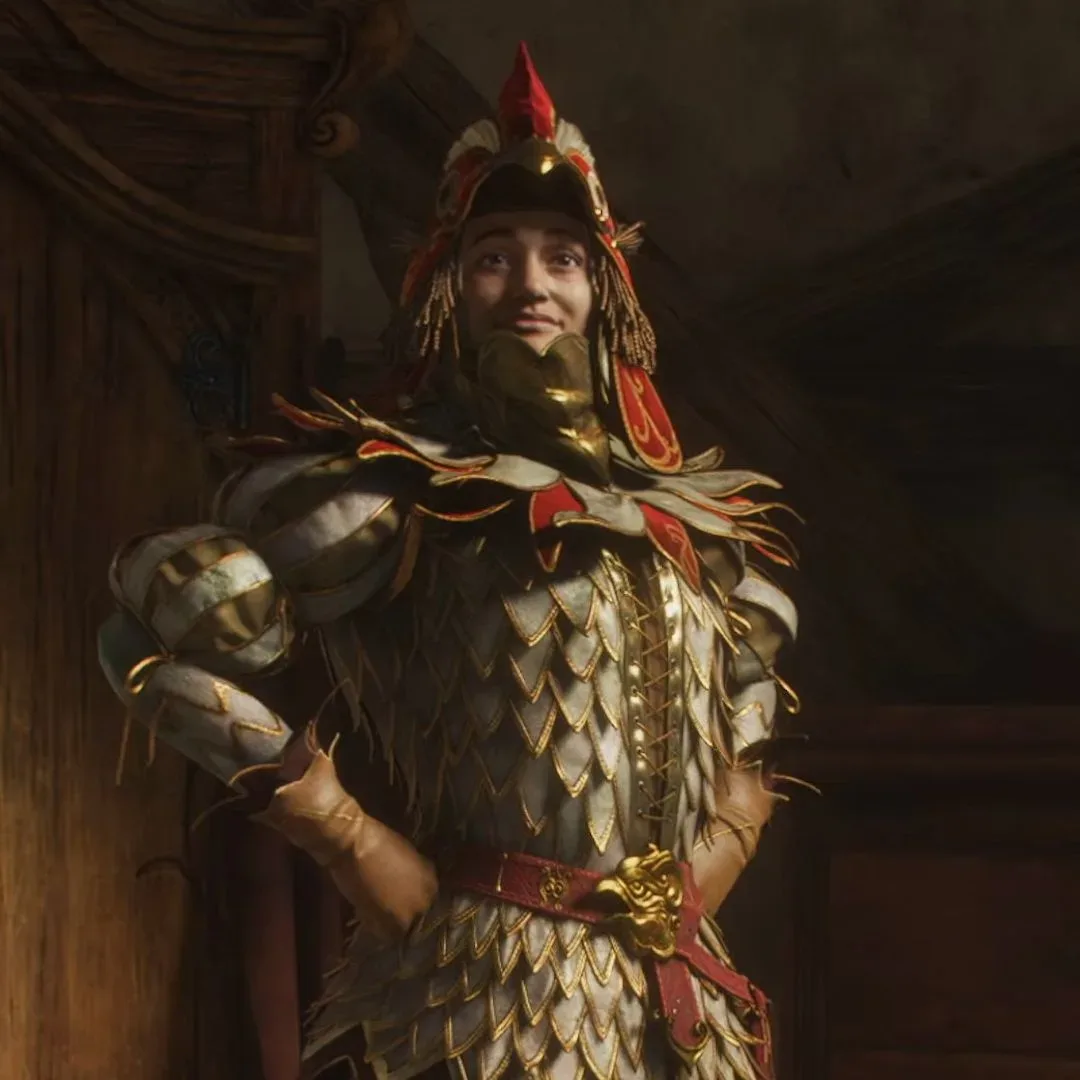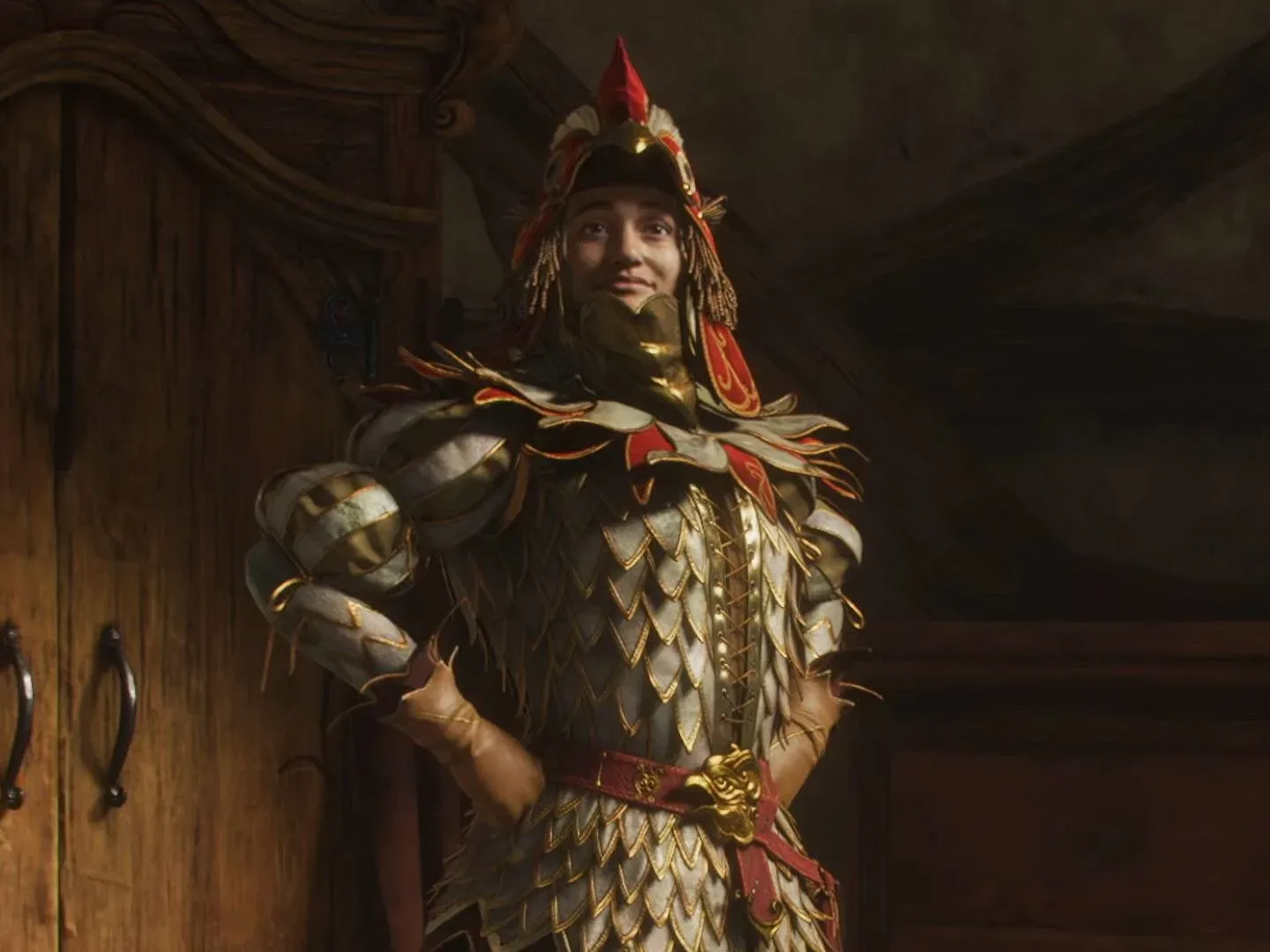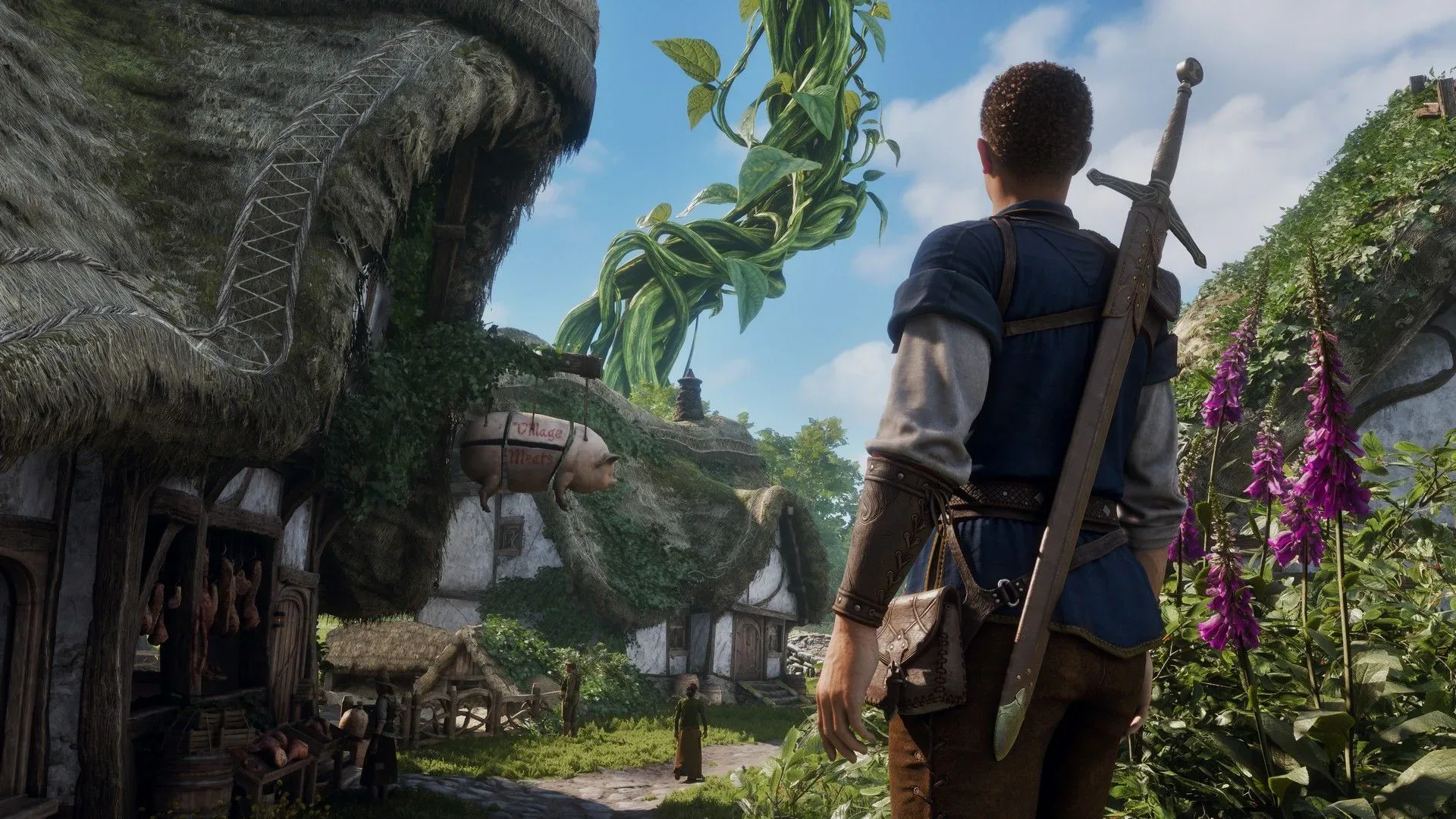
There are many ways to make a fantasy town feel alive. You can give every passerby a schedule, a line of dialogue about the weather, and an uncanny ability to stand directly in a doorway while the hero is trying to leave. The new Fable is taking a more deliberate route: its Living Population consists of roughly 1,000 NPCs assembled individually rather than simply generated by a randomizer.
That choice was not the first plan. Playground Games had created a tool intended to “roll” residents automatically, potentially saving an enormous amount of development time. But game director Ralph Fulton has explained that, despite its labor-saving promise, the results did not consistently feel coherent. The team instead selected the details of every NPC by hand so players could understand who a person was from their appearance, behavior and place in the community.
In other words, Albion’s citizens are not meant to be a bag of disconnected traits wearing trousers. The approach is designed to give the reboot’s villagers, tradespeople, criminals, down-and-outs and potential romantic partners enough internal logic that the player can read them as people—not merely as quest markers who have developed a sudden passion for turnips.
A faster NPC tool ran into a very human problem
Procedural generation is appealing for an obvious reason: scale. A game with around 1,000 inhabitants presents a mountain of small decisions. What does a resident look like? What job do they have? How do they speak, socialize and react to the player? What are their wants, their status and their likely relationships with everyone around them? Automating even part of that work could have freed the team from a considerable amount of manual setup.
Yet speed is only useful when the output holds together. The randomized version of the Living Population could produce clashes between an NPC’s visual presentation and their role or personality. The broad examples are easy to picture: a butcher whose defining trait conflicts with selling meat, or a hairdresser whose own hair suggests an emergency appointment elsewhere. Those combinations might be amusing once or twice, but a whole town full of them risks feeling less like whimsical fantasy and more like an administrative error at the Kingdom Character Creator.
Fulton’s description points to a central design goal: every NPC should make sense “top to bottom.” That does not mean every resident needs to be sensible in the ordinary real-world sense. This is Fable, a series with room for fairytale exaggeration, comic cruelty and people who may judge a hero’s entire moral character by the contents of their wallet. It means a character’s occupation, look, personality and social role should feel intentionally connected.
The abandoned tool could have saved substantial time, but the developers found its generated NPCs did not make as much sense as carefully authored ones.
Why coherence matters in a social RPG
NPC consistency is especially important because the new Fable is not presenting its people as purely decorative scenery. The Living Population is built around residents with different personalities and needs, including people who can become involved in the player character’s personal life. A person’s response may hinge on how the player behaves and what reputation or wealth they have accumulated.
Related coverage includes Fable's 1,000-Strong Living Population Was Built by Hand After Random NPC Tool Fell Short.
Wealth, for instance, may make certain citizens more interested in the hero, while others can react with disdain and see a prosperous player as a snob. That is a small detail with bigger implications. It suggests that interaction is not restricted to a universal affection meter where every character politely agrees that money is impressive. Different values lead to different reactions, and that makes social choices more legible when the citizens themselves feel intentionally constructed.
The payoff could be most noticeable in relationships. Marriage, divorce and less tidy romantic entanglements are all part of the conversational space around Fable’s population systems. Those mechanics become more interesting when a partner, former partner, neighbor or rival has a discernible identity. A breakup is not magically profound because an NPC has a name, of course. But it lands differently if that person has an understandable role in the town, habits that match their presentation, and a response that feels like it belongs to them rather than a dice roll.
Handcrafting also helps communities feel like communities rather than collections of individual character sheets. A village needs occupations that support its visual identity. It needs personalities that give players a sense of its social temperature. A rougher district can accommodate different residents and pressures than a prosperous market area. None of that requires simulation at the scale of a census bureau, but it does require developers to make choices that support the larger picture.
Handmade does not mean uniform
There is a tempting misconception that authored NPCs must be less varied than generated ones. Random systems can certainly make a huge number of combinations, but numerical variety is not the same thing as meaningful variety. If a world produces 500 versions of “person with mismatched information,” its population may be unpredictable without becoming memorable.
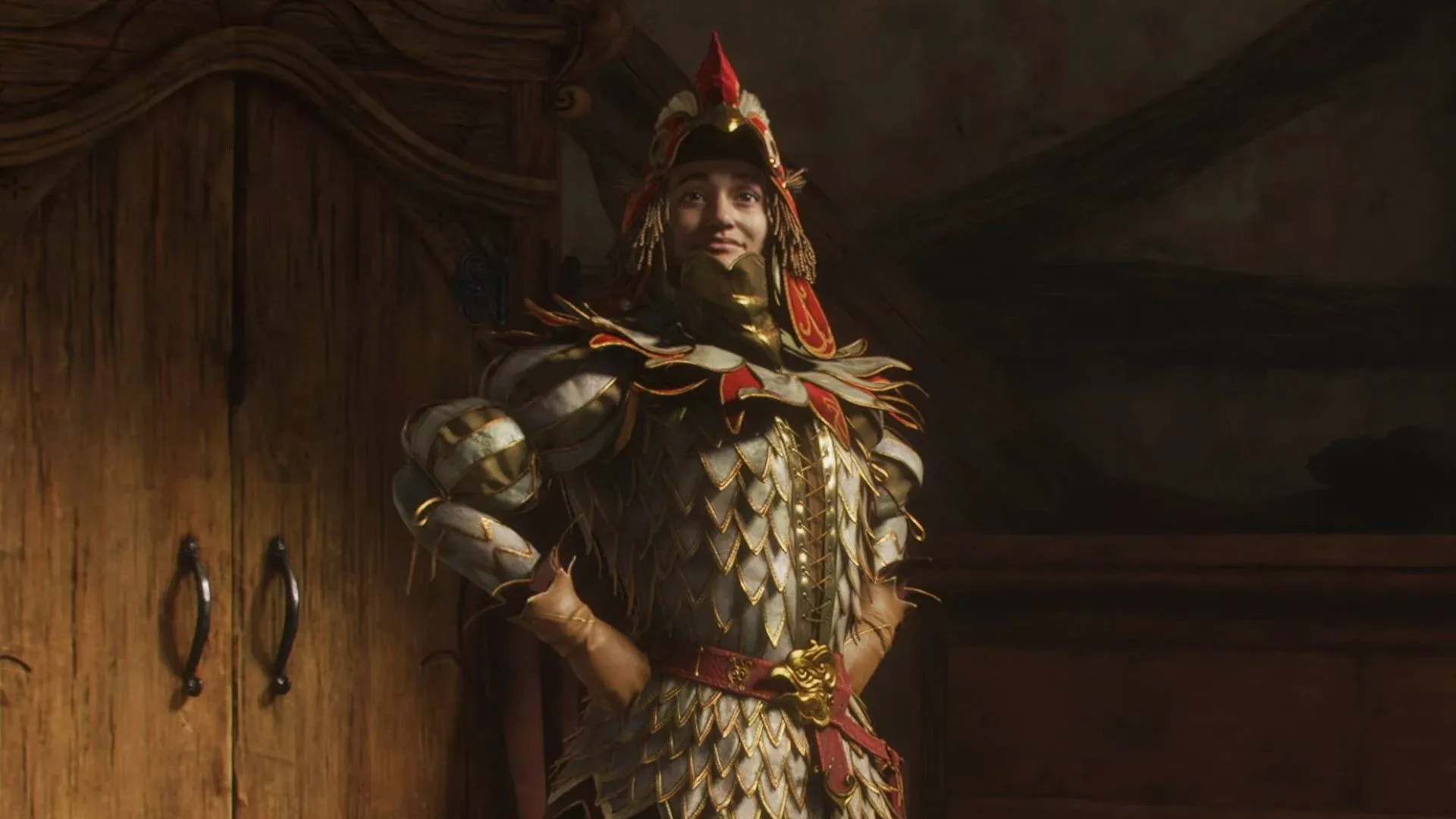
The stated direction for Fable is different. Its people can still be broad, strange, funny and distinct. The point of selecting their traits manually is not to iron them into blandness; it is to ensure each eccentricity belongs somewhere. An unusually dressed character can fit their job, their social standing or a particular comic idea. A sharply judgmental business owner can make sense within the local culture. A romance prospect can have preferences that follow from their personality rather than appearing to have been selected by a wheel marked likes heroes / dislikes heroes / hates hats.
That balance is quite close to what longtime followers tend to expect from Fable. The series has always leaned toward storybook absurdity, but its strongest moments rely on a recognizable social framework underneath the punchlines. Players may make choices that change how the world sees them, and the world needs opinions sturdy enough to push back.
It is also worth noting what this information does not establish. Around 1,000 hand-built NPCs does not automatically reveal how many of them players can romance, how deeply every relationship is simulated, or whether every resident will have a unique chain of bespoke scenes. It does, however, clarify the design philosophy behind the population: curated individual identities are being prioritized over the maximum possible assortment of randomized combinations.
A finite main path, with room to keep living in Albion
Fable’s main experience has been described by Xbox as lasting approximately 15 to 20 hours. That gives the adventure a relatively defined core for players focused on its primary story. At the same time, the game is being framed as something that can be played indefinitely when approached more like a life simulation than a race to the credits.
The Living Population is a major part of how those two ideas can coexist. A central story can be completed in a conventional RPG-sized window, while a reactive town gives players reasons to linger: build social ties, pursue wealth, test a reputation, make domestic decisions, or simply see how distinct locals respond to a changing hero. The difference between “I finished the story” and “I am done with this version of Albion” may depend largely on how compelling those systems prove to be in the finished game.
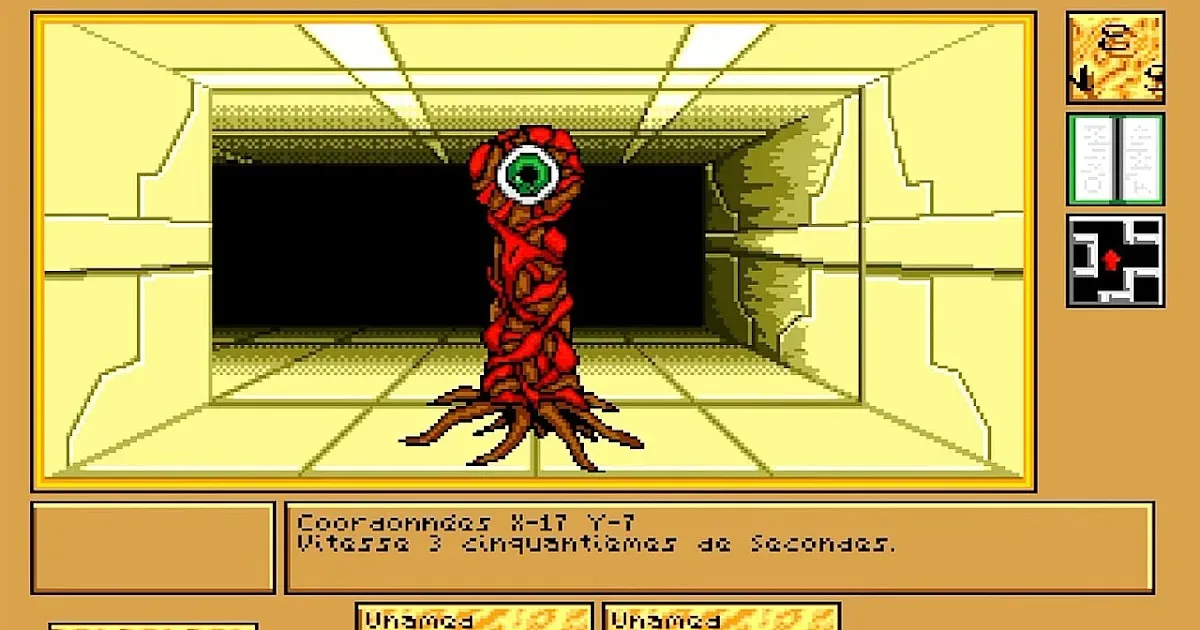
There is a useful contrast in gaming history between preserving a project as it existed and crafting a world to create a specific player-facing illusion. For another look at the former, see this preserved build of the unfinished Amiga dungeon crawler Oracle. Fable’s NPC effort belongs firmly to the latter category: not just making a large set of possible characters, but making a population that appears to have always belonged to its towns.
The real cost of a believable crowd
The randomizer was, by Fulton’s account, a potentially massive time saver. Choosing not to lean on it highlights the trade-off at the heart of the system. The team accepted more authoring work in exchange for a stronger connection between every resident’s traits. In a game where citizens may admire, resent, date or judge the player, that connection is not merely decorative polish. It is part of the mechanism that lets the game’s social comedy and consequences function.
There will undoubtedly still be room for oddballs in Albion. A properly authored Fable world should have them. The difference is that the oddball ought to look deliberate—the kind of person whose story players want to investigate—rather than someone assembled when a generator accidentally paired a profession, hairstyle and worldview that were never meant to meet.
For a reboot returning to a series known for personality, that is an encouraging priority. A town does not become alive just because it has a thousand people in it. It becomes alive when players can look at one of those people, understand enough to form an impression, and then discover that the impression has something to do with how that person treats them.