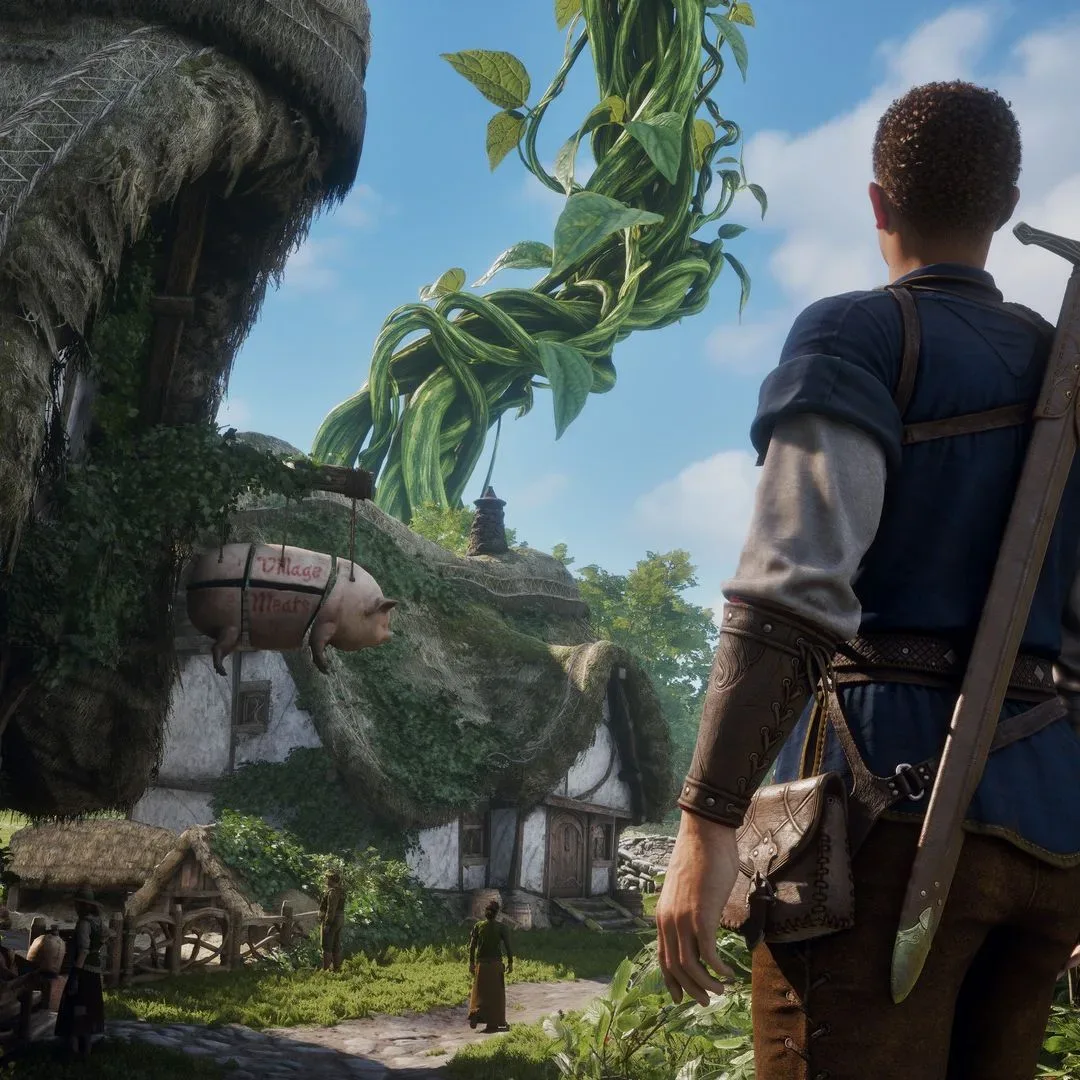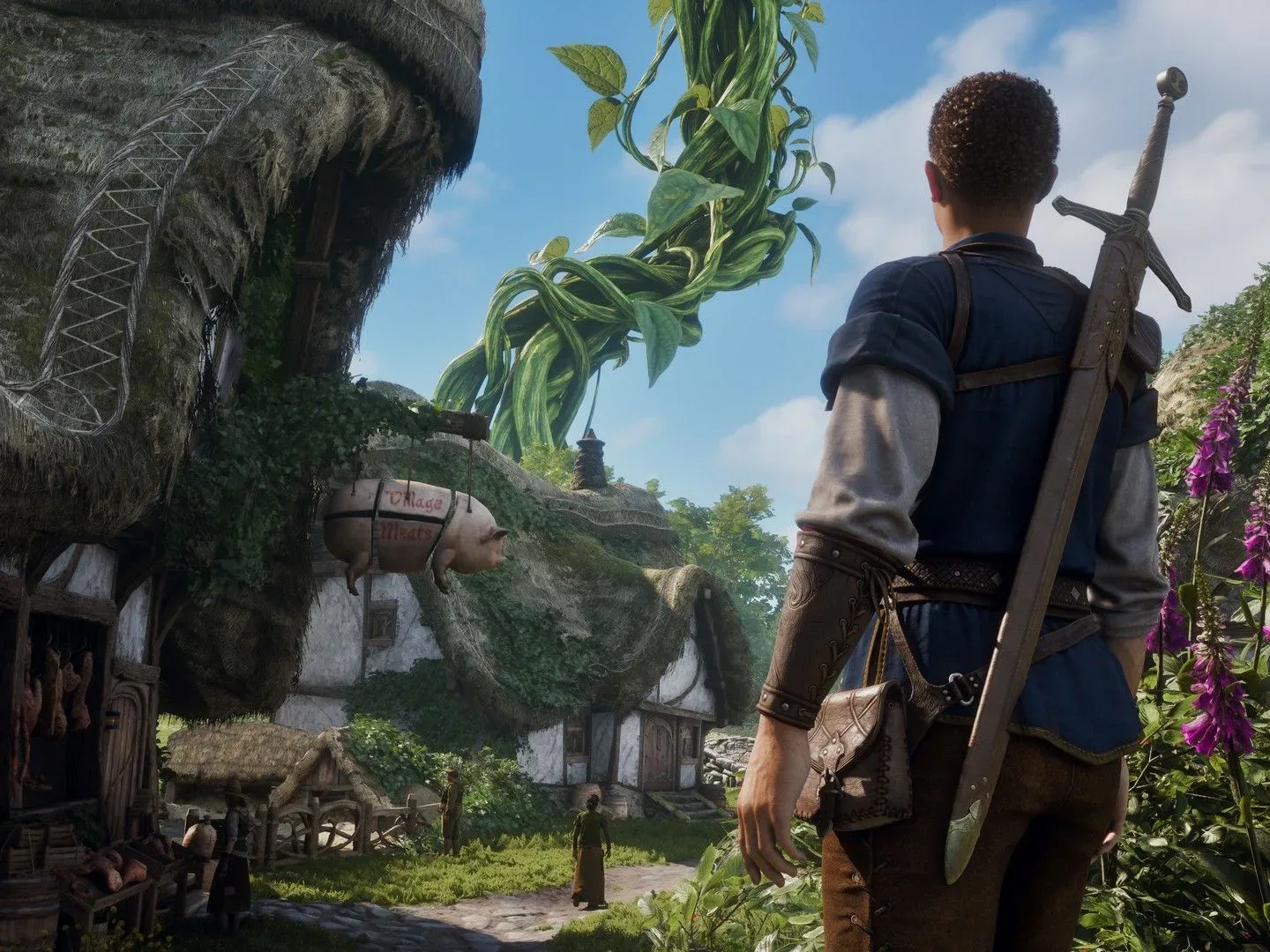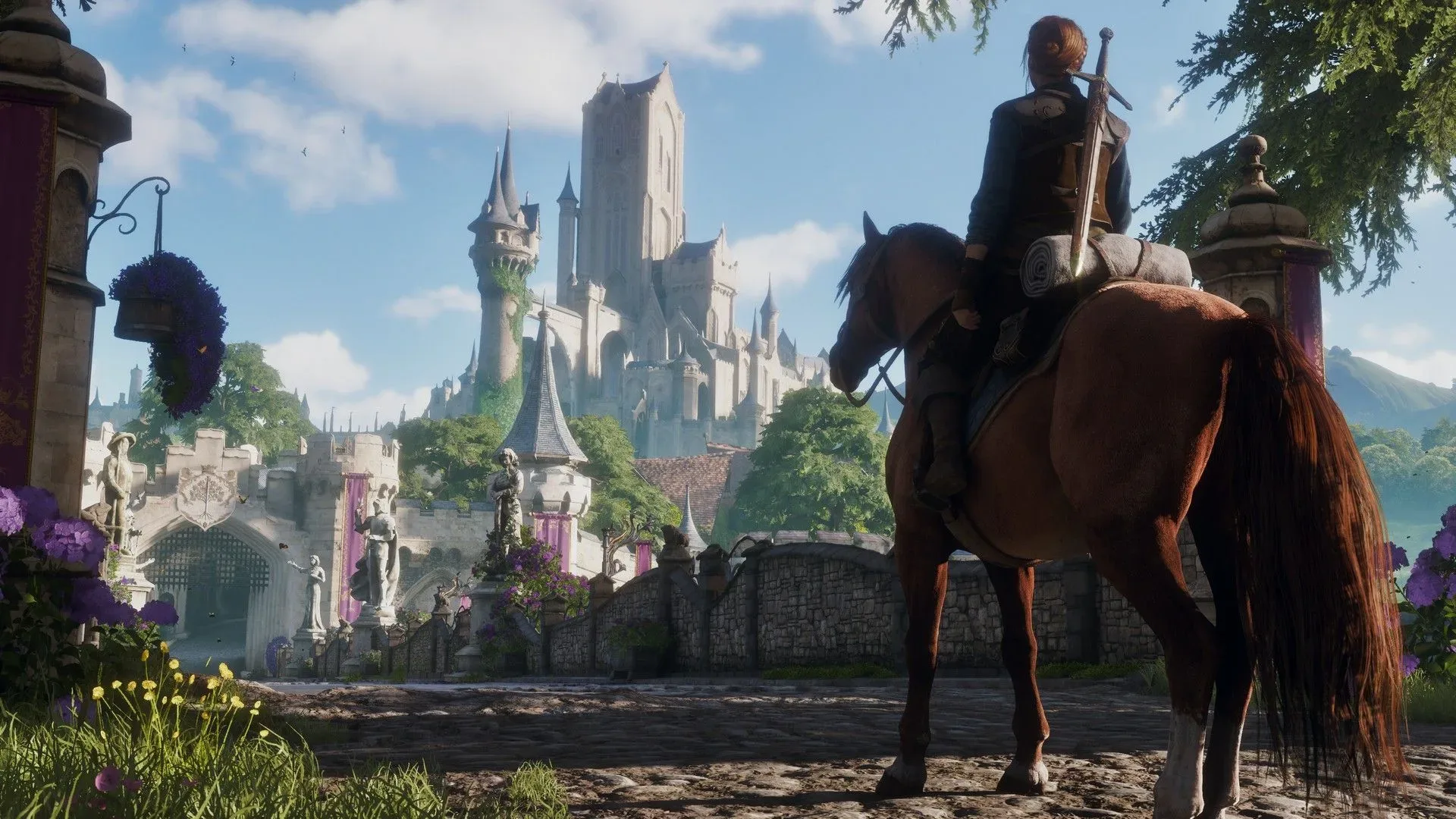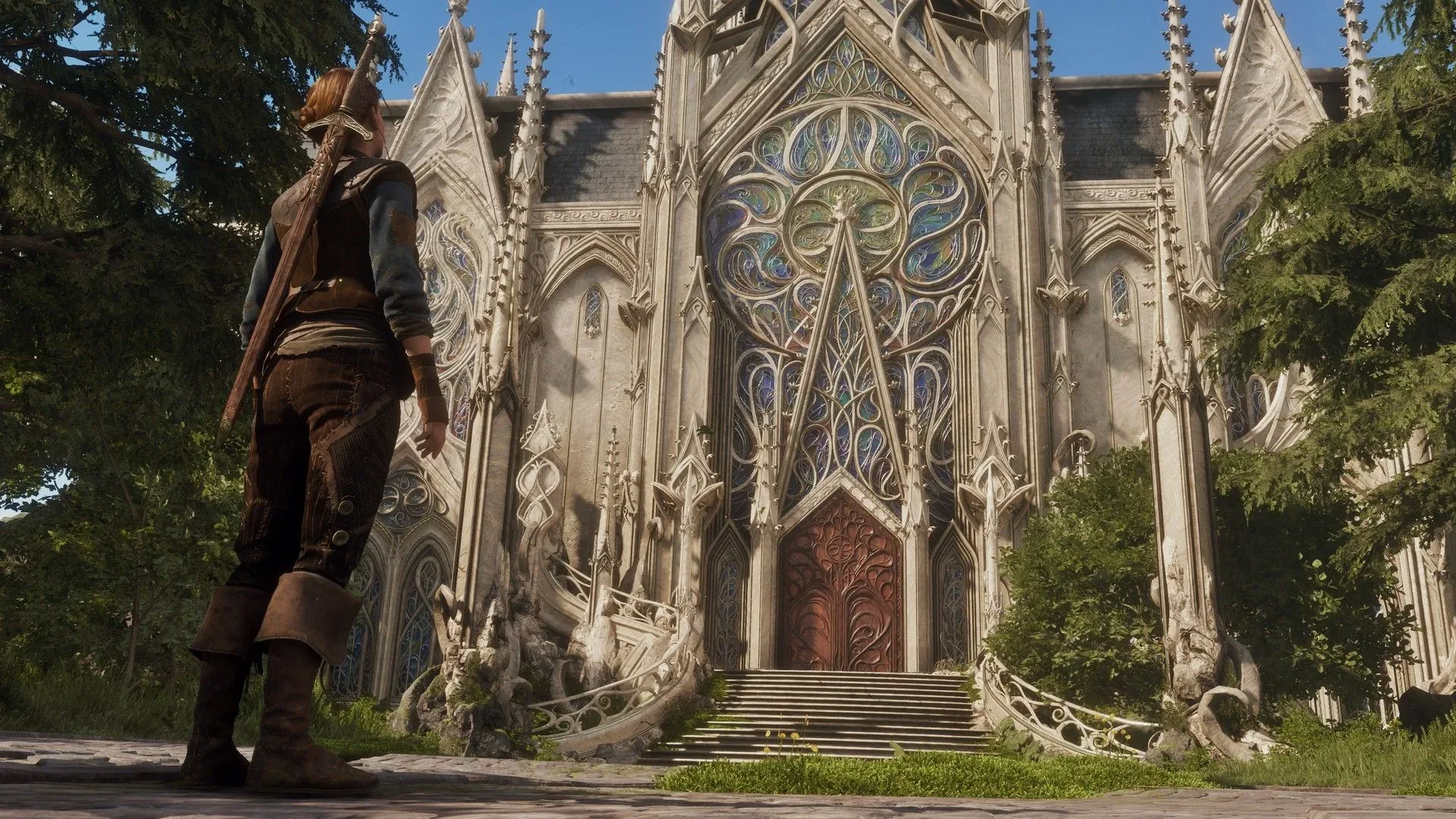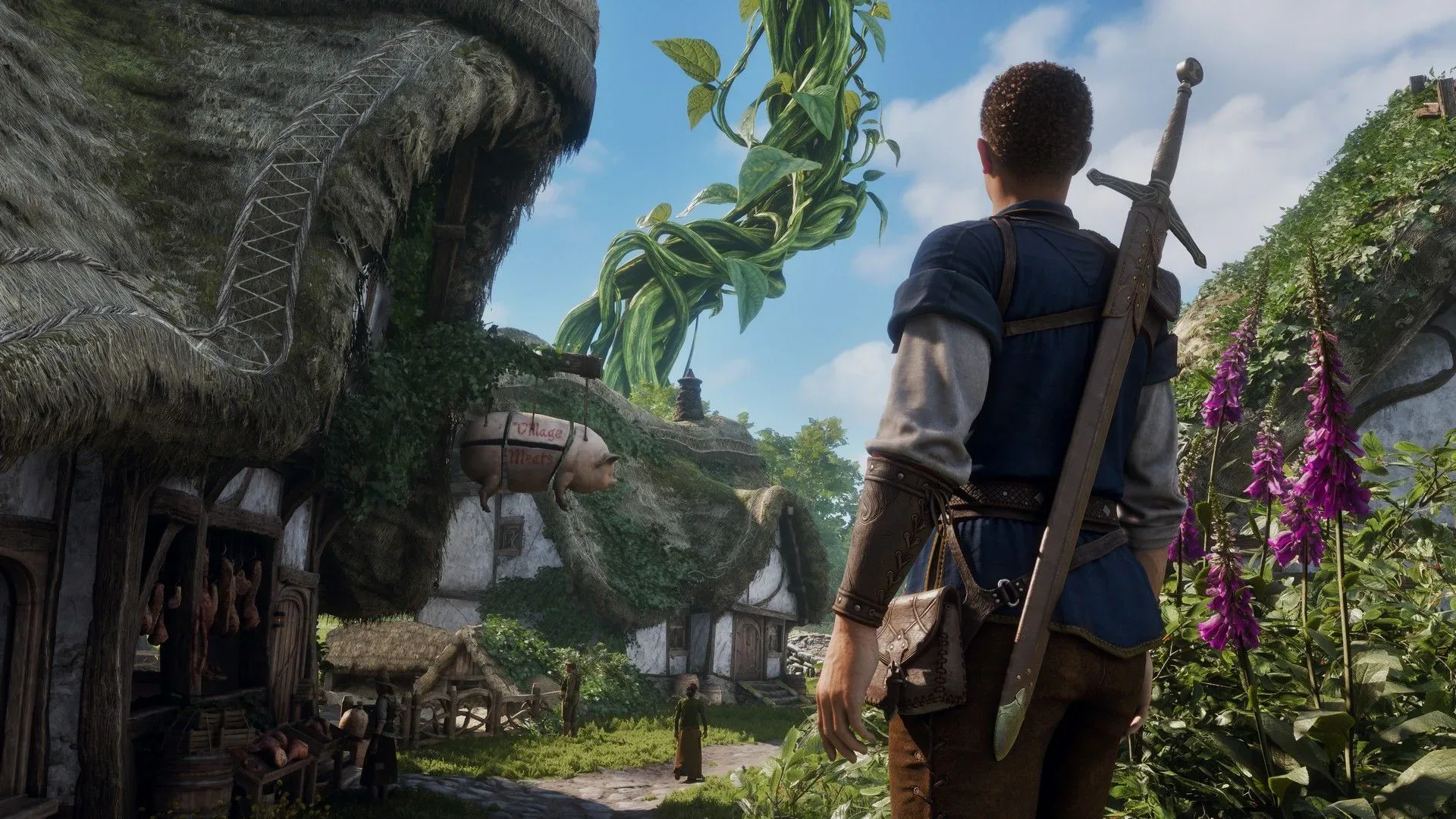
Playground Games is approaching its upcoming Fable reboot with a team that director Ralph Fulton says is united by a very specific qualification: every member is a fan of the original RPG trilogy.
Fulton described that commitment in unusually absolute terms, saying that every person on the project is, above all else, a Fable fan. He said many members of the team moved from around the world to Warwickshire, England, because they wanted the chance to help revive the series rather than simply because they wanted a job at Playground Games.
That is a meaningful statement for a reboot carrying both a long absence and enormous expectations. Fable has not had a new mainline entry since 2010, while Playground is taking on a franchise it did not create. The studio is also best known for racing games, making Fable a major change of genre as well as a major responsibility.
What Fulton said about the team
Fulton framed fandom as the common thread on the project from the start. He said the people joining the studio came because they loved Fable and wanted to bring it back, and that this shared attachment to the series was evident from employees’ first days.
“Every single member of the team is first and foremost a Fable fan,” Fulton said.
That does not reveal a feature list, launch window, platform detail, or a direct comparison between the reboot and any individual earlier game. It does, however, offer a clearer sense of the creative intent behind the project. Playground’s leadership wants the reboot to be understood as a continuation of the series’ spirit, not simply a familiar name placed on a different kind of fantasy RPG.
Fulton has also expressed confidence in the game’s ending. That point matters because endings can disproportionately shape how players remember a role-playing game: they are where choices, character arcs and the larger adventure are expected to pay off. The supplied comments do not explain how the new ending works, nor do they establish what choices it includes. They establish only that the team believes it has landed the conclusion successfully.
Why fan knowledge is useful—but not a guarantee
There is a practical reason a team’s familiarity with an older series can matter. A reboot has to identify which elements are foundational and which elements can change. That is harder than it sounds. Repeating everything without reconsideration risks making a project feel dated; replacing too much can make the returning name feel disconnected from what players remember.
Related coverage includes Fable Director Says Playground's Reboot Team Is Built Around Fans of the Original Trilogy.
A reboot, in this context, means a new starting point for an established property rather than a straightforward numbered sequel. It may draw on the original games’ identity, world and traditions while establishing its own interpretation. Fulton’s comments suggest the team considers the original trilogy a creative reference point, but they should not be read as a promise that every system, tone or story decision will return unchanged.
Being fans can help a development team recognize smaller details that may otherwise be easy to overlook: the kind of humor players associate with a series, the emotional weight of a moral decision, the role of consequence in an RPG, or the balance between grand fantasy stakes and local absurdity. Those are examples of the kinds of questions franchise familiarity can inform, not confirmed elements of the upcoming game.
It can also create a difficult internal standard. Developers who know a beloved series well are not only trying to make a good game in the abstract. They must decide what they themselves would consider faithful enough, surprising enough and polished enough to satisfy an audience that has spent years waiting. Fulton’s comments make clear that the team is embracing that pressure rather than treating the franchise’s history as a marketing asset alone.
Playground’s biggest genre shift
The project is notable because it moves Playground beyond the racing games for which it is known. Racing and role-playing games require very different strengths. A racing game’s central design questions can include handling, speed, track flow and vehicle feedback. An RPG generally asks a wider set of questions about character progression, narrative structure, quests, combat, exploration and the player’s sense of agency.
Player agency is the term often used for a player’s ability to make decisions that feel meaningful within a game. In an RPG, agency may involve how a player approaches a problem, develops a character, chooses a response, or affects their experience of the world. The available material does not confirm the precise form agency will take in Fable. Still, it is one reason the genre transition will receive so much attention: players will want to know how Playground translates its development experience into a game built around role-playing rather than racing.
That shift does not automatically mean the studio is unprepared. Fulton’s comments point to recruitment and team composition as part of the answer. A studio can bring together specialists with different backgrounds, and a team’s collective experience matters more than a simplistic label attached to the studio’s previous releases. His emphasis on employees relocating specifically to work on Fable is intended to underline exactly that: the project has drawn people motivated by the franchise itself.
The broader industry contains plenty of examples of studios taking creative risks as they seek new formats and audiences. For a different example of a game being pitched around a distinct gameplay direction, see the discussion around PUBG: Dednet’s faster, risk-focused multiplayer loop. Fable’s situation is fundamentally different, but both cases illustrate how a recognizable name can invite especially close scrutiny when it moves into a new design phase.
A long wait raises the stakes
Fable’s return has faced more than six years of anticipation since its announcement, with interest extending even earlier through rumors. Long development cycles can intensify expectations because fans have more time to imagine what a revival ought to be. Silence, limited information and the reputation of the earlier games can all fill the gaps with assumptions that no single new game can fully satisfy.
That makes Fulton’s remarks about the team’s loyalty to the trilogy more important as reassurance than as a substitute for details. They address a central concern: whether the people making the game understand why Fable matters to its existing audience. They do not answer the next set of questions, including what the reboot’s systems will look like, how its story will unfold, or how much it will share structurally with prior entries.
For players, the useful distinction is between intent and confirmation. Fulton has offered evidence of intent: the team wants to make a great Fable game and sees franchise fandom as central to that mission. Confirmed specifics remain limited in the supplied information. Keeping those categories separate is the clearest way to evaluate a revival at this stage without turning enthusiasm into unverified expectations.
Fable’s place within Xbox
The director has also said that many people within Xbox view Fable as vital to the platform’s DNA, adding that this belief helped protect the game across its lengthy development. That claim arrives during a period of layoffs at Xbox, which gives the language additional weight. It presents Fable not merely as one release among many, but as a property leadership and teams across the company see as strategically and culturally important.
“Protected” should not be stretched beyond the statement itself. It does not disclose internal budgets, personnel decisions, release plans or guarantees about future support. What it does indicate is that Fulton believes the project retained significant internal backing over a long cycle, despite a difficult corporate backdrop.
For fans who have waited since the series’ last mainline installment, that internal support and the team’s stated affection for the trilogy are encouraging signals. They are not a finished game, and Playground will ultimately be judged on the RPG it delivers. But the project’s leaders are positioning Fable as a revival made by people who understand the original games’ importance—and who know that bringing the series back means earning the name rather than borrowing it.