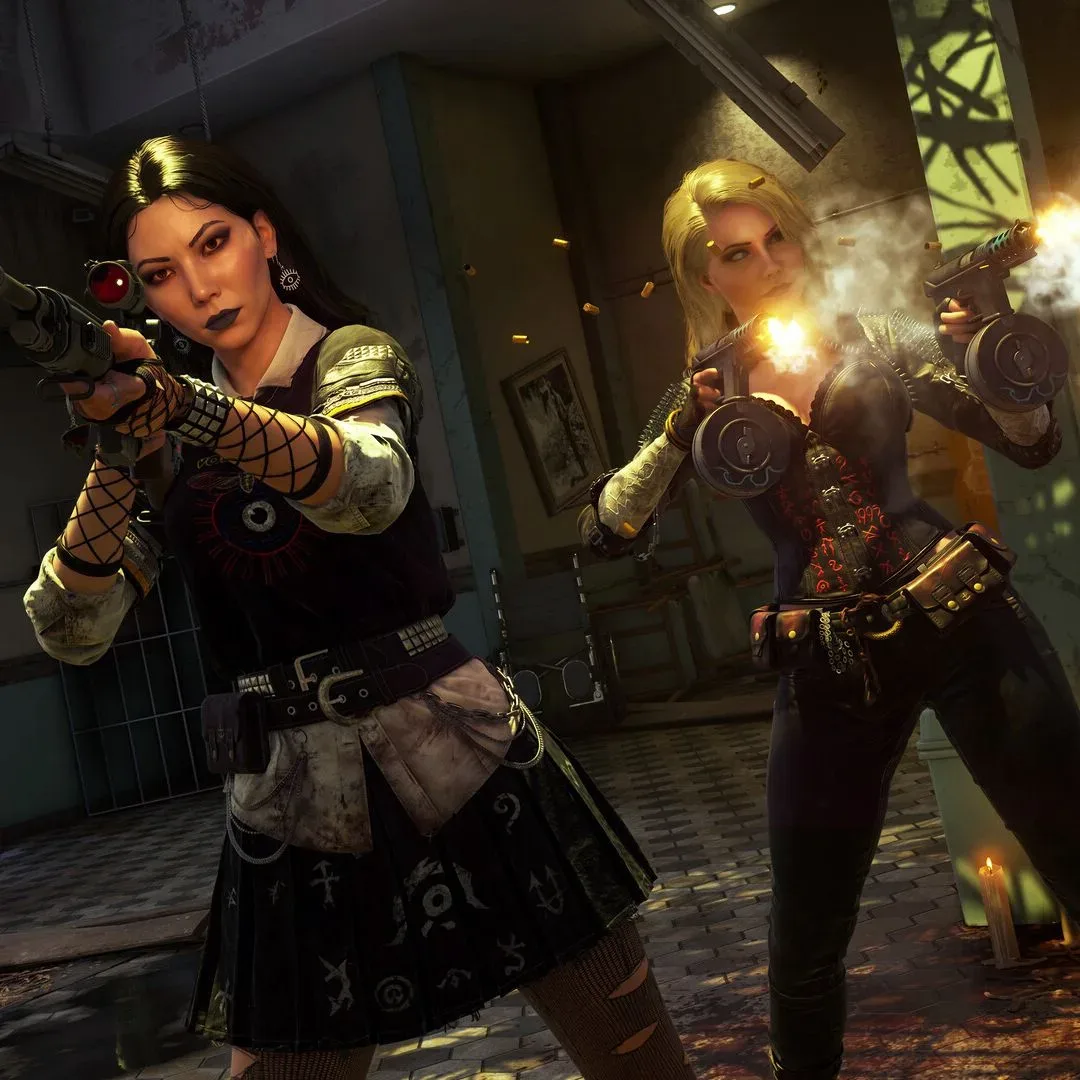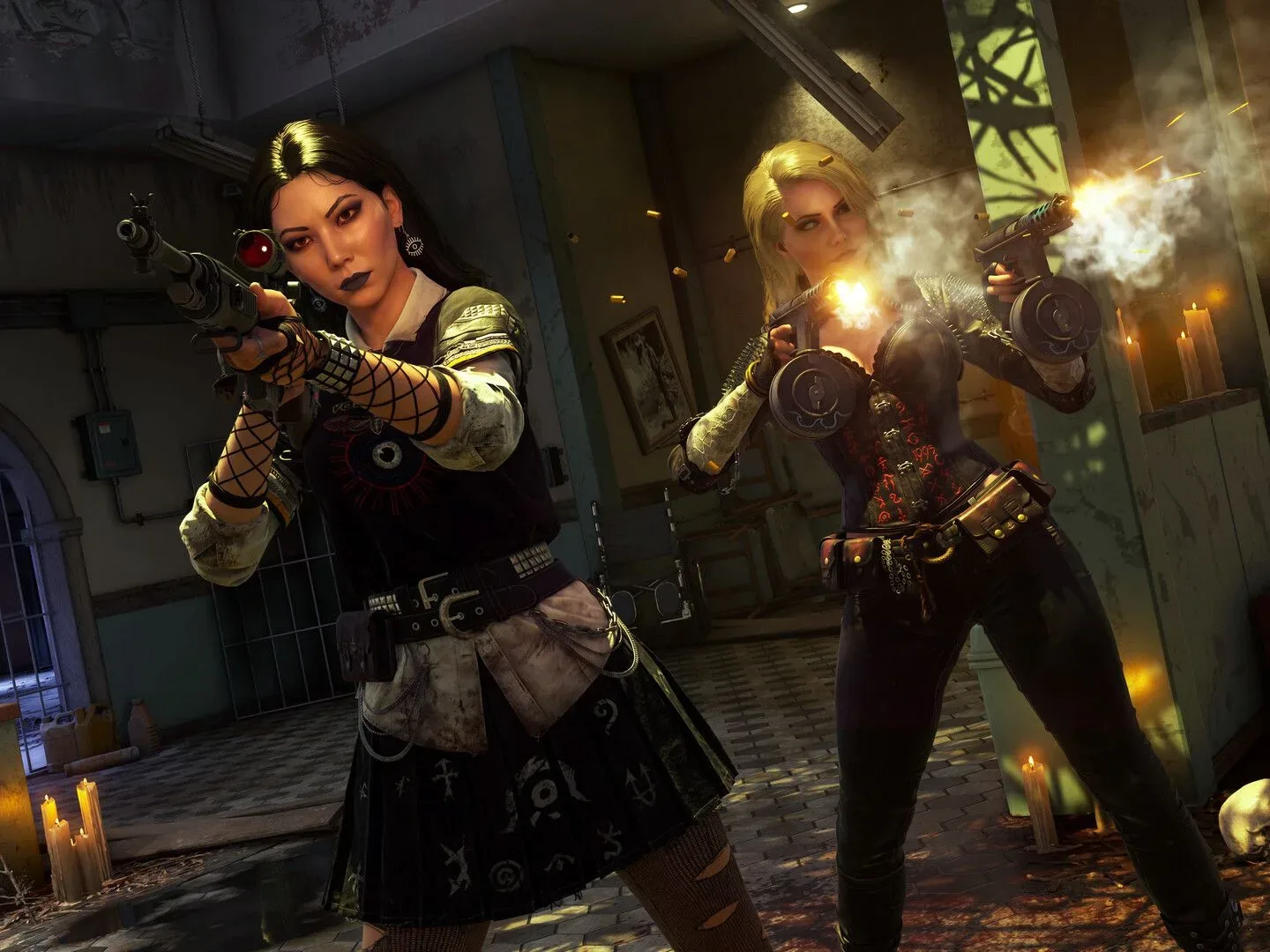
PUBG: Dednet is deliberately taking a less even-handed approach to multiplayer FPS competition. Creative director Dave Curd describes the game’s roguelike structure as a way to create a potentially “infinite” number of gameplay situations, even if that means a player deep into a streak can enter a fight with more advantages than somebody starting fresh.
That is a substantial departure from the clean-slate principle commonly associated with battle royale play. In a traditional match, competitors begin with broadly comparable prospects and attempt to improve their odds through looting, positioning and gunfights. Dednet’s proposed loop instead gives repeated attempts a greater role in the power dynamic. A loss is not simply a reset: players can return to another run stronger than before, regardless of where they placed.
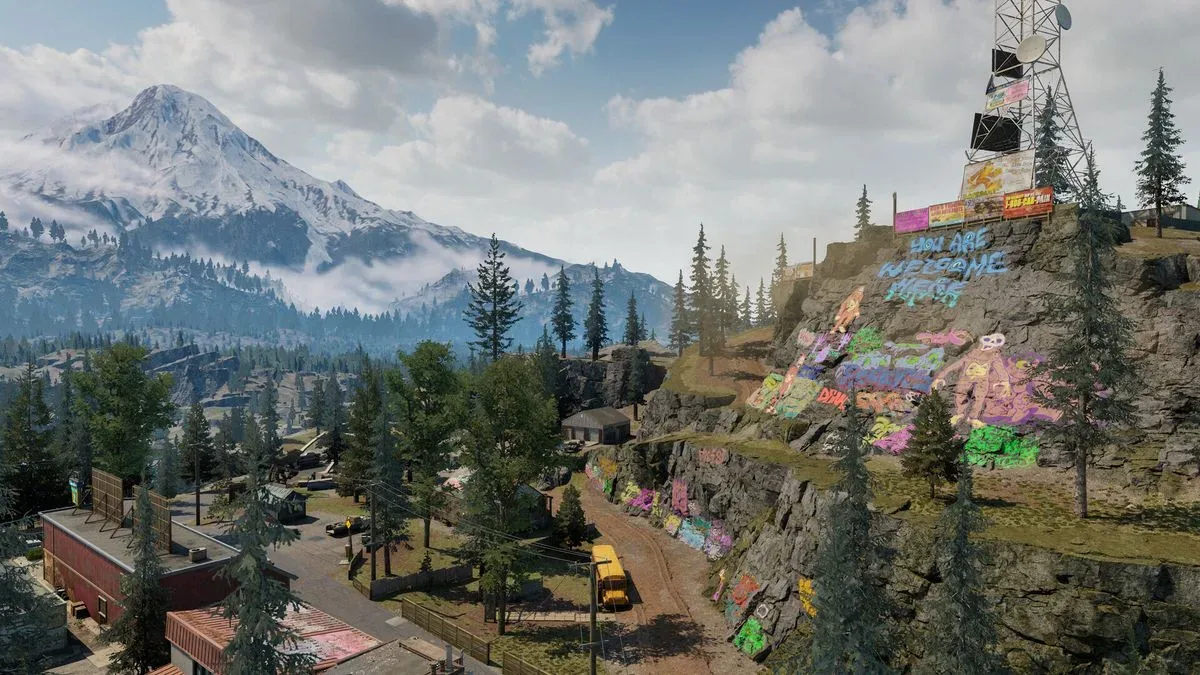
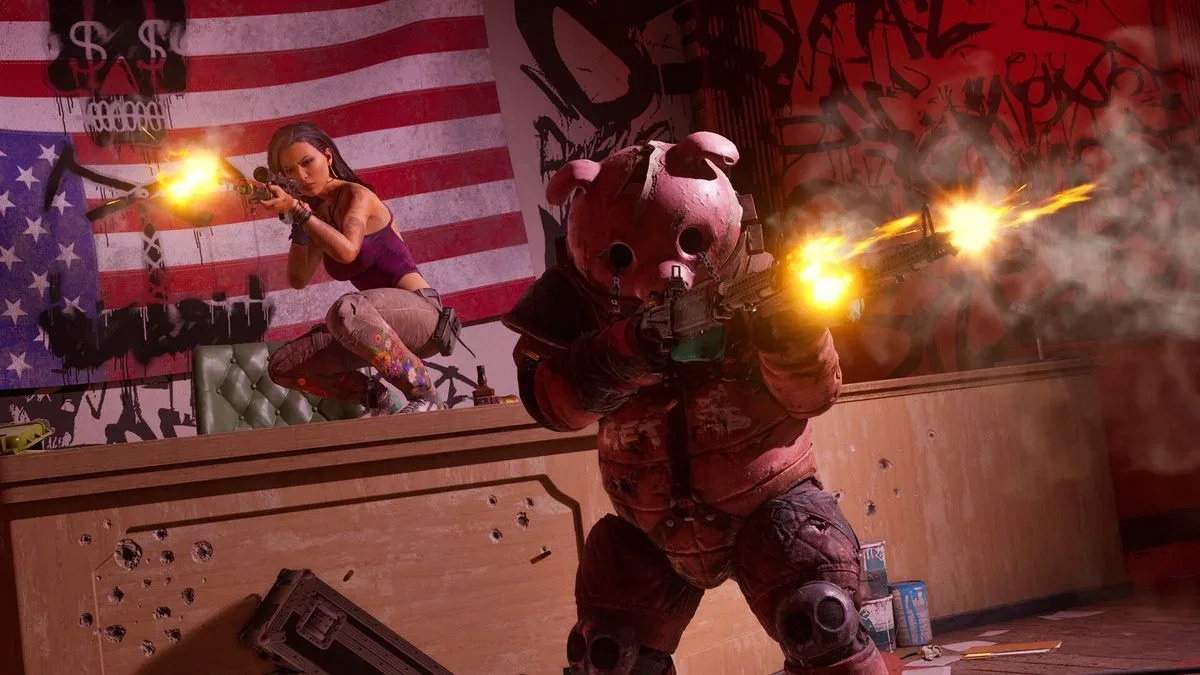
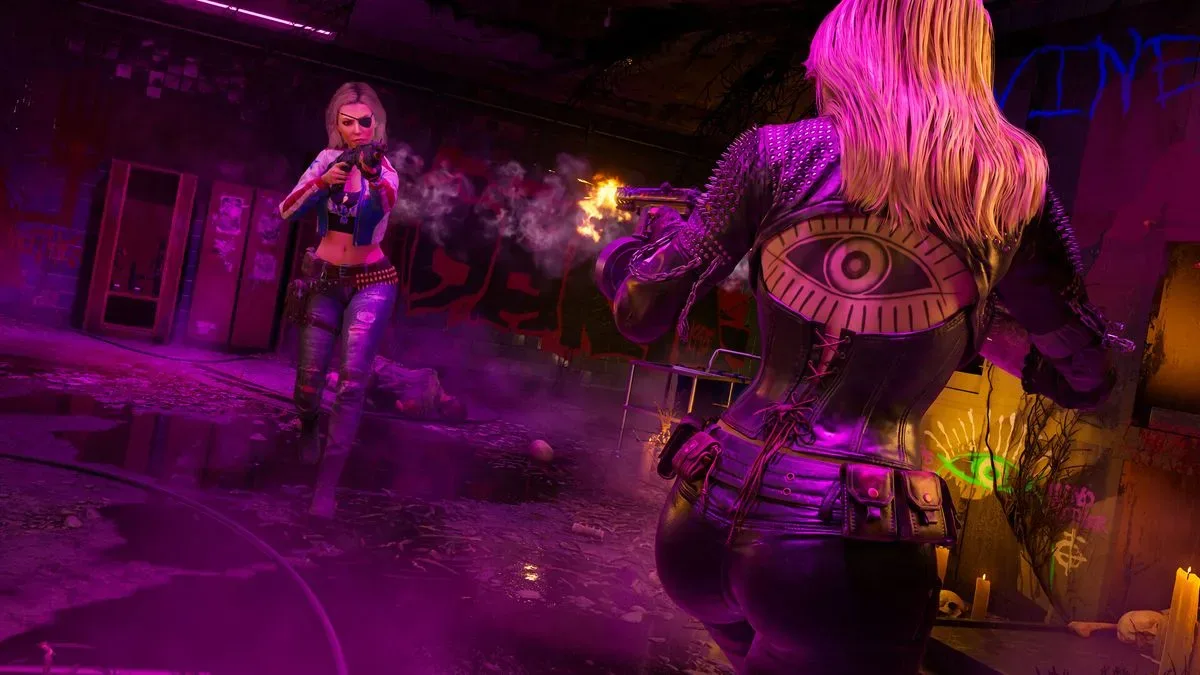
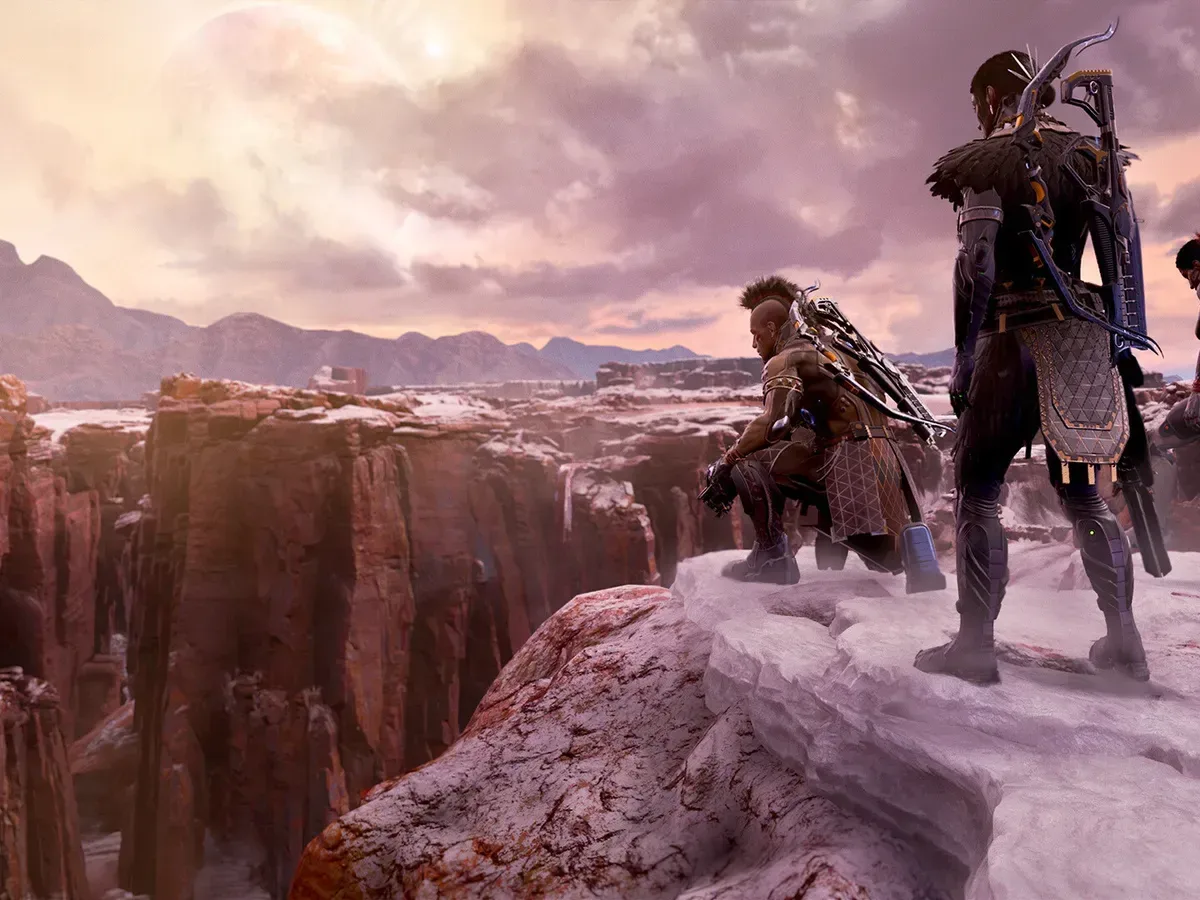
Curd frames that structure as part of the game’s effort to carry PUBG’s core ideas into a different format. Dednet is a multiplayer FPS set in Cascadia, a Pacific Northwest-inspired setting with a gritty 1990s look and graffiti-heavy visual identity. But its defining difference is not merely aesthetic. It is the willingness to let matchups become uneven over time.
“What if an OK player on a long run crashes into a very good player at the beginning of their run, like what does that do for balance?”
That question is the central design tension around Dednet. For a player with a sustained run, accumulating powers creates the possibility of overcoming an opponent who may be the superior shooter in a straight firefight. For the fresh player, it creates a more hostile opening. Curd’s argument is not that mechanical skill stops mattering; rather, the game wants powers, persistence and timing to complicate the usual hierarchy.
What roguelike progression means in Dednet
Roguelike mechanics, in this context, refer to a repeat-driven system in which failure is expected and another attempt is part of the intended experience. Dednet applies that idea to multiplayer FPS matches by treating consecutive runs as a source of growing capability. The available description does not identify the individual powers or specify exactly how progression persists, so it would be premature to assume a particular upgrade system. What is clear is the desired effect: a player continuing through runs gains new ways to influence future fights.
The result is a snowball structure. In game-design terms, a snowball occurs when an existing advantage helps produce further advantages. Dednet’s version is tied to run count and activated powers, rather than being presented as a simple reward for winning one isolated contest. The longer a session goes, the more opportunity there is for a build to gather momentum.
Curd compares the intended appeal to an intensely spicy snack: difficult to stop after just one. That describes a loop built on the desire for redemption after a painful loss, mixed with the possibility that the next match could unlock a more favorable encounter. The approach seeks speed and momentum across a session, rather than asking each round to stand completely apart from the one before it.
Related coverage includes PUBG: Dednet Wants Roguelike Imbalance to Fuel Its Multiplayer FPS Chaos.
It also means that “fairness” has a narrower meaning than it does in a conventional level-start match. Equal starting conditions are often used to make a loss feel attributable to choices and execution within that one contest. Dednet is experimenting with a different question: whether the uncertainty produced by unequal power states can make encounters more dramatic and more memorable.
Five phases are meant to stop early matches becoming a wipeout
The team has already encountered the risk inherent in that experiment. Curd says earlier builds produced a sharper disparity: one player could have five powers while a new entrant had none. He characterizes the response as strongly divided, with some players enjoying the feature and others bouncing off it because the mismatch felt too punishing.
Dednet’s current structure is intended to put some control around that issue. Every player has five powers that activate at intervals during a game. At phase one, players are described as roughly even. By phase five, the constraints loosen considerably: competitors on a fifth, sixth or later run are expected to hold a visible edge.
This phase-based model is important because it does not present imbalance as constant from the opening seconds. Early phases give newer or lower-run players a more level footing, while later phases increasingly reward the player who has stayed in the loop. It is an attempt to preserve an on-ramp without abandoning the larger idea that accumulated experience and powers should matter.
There is a tactical consequence, too. If later phases make long-run opponents increasingly dangerous, waiting safely may become the wrong answer. Players with fewer runs could be pressured to seek advantageous engagements early, before the power gap grows. Meanwhile, stronger players have an incentive to keep moving and force action rather than protect a lead from a distance.
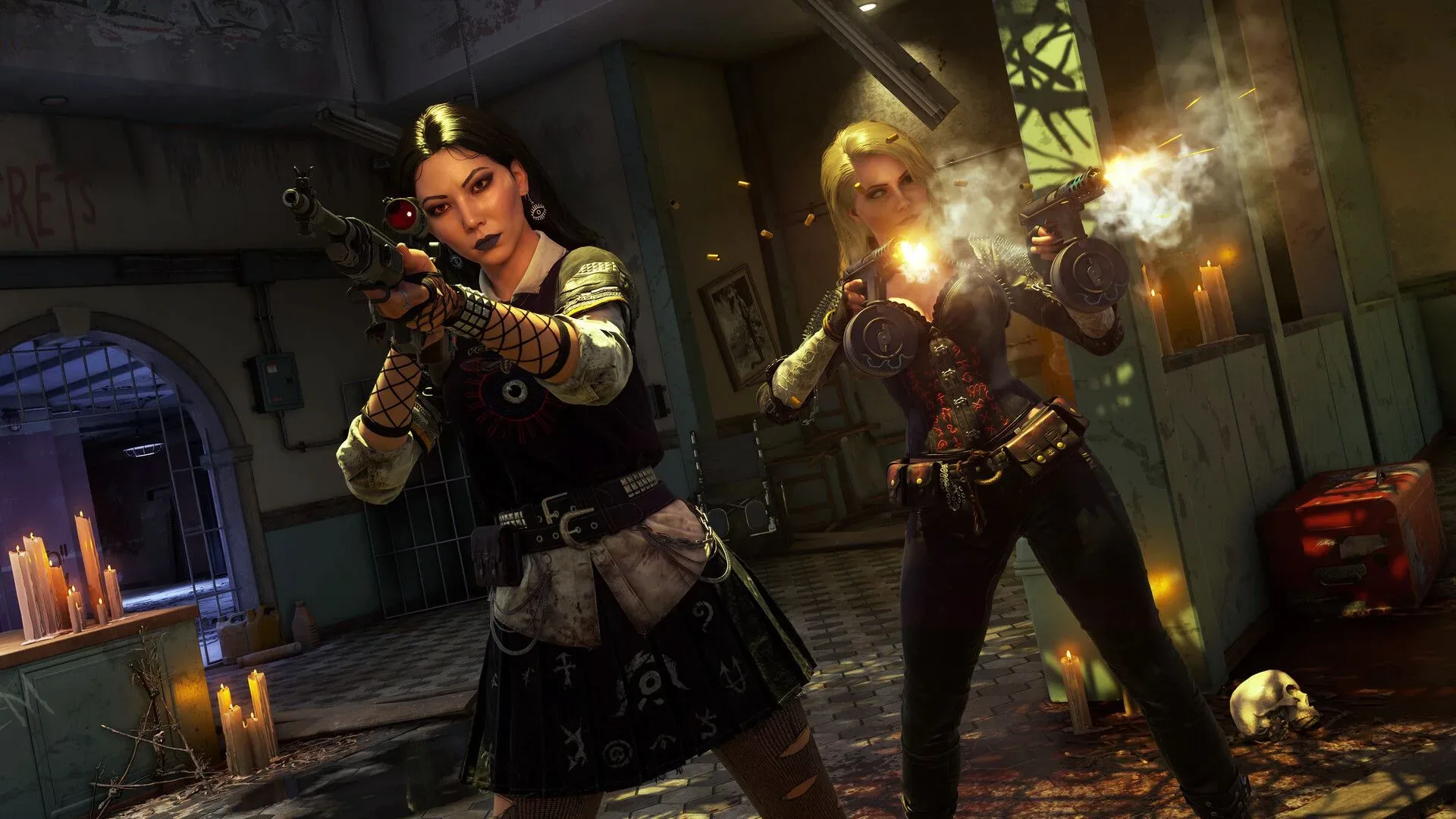
That is why Curd emphasizes conflict over concealment. The team noticed players beginning to avoid fights and hide, a behavior it regards as contrary to Dednet’s goals. “We want to encourage conflict and shenanigans,” Curd says. The game is therefore being shaped around chases, aggressive decisions and unpredictable collisions, not a slow path to survival.
A game that is intentionally not “safe”
Calling a multiplayer game “safe” in this case is not a comment on content. It refers to a design where players can rely on highly controlled conditions, predictable balance rules and low-risk approaches. Dednet is intentionally courting the opposite sensation. Curd calls it a game for people tired of games being too safe, and the roguelike power curve is the mechanism behind that philosophy.
The potential upside is clear. A good FPS player may enjoy a match where superior aim is still powerful but no longer the sole determinant of every result. An opponent on an extended run can become a credible threat, giving sessions more texture than a sequence of identical restarts. The game’s stated ambition is for its systems to generate a broad range of circumstances rather than settle into a single optimal rhythm.
The potential downside is equally clear. A newcomer who repeatedly meets players with later-run power advantages may not experience that variety as exciting. They may experience it as an opaque disadvantage, especially before learning how the phases work or developing the skills to capitalize on early windows of parity. The earlier-build feedback Curd recounts suggests the team is well aware that the line between productive chaos and frustrating mismatch is thin.
There is also an accessibility question that cannot be answered from the current details. A design can invite repeated play by making each loss feel like progress, but it must communicate why a fight was lost and what the next run changes. The information available establishes the presence of five powers and phased activation; it does not explain how clearly those systems will be conveyed during a match. That clarity will likely matter as much as the power balance itself.
Why the approach could change the battle royale rhythm
Dednet is not being positioned as a standard battle royale reset with roguelike decoration added on top. Its progression loop changes the emotional meaning of defeat. Instead of “wash out and go again” being merely the accepted reality of the genre, the next run is meant to be an escalation point. Persistence is part of the player’s offensive potential.
That may make individual sessions feel less self-contained. A player is not only assessing the terrain and opponents in front of them; they are also navigating a personal run state that can affect who holds leverage later in the match. The game’s tension comes from the collision of those states: an experienced shooter beginning a run might encounter a merely capable shooter who has built up significant powers over several games.
Whether this becomes compelling or exhausting depends on how often power turns a close fight into a foregone conclusion. Curd maintains that the better gunfighter will probably still win in the kind of matchup he describes, but “probably” is doing useful work there. Dednet wants the possibility of an upset. The game is betting that unpredictability and a reason to queue again can outweigh the frustration of not always meeting an equal opponent.
Its Cascadia setting and harsh visual tone fit that combative identity, but the real test will be behavioral: do players chase encounters, take risks and enjoy the disorder, or do they decide the disadvantage of a fresh run is too steep? The team’s phased five-power approach is its answer so far, designed to establish relative parity at first before turning the temperature up.
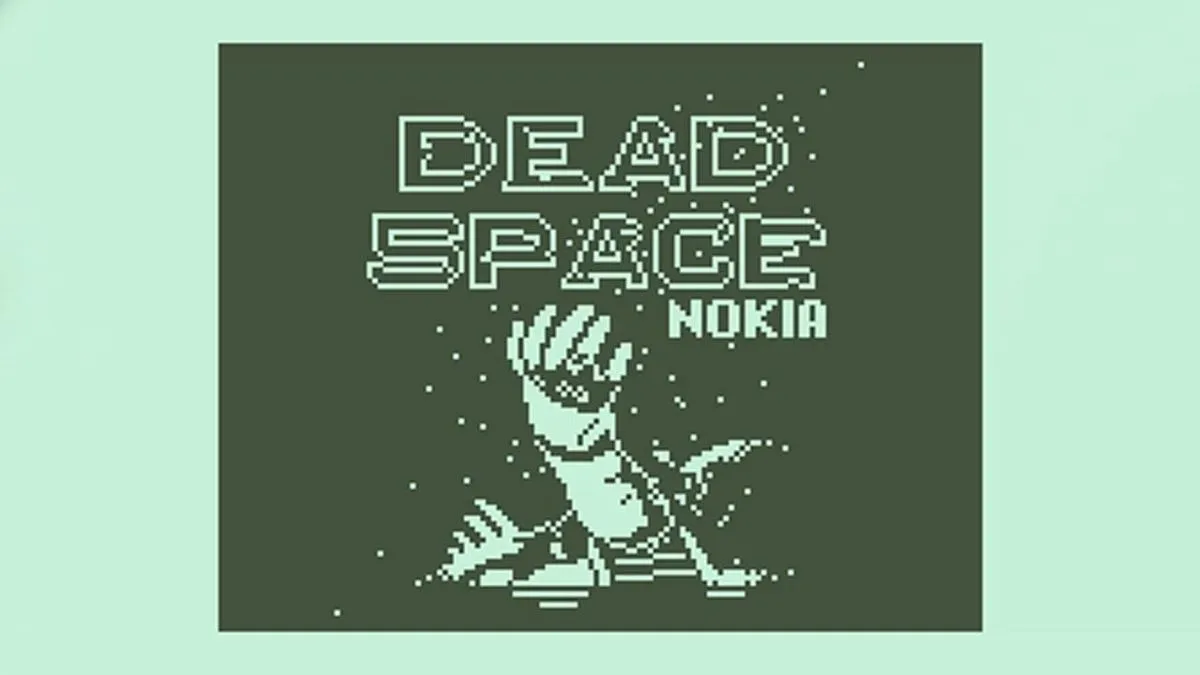
For players interested in another unusual PC shooter concept with a very different presentation, Dead Space’s Nokia 3310-inspired Windows demake shows how radically a familiar genre experience can be reframed. Dednet’s experiment is not about reduced hardware, though; it is about making the multiplayer power curve itself the source of uncertainty.
PUBG: Dednet’s biggest promise is also its biggest gamble. Its designers are openly prioritizing momentum, power growth and “shenanigans” over match-to-match equality. If the early-phase protections give new players enough room to learn and fight back, the later chaos could provide the repeatable stories the game is chasing. If not, the very system meant to make defeat motivating may be the obstacle that keeps players from taking one more run.