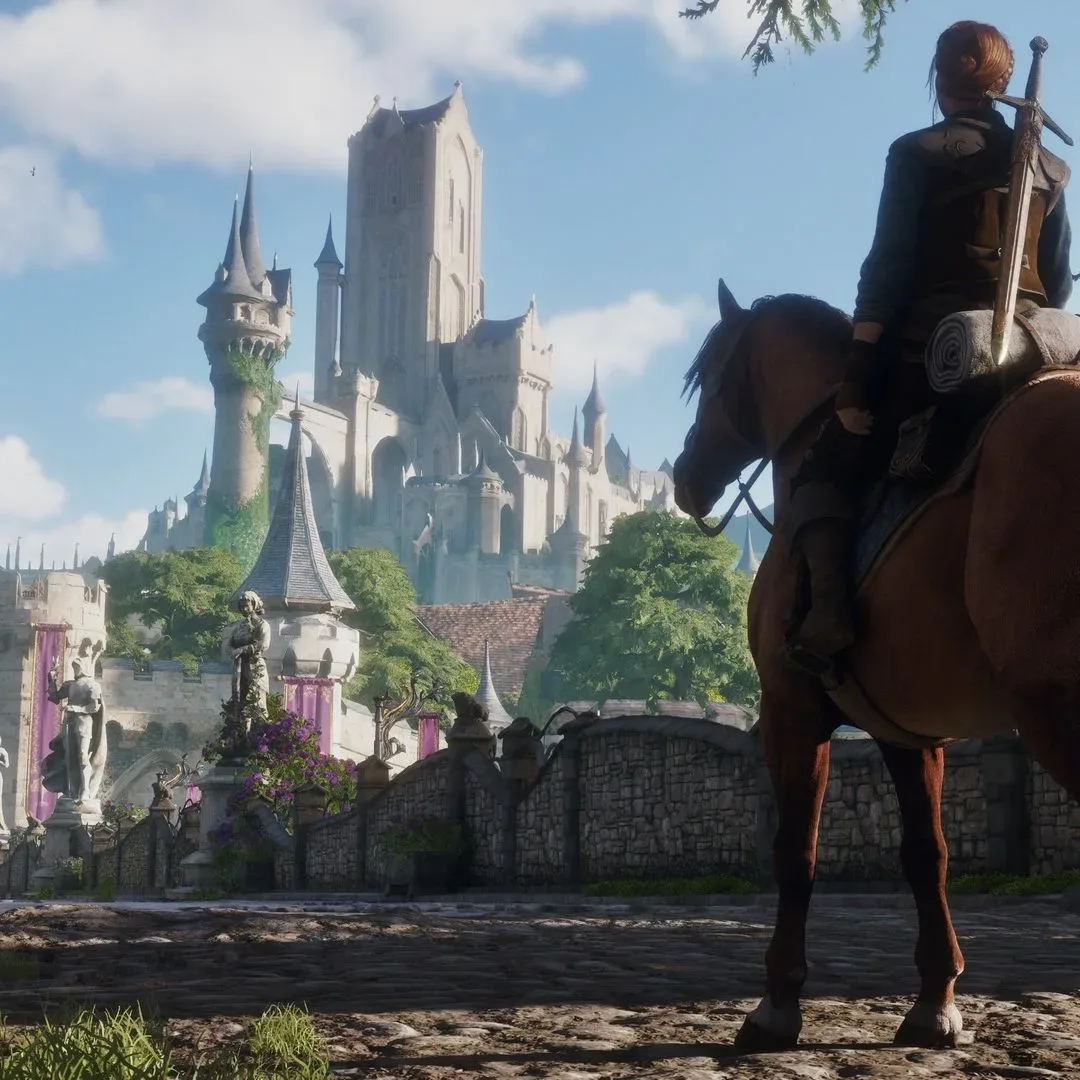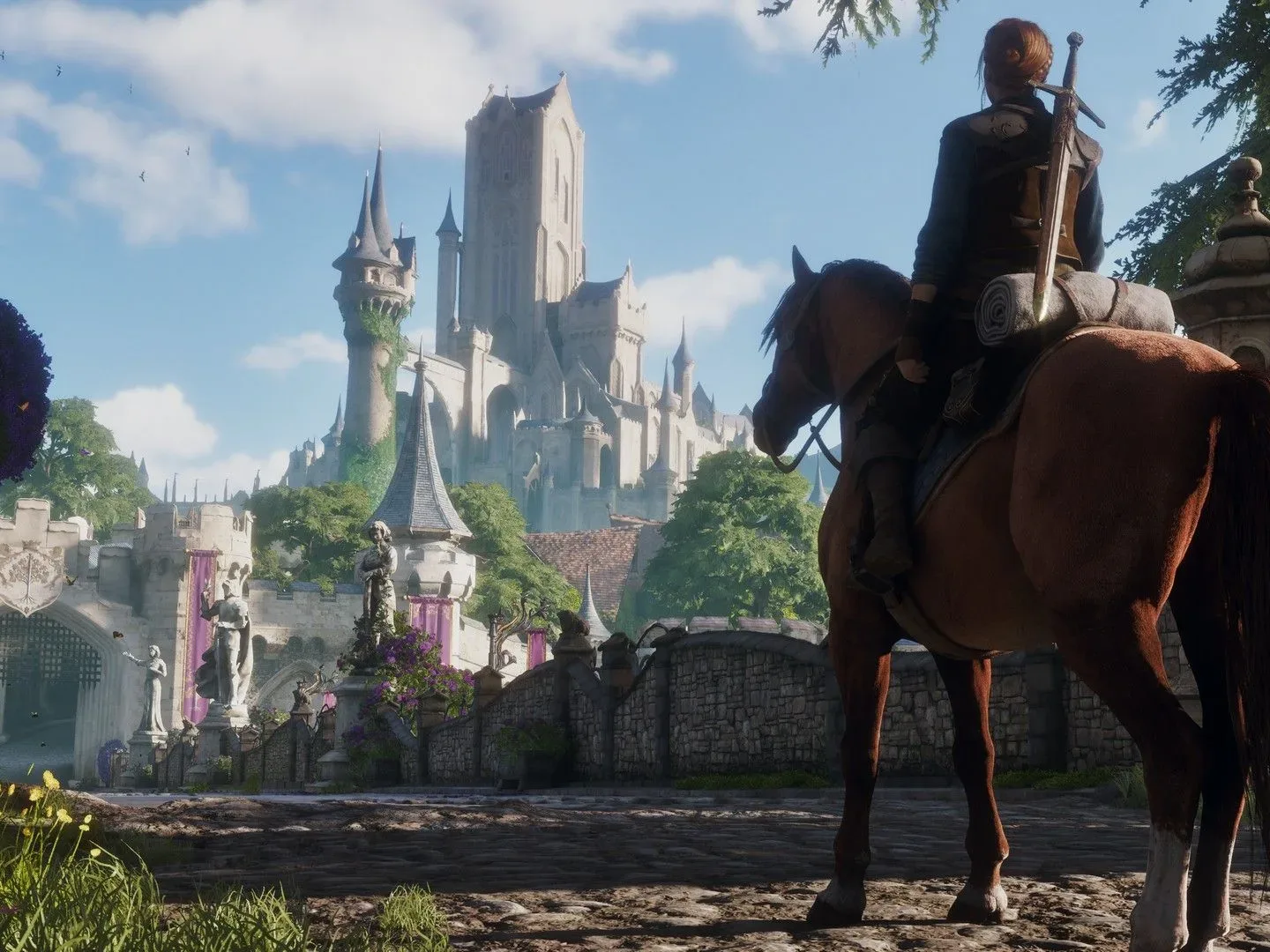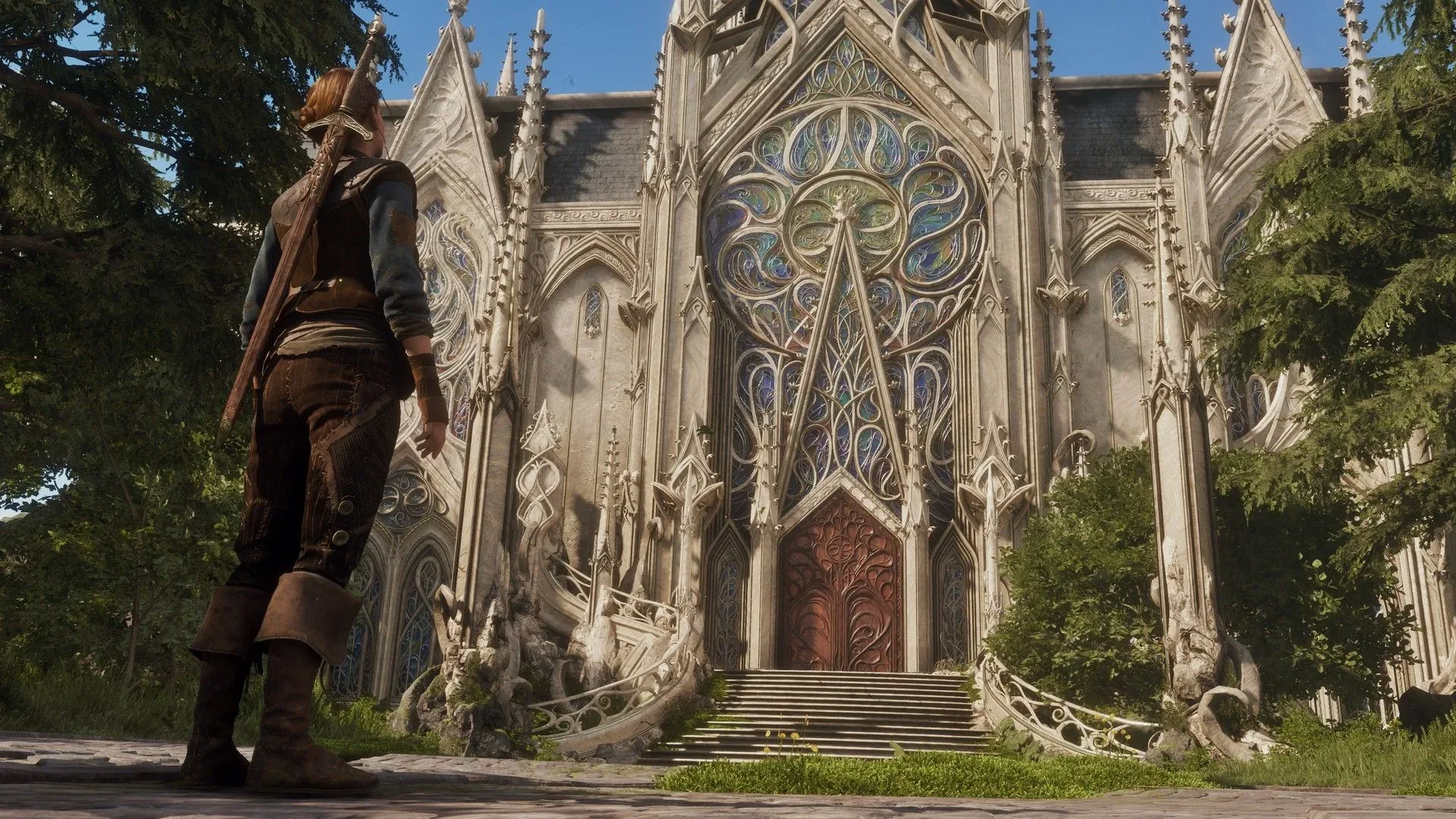
Fable’s route back has been unusually long, but its importance inside Xbox may explain why it made it through. Playground Games co-founder and Fable director Ralph Fulton says the RPG was protected during its extended development because many people within Xbox regard the series as “vital to the DNA of the platform.” That is a meaningful statement at a time when the company has undergone repeated job cuts, project cancellations and a broader restructuring.
The new Fable is scheduled for February 23 on Xbox Series X|S, PC and PlayStation 5. Its path has stretched from production reportedly beginning as early as 2016, through a public reveal in 2020, to a launch that will arrive after years of substantial change around the publisher and the wider games business.
Fulton’s comments do not make a long development cycle painless for the people affected by instability elsewhere at Xbox. Nor do they guarantee anything about the game’s eventual reception. They do, however, offer a clearer explanation for why Fable has remained active while other major projects were discontinued: it is viewed internally as more than a single release on a schedule. It is a recognizable part of Xbox’s creative history.
A series with institutional weight
“I genuinely think Fable is an important game,” Fulton said. “What has protected us over a long development cycle is that so many people within Xbox view Fable as vital to the DNA of the platform.”
That phrase, DNA of the platform, is not a technical production term. In practical terms, it means a property can be considered foundational to a platform’s identity: a series that helps communicate what that platform represents to players. That kind of standing can matter when leadership has to decide which expensive, long-running projects continue and which do not.
Fulton went further, arguing that Fable is important to games generally because its combination of elements is not found elsewhere. The specific features he has in mind were not detailed in these comments, so it would be premature to turn that into a checklist of promised mechanics. The significant point is the creative ambition behind the reboot: Playground Games is not describing Fable merely as a familiar name returning to shelves, but as a series with a distinct role to fill.
There is an important difference between that belief and a confirmed measure of success. A director’s confidence is naturally part of presenting a project, and players will have to judge the finished game for themselves. Still, the comments help frame why Xbox has retained Fable during a period in which the company’s portfolio decisions have been notably severe.
What Fable has survived
Development reportedly started as far back as 2016. The game was not publicly revealed until 2020, leaving a lengthy gap between internal work beginning and the moment audiences first saw it. Since that reveal, the wait has lasted more than six years.
Related coverage includes Fable Director Says the RPG's Xbox Legacy Helped Sustain Its Long Development.
During that span, Xbox has seen multiple waves of layoffs. In July, 1,600 roles were eliminated, with another 1,600 roles expected to be cut during the 2027 fiscal year as part of a restructure described by CEO Asha Sharma as the most significant in Xbox history.
Those changes have also reached projects, not only staffing. The Perfect Dark reboot was canceled last year when developer The Initiative was closed during a separate round of layoffs. ZeniMax Online Studios’ new MMO, known as Project Blackbird, was also canceled in that period. The loss of Project Blackbird was followed by the departure of Matt Firor, previously the head of The Elder Scrolls Online.
That context makes “protected” a carefully loaded word. It does not suggest Fable was untouched by the realities of a long production. Rather, it signals that the project continued to have enough support inside Xbox to remain in development despite the pressures that ended other work.
For players, there is a modest but useful practical takeaway: the February 23 date represents a project that has cleared a succession of internal milestones, rather than a game whose status has been casually assumed because its reveal was years ago. It is not a reason to presume there will be no more changes before release—release plans can always shift—but it is a reason Fulton’s remarks carry more weight than ordinary brand enthusiasm.
The release date and the GTA 6 gap
Fable was recently delayed and is now slated to launch on February 23. The revised timing places it clear of Grand Theft Auto 6, a scheduling reality that helps explain the move without making claims about any factor beyond the stated effort to avoid that release.
Release calendars are strategic, especially for large role-playing games. The first weeks after launch are often when a game earns the most attention, when communities begin comparing choices and discoveries, and when prospective players decide whether to commit their time. Separating Fable from another enormous release can give it more room to establish its own conversation.
The delay also illustrates why a fixed date should not be confused with a finished experience. A date is a commitment to a plan; a completed game is what arrives on that date. Nothing in the available information provides a detailed account of what work remained, so it would be speculation to assign a particular technical or creative reason for the shift.
Xbox, PC and PS5: a platform identity that travels
Fable is not limited to Xbox Series X|S and PC. It is also headed to PS5, consistent with Xbox’s stated reassessment of exclusivity and its earlier move to release more titles on rival platforms.
That makes Fulton’s emphasis on Fable as an Xbox-defining series especially interesting. A game can be a central part of a platform’s heritage without being restricted to that platform’s hardware. In this case, Xbox appears to be treating Fable’s identity and its distribution as separate questions: the series can remain important to the Xbox brand while reaching a broader audience.
For PS5 owners, the direct implication is simple: this is not being positioned as a distant or reduced version in the information available so far. PS5 is named alongside Xbox Series X|S and PC as a release platform. For Xbox players, the cross-platform plan does not alter the game’s connection to Xbox history, which is precisely the connection Fulton says helped sustain it.
The wider shift is also worth reading plainly. Exclusivity means a title is available only within one company’s hardware and/or publishing ecosystem for a period or permanently. Re-evaluating exclusivity means the company is reconsidering when that restriction serves its goals. It does not erase platform branding, but it can change who gets access and where a game’s audience can grow.
There is another angle for anyone following Xbox’s changing business strategy. Fable’s release on PS5 puts an unusually symbolic franchise inside this approach. If Fulton is right that the series occupies a special place in Xbox’s identity, its multiplatform release suggests that internal cultural importance is not necessarily a barrier to wider distribution.
For a different look at the current conversation around platform access and ownership, see our coverage of digital ownership concerns in gaming.
A 15–20 hour RPG that may extend far beyond its main path
Xbox has said Fable is “15–20 hours” long, while also saying players could “literally play it forever” if they approach it more like a life simulation than a conventional RPG. Those two descriptions are not necessarily at odds; they refer to different ways of measuring playtime.
A main-path length is typically an estimate of the time required to progress through the core narrative or principal objectives. It gives prospective players a rough sense of the commitment needed to reach an ending. It does not automatically include every optional activity, repeated system or self-directed goal.
A life sim, short for life simulation, describes a game structure where players can spend time in ongoing routines, personal goals or systems that are not strictly about reaching the credits. The statement that Fable can be played indefinitely should therefore be read as a description of its potential for continued, player-led engagement—not as confirmation of infinite authored story content.
That distinction is especially useful because “forever” can mean different things in game marketing. Here, the qualifying comparison to a life sim supplies the key context. The finite estimate is for the RPG’s central arc; the potentially open-ended part concerns how long someone might remain invested in the game’s broader activities and simulation-like possibilities.
It also points to a balancing act Playground faces. A 15–20 hour core story is a relatively clear, manageable proposition for players who want a focused RPG. A longer tail of optional play can serve people who want to inhabit the game world after major story beats are complete. Whether the final balance works will depend on details not yet established here, including how compelling those continuing systems are and how naturally they fit the story-driven side of the experience.
Why the long wait raises the stakes
Fable now carries the expectations that come with both familiarity and absence. The name is deeply associated with Xbox, but the new project has had enough time in development for audiences to attach a great deal of anticipation to it. It also arrives after visible upheaval at the publisher, which makes it difficult to discuss as just another release.
Fulton’s argument is that the franchise’s distinctiveness gave it resilience. The evidence available supports the narrower claim that it remains scheduled to launch despite the canceled projects and organizational reductions around it. It cannot yet establish whether the game will justify the breadth of the director’s creative claim. That answer belongs to the released game and the players who meet it in February.
What is confirmed is substantial: Fable is coming to Xbox Series X|S, PC and PS5 on February 23; its core RPG path is estimated at 15–20 hours; and Xbox expects its life-sim-like elements to support far more time for players who choose to engage with them. After an exceptionally long road, the reboot is finally moving from a symbol of patience to a concrete release on the calendar.